
Best Pickleball Insoles: 2026 Guide to Support, Stability & Performance
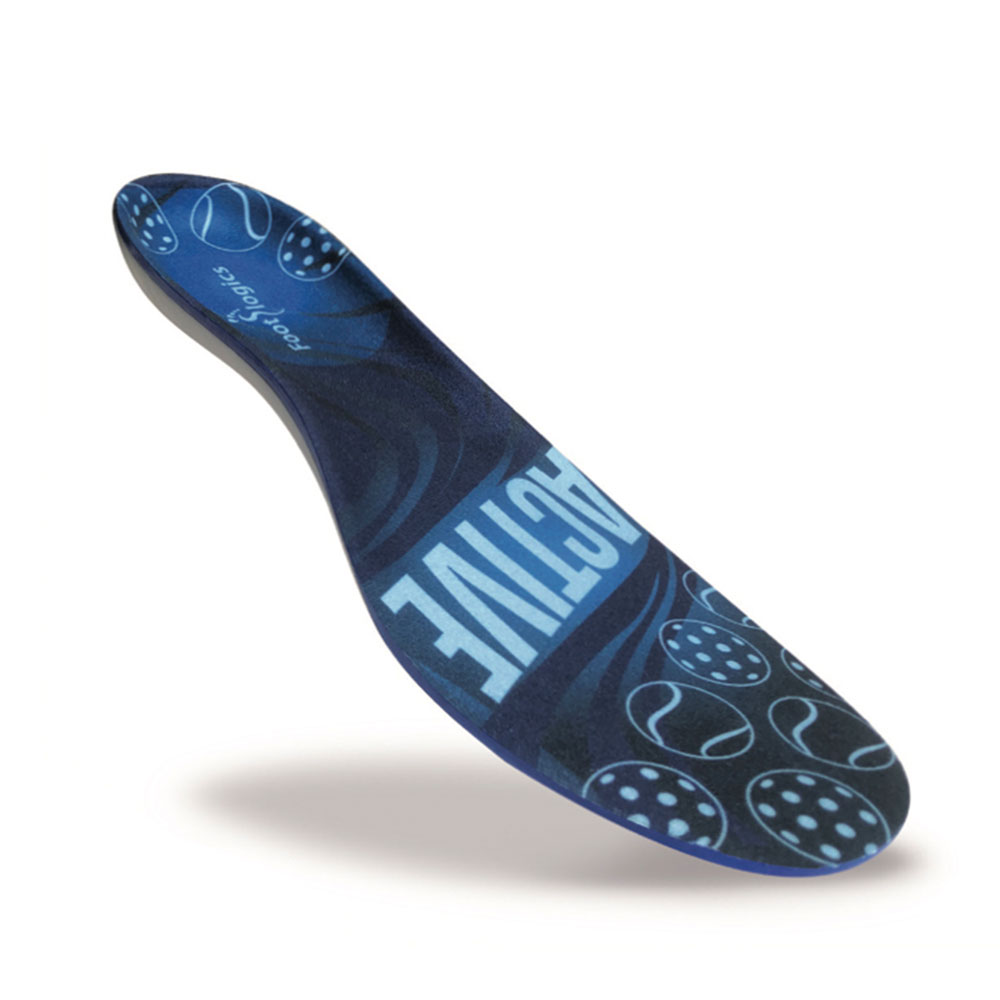
Footlogics ACTIVE
$39.95
Looking for the best pickleball insoles? The right insole can provide additional cushioning, arch support and stability during the rapid lateral movements, sudden stops and repeated push-offs involved in pickleball. However, the best choice depends on your feet, playing style and the fit of your pickleball shoes.
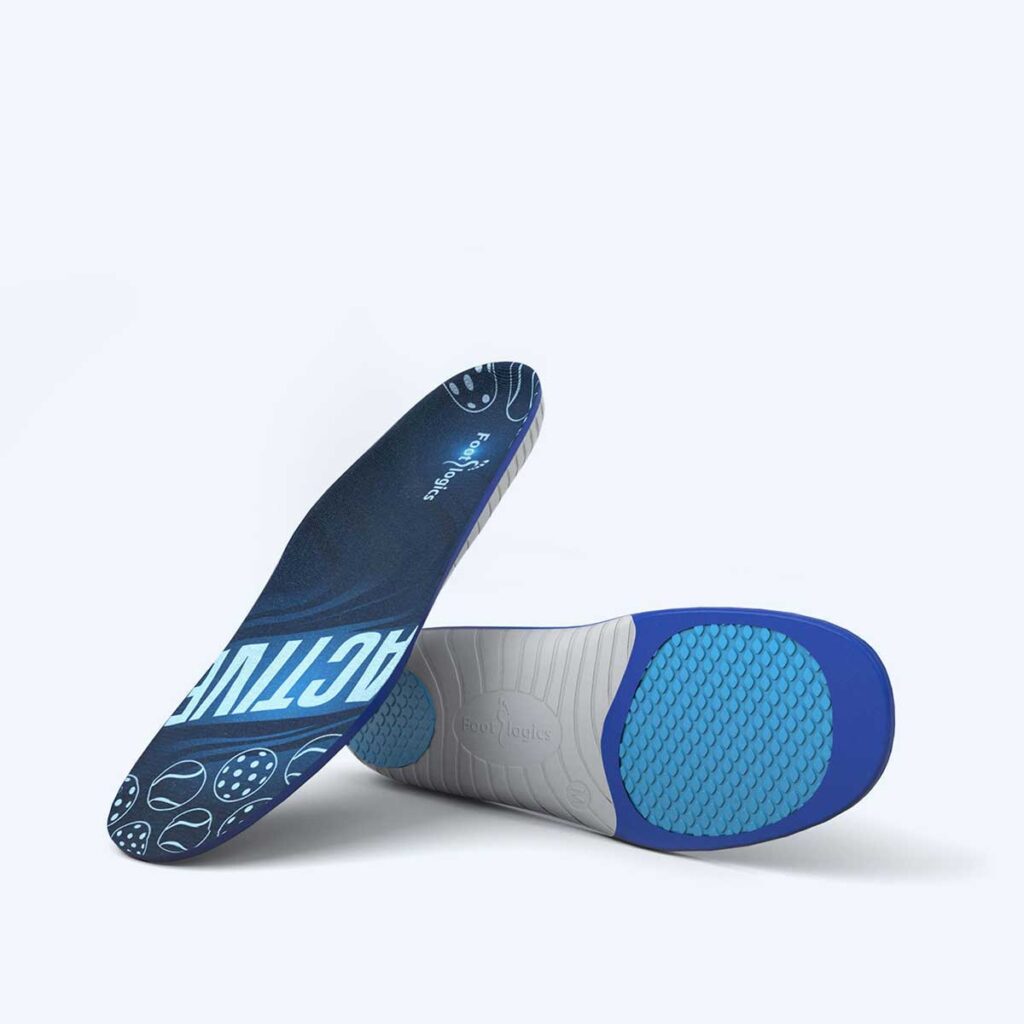
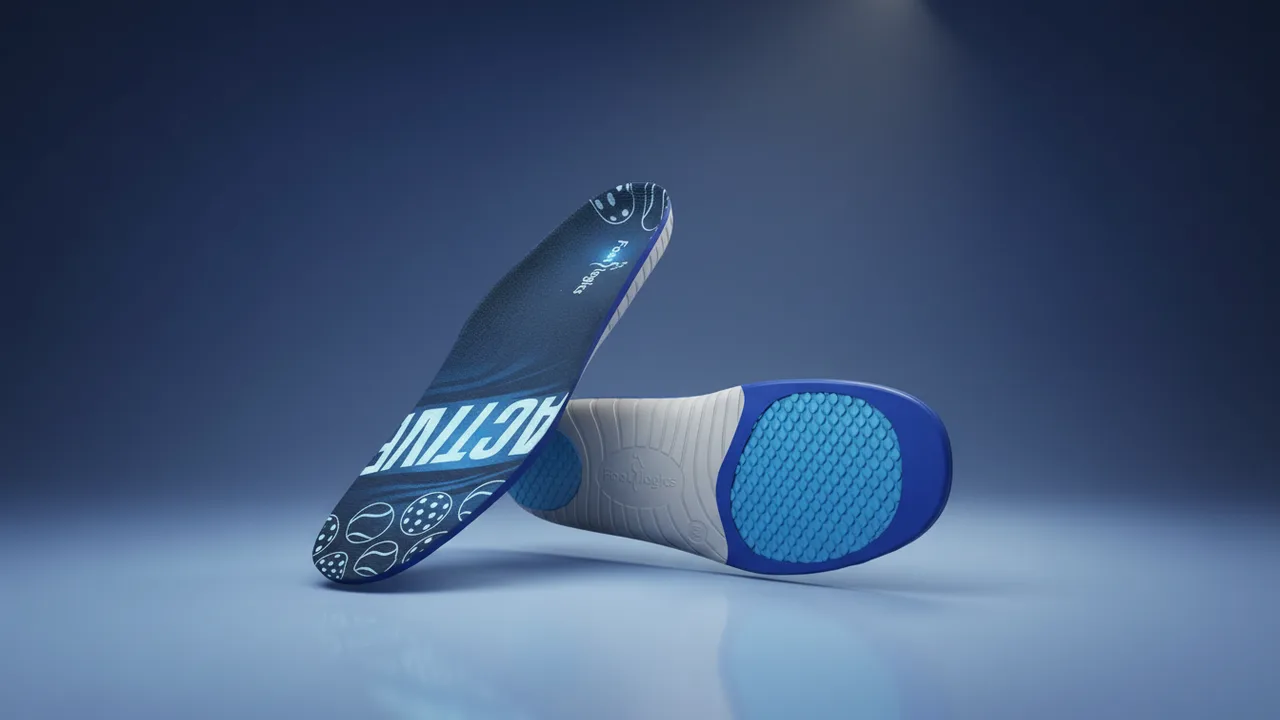
Our top pick for players looking for a combination of stability, cushioning and forefoot support is ‘Footlogics ACTIVE‘. Developed specifically for tennis and pickleball, ACTIVE combines a rigid nylon support shell to help control excessive foot movement, 0.6 inches of forefoot cushioning for enhanced shock absorption, and a metatarsal raise designed to support the forefoot and help distribute pressure in the transverse arch of the foot.
In this guide, we compare the features that matter most when choosing pickleball insoles, explain how different designs suit different players, and show you how to choose the right insole for your feet and your game. Importantly, you want to pick an insole that can help prevent injury!
Pickleball injuries are not limited to occasional accidents. In a nationwide study of 1,758 players, 35.9% reported ongoing pain or injury at the time of the survey. The knee was the most commonly reported region, while injuries involving the thigh, leg and foot collectively were also prominent. More frequent weekly play was associated with higher odds of injury.
Source: PubMed – Understanding Injury Patterns and Predictors in Pickleball Players
Footlogics Pickleball orthotics:
MEDICAL-GRADE SUPPORT FROM EVERY ANGLE
Best Pickleball Insoles at a Glance
There is no single pickleball insole that is perfect for every player. Some players need maximum cushioning, while others prioritise firm arch support, lateral stability or a particular arch profile. Your choice should also take into account the fit and internal volume of your pickleball shoes.
Here are some of the most important characteristics to consider when comparing popular pickleball insoles:
| Insole | Best suited to | Key characteristics |
|---|---|---|
| Footlogics ACTIVE | Players wanting stability, cushioning and forefoot support | Rigid nylon shell, substantial forefoot cushioning, metatarsal raise |
| CURREX PICKLEBALLPRO | Players wanting a pickleball-specific design | Court-focused support and multiple profile options |
| Superfeet | Players who prefer structured support | Firm support, stabilising heel cup and established sports-insole designs |
| PowerStep | Players wanting orthotic-style support | Structured arch support and cushioning |
| SOLE | Players wanting a mouldable support option | Mouldable footbed and adjustable support characteristics |
Which one is right for you?
If your priority is a combination of lateral stability, substantial forefoot cushioning and metatarsal support, Footlogics ACTIVE is particularly well suited to pickleball and tennis.
If you prefer a different arch profile, a softer or firmer feel, or a more mouldable design, one of the alternatives may be a better match.
The important thing is not simply choosing an insole labelled “pickleball”. It is choosing an insole whose construction matches the demands of your feet, your shoes and the way you play.
Our Top Pick: Footlogics ACTIVE
For pickleball players who want a combination of stability, cushioning and forefoot support, our top recommendation is Footlogics ACTIVE.
Unlike a conventional shoe liner or a typical running insole, ACTIVE was developed with the demands of court sports in mind. Pickleball involves frequent lateral movements, rapid changes of direction, sudden stops and repeated push-offs. These movements place different demands on your feet compared with activities that are primarily forward-moving, such as road running.
Footlogics ACTIVE combines three key design features to address these demands:
Rigid Nylon Support Shell
The firm nylon shell provides structured support beneath the foot and is designed to help control excessive rolling of the foot and ankle during movement. This can be particularly useful during the side-to-side and diagonal movements that are so common in pickleball.
A 0.6 inch mm of Forefoot Cushion
ACTIVE incorporates substantial cushioning beneath the forefoot to help absorb impact during repeated steps, stops and push-offs. This is especially relevant for players who experience foot fatigue or discomfort around the ball of the foot after playing.
Metatarsal Raise
A raised metatarsal area provides additional support beneath the forefoot. By supporting the metatarsal region, ACTIVE is designed to help distribute pressure more evenly across the forefoot during court activity.
Together, these features give Footlogics ACTIVE a combination of structured support and high-level cushioning that is particularly suited to the demands of tennis and pickleball.
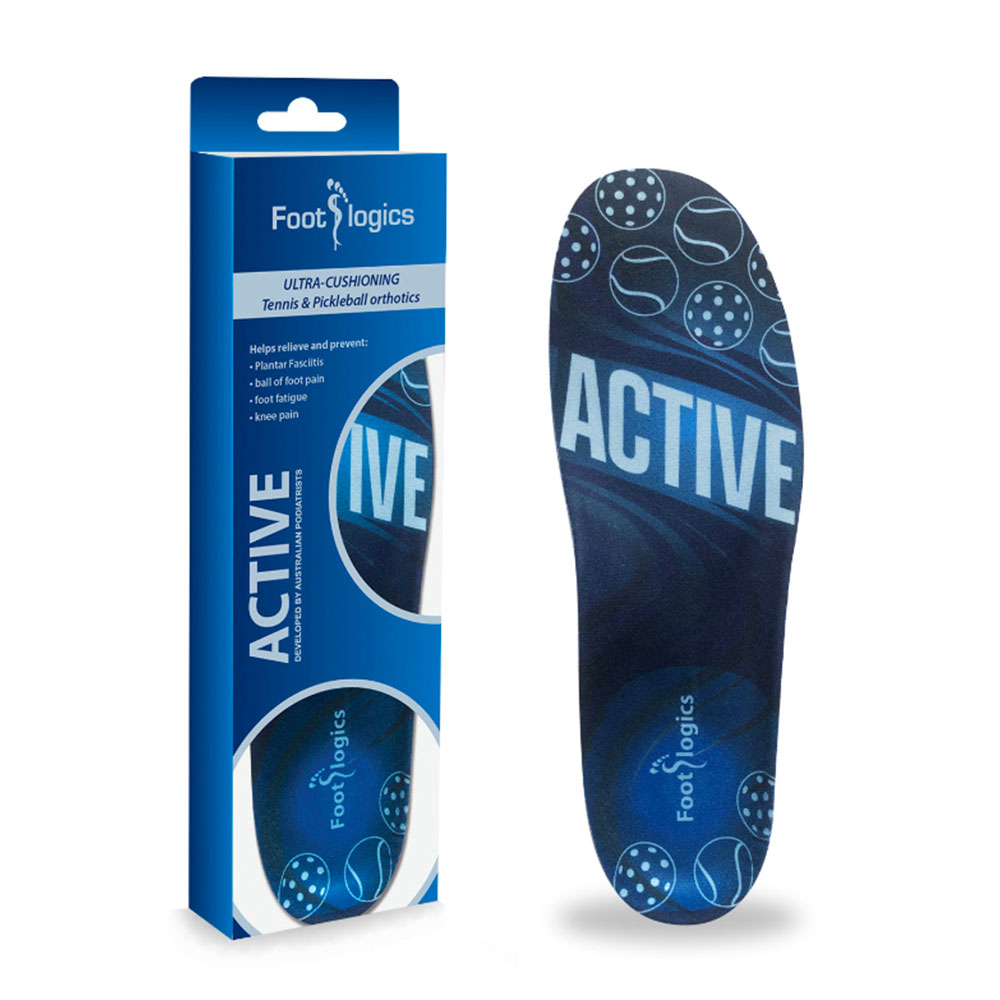
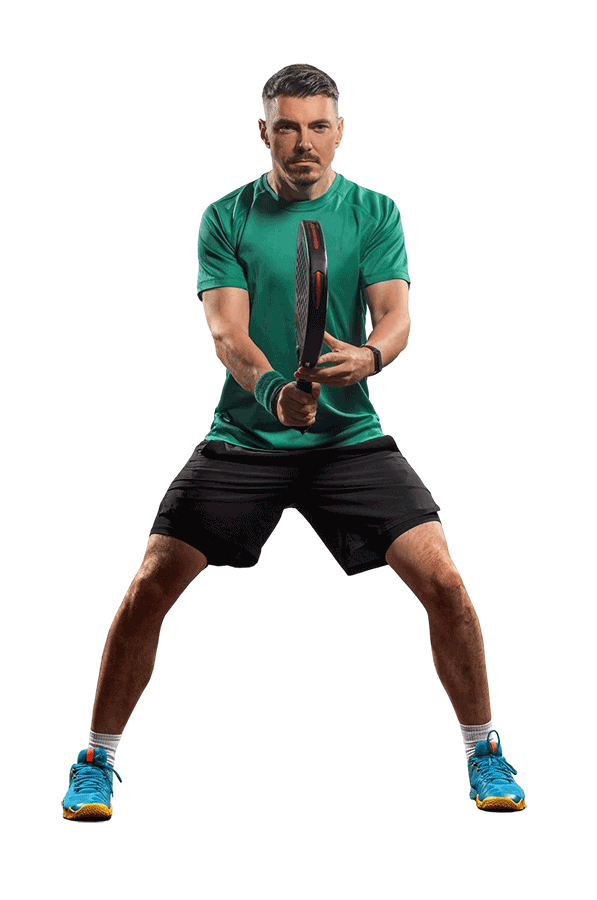
Who Is Footlogics ACTIVE Best Suited To?
Footlogics ACTIVE is designed for players who want more than basic cushioning from their pickleball shoes. Its combination of a firm support shell, substantial forefoot cushioning and metatarsal support makes it particularly suitable for players who place high demands on their feet during court activity.
ACTIVE may be particularly suitable if you:
-
Play pickleball or tennis regularly and want additional support and cushioning during repeated court movements.
-
Make frequent lateral movements and rapid changes of direction and prefer the feel of a structured, supportive insole.
-
Experience foot fatigue during or after playing, particularly when playing on hard courts or for extended periods.
-
Want additional forefoot cushioning to make repeated steps, stops and push-offs more comfortable.
-
Experience pressure around the ball of the foot and want an insole incorporating metatarsal support.
-
Prefer a firm, supportive insole rather than a very soft or flexible foam insert.
-
Want an insole that can be used for both pickleball and tennis, rather than a general everyday orthotic.
Who may prefer a different type of insole?
ACTIVE is not necessarily the right choice for every player. If your shoes have very limited internal space, you may prefer a thinner, lower-volume insole. Likewise, players who specifically require a highly customised arch profile or prescription orthotic should discuss their needs with a podiatrist or other qualified healthcare professional.
The goal is not simply to choose the most heavily cushioned or most supportive insole. The best pickleball insole is the one that provides the right combination of support, cushioning and fit for your individual feet and your shoes.
Why Pickleball Requires Different Insole Support
Pickleball may look less demanding than some high-impact sports, but the movement patterns on court can place considerable demands on the feet. Unlike activities such as road running, where movement is predominantly forward, pickleball involves frequent side-to-side movements, short sprints, sudden stops, pivots and changes of direction.
These movements mean that a good pickleball insole needs to do more than simply provide soft cushioning.
Lateral Movement and Stability
One of the defining characteristics of pickleball is lateral movement. Players repeatedly move from side to side to reach the ball, often pushing off one foot and quickly changing direction.
An insole with a firm support structure can help provide a more stable platform beneath the foot. This may be particularly appealing to players who feel that their feet move excessively inside their shoes or who prefer a more controlled, supportive feel during lateral movements.
Repeated Stops and Push-Offs
Pickleball involves many short bursts of movement rather than continuous running. Players accelerate, stop, reposition themselves and push off again, often within a few seconds.
This places repeated loading through the heel and forefoot. Adequate cushioning can make these repetitive movements more comfortable, particularly for players who experience foot fatigue during longer sessions.
The Forefoot Does a Lot of Work
The front of the foot is heavily involved when accelerating, changing direction and moving onto the toes. Consequently, some players may benefit from an insole that provides additional cushioning and support beneath the forefoot.
This is one reason why the design of a pickleball insole should not be based solely on arch support. Cushioning, forefoot support and overall stability are also important considerations.
Your Shoes Matter Too
Even a well-designed insole cannot compensate for an unsuitable pickleball shoe. The shoe should provide an appropriate fit, adequate room for the toes and sufficient stability for court movements.
An insole also needs to fit properly inside the shoe without making the footwear excessively tight. If replacing the original liner with an orthotic or insole, check that the combination of the shoe and insole still allows your foot to sit comfortably and securely.
For these reasons, choosing a pickleball insole is really about finding the right balance between stability, cushioning, support and fit—rather than simply choosing the softest or most heavily cushioned option available.
What Does the Research Show?
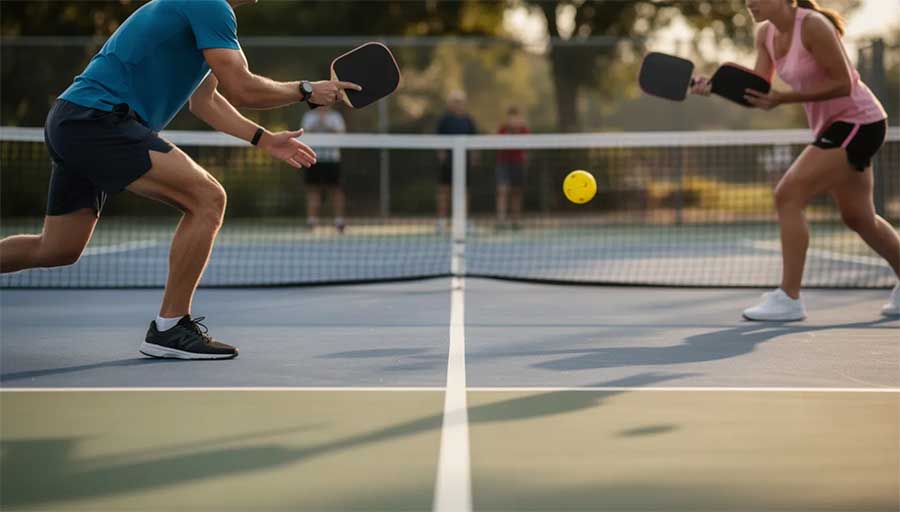
Research into pickleball-related foot and ankle injuries highlights the demands created by the sport’s movement patterns. A clinical study of 198 pickleball-related foot and ankle injuries found that common injury mechanisms included running or lunging forward, planting the foot, and inversion of the foot and ankle. These findings reinforce why footwear and insoles used for pickleball need to accommodate rapid, multi-directional court movement rather than simply straight-line activity.
Source: PubMed – Emerging Patterns of Foot and Ankle Injuries in Pickleball Players
What Should You Look for in a Pickleball Insole?
Not all insoles are designed for the same type of activity. When choosing an insole for pickleball, it is worth looking beyond general claims about cushioning or arch support and considering how the insole performs during the specific movements involved in the game.
Here are the key features to consider.
1. Lateral Stability
Pickleball involves frequent side-to-side movements and rapid changes of direction. A supportive insole should provide a stable platform beneath the foot without feeling excessively rigid or uncomfortable.
Players who prefer a more controlled feel may benefit from an insole with a firmer support structure rather than a soft, highly flexible foam insert.
2. Arch Support
Appropriate arch support can help the foot maintain a more stable position inside the shoe. However, more arch support is not automatically better.
The ideal level depends on your individual foot shape. An insole should make comfortable contact with the arch without creating excessive pressure or feeling as though it is pushing aggressively into the foot.
3. Forefoot Cushioning
The forefoot experiences repeated loading during acceleration, stopping and push-offs. For players who experience discomfort or fatigue around the ball of the foot, additional cushioning beneath the forefoot can be an important consideration.
Look at both the amount and location of cushioning rather than simply choosing an insole described as “cushioned.”
4. Heel Stability
A stable heel can help keep the foot positioned securely within the shoe. A well-designed heel cup can also reduce unwanted movement of the foot inside the footwear.
This is particularly important when an insole is being used for a sport involving repeated changes of direction.
5. Metatarsal Support
Players who experience pressure beneath the ball of the foot may want to consider an insole incorporating metatarsal support.
A metatarsal raise is positioned behind the ball of the foot rather than directly underneath it. Its purpose is to provide support to the metatarsal region and can help distribute pressure across the forefoot.
6. Fit and Shoe Volume
This is one of the most overlooked considerations when buying an insole.
A thick, highly supportive insole may work extremely well in a roomy court shoe but feel uncomfortable in a shoe with limited internal volume. Replacing the original shoe liner can also change the way your foot sits inside the shoe.
Before choosing an insole, check its thickness, overall profile and sizing. Your toes should still have adequate room, and your foot should not feel squeezed against the top or sides of the shoe.
7. Cushioning vs Stability
There is often a trade-off between softness and structure. A very soft insole can feel comfortable initially, but some players prefer a firmer platform that provides greater support during lateral movements.
Conversely, an extremely rigid design may not be comfortable for every player.
The best choice depends on your feet, playing style, footwear and personal preference.
8. Durability
Pickleball players who play several times a week place considerably more demands on their insoles than someone who uses them occasionally.
Look for an insole made from materials that are designed to retain their shape and cushioning properties with regular use. Durability is particularly important if you intend to use the same pair for both pickleball and tennis.
The Bottom Line
When comparing pickleball insoles, don’t focus on a single feature. The most useful approach is to consider the complete package:
lateral stability + arch support + forefoot cushioning + heel stability + fit + durability.
The right combination will vary from player to player. A recreational player looking primarily for comfort may have different requirements from a competitive player who makes frequent explosive lateral movements.
Pickleball Insole Comparison
The table below compares Footlogics ACTIVE with several popular insoles suitable for pickleball. Rather than looking at cushioning alone, we have compared the features that are particularly relevant to court sports: support structure, forefoot cushioning, metatarsal support, arch options and overall design.
| Insole | Support Structure | Forefoot Cushioning | Metatarsal Support | Arch Options | Best Suited To |
|---|---|---|---|---|---|
| Footlogics ACTIVE | Firm nylon support shell | High – approx. 15 mm | Yes – built-in metatarsal raise | Contoured biomechanical arch | Players wanting strong lateral stability, substantial forefoot cushioning and metatarsal support |
| CURREX PICKLEBALLPRO | Dynamic support shell | High – targeted forefoot cushioning | No dedicated metatarsal raise | Low, Medium & High profiles | Players wanting a pickleball-specific insole with a choice of arch profiles |
| Superfeet Sport Support | Structured support | Medium | No dedicated metatarsal raise | Designed for all arch heights | Players who prefer firm, structured support for court sports |
| PowerStep Pinnacle | Semi-rigid support shell | Dual-layer cushioning | Varies by Pinnacle model | Neutral arch profile; multiple Pinnacle variants available | Players wanting traditional orthotic-style support and heel-to-toe cushioning |
| SOLE Active Medium | Mouldable supportive footbed | Medium | Optional Met Pad version available | Heat/wear mouldable | Players who prefer an insole that gradually moulds to the shape of their feet |
How Do They Compare?
Footlogics ACTIVE stands out for combining a firm nylon shell with approximately 0.6 inches of forefoot cushioning and a built-in metatarsal raise. This combination makes it particularly suitable for players who want both structured support and substantial cushioning beneath the ball of the foot.
CURREX PICKLEBALLPRO takes a different approach. It is available in Low, Medium and High arch profiles and incorporates targeted forefoot cushioning, a dynamic support shell and anti-slip grip features. Players who particularly value being able to select an arch profile may prefer this approach.
Superfeet Sport Support provides structured support in an insole specifically listed by Superfeet for sports including tennis and pickleball. It may appeal to players who prefer a firmer, supportive feel without requiring dedicated metatarsal support.
PowerStep Pinnacle is more of a traditional orthotic-style insole, combining a semi-rigid arch support shell with a deep heel cradle and dual-layer cushioning. The Pinnacle range also includes several variations, making it worth checking which model best matches your requirements.
SOLE Active Medium differs from the other options because its supportive footbed can be heat- or wear-moulded. It is therefore worth considering for players who prefer a more personalised footbed shape. A separate Active Medium with Met Pad version is also available.
There is no single design that will suit every pickleball player. Foot shape, arch height, shoe volume, playing frequency and where you want the most support or cushioning should all influence your choice.
Pickleball Insoles vs Running Insoles: What’s the Difference?
Running and pickleball place very different demands on the feet. Although a good running insole may provide excellent cushioning and arch support, it is not necessarily designed for the rapid side-to-side movements and changes of direction involved in pickleball.
The biggest difference is the direction of movement.
Running is predominantly a forward-moving activity. Pickleball, by contrast, combines forward and backward movement with lateral shuffling, diagonal steps, lunges, pivots, sudden stops and rapid changes of direction.
This means the priorities for an insole can be different.
| Feature | Pickleball Insole | Running Insole |
|---|---|---|
| Primary movement | Multi-directional | Primarily forward |
| Lateral stability | High priority | Usually less important |
| Forefoot cushioning | Important for repeated push-offs and stops | Important for repetitive forward loading |
| Arch support | Important | Important |
| Heel stability | Important during changes of direction | Important during repetitive heel-to-toe movement |
| Metatarsal support | Can be particularly useful for forefoot pressure | Depends on insole design |
| Shoe fit | Must work within court shoes without compromising lateral fit | Designed primarily around running footwear |
Why Lateral Stability Matters in Pickleball
When running in a relatively straight line, the foot repeatedly progresses from landing through to push-off. Pickleball movements are less predictable.
A player might shuffle sideways toward the kitchen line, stop suddenly, move backwards and then push laterally in the opposite direction—all within a matter of seconds.
During these movements, the foot can experience forces from several directions. For this reason, many players prefer an insole with a more structured support system rather than one designed primarily around soft cushioning.
Pickleball Places Significant Demands on the Forefoot
The forefoot also plays an important role in pickleball.
Players frequently remain in a ready position with their weight slightly forward, before pushing off rapidly to reach the next shot. Short accelerations, lunges and repeated changes of direction can all increase loading beneath the front of the foot.
For players who notice discomfort or fatigue around the ball of the foot, forefoot cushioning and metatarsal support may therefore be especially worth considering.
Can You Use Running Insoles for Pickleball?
Yes. There is no reason that a running insole cannot be used for pickleball if it fits your shoes correctly and provides the support and comfort you need.
However, players who play regularly may prefer an insole designed with court movement in mind—particularly if they want greater lateral stability, structured support or additional forefoot cushioning.
The important question is not whether an insole carries the word “pickleball” on the packaging. It is whether its design characteristics match the demands of the sport.
For pickleball, that generally means looking for a balance of lateral stability, arch support, heel control, forefoot cushioning and a secure fit inside your court shoes.
Which Pickleball Insole Is Right for You?
The best pickleball insole for one player may not be the best choice for another. Your foot shape, arch height, playing frequency, footwear and where you experience discomfort should all influence your decision.
Here are some of the most common requirements and the features worth considering.
Best Pickleball Insoles for Maximum Cushioning
If your feet feel tired or sore after several games, cushioning may be one of your main priorities.
Look for an insole with cushioning not only beneath the heel but also beneath the forefoot, where considerable loading occurs during push-offs, lunges and sudden stops.
Footlogics ACTIVE incorporates approximately 0.6 inches of cushioning under the forefoot, making it particularly suitable for players looking for substantial cushioning in this area.
However, remember that thicker cushioning takes up more room inside the shoe. Your court shoes must have sufficient internal volume to accommodate the insole comfortably.
Best Pickleball Insoles for Lateral Stability
If stability during side-to-side movement is your priority, look beyond soft foam cushioning.
An insole with a firm or semi-rigid support structure can provide a more stable platform beneath the foot. This is particularly relevant to pickleball because players frequently shuffle laterally, pivot and rapidly change direction.
Footlogics ACTIVE uses a firm nylon support shell for this purpose. Other structured sports insoles use different types of support shells or frames to achieve a similar objective.
Remember that the shoe itself remains extremely important. An insole should complement a stable court shoe rather than compensate for footwear that is poorly fitting or unsuitable for lateral movement.
Best Pickleball Insoles for Flat Feet
Players with flat feet often look for additional arch support, but the goal should not simply be to find the highest or hardest arch available.
A well-contoured insole should provide comfortable support beneath the arch while helping create a stable base inside the shoe. For some players, a firmer support shell may also feel more secure during lateral movements.
Footlogics ACTIVE provides structured medial arch support combined with its firm nylon shell.
If you have very flat feet, start gradually with a new pair of supportive insoles. If an insole causes persistent pressure or discomfort beneath the arch, it may not be the correct shape for your feet.
Best Pickleball Insoles for High Arches
Players with high arches may have quite different requirements.
Because a high-arched foot can have a smaller area of contact with the ground, cushioning and appropriate arch contact may be particularly important. The objective is to find an insole that comfortably supports the shape of the foot without creating excessive pressure beneath the arch.
Some manufacturers offer different arch profiles specifically for this reason. CURREX PICKLEBALLPRO, for example, is available in Low, Medium and High profiles.
Players with particularly high arches may therefore prefer an insole offering multiple arch-height options or a mouldable footbed.
Best Pickleball Insoles for Ball-of-Foot Discomfort
Pickleball can place considerable demands on the forefoot. Players who experience discomfort beneath the ball of the foot should consider both cushioning and metatarsal support.
A metatarsal raise is a small raised area positioned behind the metatarsal heads. Rather than simply adding more padding beneath the painful area, it is intended to support the metatarsal region and help redistribute pressure across the forefoot.
Footlogics ACTIVE combines a built-in metatarsal raise with approximately 15 mm of forefoot cushioning, making forefoot support one of its most distinctive features.
Persistent or worsening ball-of-foot pain should not simply be treated by changing insoles. Conditions such as metatarsalgia, Morton’s neuroma, stress injuries and other forefoot problems can produce similar symptoms, so ongoing pain should be assessed by an appropriately qualified healthcare professional.
Best Pickleball Insoles for Plantar Fasciitis
Players with plantar heel pain often look for a combination of arch support, heel cushioning and a stable heel cup.
Rather than choosing the softest possible insert, look for an insole that comfortably supports the arch while providing a stable platform beneath the heel.
Footlogics ACTIVE provides structured arch support and cushioning for players who want these features in a sports-oriented design.
However, plantar fasciitis is not simply an insole problem. Footwear, activity levels, calf flexibility, training load and other factors may also need to be considered.
Best Pickleball Insoles for Tight-Fitting Shoes
If your pickleball shoes already fit quite snugly, a thick insole may make them too tight.
In this situation, look for a lower-volume or thinner sports insole, particularly through the forefoot. Where possible, remove the manufacturer’s original sock liner before fitting the replacement insole rather than placing one on top of the other.
After fitting the new insoles, check that your heel remains securely positioned and that your toes have sufficient room.
This is one situation where Footlogics ACTIVE may not be the ideal choice. Its substantial forefoot cushioning requires sufficient room inside the shoe. Players using particularly low-volume or tightly fitting court shoes may be better suited to a thinner insole.
Best Pickleball Insoles for Frequent Players
If you play three, four or more times per week, durability becomes increasingly important.
Repeated compression, perspiration and court movement can gradually affect an insole’s cushioning and support. Look for durable materials and regularly inspect your insoles for visible compression, cracking or loss of shape.
Frequent players should also pay close attention to their shoes. Even an excellent insole cannot restore the lateral stability or outsole traction of a court shoe that is badly worn.
A Simple Way to Choose
Instead of asking only “What is the best pickleball insole?”, ask what you need the insole to do.
If your priority is forefoot cushioning and structured stability, consider Footlogics ACTIVE. If you want to select from different arch profiles, a design such as CURREX PICKLEBALLPRO may appeal. If you prefer a mouldable footbed, SOLE offers that approach. And if shoe space is your biggest concern, look for a thinner, low-volume sports insole.
Ultimately, the best pickleball insole is one that fits your foot, fits your shoe and provides the combination of cushioning, support and stability that feels right for the way you play.
Are Pickleball-Specific Insoles Really Necessary?
No, you don’t necessarily need pickleball-specific insoles to play pickleball. Many players will be perfectly comfortable using the original insoles supplied with their court shoes. However, players who want additional cushioning, arch support or stability—or who find their factory insoles inadequate—may benefit from replacing them with a more supportive sports insole.
What matters most is not whether the word “pickleball” appears on the packaging. It is whether the design of the insole matches the demands of the sport and the individual needs of your feet.
Why Standard Shoe Insoles May Not Be Enough
The removable liner supplied with many athletic shoes is primarily there to provide a comfortable surface beneath the foot. Depending on the shoe, it may provide relatively little structured arch support or additional stability.
For many players, that is perfectly adequate.
However, if you play pickleball several times per week, spend hours at a time on hard courts or simply prefer more support beneath your feet, replacing the original liner with a purpose-designed sports insole may make your shoes feel more supportive and comfortable.
What Makes an Insole Suitable for Pickleball?
A good pickleball insole should address the movements that occur repeatedly during play.
These include:
-
lateral shuffling and side-to-side movement;
-
rapid acceleration and deceleration;
-
short forward and backward movements;
-
lunging and reaching;
-
repeated forefoot push-offs; and
-
sudden changes of direction.
Because of these movement patterns, lateral stability and forefoot support can be just as important as cushioning and arch support.
An insole designed primarily for walking or straight-line running may still work well, but it should provide sufficient stability for multi-directional court movement.
Recreational vs Frequent Pickleball Players
How often you play should also influence your decision.
Someone playing a relaxed game once a week may have very different requirements from a player spending ten or more hours on court every week.
Occasional recreational players who are comfortable in their existing shoes may have little reason to change their insoles.
Frequent players, on the other hand, may place substantially greater repetitive loads on both their footwear and insoles. For these players, cushioning, support, durability and fit become more important considerations.
Can Better Insoles Prevent Pickleball Injuries?
It is important not to overstate what an insole can do.
No insole can guarantee that you will avoid plantar fasciitis, Achilles problems, metatarsalgia, ankle sprains or other pickleball-related injuries. Injury risk is influenced by many factors, including training load, previous injuries, strength, mobility, technique, footwear, playing surface and recovery.
A well-fitting insole can provide additional cushioning and support and may make your footwear more comfortable, but it should be viewed as one part of your overall footwear and injury-management strategy, rather than a method of preventing every injury.
A 2026 systematic review of 15 studies examining lower-extremity injuries in adult pickleball players found that sprains, strains and fractures were among the commonly reported injuries, with Achilles tendon rupture also notably represented. Falls were an important injury mechanism, followed by movements including running or lunging forward and foot or ankle inversion.
Source: PubMed – Lower Extremity Injuries in Adult Pickleball Players: A Systematic Review
When Should You Consider Replacing Your Factory Insoles?
You may want to consider an aftermarket sports insole if:
-
your existing shoe liner feels too soft or unsupportive;
-
you want additional arch support;
-
you experience significant foot fatigue during longer sessions;
-
you want more cushioning beneath the forefoot;
-
you prefer a more stable feeling beneath your feet during lateral movements; or
-
your current insoles have become compressed or worn.
If your current shoes and insoles already feel comfortable and supportive, there may be no need to change them simply because you play pickleball.
The Bottom Line
Pickleball-specific insoles are not essential for every player. What is important is choosing an insole that suits the multi-directional nature of the sport while fitting both your feet and your court shoes correctly.
For players seeking a combination of structured lateral support, substantial forefoot cushioning and built-in metatarsal support, Footlogics ACTIVE was developed specifically with the demands of tennis and pickleball in mind.
But the right solution will always depend on the individual player. Comfort, fit and the specific support your feet require should come before the label on the box.
How We Evaluate Pickleball Insoles
When comparing pickleball insoles, we focus on the design characteristics that are most relevant to the movements and demands of the sport. We don’t believe the best insole can be determined simply by choosing the softest cushioning or the highest arch.
Instead, we consider the following factors:
-
Lateral stability: Does the insole provide a sufficiently stable platform for side-to-side movement and rapid changes of direction?
-
Arch support: Does it provide structured support without relying solely on soft foam?
-
Forefoot cushioning: Is there adequate cushioning beneath the area heavily involved in stopping, accelerating and pushing off?
-
Heel stability: Does the design help the heel sit securely within the shoe?
-
Metatarsal support: Does the insole provide specific support for the forefoot, or primarily cushioning?
-
Fit and shoe volume: How much space does the insole require inside a typical court shoe?
-
Durability: Are the materials suitable for the repeated loading associated with regular court activity?
-
Different foot types: Are different arch profiles or other fitting options available?
We also consider an important factor that is sometimes overlooked: who the insole may not suit.
For example, a thick, highly cushioned insole may be an excellent choice for one player but unsuitable for someone wearing a very low-volume court shoe. Similarly, a high or aggressive arch profile will not feel comfortable under every foot.
Our comparisons are based on published product specifications, design characteristics and our experience developing orthotic insoles. Where we discuss competing products, our aim is to highlight meaningful differences rather than suggest that one design will be best for every player.
Ultimately, the best pickleball insole is the one that fits your foot, fits your shoe and provides the right balance of support, stability and cushioning for the way you play.
Why We Designed Footlogics ACTIVE for Pickleball and Tennis
When we developed Footlogics ACTIVE, we wanted to address a problem we saw with many conventional sports insoles: they were often designed primarily around running, walking or general athletic use rather than the specific demands of court sports.
Tennis and pickleball are different.
Both sports involve repeated lateral movement, sudden stopping, rapid changes of direction and powerful forefoot push-offs. We therefore focused the design of ACTIVE around three areas we considered particularly important for court players: lateral stability, forefoot cushioning and metatarsal support.
1. We Wanted More Lateral Stability
Many soft sports insoles provide cushioning but relatively little structure beneath the foot.
For court sports, we wanted something different.
We incorporated a firm nylon support shell into ACTIVE to create a more stable platform beneath the foot. The shell also provides biomechanical arch support while resisting excessive movement of the foot during activity.
This structured design is particularly relevant during the side-to-side movements that occur repeatedly in pickleball and tennis.
2. We Wanted More Cushioning Under the Forefoot
A large amount of attention in athletic footwear is traditionally given to heel cushioning. But during pickleball and tennis, the forefoot also works extremely hard.
Players repeatedly move onto the front of the foot as they accelerate, lunge, stop, recover and push off towards the next ball.
For that reason, we incorporated approximately 15 mm of cushioning beneath the forefoot of ACTIVE.
Rather than concentrating cushioning only beneath the heel, we wanted substantial shock-absorbing material underneath the area that experiences repeated loading during court movement.
This is one of the features that most clearly distinguishes ACTIVE from a conventional thin factory shoe liner.
3. We Added a Metatarsal Raise
The third element was forefoot support.
ACTIVE incorporates a built-in metatarsal raise, positioned behind the metatarsal heads. Its purpose is to support the metatarsal region and help distribute pressure across the forefoot.
We considered this particularly relevant for tennis and pickleball because of the repeated loading placed on the ball of the foot during play.
It also means ACTIVE approaches forefoot comfort in two ways: cushioning beneath the forefoot combined with structural metatarsal support.
Bringing the Three Features Together
None of these features exists in isolation.
Our objective was to combine:
firm lateral support + substantial forefoot cushioning + metatarsal support
in a single over-the-counter sports orthotic.
The result is an insole that feels quite different from a soft foam insert. ACTIVE has a more structured feel because it is designed to provide support as well as cushioning.
That will not suit every player. Someone looking for an extremely thin or very soft insole may prefer another design. Likewise, players using particularly tight, low-volume court shoes should make sure there is sufficient room for ACTIVE’s forefoot cushioning.
But for pickleball and tennis players who want structured support combined with a high level of cushioning beneath the forefoot, those three design priorities are precisely why we developed Footlogics ACTIVE.
Next I recommend “How We Evaluate Pickleball Insoles.” That section is particularly important for the revamped page: it gives a transparent methodology behind the comparison table rather than making the page look like Footlogics simply declared its own product the best.
Frequently Asked Questions About Pickleball Insoles
How long do pickleball insoles last?
There is no fixed replacement interval because lifespan depends on how often you play, your body weight, playing intensity, footwear and the materials used in the insole. Regular players should periodically inspect their insoles for permanent compression, cracking, loss of shape or noticeably reduced comfort. If the support or cushioning feels significantly different from when the insoles were new, replacement may be worth considering.
Should I remove the original insoles from my pickleball shoes?
Usually, yes. Most full-length sports orthotics and replacement insoles are intended to replace the removable factory liner, rather than sit on top of it. Stacking two full-length insoles can reduce the space inside the shoe and alter the fit. If the original liner is removable, take it out before fitting the replacement and check that your heel and toes still sit comfortably.
Do pickleball insoles need to be broken in?
Some supportive insoles can feel different when first worn, particularly if you are accustomed to flat, soft shoe liners. It can be sensible to introduce them gradually—perhaps during shorter playing sessions initially—before wearing them for several hours of continuous play. An insole should feel supportive, but persistent pain or excessive pressure is not something you should simply try to “break in.”
Can I move my pickleball insoles between different pairs of shoes?
Yes, provided the insoles fit both pairs correctly. However, two shoes marked as the same size can have very different internal shapes and volumes. Always check that the insole sits flat inside the shoe without curling at the heel or bunching at the toes.
Players who regularly alternate between several pairs of court shoes may find it more convenient to keep a dedicated pair of insoles in each.
Can pickleball insoles be trimmed to fit?
Some full-length insoles are designed to be trimmed at the forefoot, while others are supplied in specific shoe sizes and should not require significant modification. Always follow the manufacturer’s fitting instructions.
If trimming is permitted, the original shoe liner can often be used as a template. Trim conservatively—you can always remove a little more material, but you cannot put it back.
Should I wear different insoles in indoor and outdoor pickleball shoes?
Not necessarily. The more important consideration is whether the insole fits each shoe correctly. Indoor and outdoor court shoes can differ in construction, outsole design and internal volume, so the same insole may feel different between them.
If you regularly switch between indoor and outdoor footwear, check the fit separately in each pair.
Can I wash pickleball insoles?
This depends on the materials used. Unless the manufacturer specifically states that an insole is machine washable, avoid putting it in a washing machine or clothes dryer.
For many sports insoles, gently wiping the surface with a damp cloth and mild soap is sufficient. Allow them to air dry completely before putting them back into your shoes. Excessive heat can damage or distort some foams and support materials.
Do I need different insoles for pickleball and tennis?
Not necessarily. Pickleball and tennis share many court movements, including lateral shuffling, acceleration, stopping and changes of direction. A well-fitting sports insole suitable for one may therefore work perfectly well for the other.
This is also why Footlogics ACTIVE was developed for both tennis and pickleball, rather than creating separate insoles carrying different sport labels but performing essentially the same function.
Can I wear pickleball insoles every day?
Many sports insoles can also be worn for walking and everyday activities, provided they fit the footwear correctly and remain comfortable. However, a relatively structured sports orthotic may take up too much space in dress shoes or other low-volume footwear.
If you want orthotic support across several types of footwear, it can be more practical to use different insole designs suited to each type of shoe.
When should I see a podiatrist instead of trying a new insole?
Consider seeking professional assessment if foot or ankle pain is severe, persistent, worsening, associated with significant swelling or numbness, follows an acute injury, or continues despite modifying your activity and footwear.
An over-the-counter insole can provide additional support and cushioning, but it should not be used as a substitute for diagnosing an unexplained or persistent foot problem.
WHAT MAKES FOOTLOGICS DIFFERENT?
Footlogics orthotics are designed to deliver medical-grade support and relief — without the cost or wait time of custom orthotics.

TGA-Approved Medical Device
Meets strict medical standards

Developed by Podiatrists
Created for real foot conditions, not generic comfort

Trusted by Health Professionals
Recommended by doctors and physical therapists worldwide

Over 2 Million Pairs Sold
Proven support for everyday life, work, and sport

Available in 20+ countries
Trusted by customers across the globe

Australia’s #1 Orthotic Insole
Leading podiatrist-designed support brand
