
Insoles for Plantar Fasciitis
Choose the Plantar Fasciitis insole that fits your requirements exactly! FREE Shipping, 30-day money-back guarantee, easy free returns.
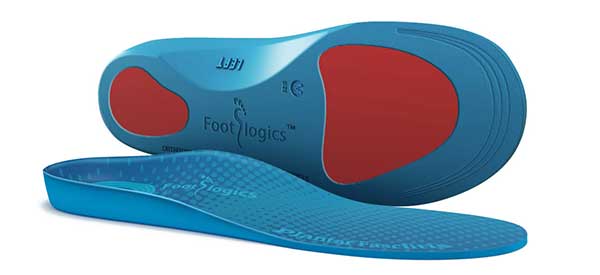
Footlogics PLANTAR FASCIITIS
For heel pain sufferers with normal to low arches (of flat feet)
SHOP NOW
$37.95
What are the best insoles for Plantar Fasciitis?
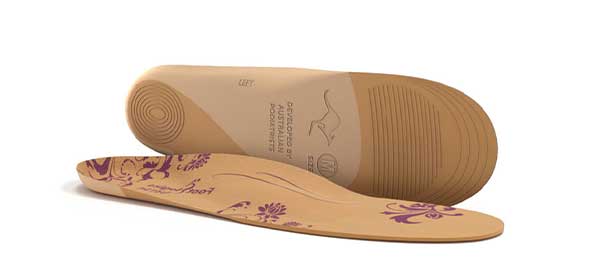
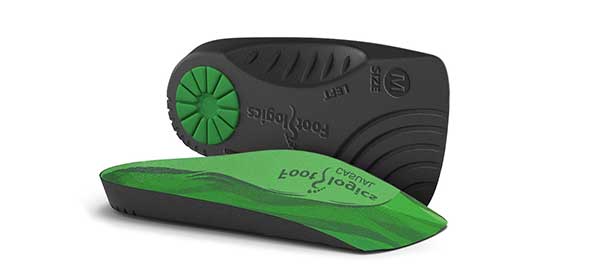
The best insoles for plantar fasciitis are orthotic insoles that combine firm arch support, a deep heel cup and effective shock absorption. Unlike soft gel inserts that simply cushion the foot, quality orthotics support the plantar fascia by reducing excessive stretching during walking and standing.
Podiatrists generally recommend orthotic insoles that:
- Support the natural arch
- Stabilise the heel
- Reduce over-pronation
- Cushion heel impact
- Redistribute pressure across the foot
- Fit comfortably inside supportive shoes
Clinical studies have shown that supportive foot orthoses can significantly reduce heel pain and improve function in people with plantar fasciitis.
Footlogics Plantar Fasciitis insoles were developed by podiatrists and physical therapists to provide all of these features while fitting comfortably inside most walking shoes, running shoes and work boots.
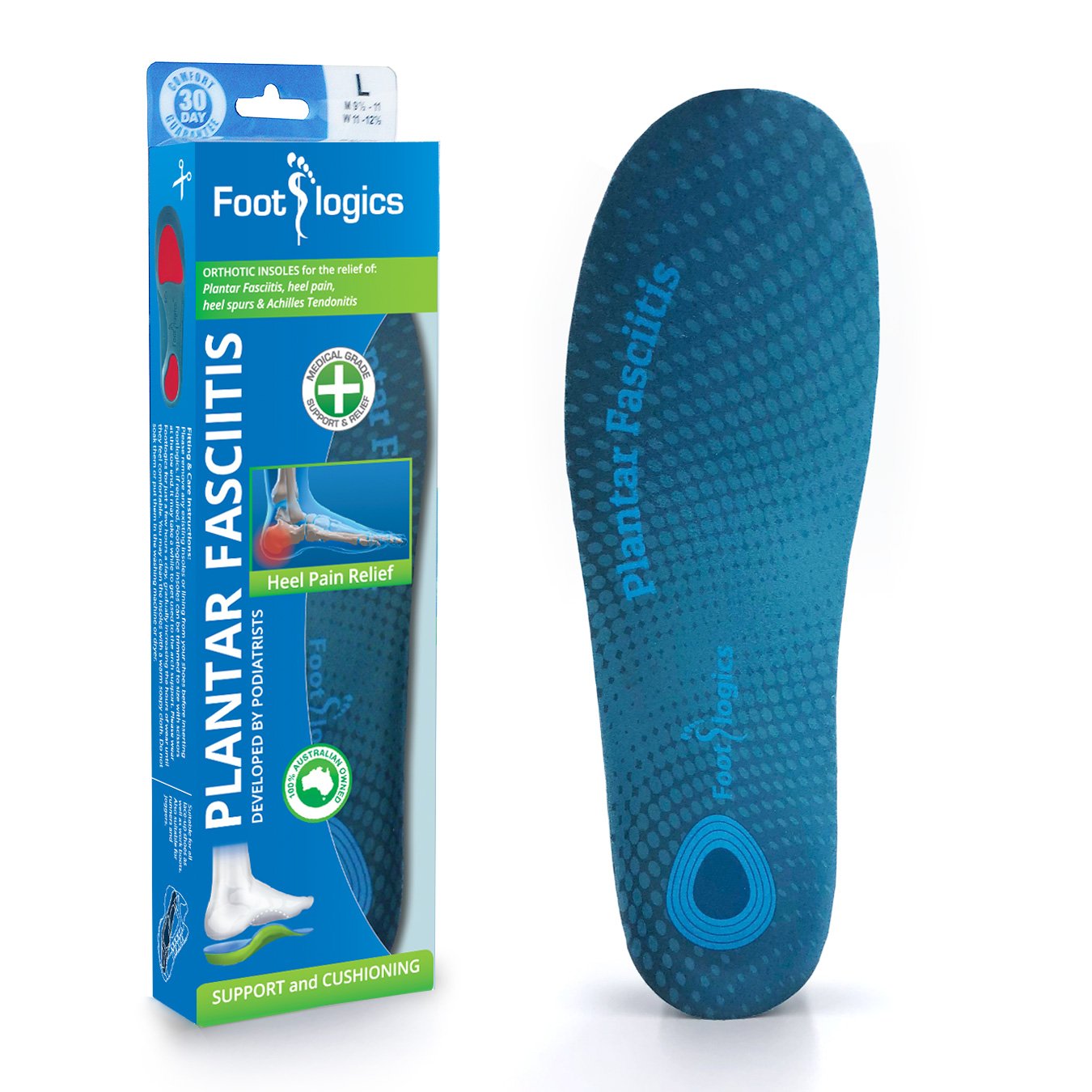
Footlogics 'Plantar Fasciitis' orthotic insoles
Our most popular insole for heel pain. TGA-approved (under ‘medical devices’) this orthotic insole features:
-
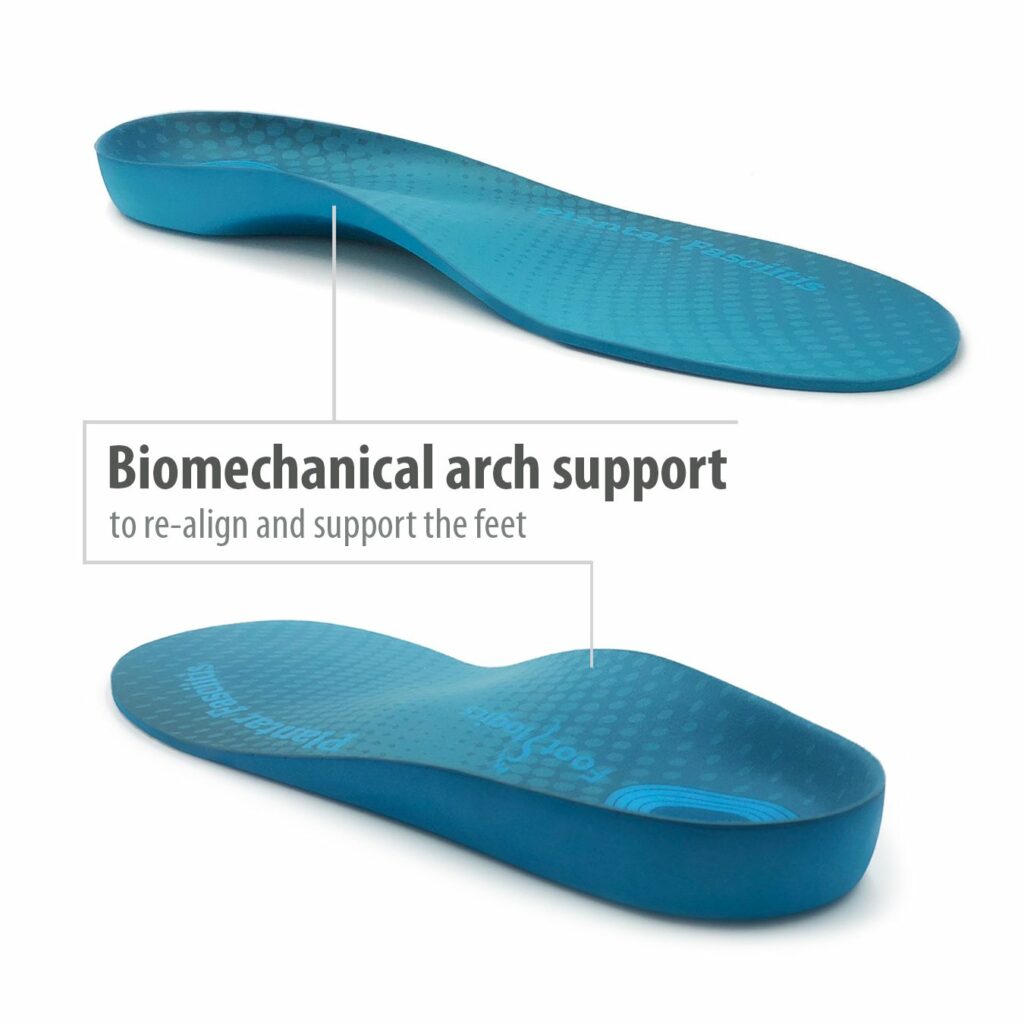
biomechanical arch support
-
shock absorbing Podflex padding under heel
-
a deep, stabilizing heel cup to re-align the foot
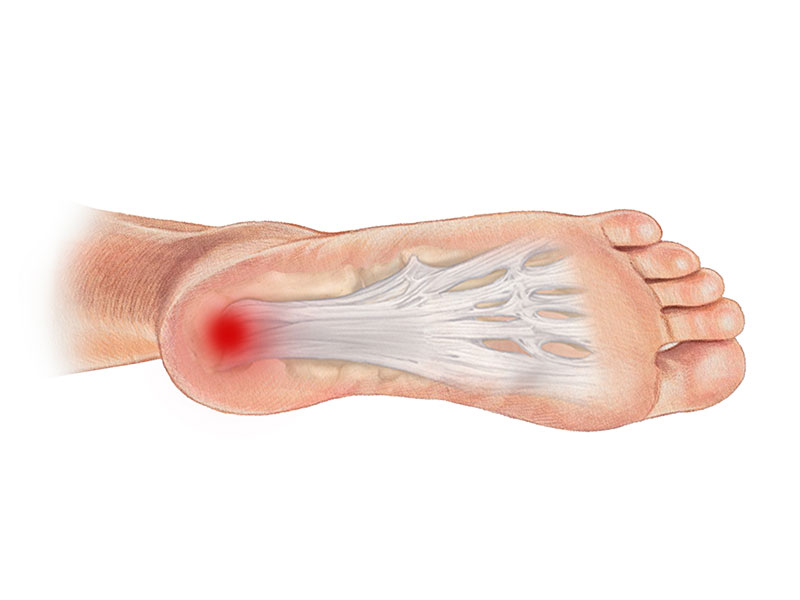
Plantar Fasciitis is caused mainly by over-stretching of the plantar fascia ligament under the foot. Inflammation occurs in the heel, where the ligament attaches to the heel bone.
By supporting the arches, Footlogics will reduce the excess tension on the plantar fascia, thereby providing natural, lasting pain relief.
You can trial our popular Plantar Fasciitis insoles RISK-FREE for 30 days! We offer FREE shipping, a solid money-back-guarantee and easy, free returns if the insole doesn’t meet your expectations.
What is Plantar Fasciitis and why arch support matters..
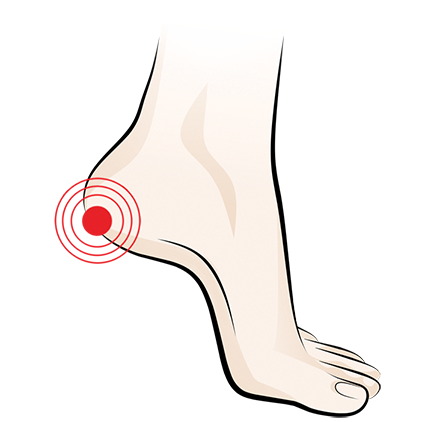
Plantar Fasciitis occurs when the plantar fascia, the strong connective tissue that extends from your heel bone to your toes, becomes inflamed or tears. This tissue is the main shock absorber in your foot and supports the arch with every stride you take. When it becomes hurt, generally from too much stress, it hurts a lot, from unpleasant to debilitating.
Adults between the ages of 40 and 70 who spend a lot of time on their feet are more likely to have this condition. Teachers, nurses, retail workers, warehouse workers, and those who run for fun are all at high risk. Plantar heel discomfort is responsible for up to 10% of running injuries and it’s a big reason why people buy plantar fasciitis insoles.
Common causes of Plantar Fasciitis
Over-pronation (excessive inward rolling of the foot during walking or running)
- Flat feet or very high arches that alter normal load distribution
- Sudden increases in training volume or intensity
- Unsupportive shoes with minimal arch structure
- Weight gain that increases load on the foot
- Long hours standing or walking on hard surfaces like concrete
Classic symptoms to recognize:
- Sharp, stabbing heel pain with your first steps in the morning
- Pain that returns after sitting for extended periods
- Tenderness near the inside of the heel
- Burning or aching sensations along the arch
What to look for in Plantar Fasciitis orthotic insoles?
A firm arch support combined with a deep heel cup does more for plantar fasciitis than soft cushioning alone. The plantar fascia is a thick band of tissue under your foot that’s become inflamed and possibly micro-torn. Simply padding it with memory foam won’t address the biomechanical problem, it needs structural support that reduces strain on the ligament itself.
By supporting the arch and stabilizing the heel, a well-fitted orthotic reduces the repetitive strain on the plantar fascia that keeps the tissue inflamed. That’s the difference between tissue that continues being aggravated with every step and tissue that’s finally given the chance to recover.
Insoles that fit well also assist relieve discomfort and tension on the ankle and foot joints, which makes them more stable. That’s the difference between tissue that continues being hurt and tissue that can genuinely recover. The best orthotics for plantar fasciitis combine these elements:
- anatomical arch support that matches your actual arch height (low, medium, or high)
- a stabilizing heel cup that cradles the heel bone and controls excessive pronation
- ahock-absorbing cushioning in the forefoot and heel strike zone
- durable materials that maintain their shape for 8-12 months of regular wear
There are many brands that manufacture “plantar fasciitis insoles”. However, Footlogics stands out for offering several distinct models designed for different arch types, acitivities and shoes rather than forcing everyone into a single product. Footlogics offers Plantar fasciitis insoles for:
- everyday sneakers and walking shoes
- work boots and work shoes for long shifts
- running shoes and court sports (including Pickleball and Tennis) that benefit from specialised tennis and pickleball orthotic insoles
- dress shoes and slim casual footwear, and orthotic-friendly supportive shoes with arch support
Key insole features to look for in Plantar Fasciitis insoles...
Not all cushioned insoles are good for plantar fasciitis. Generic foam inserts may seem comfortable at first, but they typically don’t have the structural support needed to fix the problem that is causing the discomfort. The most important thing is the mix of shape, rigidity, and tailored cushioning.
Key features to consider:
| Feature | What to look for |
|---|---|
| Arch Support | Firm, anatomical contouring matched to your arch type (low, medium, or high) – not floppy foam |
| Heel Cup | Deep, stabilizing cup that controls heel motion and reduces over-pronation |
| Metatarsal Support | Slight lift or padding to offload forefoot pressure where relevant |
| Cushioning | Dual-density or multi-layer construction that absorbs shock without collapsing over time |
| Base/Shell | Stable, non-twisting platform that provides structural integrity |
| Top Cover | Moisture-wicking, breathable fabric with odor control for all-day wear |
| Profile Options | Trim-to-fit sizing and choice between full-length and ¾-length for different footwear |
A critical point: softer is not always better. Plantar fasciitis usually requires firmness for support combined with targeted cushioning for comfort. An insole that feels pillowy but collapses under your weight won’t maintain the arch position your foot needs.
Brand-By-Brand overview: Popular insoles for Plantar Fasciitis
There are a lot of different types of plantar fasciitis insoles on the market, from cheap foam inserts to high-end modular systems that come with lifetime warranties. Here is an unbiased look at the main players:
| Brand | Best For | Arch Support Style | Price Range | Key Consideration |
|---|---|---|---|---|
| Dr. Scholl’s Plantar Fasciitis Pain Relief Insoles |
Testing whether insoles help before investing more | Foam-based cushioning with heel cups and “Shock Guard” technology | Budget (typically under $20) | Mass-market availability, but generally less durable and less structured than higher-end orthotics |
| PowerStep Pinnacle and Pinnacle Low |
Moderate overpronation in sneakers, work shoes, or casual footwear | Relatively firm arch support with a pronounced heel cradle | Mid-range | Solid durability, but limited arch height options compared to some competitors |
| Superfeet Green, All-Purpose lines |
Hikers and runners seeking maximum control | High-arch-focused, rigid support with deep heel cups and sturdy construction | Premium | Can feel too hard for sensitive feet or those new to orthotics |
| Tread Labs Pace |
Users comfortable with very firm support who want a long-term system | Modular system with extra-firm arch platforms; multiple arch heights (low, medium, high, extra-high) | Higher price point | Replaceable top covers extend lifespan; lifetime guarantee applies to the molded arch shell only, not the top covers |
| Currex RunPro Insoles |
Runners wanting a sport-specific, breathable insole | Running-focused dynamic support; available in low, medium, and high arch variants | Mid-range | Sport-specific rather than all-purpose; grippy heel cup suited for higher mileage runners |
| Footlogics Range |
Feet that don’t fit the “average” mold, or anyone needing support across multiple types of footwear | Medical-grade orthotic insoles across multiple models, not a single one-size product; options for different arch heights, shoe types, and activities | Mid-range across the full range | Options for dress shoes, work boots, sports, and everyday wear; backed by a 30-day money-back guarantee |
Dr. Scholl’s Plantar Fasciitis Pain Relief Insoles
- Mass-market availability at drugstores and online
- Foam-based cushioning with heel cups and “Shock Guard” technology
- Budget-friendly entry point (typically under $20)
- Generally less durable and less structured than higher-end orthotics
- Good for testing whether insoles help before investing more
PowerStep Pinnacle and Pinnacle Low
- Relatively firm arch support with a pronounced heel cradle
- Strong option for moderate overpronation
- Works well in sneakers, work shoes, and casual footwear
- Mid-range pricing with solid durability
- Limited arch height options compared to some competitors
Superfeet (Green, All-Purpose lines)
- High-arch-focused designs with rigid support
- Deep heel cups and sturdy construction
- Popular among hikers and runners seeking maximum control
- Can feel too hard for sensitive feet or those new to orthotics
- Premium pricing
Tread Labs Pace
- Modular system with extra-firm arch platforms
- Replaceable top covers extend lifespan
- Multiple arch heights available (low, medium, high, extra-high)
- Lifetime warranty on the arch shell
- Higher price point; best for users comfortable with very firm support
Currex RunPro Insoles
- Running-focused design with dynamic support
- Available in low, medium, and high arch variants
- Grippy heel cup suited for higher mileage runners
- Breathable and lightweight
- Sport-specific rather than all-purpose
Footlogics Range
- Medical-grade orthotic insoles across multiple models, not a single one-size product
- Mid-range pricing across the full range
- Options for different arch heights, shoe types, and activities (dress shoes, work boots, sports, everyday wear)
- Designed for feet that don’t fit the “average” mold, or anyone needing support across multiple types of footwear
The importance of heel cup design for Plantar Fasciitis relief
The shape of the heel cup in your insoles is equally as crucial as arch support when it comes to getting actual relief from plantar fasciitis discomfort. Whether you have flat feet or high arches and are having trouble with heel discomfort, a well-made, deep heel cup can make a big difference. The heel cup’s major duty is to hold the heel bone in place and maintain it aligned with every stride.
This stability allows the plantar fascia, which is a thick band of tissue that typically gets irritated in plantar fasciitis, not get as much stress. Deep heel cups in plantar fasciitis insoles help by stopping too much side-to-side movement and cushioning shock when the heel hits the ground. This is very important for lowering the strain on the plantar fascia and stopping further discomfort or micro-tearing. Insoles with a supporting heel cup may make a big difference in how comfortable and supported you feel all day, no matter what kind of shoes you wear, whether running shoes, dress shoes, or work boots.
Currex RunPro, PowerStep and Footlogics plantar fasciitis insoles are three of the best kinds because they have deep heel cups that give targeted support and help ease discomfort by spreading pressure more evenly over the foot. These insoles also have characteristics like shock absorption and odor control to keep your feet comfy and fresh even after using them for a long time. For example, Superfeet insoles have a unique heel cup shape and are made of breathable fabric and memory foam to provide you more cushioning and stability. When picking insoles for plantar fasciitis, be sure to think about how the heel cup will fit your arch type and shoe size.
A heel cup that fits well not only supports the heel, but it also lowers the chance of getting heel spurs and other problems that might happen with plantar fasciitis. Find insoles that support your feet all day, ease the stress on the plantar fascia, and fit the shoes you wear most often, whether they are athletic shoes, work boots, or slender dress shoes.
Along with a deep heel cup, plantar fasciitis insoles work better when they have anatomical arch supports, shock-absorbing foam, and fabric that lets air in and doesn’t smell. You may locate insoles that not only cure pain but also help keep you comfortable and active no matter where your day takes you by focusing on the shape of the heel cup and these other aspects.
Why a range matters: Footlogics Plantar Fasciitis orthotic insoles explained...
Here’s the problem with one-size-fits-most insoles: real patients vary widely. Someone with flat feet needs different support than someone with high arches. A slim dress shoe can’t accommodate the same thick insole that fits easily in a work boot. A recreational runner puts different demands on a plantar fasciitis insole than someone standing on concrete for 10-hour shifts. Footlogics has been designing orthotic insoles since the mid-2000s, working directly with podiatrists and physical therapists to develop their product line. They ship internationally with free USA shipping and back their products with a 30-day money-back guarantee, enough time to genuinely test whether a particular insole works for your foot.
Which Footlogics Insole Is Right for Your Plantar Fasciitis?
The right insole depends less on brand and more on three things: your arch height, the shoes you wear most, and how active you are. Here’s how to match your situation to the right option:
Low to normal arches, everyday wear: Footlogics Plantar Fasciitis is the starting point for most people, an all-day orthotic built for work, walking, and general use, with firm arch support and a deep heel cup to reduce the strain that leads to heel pain in the first place.
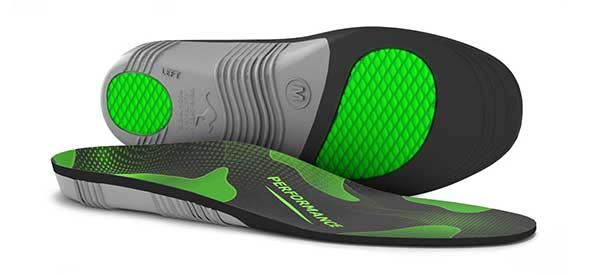
High arches or supination: Footlogics Performance is shaped specifically for a higher arch profile, since a standard-arch insole can leave a high-arched foot without enough contact support, actually increasing strain rather than relieving it.
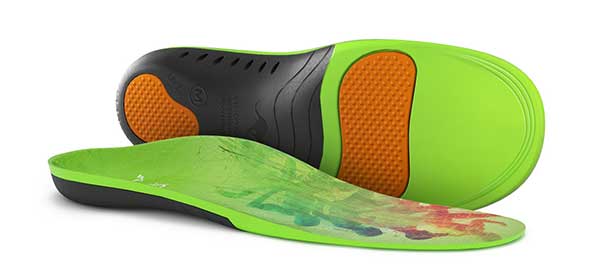
Runners, hikers, and active sports: Footlogics Sports adds extra shock-absorbing cushioning under the heel and forefoot on top of the same structural arch support, built for the repeated impact of running, hiking, or field sports.
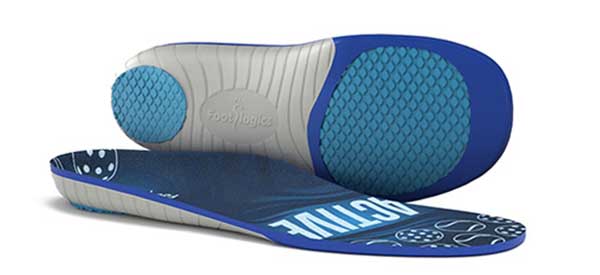
Court sports (pickleball, tennis): Footlogics Active is purpose-built for lateral movement, with medial and lateral flanges that stabilize the foot through the quick side-to-side motion these sports demand.
Dress shoes, flats, or low-volume footwear: Footlogics Versa is designed to fit into shoes with limited internal room, so you’re not stuck choosing between supportive footwear and dressing the way you want to.
Slip-on shoes without laces: Footlogics Casual is a 3/4-length design that fits securely in loafers and slip-ons where a full-length insole would shift or bunch.
Plantar Fasciitis treatment options
Read the complete treatment guide here. Find out more about these topics:
- Nights splints
- Acupuncture, cortisone injections and shockwave therapy
- Compression socks
- Taping/strapping
- Surgery
Read more about how long it takes for Plantar Fasciitis to heal..
Frequently asked questions about plantar fasciitis orthotic insoles
1. How quickly can insoles relieve plantar fasciitis pain?
Some people experience noticeable improvement within a few days as the firm arch support and deep heel cup begin reducing pressure on the inflamed plantar fascia. However, most people need three to six weeks of consistent use combined with calf stretching for lasting relief. The insoles work by redistributing strain away from damaged tissue, allowing the body time to heal while you continue standing and walking normally.
2. Are firm or soft insoles better for plantar fasciitis?
Firm insoles with moderate cushioning outperform very soft gel products for plantar fasciitis. A rigid arch platform and deep heel cup provide structural support that controls overpronation and maintains proper alignment through your ankle and knee. Ultra-soft inserts flatten under body weight and fail to reduce strain on the plantar fascia. Look for shock absorption in the heel and forefoot paired with a supportive shell for the best results.
3. Can I wear plantar fasciitis orthotic insoles all day?
Yes, but build up gradually over three to seven days to let your feet and calves adapt to the new support. After this break-in period, aim for all day wear in every shoe you use regularly—work boots, running shoes, dress shoes, and athletic shoes. Consistent use prevents the recurring heel pain and foot pain flare-ups that happen when switching between supported and unsupported footwear throughout the day.
4. Do I still need insoles if my shoes are “supportive”?
Even quality footwear often lacks targeted heel support and arch support designed specifically for plantar fasciitis orthotics. Factory sock liners rarely provide the firm arch support, deep heel cup, or shock guard technology needed to correct overpronation and stabilize the arch area. Adding orthotic inserts to your existing shoes significantly improves stability and helps maintain a neutral position during the gait cycle, reducing discomfort even in well-made sneakers.
5. Will insoles cure my plantar fasciitis permanently?
Insoles for plantar fasciitis treat the mechanical cause by reducing pressure on inflamed tissue and correcting poor footwear alignment, but they don’t provide a permanent cure. Left untreated, plantar fasciitis often becomes chronic. With consistent use of arch support insoles, stretching, and avoiding barefoot walking on hard floors, you can manage the condition effectively. Ongoing support and good foot care habits remain essential to prevent recurrence and maintain pain relief long-term.
6. How do i know which arch height I need?
Assess your arch type using a wet footprint test: flat feet leave a full print, high arches show a narrow curve with a gap, and neutral arches fall between. If you have flat feet, look for insoles with firm medial posting. High arches benefit from higher-profile support around fifteen to twenty-five millimetres. When unsure, start with a moderate arch height or consult a podiatrist for personal experience guidance on your specific shoe size and foot structure. For heel pain in high arches we recommend the Footlogics Performance plantar insole.
7. When should I replace my plantar fasciitis insoles?
Replace your arch support insoles every nine to twelve months if you wear them daily for eight or more hours in work shoes or during high-impact activities. Signs that replacement is needed include visible compression of the arch, worn top cover material, or the return of inflammation and discomfort. Most insoles lose approximately twenty percent of their support over time. Tread labs and other insoles show similar wear patterns, so monitor fit comfortably and ball of foot pressure regularly.
8. Can children with heel pain use plantar fasciitis orthotics?
Yes, paediatric orthotic insoles exist specifically for growth-related heel pain conditions like Sever’s disease, which shares similarities with plantar fasciitis in adults. Footlogics offers kids’ models with scaled-down arch profiles designed for developing feet. These provide the same biomechanical correction—supporting the arch, cradling the heel bone, and improving lower-limb alignment—while accommodating the unique needs of children’s footwear and activity levels during school and sports.
9. Can plantar fasciitis heal without orthotic insoles?
Yes, plantar fasciitis can heal without orthotic insoles, but recovery is often slower and symptoms may return if the underlying cause is not addressed. Orthotic insoles help by supporting the arch, improving foot alignment and reducing strain on the plantar fascia with every step. They are most effective when combined with stretching exercises, supportive footwear and activity modification.
10. Should I wear plantar fasciitis insoles in both shoes?
Yes. Orthotic insoles should almost always be worn in both shoes, even if only one foot is painful. Supporting both feet helps maintain proper body alignment, improves balance and reduces uneven loading on the ankles, knees, hips and lower back. Wearing only one orthotic may create an imbalance during walking.
11. Can plantar fasciitis orthotics help with heel spurs?
Yes. Although heel spurs themselves do not always cause pain, they are commonly associated with plantar fasciitis. Orthotic insoles help by supporting the arch, cushioning the heel and reducing tension on the plantar fascia where it attaches to the heel bone. This can significantly reduce heel pain and improve walking comfort.
12. What shoes should I wear with plantar fasciitis orthotic insoles?
The best shoes for orthotic insoles have a removable insole, a firm heel counter, adequate depth and good overall stability. Running shoes, walking shoes and supportive casual shoes are usually excellent choices. Shoes that are excessively flexible, unsupportive or completely flat may reduce the effectiveness of your orthotic insoles.
13. Can plantar fasciitis come back?
Yes. Plantar fasciitis can return if the underlying cause is not addressed. Common reasons include wearing unsupportive shoes, walking barefoot on hard floors, gaining weight, suddenly increasing activity or stopping the use of supportive orthotics too soon. The good news is that recurrence can often be prevented by continuing to wear supportive footwear, replacing worn-out orthotics when needed, stretching the calf muscles regularly and gradually increasing exercise intensity.
14. Why is heel pain worse in the morning?
Heel pain is often worst during the first few steps after getting out of bed because the plantar fascia tightens overnight while you sleep. As you begin walking, the ligament is suddenly stretched, causing sharp pain near the heel. This “first-step pain” is one of the classic symptoms of plantar fasciitis. Gentle stretching before getting out of bed and wearing supportive orthotics throughout the day can help reduce morning pain over time.
15. How long should I wear orthotics each day?
Most people should gradually increase their wearing time over the first week. Start with one to two hours on the first day and add another hour or two each day until you can comfortably wear them all day. Once your feet have adapted, orthotics are designed to be worn whenever you are standing, walking or exercising. Consistent daily use generally provides the greatest long-term benefit.
16. Do I need orthotics in both shoes?
Yes. Orthotics are normally worn in both shoes, even if only one foot is painful. Supporting both feet helps maintain proper alignment throughout the body and prevents uneven loading of the ankles, knees, hips and lower back. Wearing an orthotic in only one shoe may create an imbalance that can lead to discomfort elsewhere. If your healthcare professional recommends a different approach, always follow their advice.
17. Should I walk barefoot at home?
If you have plantar fasciitis, walking barefoot on hard surfaces is generally not recommended. Without proper arch support, the plantar fascia experiences greater strain, particularly on tile, timber or concrete floors. Instead, wear supportive slippers, recovery sandals or shoes with good arch support around the house. Reducing barefoot walking is one of the simplest ways to minimise irritation while the plantar fascia heals.
18. Can orthotics help heel spurs?
Yes. Orthotic insoles can help relieve the pain associated with heel spurs by reducing tension on the plantar fascia and cushioning the heel during walking. Although orthotics do not remove the bony spur itself, many heel spurs are painless—the discomfort usually comes from inflammation of the surrounding soft tissues. By improving foot alignment and redistributing pressure, orthotics often reduce symptoms and improve comfort during daily activities.
19. Do compression socks help plantar fasciitis?
Compression socks may help reduce swelling, improve circulation and provide mild support, particularly during long periods of standing or travel. However, they do not correct the underlying biomechanical causes of plantar fasciitis. For most people, compression socks work best when used alongside supportive footwear, orthotic insoles, calf stretching and appropriate activity modification rather than as a stand-alone treatment.
20. How often should orthotics be replaced?
Quality over-the-counter orthotic insoles typically last between 12 and 24 months, depending on your body weight, activity level and how often they are worn. If the arch support becomes flattened, the cushioning wears out or your foot pain begins to return, it is usually time for a replacement. Inspect your orthotics regularly for signs of wear and replace them before they lose their supportive function.
21. Can I exercise with plantar fasciitis?
Yes, but it is important to choose low-impact activities while your heel is painful. Cycling, swimming and rowing usually place less strain on the plantar fascia than running or jumping sports. If you continue walking or playing sport, supportive shoes and orthotic insoles can help reduce stress on the plantar fascia. As symptoms improve, you can gradually return to higher-impact activities under the guidance of your healthcare professional.
Here are 4 research papers supporting the use of arch support insoles (orthotics) for the treatment of plantar fasciitis. These studies are frequently seen in podiatry, physical therapy, and sports medicine journals.
1. Effectiveness of Foot Orthoses to Treat Plantar Fasciitis: A Randomized Trial
Landorf KB, Keenan AM, Herbert RD.
Archives of Internal Medicine. 2006;166(12):1305–1310.
This randomized controlled trial published in the Archives of Internal Medicine found that supportive orthotic insoles produced meaningful improvements in foot function and reductions in heel pain among people with plantar fasciitis, with over-the-counter orthotics performing comparably to custom-made devices.(PubMed)
2. Foot Orthoses for Plantar Heel Pain: A Systematic Review and Meta-analysis
Whittaker GA, Munteanu SE, Menz HB, et al.
British Journal of Sports Medicine. 2018;52:322–328.
Study Design
- Systematic review and meta-analysis
- 19 randomized controlled trials
- More than 1,600 participants
Key Findings
- Moderate-quality evidence showed orthotic arch support insoles reduced pain better than placebo orthoses over the medium term (7–12 weeks).
- Orthoses also improved foot function in many patients.
- Benefits were greatest when orthoses formed part of a comprehensive treatment plan, including exercises etc
Conclusion: Arch support insoles are show evidence for reducing plantar heel pain over the medium term. (PubMed)
3. Custom Foot Orthotics Improve First-Step Pain in Individuals with Unilateral Plantar Fasciopathy
Bishop C, Thewlis D, Hillier S.
BMC Musculoskeletal Disorders. 2018.
Study Design
- Randomized controlled trial
- 60 participants
- Compared:
- Custom orthoses + new shoes
- Sham insoles + new shoes
- Sham insoles + existing shoes
Key Findings
- Custom orthoses significantly reduced the characteristic “first-step pain” experienced in the morning.
- Ultrasound imaging also showed a reduction in plantar fascia thickness.
- Participants reported improved comfort and function after 12 weeks.
Conclusions: Custom orthoses can reduce both pain and signs of plantar fascia inflammation, particularly when combined with appropriate footwear. (PMC)
4. Foot Orthoses for the Treatment of Plantar Fasciitis
Roos E, Engström M, Söderberg B.
Foot & Ankle International. 2006.
Study Design
- Prospective randomized trial
- Compared:
- Foot orthoses
- Night splints
- Combination of orthoses and night splints
- One-year follow-up
Key Findings
- All groups improved over time.
- Patients using orthoses experienced greater long-term pain reduction than those using night splints alone.
- Orthoses had better patient compliance and fewer side effects.
Conclusion: Foot orthotics are a well-tolerated, effective long-term treatment option and may provide greater sustained pain relief than night splints alone. (PubMed)
Overall Evidence
Across randomized controlled trials and systematic reviews, the evidence consistently shows that foot orthoses can:
- Reduce heel pain associated with plantar fasciitis.
- Improve walking comfort and foot function.
- Reduce strain on the plantar fascia by supporting the medial longitudinal arch.
- Be effective as part of a conservative treatment program alongside stretching, strengthening exercises, and appropriate footwear.
Current evidence also suggests that high-quality prefabricated orthoses can provide outcomes comparable to custom-made orthoses for many patients, making them a practical and cost-effective first-line treatment. (PubMed)
Article reviewed by Dr Hannes Steyn – Orthotist & Prosthesist
Owner of Hannes Steyn Orthopaedics
Bio: 15 years of experience as Medical Orthotist and Prosthetist at the Western Cape Department of Health.