Common Foot Complaints: Causes, Symptoms and Treatment Options
Foot pain can affect almost every aspect of daily life, from walking and exercising to standing comfortably at work. Whether you’re experiencing heel pain, aching arches, forefoot discomfort or problems associated with foot alignment, understanding the underlying cause is an important first step toward finding relief.
Explore our guides to common foot complaints, including plantar fasciitis, Achilles tendonitis, heel spurs, Morton’s neuroma, flat feet and other conditions. Each guide explains the symptoms, possible causes and available treatment options, including when supportive footwear or orthotic insoles may be helpful. You’ll also find links to more detailed treatment and rehabilitation articles as we expand our Footlogics foot-health library.
1. Plantar Fasciitis
Plantar fasciitis is one of the most common causes of heel pain, often producing a sharp, stabbing sensation during the first steps in the morning or after sitting for an extended period. The condition affects the plantar fascia, a strong band of connective tissue running along the underside of the foot. Repetitive strain, prolonged standing, changes in activity and foot mechanics can all contribute to symptoms.
Treatment commonly includes stretching, strengthening exercises, activity modification and supportive footwear. Orthotic insoles may help reduce discomfort by supporting the arch and redistributing pressure beneath the foot.
Learn more: Plantar Fasciitis and Orthotic Insoles.
2. Bunions (Hallux Valgus)
A bunion, medically known as hallux valgus, is a deformity of the big toe joint that causes the big toe to gradually angle toward the smaller toes. This creates a noticeable bump on the inside of the foot, which may become painful or irritated by footwear. Bunions can be influenced by inherited foot structure, joint mechanics and shoe pressure.
Wearing shoes with a wide toe box, avoiding excessive pressure on the joint and using protective padding may improve comfort. Orthotic insoles can sometimes help manage associated foot discomfort, although they cannot reverse the bunion deformity. Persistent pain may require assessment by a podiatrist.
3. Tired, Aching and Sensitive Feet
Tired, aching feet are particularly common among people who spend long hours standing or walking, including nurses, teachers, retail workers and warehouse employees. Discomfort may develop from repetitive loading, inadequate cushioning, poorly fitting footwear or underlying foot conditions. Some people also experience burning, tingling or unusual sensitivity, which can indicate nerve-related problems.
Comfortable, properly fitted shoes, appropriate cushioning, regular movement breaks and supportive insoles may help reduce everyday foot fatigue. However, persistent numbness, burning or loss of sensation should be assessed by a healthcare professional rather than treated as ordinary tiredness.
4. Heel Spurs
Heel spurs are bony projections that develop on the heel bone, often in association with long-term mechanical stress. They are commonly identified on X-rays, but many heel spurs cause no pain at all. When heel pain occurs, the discomfort may instead be related to plantar fasciitis or another condition affecting the surrounding tissues.
Treatment depends on the actual source of pain and may include calf and plantar fascia stretching, strengthening exercises, activity modification and supportive footwear. Cushioned heel cups and orthotic insoles can help some people manage discomfort, although they do not remove the spur.
Learn more: Heel Spurs and Orthotic Insoles.
5. Shin Splints and Shin Pain
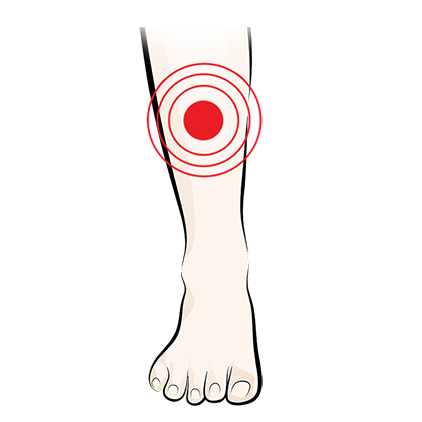
Shin splints, also known as medial tibial stress syndrome, commonly cause aching or tenderness along the inner edge of the shinbone. The condition frequently affects runners, dancers and athletes who repeatedly load their lower legs. Sudden increases in training intensity, inadequate recovery and individual movement patterns may contribute to symptoms.
Treatment generally involves temporarily reducing aggravating activities, gradually rebuilding strength and returning to exercise in a controlled manner. Appropriate footwear and orthotic insoles may help selected individuals, particularly when foot mechanics contribute to discomfort. Persistent or localized shin pain should be assessed to exclude a bone stress injury.
Learn more: Shin Splints, Shin Pain and Orthotic Support.
6. Fallen Arches, Flat Feet and Overpronation
Flat feet occur when the arch of the foot is low or makes substantial contact with the ground during standing. Overpronation describes excessive or prolonged inward rolling of the foot during walking or running. Although these conditions can occur together, they are not identical, and many people with flat feet experience no pain.
When symptoms develop, they may include aching arches, foot fatigue or discomfort around the ankles. Supportive footwear, strengthening exercises and orthotic insoles can help improve comfort in selected cases. New or worsening flattening of one foot, particularly when painful, should be professionally assessed.
Learn more: Flat Feet and Orthotic Insoles.
7. Knee Pain
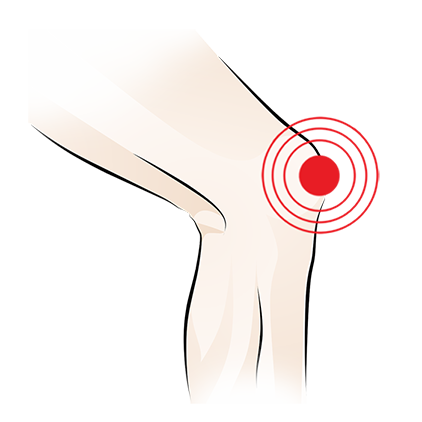
Knee pain can arise from a wide range of conditions, including overuse injuries, patellofemoral pain, osteoarthritis and problems involving the muscles, ligaments or tendons around the joint. Symptoms may include aching, stiffness, swelling or discomfort when walking, climbing stairs or exercising.
Because the feet, ankles and knees work together during movement, foot mechanics can sometimes influence how forces are distributed through the lower limbs. Appropriate exercises, footwear adjustments and orthotic insoles may help certain types of knee pain, although the benefits depend on the underlying diagnosis. Persistent swelling, instability or locking requires medical assessment.
Learn more: Knee Pain and Orthotic Support.
8. Achilles Tendonitis (Achilles Tendinopathy)
Achilles tendonitis, often called Achilles tendinopathy, causes pain, stiffness or tenderness in the strong tendon connecting the calf muscles to the heel bone. Symptoms commonly develop after repeated running, jumping or sudden increases in physical activity. Pain may occur in the middle of the tendon or where it attaches to the heel, and these locations can require different rehabilitation approaches.
Progressive calf strengthening is a cornerstone of treatment, supported by appropriate activity modification. Footwear adjustments and temporary heel lifts may also improve comfort for some people.
Explore our guides:
9. Lower Back Pain
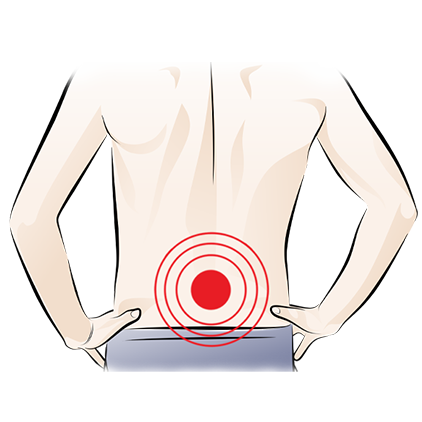
Lower back pain is extremely common and can result from muscle strain, prolonged sitting, repetitive lifting, age-related changes or other conditions affecting the spine. Symptoms range from mild stiffness to persistent discomfort that interferes with walking, standing and everyday activities.
Although lower back pain is rarely caused by foot mechanics alone, the feet and lower limbs form part of the body’s movement system. In selected individuals, footwear adjustments or orthotic insoles may contribute to improved comfort, but they are not an established treatment for most causes of lower back pain. Staying appropriately active, exercise therapy and professional assessment are often more important.
Learn more: Lower Back Pain and Orthotic Support.
10. Children's Heel Pain (Sever's Disease)
Sever’s disease, medically known as calcaneal apophysitis, is a common cause of heel pain in active children and adolescents. It occurs when repetitive stress irritates the developing growth plate at the back of the heel bone. Young athletes involved in soccer, basketball, gymnastics and running sports may be particularly susceptible during periods of rapid growth.
Treatment typically includes temporarily reducing painful activities, calf stretching where appropriate, supportive footwear and sometimes cushioned heel cups or inserts. Sever’s disease is different from Achilles tendonitis and usually improves as the growth plate matures. Persistent or unusual heel pain should be evaluated by a healthcare professional.
Learn more: Children’s Heel Pain and Sever’s Disease.
11. Morton's Neuroma
Morton’s neuroma is a painful condition affecting a nerve in the forefoot, most commonly between the third and fourth toes. It can cause burning pain, tingling, numbness or the sensation of standing on a small pebble inside your shoe. Symptoms may worsen when wearing narrow footwear or during activities that place repeated pressure on the ball of the foot.
Treatment often begins with shoes that provide adequate toe room, reducing aggravating activities and using metatarsal pads or appropriately designed orthotic insoles to redistribute pressure. Persistent symptoms may require further treatment from a podiatrist or other healthcare professional.
Learn more: Morton’s Neuroma and Orthotic Insoles.
12. Diabetic Foot Problems
Diabetes can affect the nerves and blood vessels supplying the feet, increasing the risk of reduced sensation, poor circulation, skin damage and foot ulcers. Diabetic peripheral neuropathy may cause numbness, tingling or burning sensations, while reduced protective sensation can allow minor injuries to go unnoticed.
Daily foot inspections, appropriate footwear, regular professional foot examinations and good diabetes management are essential for reducing complications. Specially selected therapeutic footwear and pressure-relieving insoles may be recommended for people at increased risk, but the correct choice depends on individual medical needs. Any new wound, redness, swelling or suspected infection requires prompt medical attention.
Learn more: Diabetic Foot Care and Orthotic Insoles.
13. Metatarsalgia (Ball of Foot Pain)
Metatarsalgia is a general term for pain affecting the ball of the foot, particularly beneath the metatarsal heads. Symptoms may include aching, burning or tenderness that becomes worse during walking, running or prolonged standing. Common contributing factors include repetitive forefoot loading, poorly fitting shoes and certain foot shapes or mechanical problems.
Treatment depends on the cause and may include reducing aggravating activities, choosing footwear with adequate cushioning and using metatarsal pads or orthotic insoles to redistribute pressure. Persistent pain should be assessed to exclude other conditions such as stress fractures or nerve irritation.
Learn more: Metatarsalgia and Ball of Foot Pain.
14. High Arches (Pes Cavus) and Supination
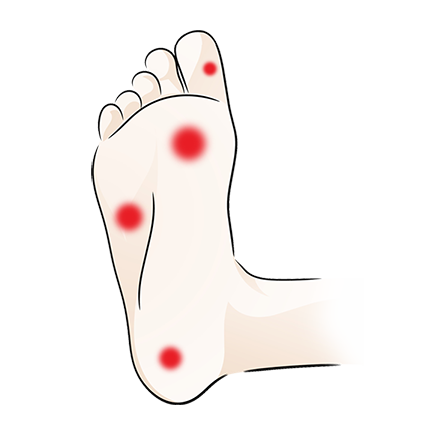
High arches, medically known as pes cavus, occur when the arch of the foot is unusually elevated. Some people with high arches experience no symptoms, while others develop concentrated pressure beneath the heel and ball of the foot, foot fatigue, calluses or ankle instability. Supination describes an outward rolling movement of the foot and may be associated with certain high-arched foot types.
Treatment may include supportive footwear, appropriate cushioning, strengthening exercises and orthotic insoles designed to distribute pressure more comfortably. New or progressively worsening high arches, especially when accompanied by weakness or balance problems, should be medically assessed.