Orthotics for metatarsalgia
Footlogics offers premium orthotic insoles developed by Podiatrists to relieve ball of foot pain. FREE shipping plus a solid 30-day Money-Back-Guarantee.
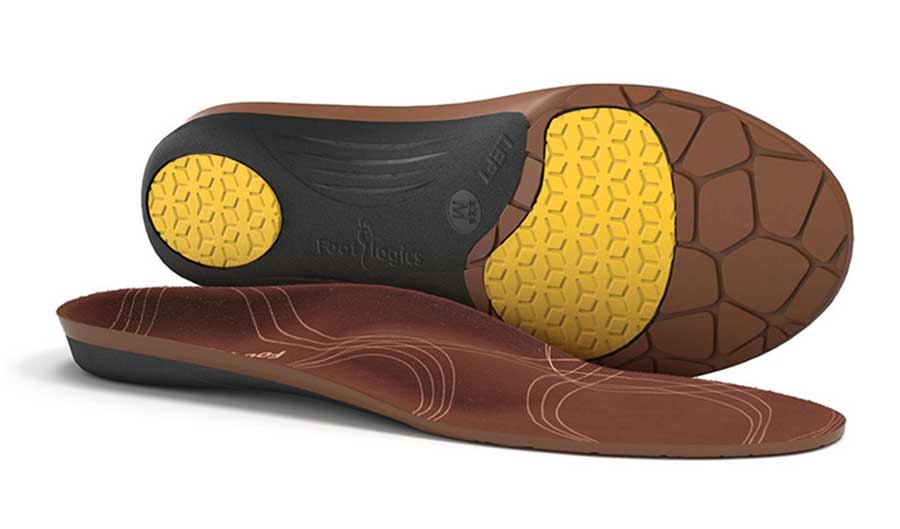
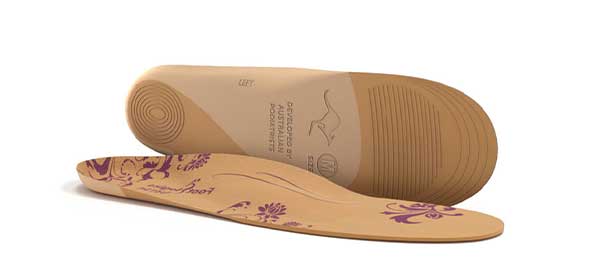
Footlogics META PREMIUM
For regular lace-up shoes. Features 0.5 inches of extra cushioning under the ball of the foot + firm nylon shell for added support and durability.
SHOP NOW
$44.95
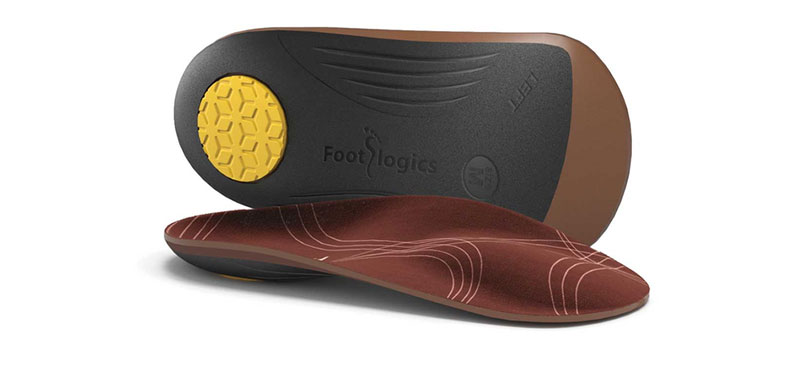
Footlogics 3/4 META PRO
3/4 length premium insole for slip-on shoes. Firm nylon shell for extra support and durability.
SHOP NOW
$39.95
What is Metatarsalgia?
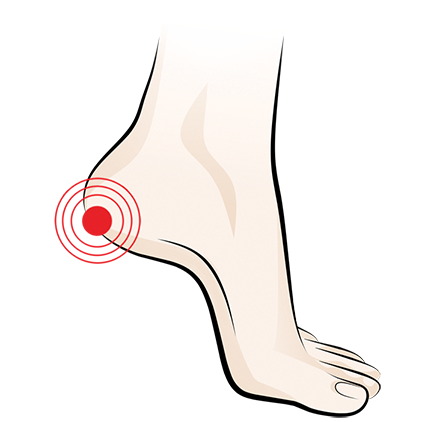
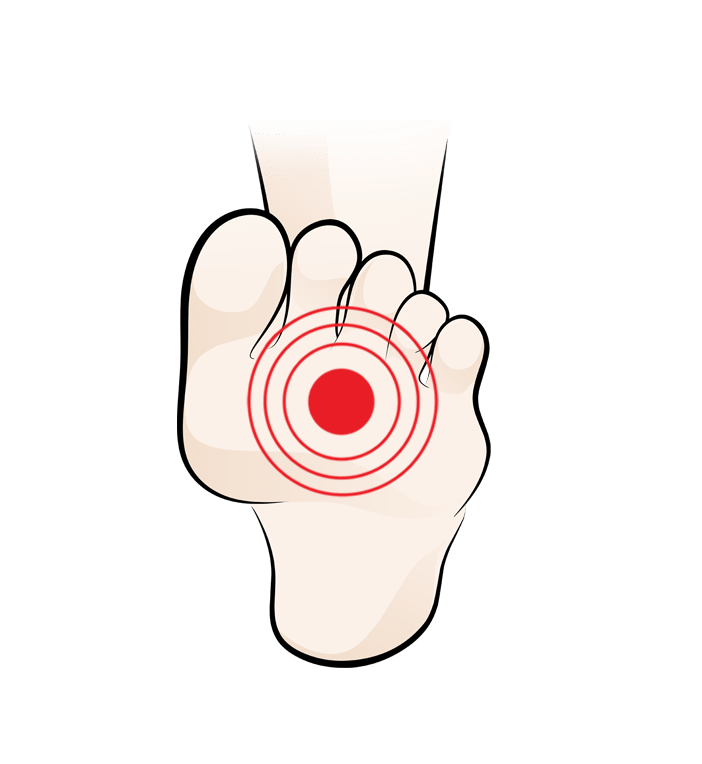
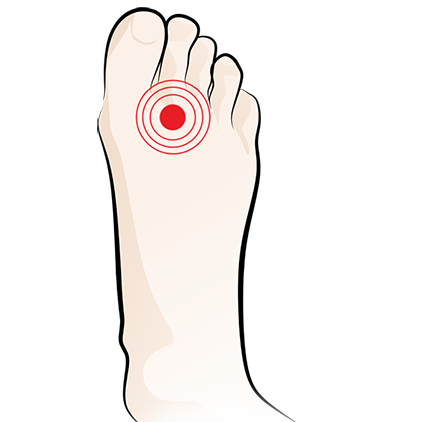
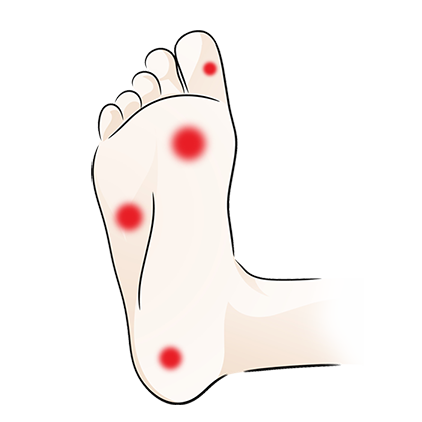
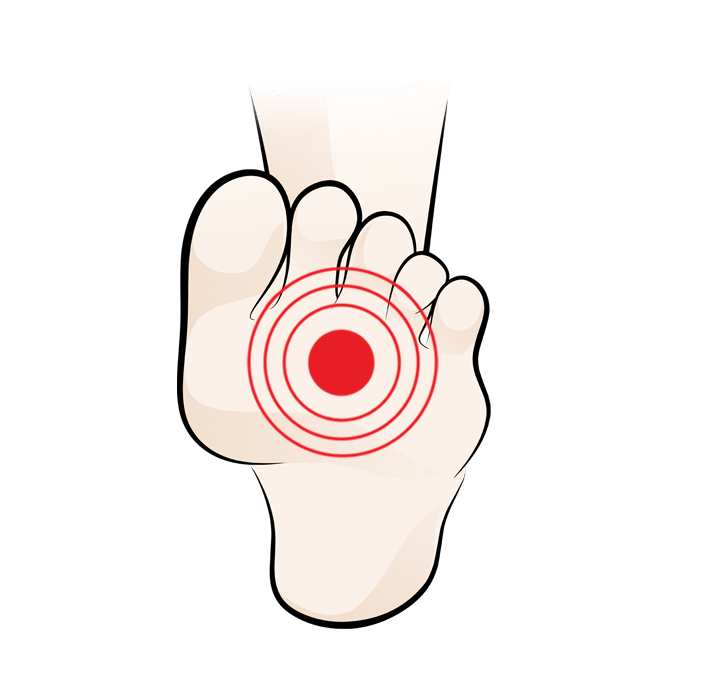
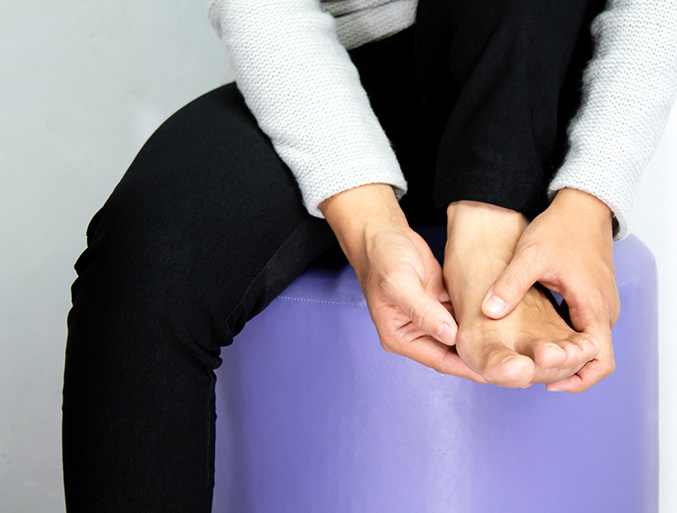
Metatarsalgia is a common foot problem that causes pain and swelling in the ball of the foot, which is the area right beyond the toes where the metatarsal bones support most of the body’s weight. People who have Metatarsalgia typically state that the pain feels like a burning feeling that worsens when they stand for a while, after long walks, or after running. Sometimes, the pain is described as if there is a pebble inside the shoe.
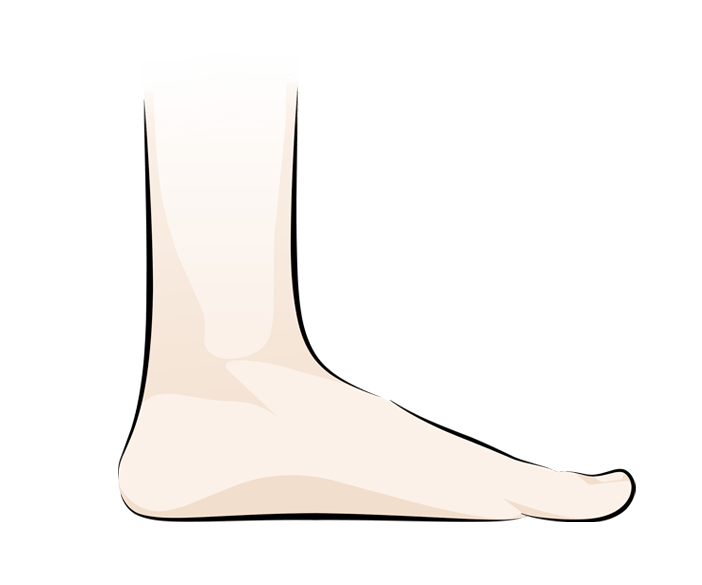
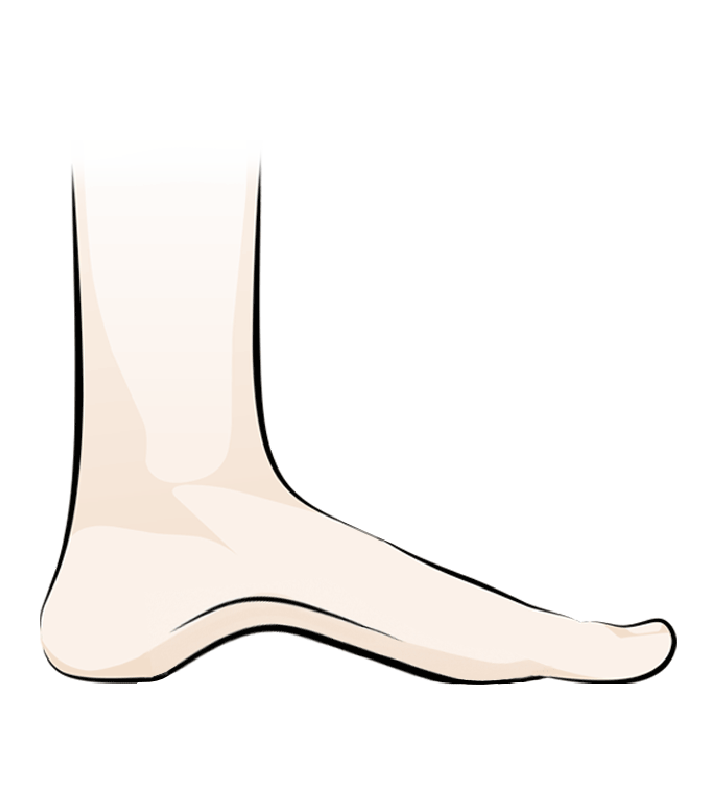
Metatarsalgia is caused by the collapsing of the ‘transverse arch’ of the foot. This arch runs across the forefoot and is formed by the 5 metatarsal bones. They are much like the fingers in your hand. Due to age, being overweight, muscle weakness or tight-fitting shoes with heels the transverse arch lowers substantially (or it will collapse), in turn putting excess pressure on the ball of the foot.
Orthotic Insoles for Ball of Foot Pain
Orthotic insoles can help with both the symptoms and the causes of metatarsalgia. Well-made orthotics can assist by reducing excess pressure on the ball of the foot and spread body weight more evenly over the entire plantar surface of the foot. Metatarsal pads may cushion the pressure on the balls of the feet, however they don’t provide adequate biomechanical correction, like a proper orthotic device does.
At Footlogics we understand how foot problems can impact our customers’ overall wellbeing, not just now but well into the future. This is why our team of foot specialists has developed a range of Metatarsalgia insoles that will help bring relief to pain located in the ball of the foot, by addressing the cause of this common foot problem. You can choose from a selection of Metatarsalgia orthotics to accommodate different types of footwear and/or activities.
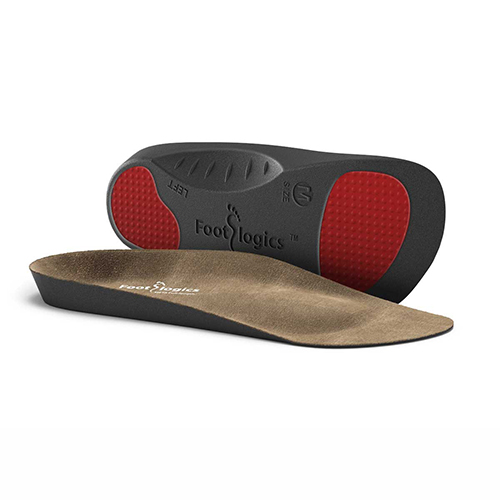
Footlogics Metatarsalgia
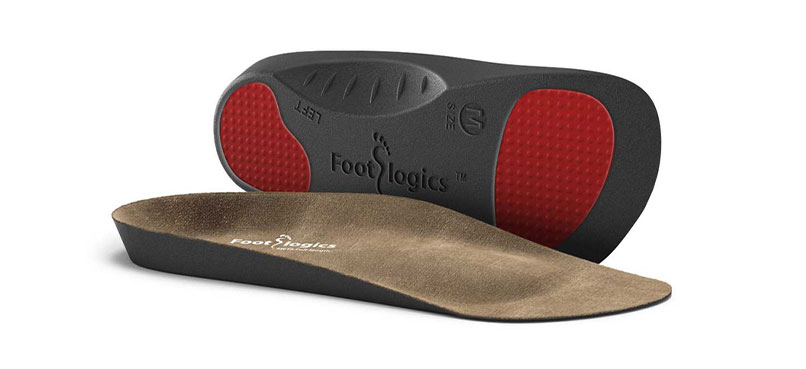
These 3/4 length orthotics have a built-in metatarsal raise to lift the metatarsal bones and support the transverse arch. This will greatly reduce the pressure on the ball of the foot and provide long-term relief. The 3/4 length means it can fit into most type of slip-on shoes with little room in the forefoot.
Our metatarsalgia insoles provide maximum support and comfort and are designed to last, to keep your feet happy and healthy.
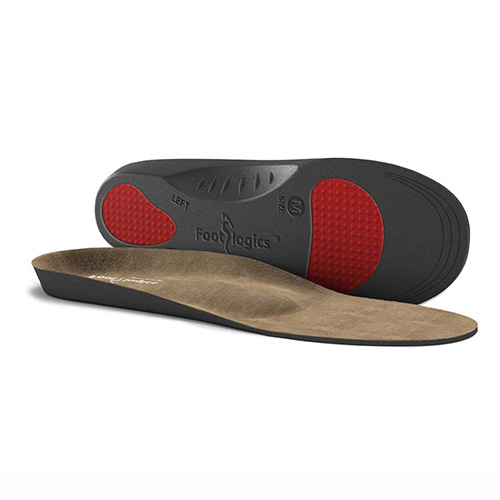
Footlogics Meta Full-length
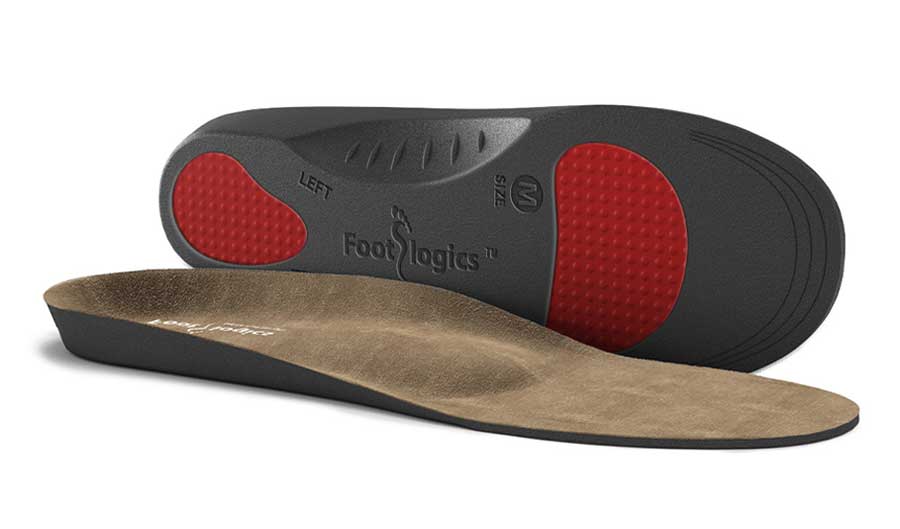
The Full-length Meta is very similar to our Metatarsalgia insole. It features a prominent metatarsal raise to lift the transverse arch. The only difference is that this is a full-length orthotic, making it more suitable for joggers, lace-up shoes, work boots etc.
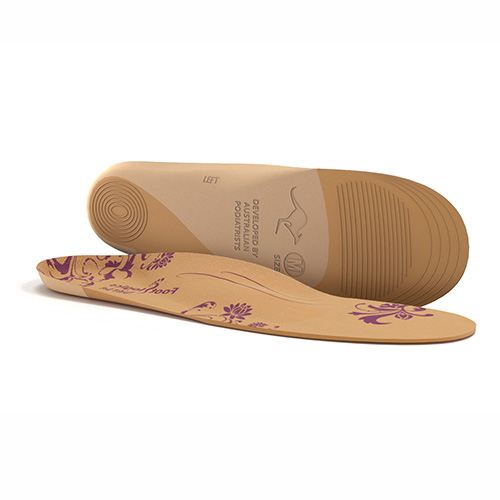
Footlogics Versa
This orthotic is developed by podiatrists to fit perfectly into narrow women’s fashion shoes with a flat, low or medium heel height. These insoles work by restoring the biomechanical balance within and supporting both the longitudinal and transverse arches of the foot. This way, your body weight is more evenly distributed, resulting in a reduction of excessive pressure and friction in the ball of your foot.
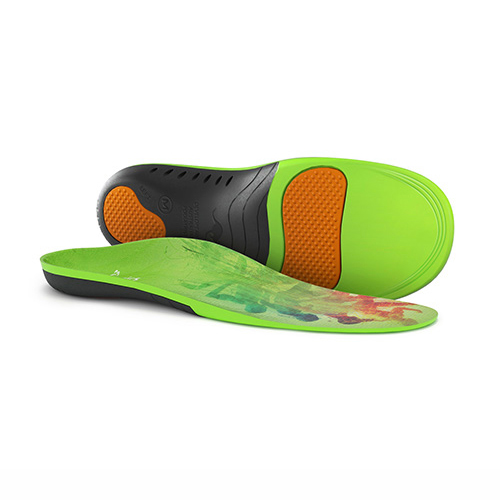
Footlogics Sports
This full-length orthotic features a mild metatarsal raise (lower compared to the above three models) and is recommended for running, hiking and different types of sports activities.
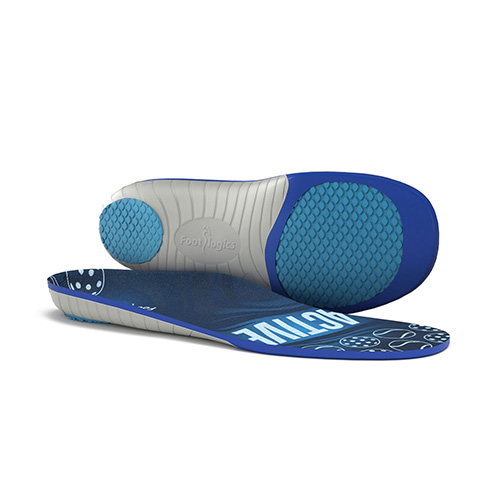
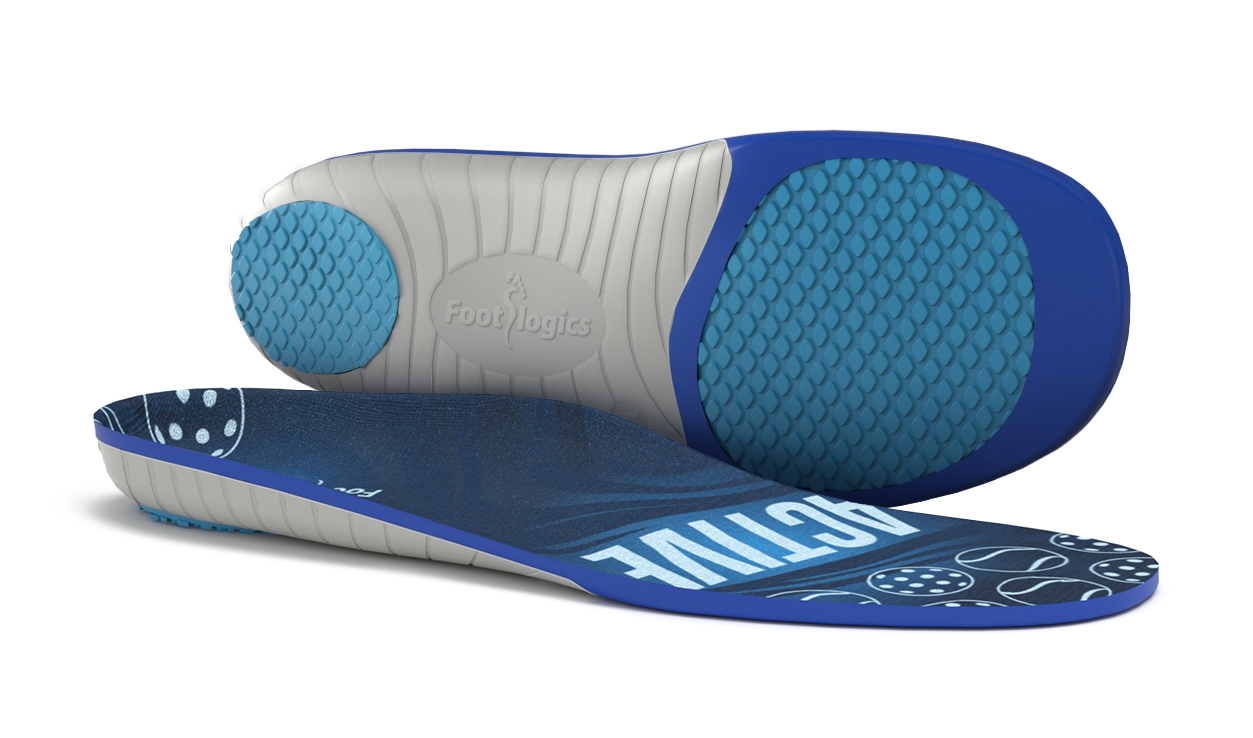
Footlogics Active
These premium quality orthotic insoles features a mild metatarsal raise plus a high level of forefoot cushioning. This unique insole was developed by sports podiatrists with Pickleball players in mind.
Signs and symptoms of Metatarsal Foot Pain
Sharp pain or burning sensation under the balls of the feet
Pain intensifies as the person stands, walks or runs
Pain subsides after resting
Frequent feeling of a ‘pebble’ being inside the shoe
Walking barefoot on hard floors is often very painful
Causes and risk factors of Metatarsalgia
Wearing high heels is a well-known risk factor for metatarsalgia. This is especially important for ladies who have worn heels for years, in the past. When you wear high heels, your body weight moves forward, putting too much pressure on the forefoot and squeezing the metatarsal heads. Over time, this added weight can irritate the soft tissues around it, thin out the natural fat pad in the ball of the foot, and cause inflammation in the joints, which can cause chronic discomfort even when heels are no longer worn.
Metatarsalgia is not exclusive to women or the usage of high heels. People who spend long hours on hard surfaces on a daily basis, whether they are men or women, are also often impacted. People who work in construction, manufacturing, healthcare, hospitality, or retail typically have to stand for lengthy periods of time in work boots or shoes that don’t offer any cushioning or arch support. Hard, harsh shoes and repeated pressure can overload the front of the foot, especially if the foot has biomechanical problems such excess pronation, high arches, restricted ankle mobility, or unequal weight distribution.
Metatarsalgia can also happen to athletes and others who are active because of high-impact activities, rapid changes in training intensity, or shoes that don’t fit well. Worn-out padding or not enough support for the forefoot in running shoes might put too much stress on the metatarsals. In some cases a stress fracture can cause pain in the metatarsal area.
Over-Pronation & Metatarsalgia
Biomechanical research tells us that over-pronation (or ‘excess pronation’) is a very common cause of Metatarsalgia. Our feet have two arches: the longitudinal arch or the ‘instep’ that we all know. The second less-known arch is called the ‘transverse arch’ and it runs across our forefoot. Over-pronation happens when the arches in our feet collapse. It causes excess pressure on the metatarsals which severely weakens your forefoot structure resulting in pain in the ball of your foot. It estimated that 70% of Americans suffer from some level of excess pronation, usually caused by age, weakening of the muscles and excess body weight.
Our feet were ‘designed’ to carry a normal, healthy body weight. Any pound over our normal body weight translates into extra pressure on the muscles and joints in your feet. Over time it is inevitable that this will lead to foot problems and other issues such as pain in the knees or hips.
Treatment of ball of foot pain, in addition to orthotics
We always recommend to do more than wearing orthotic shoe inserts. Please also consider:
Ice
Rest
Wearing wide fitting footwear
Exercises
Exercises for Metatarsalgia (ball of foot pain)
This is a full workout program of stretching and strengthening exercises for Metatarsalgia (pain in the ball of the foot). These exercises are meant to make your feet more flexible, strengthen the muscles in your feet, and ease the strain on the front of your foot.
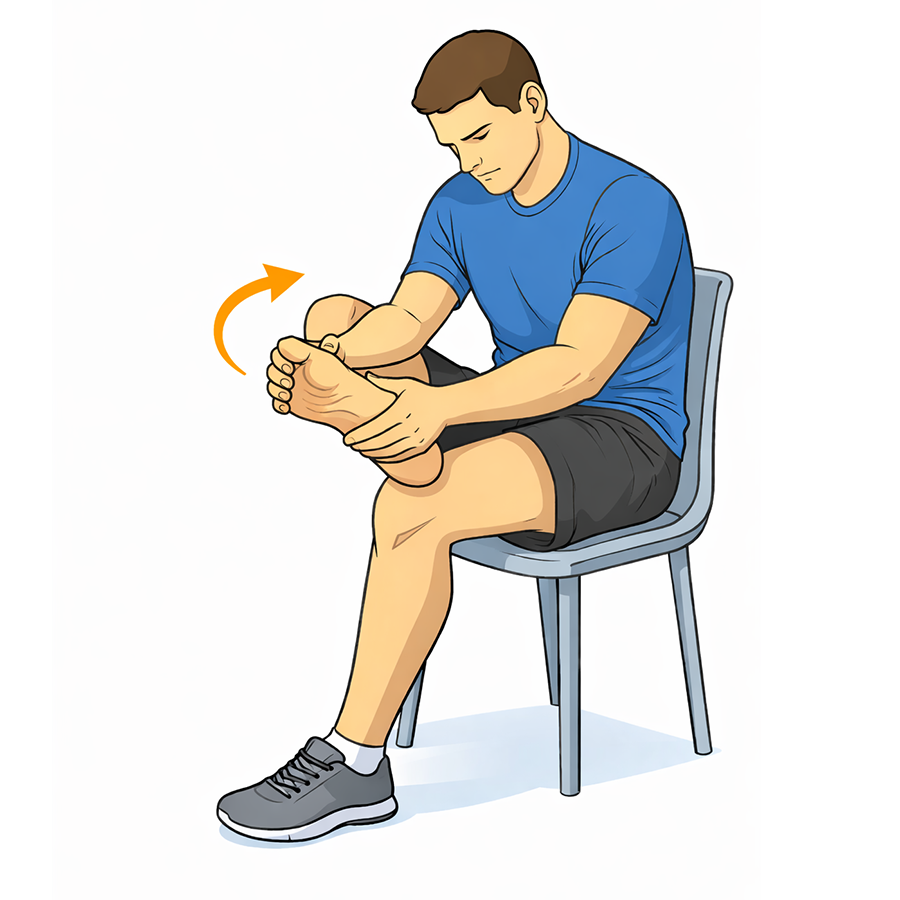
Exercise 1:
Stretching the toes and metatarsals by hand.
Goal: Loosen up the long toe extensor muscles and plantar fascia and relieve stress in the forefoot. Put your feet flat on the floor and sit on a chair. Put one foot on your knee. Grab the toes and hold the heel with the other hand. Pull the toes towards you, as far as you can. Hold for 20 to 30 seconds. Do it three times.
Why is this exercise useful?
When the toes and front of the foot are stiff, the body makes up for it by putting too much weight on the ball of the foot.
This stretch:
Stretches the plantar fascia and the muscles of the forefoot,
Lessens pressure under the metatarsal heads,
Makes it easier for joints to move, which helps the weight disperse more evenly across the foot when walking.
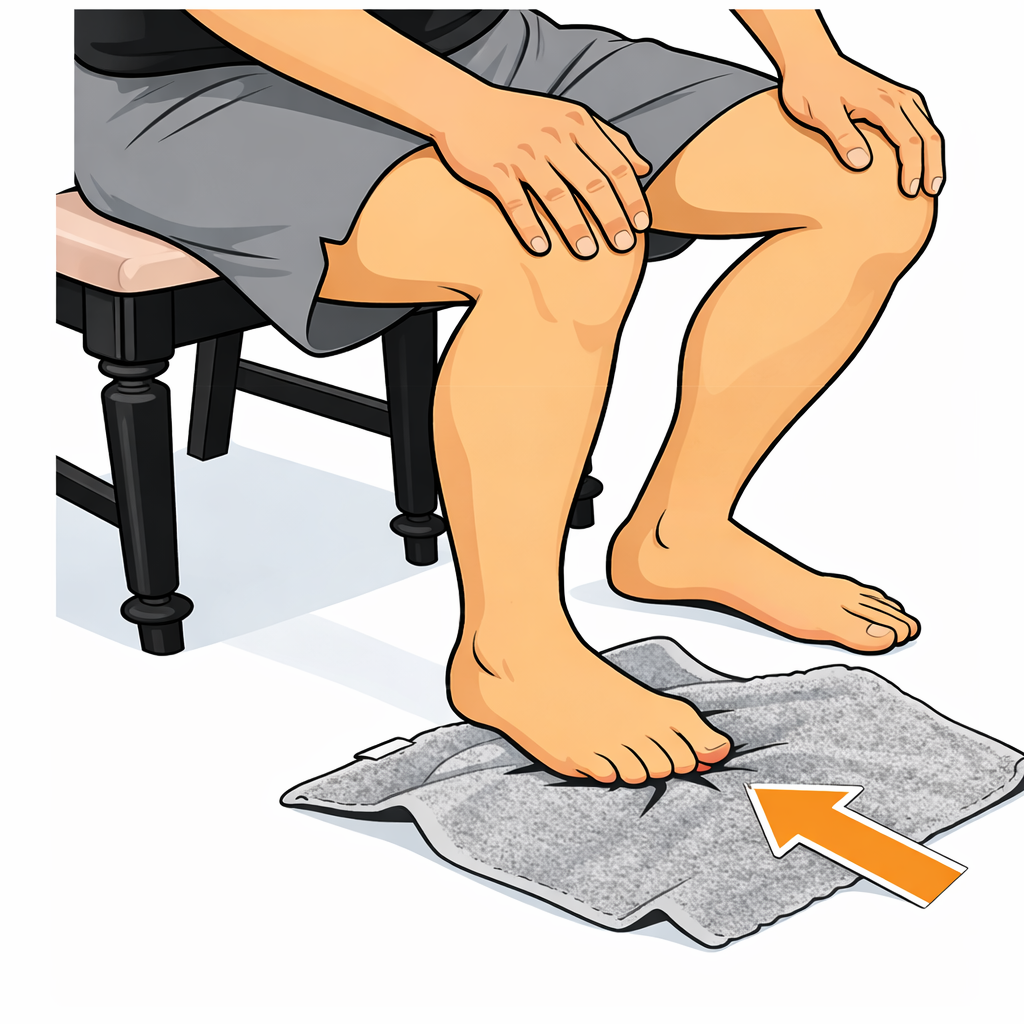
Exercise 2:
Scrunching a towel
Goal: To ‘wake up’ and develop the little muscles in the sole of the foot that support the arch and assist move pressure away from the front of the foot. Sit up straight with a towel under under foot on a smooth floor. Pull the towel toward you with just your toes. Do this 10 to 15 times, 2 to 3 sets for each foot.
Why is this exercise useful?
This exercise works the little muscles on the sole of the foot, which are called the intrinsic foot muscles. Stronger intrinsic muscles assist regulate foot movement and maintain the arch. Better foot control means less pressure on the forefoot. Getting stronger also makes it easier to absorb shocks when you walk or stand.
Research measuring the effectiveness of Metatarsalgia orthotic shoe inserts
Research collectively endorses the use orthotics as an effective conservative intervention for Metatarsalgia. These devices can alleviate plantar pressure beneath the metatarsal heads, reduce pain sensations, and improve biomechanical alignment. Future large-scale randomized controlled studies will help improve the best design and prescribing methodologies, but right now the evidence clearly supports orthotic therapy as the initial therapeutic choice before considering more intrusive solutions, such as surgery.
Clinical Research on Orthotic Interventions
A fundamental trial evaluated semi-rigid orthotics, soft orthoses, and supportive footwear in isolation among persons with Metatarsalgia, resulting from rheumatoid arthritis. This randomized crossover trial indicated that wearing semi-rigid orthoses in supportive shoes considerably decreased pain. This study highlights the significance of the material and design of orthotic devices in the management of structural forefoot discomfort.
Another clinical study published in Gait & Posture looked at accommodative insoles, multi-layered foam constructions meant to spread out plantar stresses, in older persons with moderate to severe Metatarsalgia. The results were quite convincing: accommodating insoles cut peak pressure beneath the metatarsal heads by 47.2% and reduced pain scores from an average of 8.2 to 1.1 on a 10-point scale. The authors proposed that dynamic contouring and cushioning could offer enhanced pressure relief compared to standard metatarsal padding alone.
Foot Geometry and Orthotic Design
This research shows that there are not only changes in symptoms, but also changes in biomechanics. A research examining arch support insoles shown substantial pain reduction after eight weeks of usage, accompanied by quantifiable alterations in forefoot angles on weight-bearing imaging. Although three-dimensional alterations need additional validation with more extensive cohorts, our findings indicate that orthotic assistance may not only mitigate symptoms but also affect foot alignment in individuals with Metatarsalgia.
Metatarsal Pads and the Spread of Pressure
Researchers have also looked at metatarsal pads, which are a typical part of many orthotic prescriptions. Studies that looked at foot geometry while walking discovered that putting a metatarsal pad on the foot made the forefoot a little wider and caused biomechanical modifications that could help with pain reduction. This backs up the idea that orthotic devices assist move pressure away from painful metatarsal heads by both realigning the bones and providing cushioning.
A more extensive retrospective study conducted in a prosthetics clinic demonstrated that custom foot orthoses, created from volumetric foot scans and specifically designed to accommodate the individual’s foot morphology, resulted in symptom alleviation in 81% of patients with ball of foot pain, with an average self-reported pain reduction exceeding 50%. This extensive dataset underscores the significance of orthotic therapy in a practical context.
Evidence from a Systematic Review in relation to orthotics
Systematic reviews provide these individual investigations a bigger picture. A study and meta-analysis of tailored orthotic therapies for mechanical Metatarsalgia determined that orthotic interventions markedly decreased plantar pressure underneath the central metatarsals, especially in contrast to no therapy. Although their impact resembled that of some standardized footwear and foot orthoses, the cumulative data endorses orthotic utilization as an efficacious conservative approach for pressure regulation and discomfort.
FAQs About Insoles for Metatarsalgia and Ball of Foot Pain
Do insoles really help with metatarsalgia and ball of foot pain?
Yes, when correctly designed metatarsal insoles with transverse arch support will distribute pressure away from painful metatarsal heads, often providing noticeable relief within days. Insoles that feature a metatarsal pad can help alleviate symptoms of metatarsalgia by redistributing pressure away from the metatarsal heads, thus improving comfort during daily activities. Generic flat inserts rarely achieve this because they lack the structural elements needed to lift and support the transverse arch. The difference lies in targeted support versus simple padding.
What is the difference between a metatarsal pad and a normal cushion?
A metatarsal pad sits just behind the ball of the foot to lift and spread the metatarsal bones, supporting the transverse arch and reducing pressure on the metatarsal heads. Simple forefoot cushions sit directly under the painful area and may actually increase pressure if placed incorrectly. Think of it this way: a met pad changes where the pressure goes, while a cushion just softens the blow. For real relief, you need the former.
How long will it take for my ball of foot pain to improve with orthotics?
Mild or acute metatarsalgia cases often show improvement within 2-4 days of consistent wear. Moderate cases typically require 1-2 weeks before substantial relief becomes apparent. Long-standing chronic metatarsalgia that has persisted for months may need 4-6 weeks of daily orthotic use. Footlogics offers a 30-day money-back guarantee specifically to allow adequate trial time—you won’t need to rush the process.
Can I use the same insole for metatarsalgia and plantar fasciitis?
Many Footlogics models support both conditions simultaneously. The firm arch support addresses heel pain associated with plantar fasciitis, while the metatarsal raise relieves forefoot pressure. This multi-condition benefit results from shared biomechanical principles: proper arch support and metatarsal head separation correct the underlying foot mechanics contributing to both pain presentations. One well-designed pair can treat multiple issues.
Are metatarsalgia insoles suitable for sports and running?
Absolutely. Full-length sports insoles with forefoot support are ideal for running, walking, and court sports. They absorb impact and prevent the forefoot from overloading with every stride. The Footlogics Sports insole combines mild metatarsal support with enhanced shock absorption specifically for athletic activity. Many runners find that addressing forefoot mechanics reduces not only ball of foot pain but also ankle and knee strain. Our new ‘Active’ orthotic also features metatarsal support and ball of foot cushioning, which is required for pickleball and tennis players.
Do I need custom orthotics, or are over-the-counter insoles enough?
Many people with metatarsalgia respond very well to high-quality, medical-grade over-the-counter orthotics such as Footlogics. Custom orthotics are typically reserved for complex cases involving multiple concurrent conditions, unusual foot anatomies, or severe deformities that haven’t responded to properly selected OTC options. Given the significant cost difference, starting with quality OTC insoles makes sense for the average person with typical metatarsalgia.
Can insoles help Morton’s neuroma as well as metatarsalgia?
Yes. By lifting and separating the metatarsal heads, good metatarsal insoles reduce nerve compression in the forefoot. This often eases the burning pain and tingling sensations associated with Morton’s Neuroma. While metatarsalgia involves general pain and inflammation, Morton’s Neuroma specifically involves nerve irritation between metatarsal heads—but both respond to the same orthotic intervention that creates space and reduces pressure.
How do I know if the insole is positioned correctly in my shoe?
The widest part of the insole should sit directly under the ball of the foot, with the metatarsal pad positioned just behind the painful area—not directly under it. Walk around indoors first to ensure there’s no rubbing or edge pressure. If the shoe feels cramped, you may need to remove the factory insole first. The insole should fit perfectly without your toes feeling squeezed against the front of the shoe.
Can I trim Footlogics insoles to fit my shoes?
Most full-length Footlogics insoles can be trimmed carefully at the toe following the printed guidelines inside the packaging. However, the heel cup and metatarsal pad should never be cut or altered—these are the functional elements that provide support and relief. If you’re between sizes, start conservatively and trim gradually until the fit feels right in your particular pair of shoes.
When should I see a professional about my ball of foot pain?
Consult a podiatrist or doctor if pain persists beyond six weeks despite using quality insoles and making appropriate footwear changes. Also seek professional evaluation if there’s marked swelling, visible deformity, or loss of sensation in your toes. These symptoms could indicate stress fractures, severe Morton’s Neuroma, or inflammatory conditions requiring specialized diagnosis and treatment beyond what orthotics alone can address.
What our Customers say
REAL RELIEF. REAL RESULTS.
Proven support, trusted by millions.
“Amazing product, improved my walking immediately!”
Doug D.
WHAT MAKES FOOTLOGICS DIFFERENT?
Footlogics orthotics are designed to deliver medical-grade support and relief — without the cost or wait time of custom orthotics.

TGA-Approved Medical Device
Meets strict medical standards

Developed by Podiatrists
Created for real foot conditions, not generic comfort

Trusted by Health Professionals
Recommended by doctors and physical therapists worldwide

Over 2 Million Pairs Sold
Proven support for everyday life, work, and sport

Available in 20+ countries
Trusted by customers across the globe

Australia’s #1 Orthotic Insole
Leading podiatrist-designed support brand
SHOP BY FOOT COMPLAINT
common aches & pains
Learn more about different foot conditions and how Footlogics orthotics can help..