
PREMIUM INSOLES
FOR FLAT FEET
Choose from a range of affordable medical-grade orthotic insoles for flat feet, fallen arches and over-pronation.
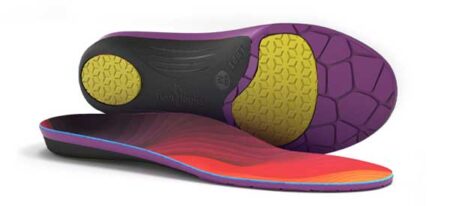
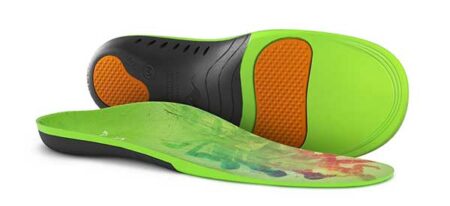
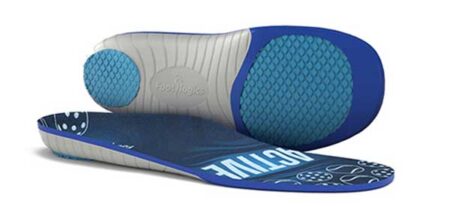
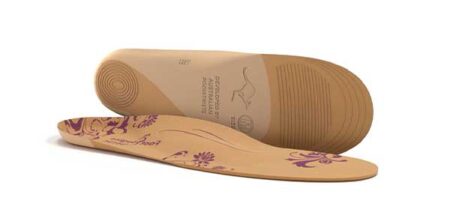
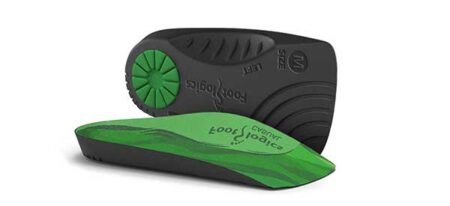
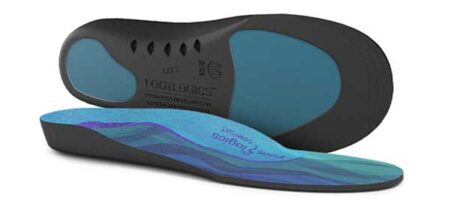
Arch support insoles for flat feet
For trusted arch support insoles, customers don’t have to look further than Footlogics. We have been a sought-after name for professionally designed and manufactured insoles for more than 16 years, and we are passionate about providing our customers with the products they need to make foot and knee pain a thing of the past.
Browse our website to find more information on our wide selection of available arch support insoles.
Arch Support Insoles for flat feet
For trusted arch support insoles, customers don’t have to look further than Footlogics. We have been a sought-after name for professionally designed and manufactured insoles for more than 15 years, and are passionate about providing our customers with the products they need to make foot and knee pain a thing of the past.
Contact our staff today for more information on our wide selection of available arch support insoles.
A range of effective Arch Supports for Flat Feet
When the arches in our feet are weak or haven’t developed as they should they can cause problems when we walk, run, or participate in sporting activities. While this is a frustrating issue on its own, it can develop into more serious knee and joint discomfort and problems as time progresses. At Footlogics we offer medical-grade arch supports for different types of activities and footwear, helping our customers to find the insole that best suits their needs.
Orthotic Arch Support developed by podiatrists
Footlogics specializes in orthotic arch support. Our products are carefully developed through consultations with leading physical therapists and podiatrists, ensuring that we can provide our customers with an orthotic insole that is not only durable, but will offer lasting comfort and support for fallen or weakened arches.
Cost-Effective Arch Support Inserts
Easily fitting into your footwear of choice, the arch support insoles from Footlogics are an excellent way to get moving again without having to worry about heel or arch pain holding you back.
So take the first step towards better overall health and wellbeing, all thanks to the Footlogics range of affordable and reliable arch support inserts.
Experience Complete Foot Arch Support
Are you tired of having to live with nagging foot pain? Maybe your knees are beginning to swell or ache? Then a Footlogics arch support insole could be the answer. We use resources such as gait analysis to create orthotics that are tailored to particular methods of care, from keeping you comfortable while you’re on your feet all day, to helping to enjoy sporting activities without discomfort.
In-Demand Orthotic Arch Support Insoles & Orthotics
It is important to find the right arch support insoles to provide the necessary support and care for your feet. That is why the staff at Footlogics works so closely with each of our customers, assisting them in securing the arch orthotics that will deliver the most effective and noticeable results, and help them to get back on their feet.
Contact us today for all further enquiries, or to learn more about our selection of available arch support insoles.
Flat Feet Arch Supports
Footlogics is the name to trust when it comes to finding professionally manufactured flat feet arch supports.
Each person who suffers from weak arches in their feet will require a slightly different treatment method to help them stay comfortable and better manage any pain or discomfort. Contact us today to learn more.
Shoe Inserts for Arch Support
Find durable and comfortable shoe inserts for arch support here at Footlogics. These discrete and effective inserts are designed to provide the user’s foot with the support it needs, allowing them to get on with their day and even do things that they may not have been able to previously because of foot aches and pains.
With our premium inserts, users will be able to provide their feet with the natural support and structure they need, and allow them to be on the move all day with less pain and discomfort than before.
Insoles for Flat Feet: How Orthotics Can Relieve Pain and Improve Posture
Flat feet, medically known as Pes Planus, are a common condition affecting millions of adults and children worldwide.
People with flat feet either have very low arches or no visible arch at all when standing. While some individuals experience no symptoms,
others deal with chronic pain, poor posture, fatigue, and discomfort that can extend far beyond the feet.
In recent years, insoles for flat feet have become one of the most recommended non-surgical solutions for managing symptoms
and improving mobility. From over-the-counter orthotics to custom-made inserts, the U.S. market offers a wide variety of supportive products designed to stabilize the foot and reduce strain throughout the body.
What Are Flat Feet (Pes Planus)?
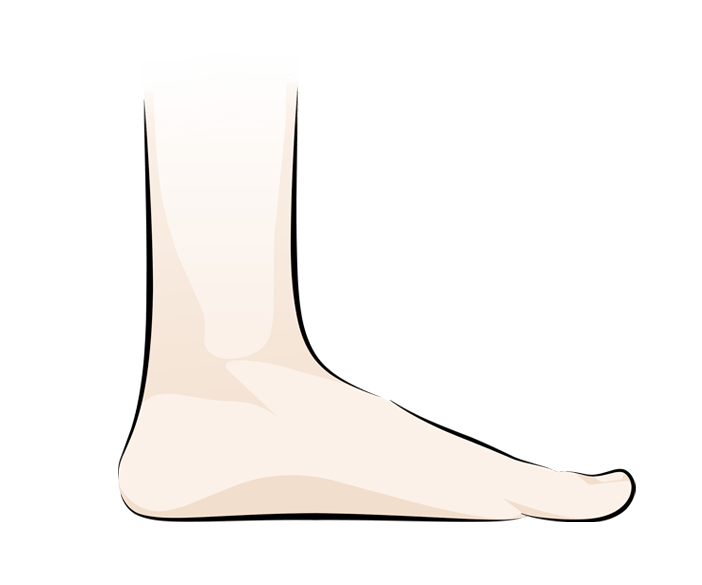
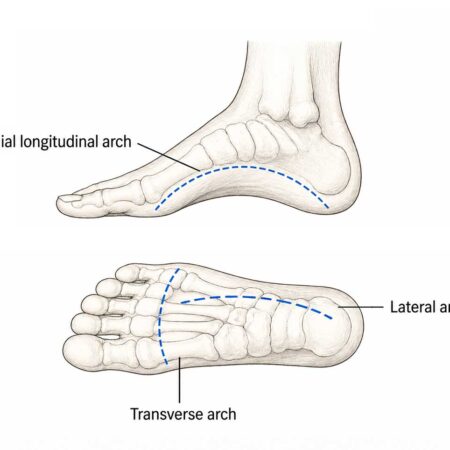
Flat feet occur when the medial longitudinal arch of the foot collapses or fails to develop properly.
This causes most or all of the sole to come into contact with the ground.
There are two primary types of flat feet:
- Flexible flat feet – the arch appears when sitting or standing on tiptoes but flattens during weight-bearing.
- Rigid flat feet – the arch remains absent even when not standing, often causing more severe discomfort.
Research Insight:
A study published in the Journal of Foot and Ankle Research reported that flexible pes planus may affect between 2% and 23% of adults.
A study published in the Journal of Foot and Ankle Research reported that flexible pes planus may affect between 2% and 23% of adults.
Source: Journal of Foot and Ankle Research
Flat feet may develop due to genetics, injury, aging, obesity, pregnancy, arthritis, or weakened tendons.
Some people are born with naturally low arches, while others experience arch collapse later in life.
Flat feet, or pes planus, occur when the medial arch is low or absent, so most of the sole or entire sole contacts the ground while standing. According to NCBI’s overview of pes planus, flexible flat feet show an arch when non-weight-bearing, but the arch collapses under load.
How Flat Feet Affect the Rest of the Body
The feet serve as the foundation of the body. When arches collapse, the biomechanics of walking and standing can change significantly.
This can create a chain reaction affecting the ankles, knees, hips, and lower back.
People with flat feet often experience:
- Heel pain
- Arch pain
- Shin splints
- Knee discomfort
- Hip pain
- Lower back pain
- Over-pronation (rolling inward of the feet)
- Fatigue during walking or standing
Research suggests that altered gait mechanics associated with pes planus may increase muscular strain and affect balance and stability during walking.
Source: Research on gait mechanics and flat feet
In many cases, overpronation caused by flat feet places additional stress on the knees and hips.
Over time, this imbalance can contribute to joint pain and poor posture.
How Insoles Help Flat Feet
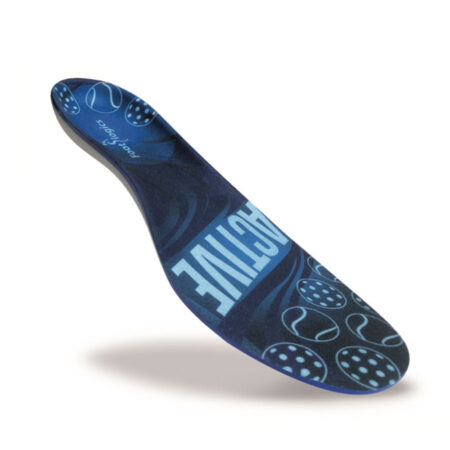
Insoles, also called orthotics or orthotic inserts, are designed to support the arch, improve foot alignment,
and distribute pressure more evenly across the foot.
1. Arch Support
Flat feet lack proper structural support. Insoles help restore the arch shape and reduce excessive inward rolling of the foot.
2. Improved Alignment
Orthotics help align the ankles, knees, and hips more naturally, reducing stress on joints and muscles.
3. Pain Reduction
Many users experience reduced heel pain, plantar fasciitis symptoms, and lower back discomfort after using supportive insoles.
4. Better Shock Absorption
Supportive inserts cushion the feet and absorb impact while walking or running, especially on hard surfaces.
5. Enhanced Stability
Flat feet can affect balance and walking efficiency. Orthotics may improve stability and reduce fatigue during daily activities.
Clinical Findings:
A systematic review found moderate evidence that foot orthoses improve physical function and lower energy cost during walking in people with flexible pes planus.
A systematic review found moderate evidence that foot orthoses improve physical function and lower energy cost during walking in people with flexible pes planus.
Source: Systematic Review on Foot Orthoses
Popular Insoles for Flat Feet in the USA
| Product | Best For | Key Features |
|---|---|---|
| Superfeet Premium Insoles | Daily support | Deep heel cup and firm arch support |
| Dr. Scholl’s Custom Fit Orthotic Inserts | General comfort | Custom-fit technology and cushioning |
| Powerstep Pinnacle Insoles | Overpronation | Dual-layer cushioning and arch support |
| Walk Hero Comfort Insoles | Budget-friendly support | Shock absorption and arch stabilization |
| Custom Orthotics | Severe flat feet | Personalized support based on foot structure |
Custom Orthotics vs Over-the-Counter Insoles for Flat Feet
Over-the-counter insoles are often sufficient for mild to moderate flat feet symptoms.
They are more affordable and widely available at pharmacies, sporting goods stores, and online retailers.
Custom orthotics, prescribed by podiatrists, are molded specifically for the individual’s foot structure.
These may be recommended for people with severe overpronation, chronic pain, tendon dysfunction, or rigid flat feet.
While custom devices can be more expensive, many patients find them beneficial for long-term symptom management.
Final Thoughts in regards to flat feet shoe inserts
Flat feet may seem like a minor issue, but they can affect the entire body’s alignment and movement patterns.
Untreated pes planus can contribute to pain in the feet, knees, hips, and lower back, particularly in active individuals
or those who stand for long periods.
Supportive insoles remain one of the most effective conservative treatments available. Whether using over-the-counter orthotics or custom-made inserts, proper arch support can help improve posture, reduce pain, and enhance overall comfort during daily activities.
As research continues, evidence increasingly supports the role of orthotics in improving function and reducing discomfort associated with flexible pes planus. Individuals experiencing persistent pain should consult a podiatrist or orthopedic specialist for a full assessment.
FAQ: Insoles for Flat Feet, Pain and Everyday Use
01.
How long do flat feet insoles usually last?
Good quality arch support insoles typically last 9-18 months with consistent daily use. May reduce life in heavy usage running or work boots. Replace them when the arch becomes flatter, the heel cup is deformed, or the top cover is heavily worn.
02.
Can I use the same insoles in all my shoes?
Wearing orthotics during the day and night splints during the night may be very effective. A nigh splint keeps the foot in a dorsiflexed position to keep the Achilles tendon from getting shorter and to make it less stiff in the morning. They can be helpful additions, but they are not a replacement for exercise treatment.
03.
Will arch support insoles fix my flat feet permanently?
One pair may typically go from like shoes to sneakers. Narrow shoes, slim dress shoes or certain sports boots may need thinner insoles. Make sure your toes are not crammed and your heel is solid.
04.
Are insoles for flat feet uncomfortable at first?
Some folks experience a little pressure beneath the arch during the first couple of days. Start with 1–2 hours each day and increase gradually over 1–2 weeks. Footlogics insoles ought to be supportive, not uncomfortable.
05.
Can insoles really help with knee, hip or low back pain?
Yes, if the discomfort is due to over-pronation and improper foot alignment. Clinically established foot orthoses may relieve symptoms by lowering aberrant stresses on the knees, hips and lower back. The best effects typically come from a combination of supportive insoles with stretching, strengthening and judicious alterations to workload.
How Flat Feet Can Cause Shin Splints, Knee Pain, Hip Problems and Low Back Pain
The body works as a kinetic chain: foot, ankle, knees, hips and spine are linked with every step. Flat feet can lead to knee, hip, and back pain when poor foot mechanics repeat thousands of times per day.
Flat feet often lead to plantar fasciitis and shin splints. Shin splints may develop because excess tibial rotation increases traction on muscles attached to the shin. Flat feet can lead to plantar fasciitis due to excess strain on the plantar fascia, especially when the heel and arch are not controlled.
Patellofemoral knee pain can occur when inward foot motion changes kneecap tracking. A 2022 meta-analysis found foot orthoses improved knee function in people with patellofemoral pain, especially short term, as part of broader care (study review).
Hip discomfort can follow because collapsing arches may encourage hip internal rotation and pelvic tilt. Low back pain may follow when pelvic alignment and shock absorption change. In the Framingham Foot Study, pronated foot function was associated with higher odds of low back pain in women (study).
Recap:
-
Shin splints: more tibial rotation and shin muscle traction.
-
Knee pain: altered kneecap tracking and inward knee load.
-
Hips: internal rotation and pelvic compensation.
-
Low back: reduced shock absorption and changed pelvic mechanics.
FILTERS
Search by keyword
