
orthotic insoles for sports
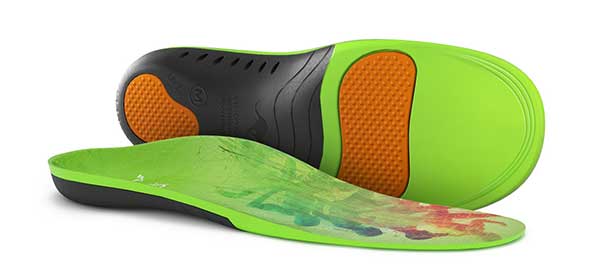
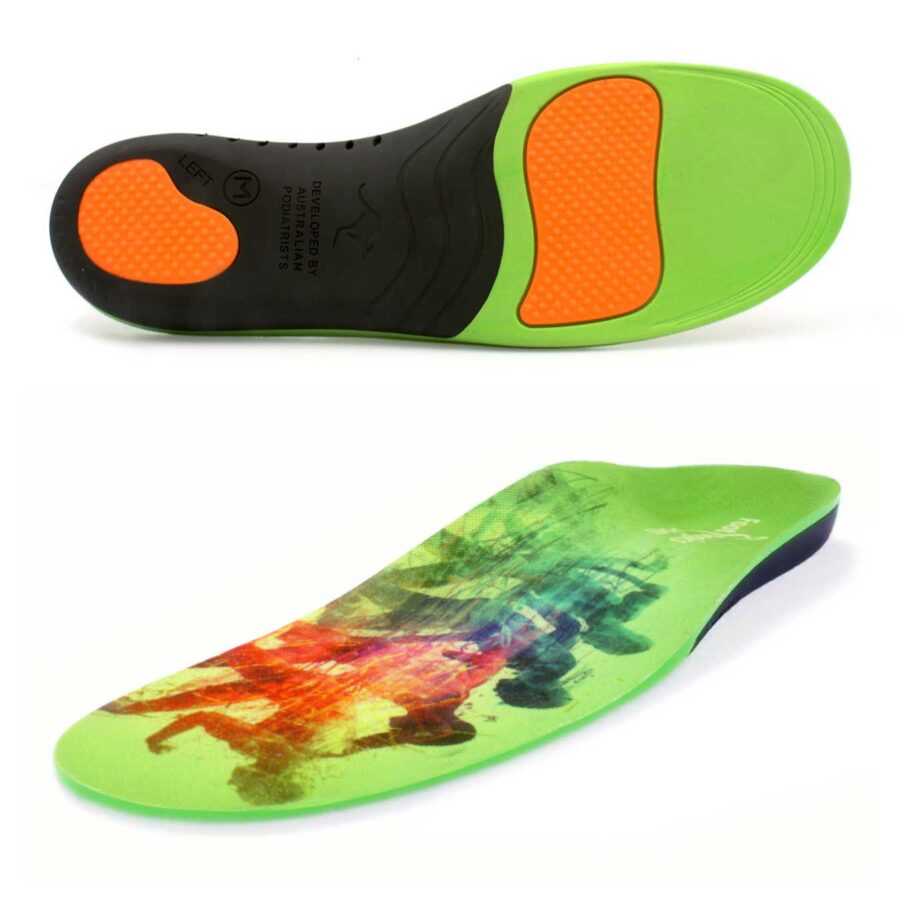
Footlogics SPORTS
Best for: running, basketball, baseball and other sports
- high quality orthotic insole
- biomechanical arch support
- P.U. and Gel cushioning
- low metatarsal raise
SHOP NOW
$39.95
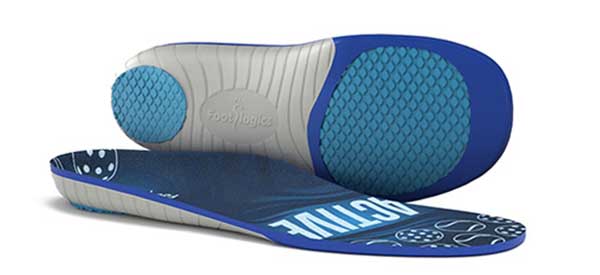
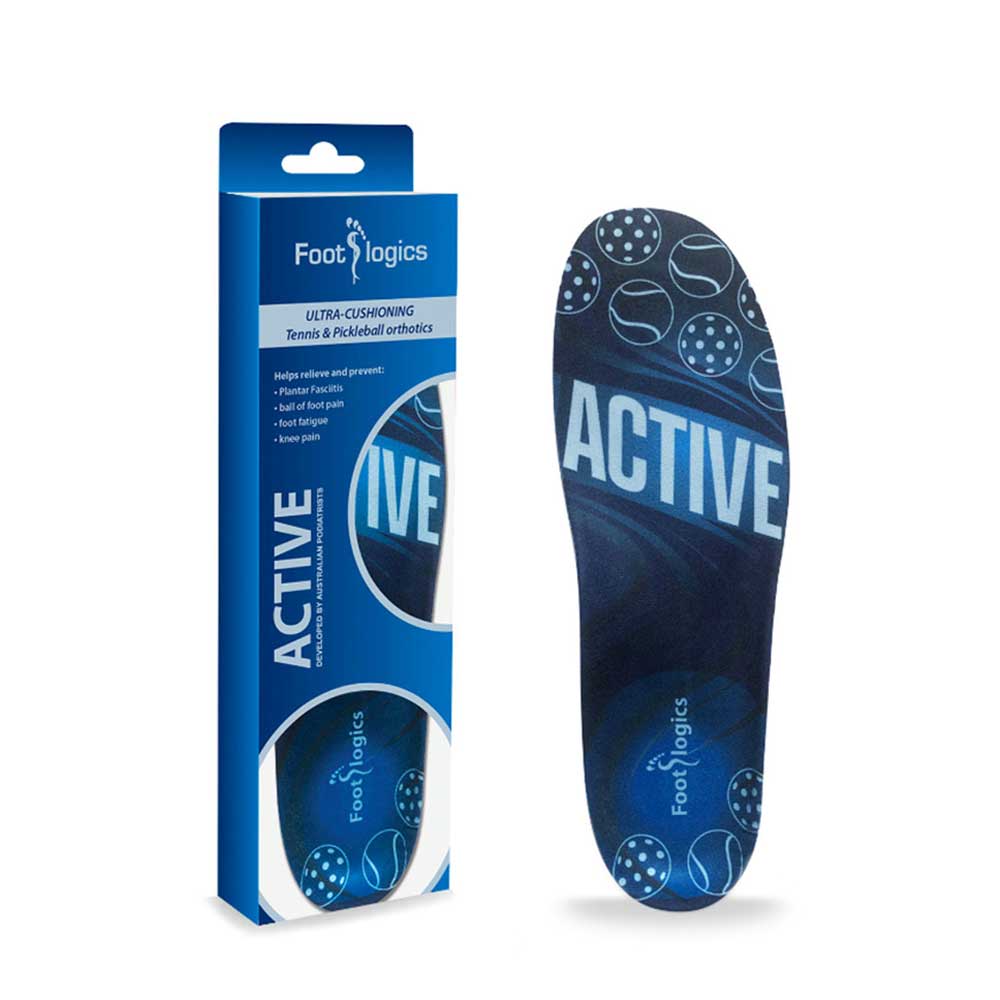
Footlogics ACTIVE
Best for: pickleball and tennis
- Premium orthotic insole
- nylon outer shell for arch support & stability
- extra forefoot cushioning (0.4 inch)
- metatarsal support
SHOP NOW
$39.95
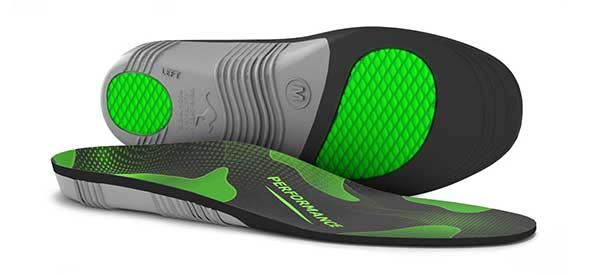
Footlogics PERFORMANCE
Best for: people with high arches playing sports or running
- high level of shock-absorption
- biomechanical arch support
- metatarsal support
- free Lateral wedge for supinators
SHOP NOW
$39.95
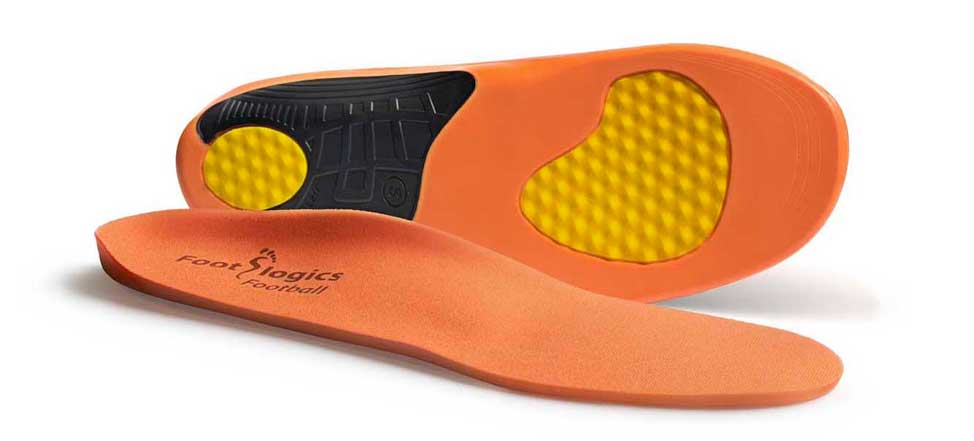
Footlogics FOOTBALL
Best for: soccer and grid-iron cleats
- slim fitting narrow insole
- perfect fit in soccer or grid-iron boots
- low-medium arch support
- high level of P.U. + Gel cushioning
SHOP NOW
$36.95
What our customers say…

Best purchase, I’ve ever made
“I honestly thought I’d have to stop my daily walks because of the burning pain in the ball of my foot. Within days of using Footlogics, the discomfort was dramatically reduced. I can now walk comfortably again and even enjoy longer outings with my grandchildren. Best purchase I’ve made in years.”
— Susan M.
Great quality, perfect fit
Great quality, perfect fit and comfortable from the first wear. Was in need of good arch support, following surgery on an ankle fracture and post joint inflammation that was causing multiple foot/knee/hip issues. These are helping me make a much more comfortable return to the runners track!
— Louise S.
Excellent product
An excellent product which has given new life to my runners and also made them so much more comfortable. I do have a pair of custom orthotics but I found that they didn’t sit in my shoes properly. The Footlogics Sports have definitely helped and I don’t feel any marketable difference between these and their more expensive counterpart.
— Doug D.
Very happy
“The full inserts are absolutely brilliant providing support and easing any metatarsal pain. Also ensures my footwear is a very snug yet comfortable fit. Couldn’t be happier.”
— Rob J.
Total gratitude
I’ve been using the Footlogics Sports in my runners for around ten years now. I first tried them after decades of Achilles tendon injuries and chronic pain leading to a number of operations to try and fix a shredded tendon. I even had to give up running which I found traumatic as any committed runner would know. It got to a point where I couldn’t even walk to the bus stop without inflaming my Achilles. Now with ten years running pain free under my belt I have nothing but total gratitude to the Footlogics products. I’ve now got my wife using them to fix her sore knees and she’s having similar sensational results.
— Christian K.
This is my third pair
This is my third pair and ordered two more, one for my husband too! They absolutely are so supportive for my collapsed arch and allow me to feel more comfortable in my shoes. Very well made and can highly recommend them. Very fast shipping which is a bonus. Thank you Footlogics!
— Carol-Ann D.
run & play pain-free!
Footlogics are premium orthotic insoles, developed by podiatrists to provide effective relief for:
- Plantar Fasciitis
- Achilles Tendonitis
- Shin Splints
- Runner's Knee
- General foot pain or fatigue
Since 2008, Footlogics has already helped 2 million people around the world find affordable relief. Now it’s your turn.
Try Footlogics For 30 Days — Completely Risk-Free
- Podiatrist Designed
- TGA Approved Medical Device
- Free Shipping
- Easy, Free Returns
- 30-Day Money-Back Guarantee
You have nothing to lose except your foot pain!
TRY RISK-FREE FOR 30 DAYSJoin over 2 million Footlogics customers worldwide since 2008!

Footlogics offers a range of sports orthotics
It is no secret that sporting activities can put a heavy strain on our feet. Without the right support and protection, prolonged workouts or activity can lead to common sports injuries like Achilles Tendonitis or Shin Splints.
Footlogics Sports orthotics provide the perfect balance between support and cushioning and are ideal for running, jogging, hiking or just everyday walking. These medical-grade orthotics are used by sports physical therapists world-wide and are widely recommended. Our Footlogics Sports orthotic fits in most types of sports footwear such as running shoes, cross-trainers, tennis and golf shoes, and basketball shoes. For soccer boots and gridiron, we have a slim-line orthotic insole called Footlogics Football. It offers similar benefits to the Sports orthotics but boasts a narrow design that fits perfectly in soccer and grid-iron boots.
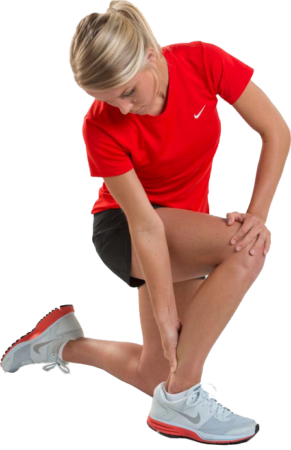
Running orthotics for improved performance
To find the best possible orthotics for your running needs, look no further than the expert staff at Footlogics. We are here to ensure you find the perfect fit.
Having the incorrect orthotic fitted can not only make it harder to get back out there with your team, but it can prevent your feet from receiving the corrective treatment that insoles can provide. That is why the Footlogics team is careful to offer the right orthotic to each customer.
With the right orthotic, you can be sure that your feet will receive the support they need when they need it. Footlogics insoles will also work to support your overall health and wellbeing, and help to prevent the risk of foot and knee pain or injuries in the future.
For more information about our range of running and sports orthotics, get in touch with Footlogics today. We can help you understand how essential joint and foot health are, and we will explain the role that orthotics can play in your wellbeing.
Arch support inserts for Running Shoes
If you are a keen runner, then it would come as no surprise to learn that your feet have to put up with a lot of stress and strain to keep you moving. At Footlogics, we supply a wide range of inserts suited for running shoes, allowing casual joggers and serious runners to give their feet the support they need when exercising.
These comfortable inserts also help to maintain the long-term health and wellbeing of the user’s feet, particularly those areas that have to take on added strain when running. Our inserts are discrete and allow the users to run in their normal way while enjoying a greater level of comfort and fewer aches and pains when their exercise session is finished.

Orthotics for sports, including Pickleball
Footlogics is proud to be a sought-after name when it comes to shoe support inserts that are designed for sports and running. We offer a wide range of professionally manufactured shoe inserts, allowing our customers to find the product that best suits their feet. We also stock inserts that can assist with a range of foot conditions that you may be suffering from. For more information on how the right shoe support insert can help your performance, make sure you contact Footlogics today.
Insoles for Running: Complete Guide to Orthotic Support, Comfort and Performance
Every foot strike during a run sends forces of two to three times your body weight rippling through your feet, ankles, knees, and hips. Over thousands of repetitions per training session, even minor alignment issues or inadequate support can snowball into nagging pain or full-blown injuries. That’s where insoles for running come into play—and understanding how to choose the right ones can make the difference between hitting your mileage goals and spending weeks on the sideline.
This guide covers everything runners need to know about orthotic insoles, from how they work to which type suits your foot shape, plus a head-to-head comparison of popular brands including Footlogics Sports.
Do Runners Really Need Insoles?
Not every runner needs orthotic insoles, but a significant number benefit from them—especially those dealing with plantar fasciitis, high arches, over-pronation, or increasing training loads. Most running shoes come with basic factory liners that offer minimal structural support. These stock inserts provide a thin layer of foam and a smooth footbed, but they rarely deliver meaningful arch support or rearfoot control.
Insoles designed for running provide superior arch support, enhanced shock absorption, and better alignment, reducing foot fatigue and preventing common injuries like plantar fasciitis. A study found that runners who used insoles specifically designed for their foot type had a 14% lower chance of injury, including conditions like plantar fasciitis and shin splints. That’s a compelling reason to consider upgrading from whatever came in the box.
Over the counter insoles with proper arch support and a deep heel cup can immediately alter how pressure distributes across your foot. Quality orthotic shoe inserts increase contact area in the midfoot while decreasing peak pressures at the heel and forefoot—changes that translate to better comfort, improved energy return, and more efficient running mechanics. Footlogics Sports orthotic insoles are designed specifically for running and other sports, offering medical-grade support without the cost of custom orthotics.
Key benefits of quality running insoles:
-
Reduced heel pain through structured support and cushioning
-
Better arch support matched to your foot type
-
Improved alignment at the ankle, knee, and hip
-
Less fatigue during long runs and extended periods of training
-
Longer-lasting comfort compared to factory liners
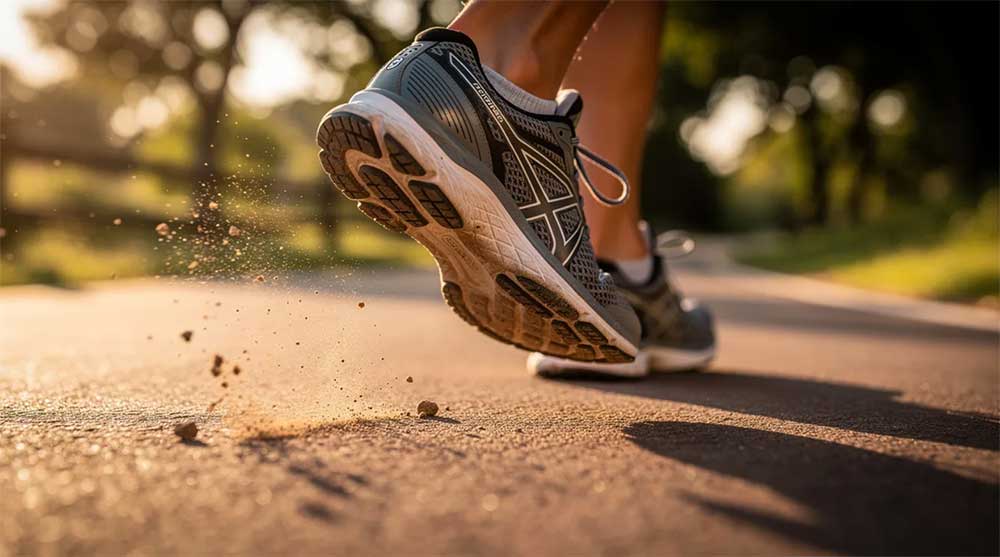
How Running Insoles Work (and Why They Matter)
Orthotic shoe inserts sit between your foot and the shoe’s midsole, acting as an intermediary layer that fine-tunes how your entire foot interacts with the platform below. While the shoe’s midsole handles the bulk of vertical shock absorption through its foam, the insole redistributes pressure and guides foot mechanics during each phase of your stride.
The structured heel cup plays a critical role in rearfoot stability. A deep heel cup cradles the heel bone (calcaneus) and helps control its motion during the initial contact and loading phases of your running gait. Over-pronation—the excessive inward rolling of the foot—is characterized by calcaneal eversion. When the heel is more stable and aligned, the subtalar joint moves through a more normal range, which influences tibial rotation and knee alignment. This can reduce stress at the knee and hip by moderating internal rotation of the leg.
Insoles with a firm arch support can help prevent overpronation, which is a common cause of plantar fasciitis, by maintaining proper foot alignment during running. Proper arch support for low, medium arch, and high arches improves alignment at the ankle, knee, and hip, reducing injury risk upstream from the foot itself.
Well-fitting aftermarket insoles improve alignment, shock absorption, and comfort in running shoes. They can also optimize energy transfer and correct gait issues like overpronation, providing a more personalized and stable foundation than stock liners. Modern high-rebound foams and designs store and release mechanical energy during the toe-off phase of a stride, contributing to a more responsive ride. Insoles can provide better energy return during the toe-off phase when made from high-performance materials like ETPU or nitrogen-infused foams.
Well-fitted orthotic insoles complement modern running gear—including lightweight trainers and carbon fiber-plated racing shoes—rather than replacing their intended function. In soft, neutral shoes, orthotic insoles add needed structure. In carbon-plated super shoes with very soft midsoles, runners sometimes use thin, low-volume orthotic insoles to gain support without significantly altering the shoe’s ride.
Common Foot Issues Running Insoles Can Help With
Most runners experience foot or lower limb pain at some point, especially as mileage increases or intensity ramps up. Orthotic insoles are commonly used as part of a broader management plan for these issues.
Plantar Fasciitis
This is one of the most common running-related foot problems, involving micro-tears and degeneration of the plantar fascia, usually at its origin on the heel bone. Typical symptoms include sharp, stabbing heel pain with the first steps in the morning or after sitting, which may ease with movement but often worsens after long distance running. Insoles designed for plantar fasciitis can help alleviate pain by providing adequate arch and heel support, which reduces stress on the plantar fascia. A well-fitted insole can reduce strain on the plantar fascia, particularly for individuals experiencing foot pain. Clinical guidelines frequently list orthotic insoles as first-line conservative treatment alongside stretching and load modification.
High Arches
High arches (pes cavus) are characterized by a rigid, elevated arch with limited pronation and a tendency to concentrate pressure on the heel and forefoot. These feet often lack natural shock absorption and can be associated with metatarsalgia, stress fractures, and lateral ankle instability. Running insoles for high arches focus on extra cushioning plus support—a contoured arch that gently “meets” the arch to improve contact area, combined with generous heel and forefoot padding. The goal is to reduce pressure points and improve distribution across the entire foot.
Flat Feet and Over-Pronation
Flat feet involve low or collapsed arches and often excessive inward rolling during stance. Over-pronation can lead to inner ankle pain, shin pain (medial tibial stress syndrome), and knee issues due to altered alignment. Orthotic insoles designed for flat feet provide moderate to strong medial arch support with a firmer shell and a deep, structured heel cup to resist calcaneal eversion. They act as a scaffold for the arch, decreasing the degree and speed of pronation.
Metatarsalgia and Forefoot Pain
Pain in the ball of the foot often results from high loading under the metatarsal heads. Causes include high arches, thin fat pads, or simply high training loads on hard surfaces. Insoles with built-in metatarsal support and additional forefoot cushioning can shift pressure more proximally and improve comfort during push-off.
Shin, Knee, and Lower Back Pain
Specialized insoles help prevent common injuries such as shin splints, stress fractures, and plantar fasciitis by reducing stress on muscles and joints. Over-pronation is often linked to medial tibial stress syndrome due to repeated bending forces on the tibia. Altered pronation can also contribute to abnormal patellofemoral joint loading, leading to runner’s knee, and may affect pelvic alignment, influencing lower back mechanics. While orthotic insoles don’t directly treat all upstream issues, they can improve alignment and alter load patterns as part of a comprehensive plan that includes strength work and training adjustments.
Types of Insoles for Running and Sports
Not all insoles are the same. Some prioritize cushion, others structure, and many blend both. Understanding these categories helps you find what actually fits your needs.
Over the Counter Insoles vs Custom Orthotics
OTC insoles are mass-produced, sold online or in retail stores, and typically range from approximately $20 to $80 per pair for running-specific designs. They come in standard sizes and often different arch profiles. Custom orthotics, by contrast, are prescribed by clinicians based on clinical exam and often gait analysis, fabricated to match an individual’s foot shape. Costs typically range from $300 to $600+ depending on region and materials.
For many common conditions, good-quality OTC insoles provide similar short-term relief to custom devices. Custom orthotics may be more appropriate for severe structural abnormalities or when OTC options have failed. A physical therapist or podiatrist can help determine which path makes sense for your situation.
Orthotic Insoles / Orthotic Shoe Inserts
These are structured, supportive devices that borrow design principles from custom orthotics: semi-rigid arch shells, deep heel cups, motion-control features, and targeted cushioning. Footlogics Sports fits here—designed with input from podiatrists, tailored for sports and running, with defined arch contour and firm support. These provide reliable support at OTC prices.
Cushion-Only Insoles
Soft, generally flat or minimally contoured inserts made from foam, gel, or memory foam. Their primary role is to increase comfort by adding more cushioning. Budget insoles like the Spenco Polysorb Cross Trainer, priced under $15, provide additional cushion but offer minimal support, making them suitable for those seeking comfort on a budget. For runners with plantar fasciitis or significant over-pronation, cushion-only insoles may feel good initially but rarely address underlying mechanical issues.
Sport-Specific Insoles
Insoles for sports—running, court games, field sports—are usually more rigid under the arch with reinforced heel cups and targeted cushioning. Running-specific insoles are designed to be more durable and responsive than stock liners, improving comfort and extending the life of running shoes. Court sport insoles add more lateral stability, while soccer or field-sport insoles are often low-profile to fit tight cleats.
Insoles can be categorized based on their level of stiffness and rigidity versus flexibility, which affects how they support the foot and can help prevent injuries related to overpronation or supination. A flexible insole works well for neutral runners who need moderate support, while firmer options suit those requiring structured support for over-pronation control.
Footlogics offers different models for running, walking, work boots, work shoes, dress shoes, and everyday footwear. Runners should choose the sports/running-specific option for the combination of firm support and cushioning appropriate for dynamic athletic movements.
Choosing the Best Insoles for Your Foot Type and Running Style
Fit, arch height, and shoe type matter more than brand alone when selecting orthotic insoles. Here’s how to narrow down your options.
Identifying Your Arch Profile
Understanding your arch profile and natural gait is crucial for selecting the best running insoles, as your choice will depend on whether you have low, medium, or high arches and your specific running style. Most brands design running insoles with different arch profiles, and it’s essential to choose one that matches your foot shape to avoid discomfort or injury while running.
A simple wet footprint test works well:
- Wet the sole of your foot
- Stand on a piece of cardboard or dark paper
- Examine the imprint
If almost the full width of your foot is visible with little inward curve, you likely have low arches. If roughly half the midfoot shows with a distinct curve, your arch is medium. If only a narrow band shows with a pronounced curve and perhaps a gap under the midfoot, you have high arches.
High Arches
Recommend structured but cushioned insoles with extra shock absorption and a supportive shape that meets the arch. Avoid extremely rigid options that can cause pressure and pain. Look for products labeled “high arch support” or “cushion for high arches” that disperse impact forces while stabilizing the foot.
Flat Feet and Over-Pronation
Recommend medium to strong arch support with a firm heel cup to resist rolling inwards. Customized support for foot type is available in specialized insoles, accommodating flat feet to stabilize unique foot structures. Runners with flat feet may initially find aggressive arch supports uncomfortable, so a gradual break-in period is important.
Neutral / Medium Arch
Suggest moderate support to prevent fatigue, with balanced cushioning for daily training and longer races. These runners can handle a wide range of insoles—the key is avoiding too much support that tries to “change” a basically functional foot.
Shoe Volume and Fit
Running shoes differ in internal volume. Racing flats and carbon fiber-plated super shoes are typically low-volume and already snug, whereas daily trainers have more room. Low volume shoes may not accommodate thicker orthotic insoles without crowding the toe box. Remove factory liners before inserting full-length orthotics, and consider sizing up half a size if needed.
Gait and Terrain
Road running focuses on sagittal plane movement—insoles emphasize shock absorption and forward motion. Trail running involves uneven terrain and lateral movement. For technical trails, a deeper heel cup, slightly stiffer structure, and a top cover with better friction help reduce in-shoe sliding and improve stability in wet or steep conditions.
Insoles featuring a moldable orthopedic base adapt to the contours of feet through wear or heat customization, providing maximum rearfoot stability—particularly useful for runners with unique foot structures or those transitioning between terrain types.
Footlogics Sports vs Other Popular Running Insoles
Many runners compare brands like Superfeet insoles, Currex RunPro, Powerstep, and Sole when searching for the best insoles. Here’s how the major players stack up against Footlogics Sports.
Many running insoles typically fall within a price range of $50 to $70, but budget-friendly options offer significant savings while still enhancing footwear comfort. The Powerstep Bridge insole is considered a great budget option at $24, providing a high-quality footbed to replace factory liners without needing special support.
Many running insoles typically fall within a price range of $50 to $70, but budget-friendly options offer significant savings while still enhancing footwear comfort. The Powerstep Bridge insole is considered a great budget option at $24, providing a high-quality footbed to replace factory liners without needing special support.
| Brand & Model | Arch Support | Heel Cup Depth | Cushioning / Energy Return | Best For | Price (USD) |
|---|---|---|---|---|---|
| Footlogics Sports | Medium to Strong | Deep | Moderate cushioning, good shock absorption | Over-pronation, plantar fasciitis, flat to medium arches | ~$40 |
| Currex RunPro Insoles | Flexible (Dynamic Arch Technology) | Medium | Moderate, responsive | Runners wanting customizable feel, all arch types | ~$60 |
| Superfeet Run Support Medium Arch | Firm | Deep | Moderate | All-round support, medium arches, structured support seekers | ~$50 |
| Powerstep Bridge | Moderate | Moderate | Moderate | Budget-conscious runners, general comfort | ~$24 |
| Sole Active Medium | Moderate (heat-moldable) | Moderate | Moderate | Custom-fit seekers, eco-conscious runners | ~$60 |
| Spenco Polysorb Cross Trainer | Low | Shallow | High (cushion-focused) | Comfort priority, minimal support needs | ~$15 |
The Currex RunPro insoles feature Dynamic Arch Technology with a flexible arch design, offering sport-specific tuning in low, medium, and high profiles. They’re popular among runners who want a lighter, more flexible insole that provides subtle guidance rather than aggressive control.
Superfeet insoles are known for robust, high-density foam combined with a firm stabilizer that creates a deep, structured heel cup. Their running line aims to be slightly more flexible than their original hiking models but still more supportive than other insoles focused purely on cushioning.
Sole Active Medium uses recycled cork and EVA foam with heat-moldable customization—runners can heat them and stand in them for a semi-custom fit.
Where Footlogics Sports stands out:
- Medical-grade orthotic design developed with podiatrists
- Strong arch support paired with a deep contoured heel cup
- Sports-specific construction for running and high-impact activities
- 90-day money back guarantee for risk-free testing
- Free USA shipping and international delivery options
- More affordable price than many premium competitors
For runners who need extra arch support to control over-pronation or manage plantar fasciitis, Footlogics Sports delivers structured support at an affordable price point—often half the cost of expensive insoles from other brands.
Spotlight on Footlogics Sports
Footlogics is an orthotics-focused company designing medical-grade over the counter insoles with podiatrists and physiotherapists. Their product line addresses common foot-related biomechanical issues including flat feet, high arches, plantar fasciitis, and over-pronation across different footwear categories.
Footlogics Sports is the orthotic insole created for running and high-impact sports. It features firm arch support and a stabilizing heel cup specifically designed to address over-pronation and plantar fasciitis. The semi-rigid arch shell runs from the heel through the midfoot, providing reliable support that resists collapse under load.
Key design elements:
- Semi-rigid arch shell for biomechanical control
- Deep contoured heel cup to center the heel bone and reduce excessive pronation
- Forefoot cushioning pads for push-off comfort
- Shock-absorbing PU layers for impact attenuation
- Moisture-wicking, anti-bacterial top cover compatible with most running shoes
Footlogics Sports suits low to medium arches and over-pronators best—runners whose feet need additional support to maintain alignment. Those with very high arches might find the arch contour too aggressive; Footlogics offers other models with more cushioning and a softer arch profile for these runners.
The value proposition is straightforward: medical-grade support at OTC prices, backed by a 30-day money back guarantee that lets runners test them over real-world mileage. If the first size or model doesn’t feel right after proper break-in, exchanges are available. Combined with free USA shipping and international delivery options, Footlogics removes the typical barriers to trying quality orthotic insoles.
Frequently asked questions about insoles for soccer boots and cleats
1. Do running insoles really help with plantar fasciitis?
Yes. Firm arch support and a deep heel cup unload the plantar fascia by supporting the medial longitudinal arch and controlling pronation. Clinical guidelines frequently recommend orthotic insoles as first-line conservative treatment. Many runners experience significant pain reduction within weeks of consistent use.
2. What’s the difference between over the counter insoles and custom orthotics?
OTC insoles are mass-produced, cost $20-80, and are available online or in stores. Custom orthotics are prescribed by clinicians, tailored to your foot, and cost $300-600+. For many common conditions, quality OTC orthotics provide similar relief. Custom devices may be necessary for severe deformities or when OTC options fail.
3. Can I use the same orthotic insoles for running and other sports?
Often yes, if the shoes have similar volume and fit. However, for tight cleats or court shoes with specific stability needs, a dedicated sport-specific or thin profile model may be preferable. Running insoles work well across walking, gym workouts, and general fitness activities.
4. How do I know if I need high arch, medium arch, or low arch support?
The wet footprint test provides a quick assessment. If your print shows almost your entire foot, you have low arches. A moderate curve indicates medium arch. A pronounced curve with a gap under the midfoot suggests high arches. Insoles can be categorized based on their arch support, with options available for low, medium, and high arches, allowing users to select the best fit for their foot type.
5. Will insoles make my running shoes too tight?
They can if the shoe feels crowded after insertion. Remove factory liners before adding new insoles. If issues persist, try low-volume orthotic insoles or size up half a size. The insole should lie flat without curling, and toes need adequate room.
6. Can insoles improve running performance or just comfort?
Both. Well-designed insoles can enhance comfort during extended periods of running while also improving running economy through better alignment and high-rebound materials. Reduced fatigue and pain translate to more consistent training and potentially better race times over long distance running.
7. Are running insoles safe to use if I don’t have foot pain?
Generally yes. Many runners use orthotic insoles preventatively when increasing mileage or transitioning to harder surfaces. Introduce them gradually and monitor for discomfort. If new insoles cause persistent pain rather than mild adaptation soreness, try a different arch height or consult a medical professional.
8. How often should I replace my running insoles?
Plan for replacement every 500-900 miles, similar to shoe replacement cycles. Watch for flattened foam, visible wear, or returning pain. Logging insole mileage helps you anticipate when support and cushioning will decline.
Most runners can safely try over the counter orthotic insoles like Footlogics Sports. If pain persists despite proper insole use, consult a podiatrist or sports medicine specialist for further evaluation.
