
Best insoles for high arches and supination
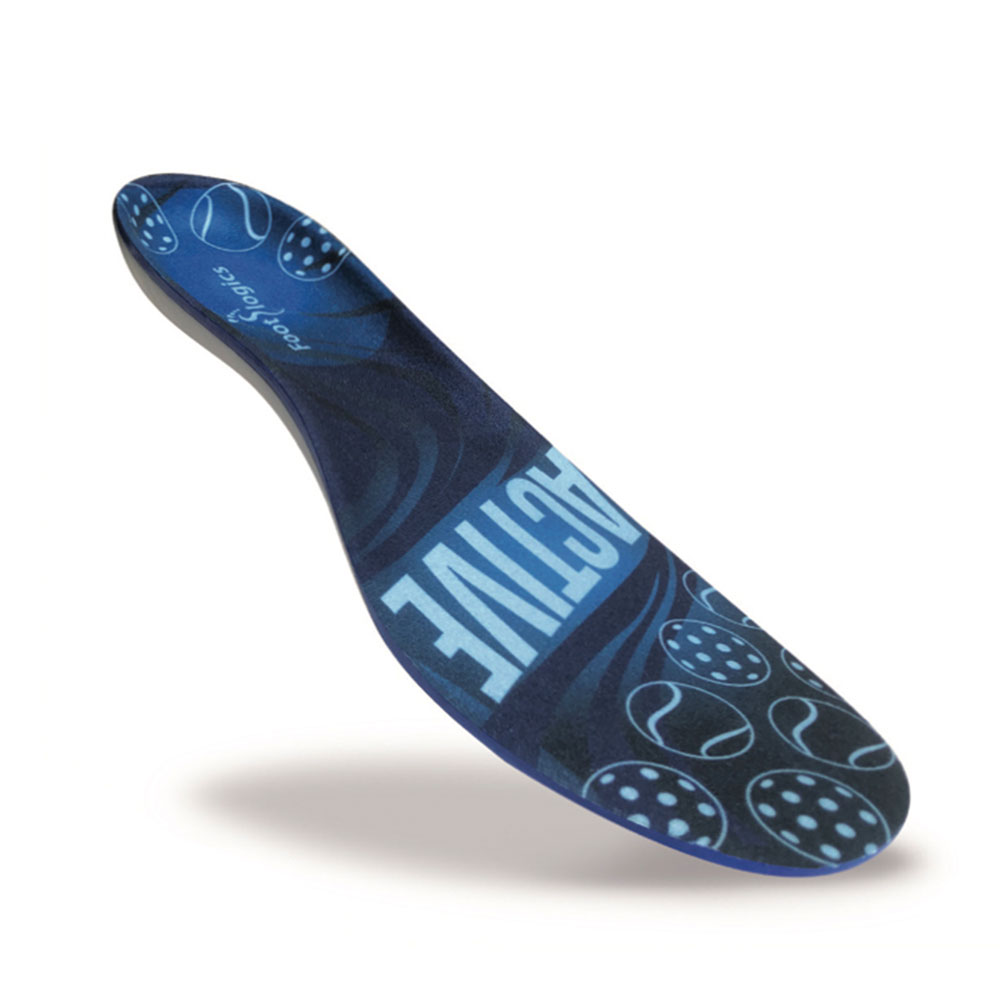
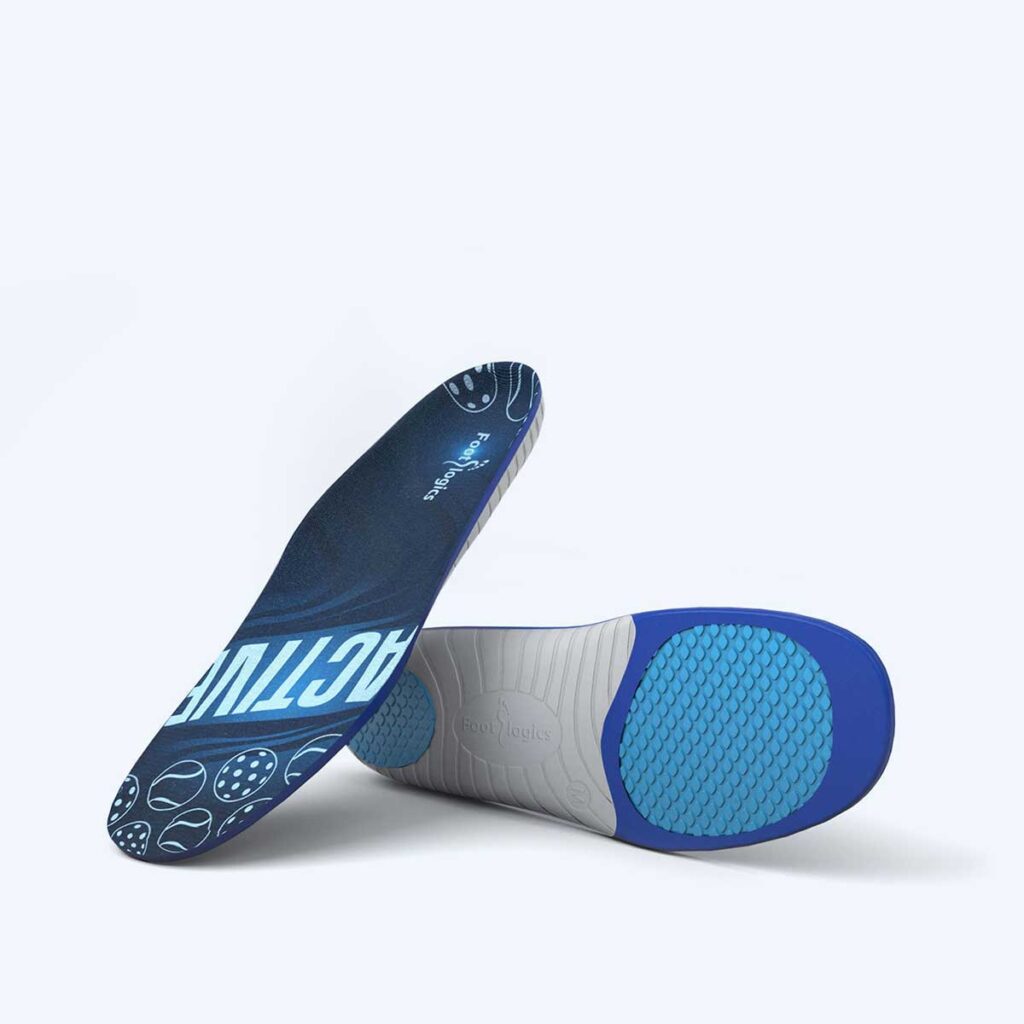
Footlogics ACTIVE
$39.95
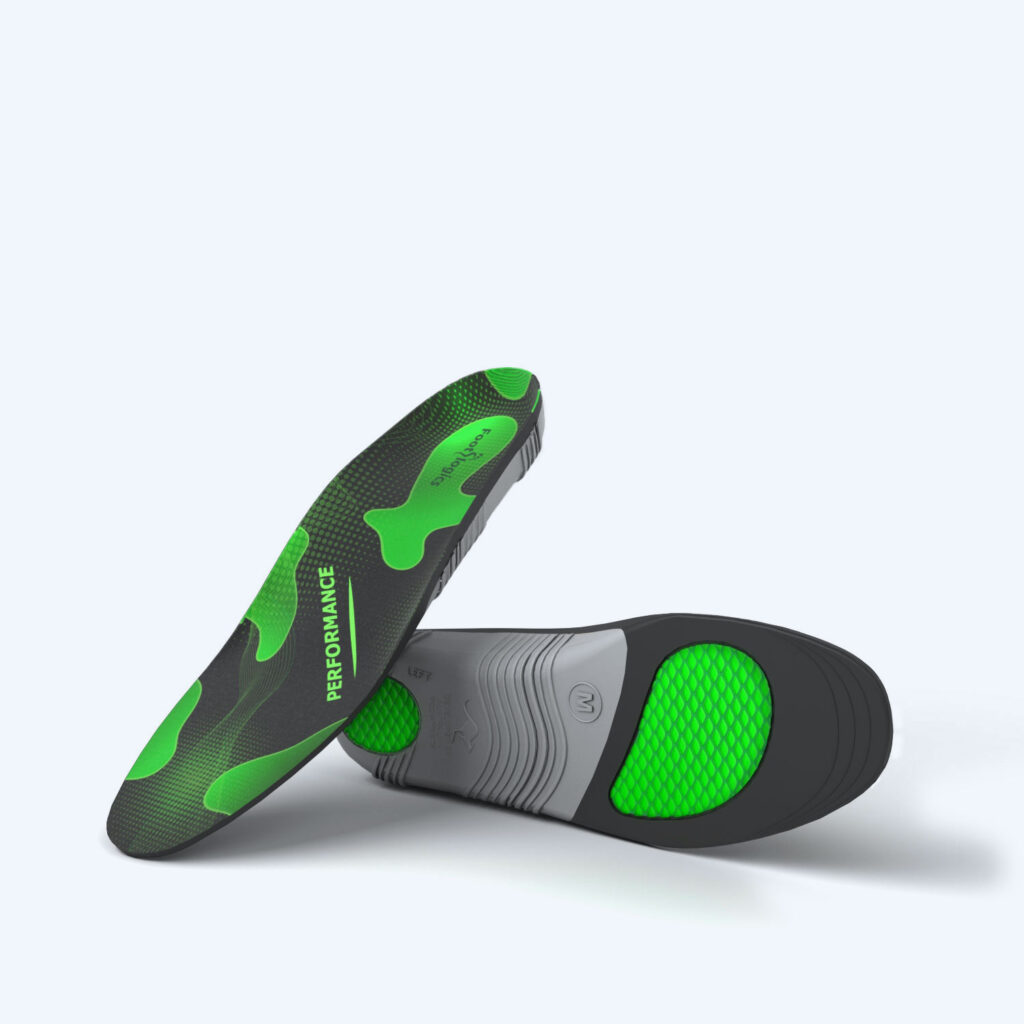
Footlogics PERFORMANCE
$39.95
If you have high arches, you may experience aching feet, pressure beneath the heel or ball of the foot, and discomfort during prolonged standing, walking or running. Some people with high arches also tend to place more weight along the outside of their feet, a movement pattern commonly described as supination or underpronation.
The right insoles for high arches can help improve comfort by supporting the natural contours of the foot, redistributing pressure and providing cushioning where it is needed most.
Footlogics offers podiatrist-designed orthotic insoles for people with high arches and supinated foot mechanics. Our Performance orthotics are specifically developed for high-arched feet, while our Active insoles offer an alternative for sports and activities involving frequent changes of direction.
In this guide, we’ll explain how high-arch insoles work, what features to look for, and how to choose the most suitable Footlogics orthotics for your feet.
Best Footlogics insoles for high arches and supination
Footlogics high arch and supination orthotic insoles
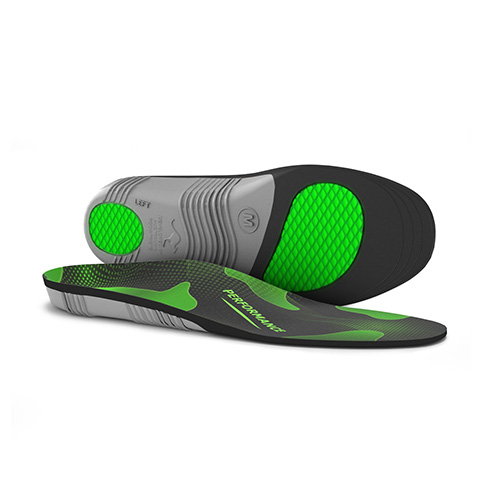
Footlogics Performance — designed for high arches
Our first recommendation for people with high arches and supinated feet.
Footlogics Performance is specifically designed for people with high arches who need additional cushioning and support beneath the foot.
Unlike generic flat insoles, Performance features a pronounced arch contour intended to provide support beneath the elevated arch. Its cushioning materials help improve comfort in areas that can experience concentrated pressure, particularly the heel and forefoot.
Key features include:
-
High-profile arch support designed for high-arched feet.
-
Cushioned polyurethane construction.
-
Flexible TPU support shell.
-
Polymer gel cushioning beneath the heel and forefoot.
-
Contoured metatarsal support.
-
Trim-to-fit design for suitable footwear.
-
Optional lateral wedges for selected people with supinated foot mechanics.
Performance is particularly suitable for everyday walking, prolonged standing, hiking boots and other footwear with sufficient room for a full-length orthotic.
Special feature for supinators: Footlogics can supply optional (free) lateral wedges for selected customers. These wedges alter support along the outside of the orthotic and should be used according to individual foot mechanics. Not everyone who supinates needs lateral posting, and inappropriate wedging can aggravate symptoms.
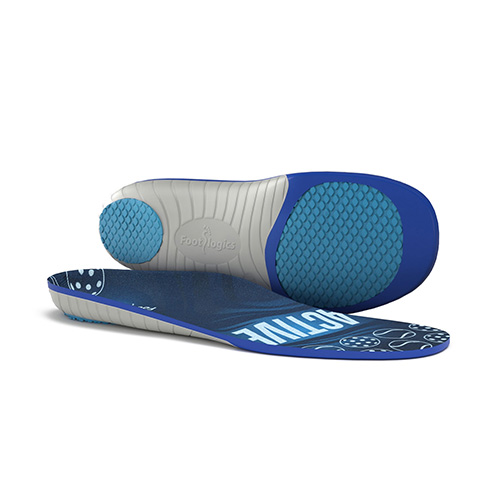
Footlogics Active — high-arch comfort for sports
For people with high arches who regularly participate in tennis, pickleball or other sports involving lateral movement, Footlogics Active is another option worth considering.
Active combines a supportive orthotic structure with cushioning beneath the heel and forefoot, helping provide comfort during repeated movements and changes of direction.
Its design emphasizes:
-
Support during active movement.
-
Heel and forefoot cushioning.
-
Lateral stability features.
-
Comfort during court sports and other athletic activities.
While Performance is specifically designed for high arches and supination, Active may be a useful alternative for people whose primary requirement is support and cushioning during sports.
The best choice depends on your arch shape, footwear and activity rather than sport alone.
How do insoles help people with high arches?
High arches, medically known as pes cavus, describe a foot structure in which the arch remains relatively elevated during standing.
Some high-arched feet are flexible, while others are comparatively rigid. In certain individuals, pressure becomes concentrated beneath the heel and metatarsal heads because less of the midfoot makes contact with the ground.
A properly selected orthotic insole may help in several ways.
1. Redistributing pressure beneath the foot
One of the main objectives of high-arch orthotics is to improve how pressure is distributed across the sole.
An appropriately contoured insole can increase contact beneath the midfoot and potentially reduce concentrated pressure in painful areas.
This is particularly relevant for people experiencing discomfort beneath the heel or ball of the foot.
2. Providing comfortable arch support
High arches require a different approach from collapsed or low arches.
An insole should provide appropriate contact beneath the arch without creating an uncomfortable pressure point.
The goal is not necessarily to force the foot into a different shape. Instead, the support should accommodate the individual’s foot structure while improving comfort and load distribution.
3. Cushioning the heel and forefoot
Some people with high arches experience greater localized loading beneath the heel and forefoot.
Cushioning in these areas can help make walking and standing more comfortable.
The ideal insole combines suitable support with cushioning rather than relying entirely on either a rigid structure or soft foam.
4. Supporting foot and ankle stability
High arches can sometimes be associated with a more supinated foot posture and reduced lateral stability.
Orthotic insoles may influence how the foot loads during walking, although the response varies between individuals.
For people experiencing repeated ankle instability, an assessment by a podiatrist or physical therapist is important. Orthotics may be one component of management alongside appropriate strengthening and balance training.
High arches and supination: are they the same thing?
No. Although high arches and supination are often discussed together, they describe different characteristics of the foot.
High arches (pes cavus) describe the shape or structure of the foot, particularly an elevated medial longitudinal arch.
Supination describes a movement or position involving the foot and ankle. Supination is a normal part of walking and running, but some people maintain a more supinated position or load the outside of the foot more heavily than others.
A person can have high arches without experiencing problematic supination. Likewise, someone may demonstrate a supinated walking pattern without having unusually high arches.
This distinction matters because orthotic selection should be based on symptoms, foot structure and movement patterns rather than assuming everyone with high arches needs the same corrective device.
How to choose the right insoles for high arches
Not every insole marketed as an arch-support product is suitable for a high-arched foot.
Here are five features worth considering.
Appropriate arch height
The insole should provide comfortable contact beneath the arch without pushing excessively into sensitive tissues.
An insole that is too flat may provide insufficient midfoot support, while an excessively high or rigid contour can create discomfort.
The correct arch profile is one that fits your foot comfortably.
Supportive heel cup
A contoured heel cup may help position the heel within the insole and provide a more stable feeling inside the shoe.
Heel cup depth should also be considered alongside footwear fit. An overly bulky orthotic may cause the heel to sit too high inside a shallow shoe.
Cushioning where it matters
For people experiencing concentrated pressure beneath the heel or forefoot, targeted cushioning can be particularly useful.
Materials such as polyurethane foam and polymer gel are commonly used to provide cushioning in these areas.
Suitable support structure
Some orthotics use a flexible shell to maintain their shape, while others rely on molded foam or a combination of materials.
The ideal stiffness depends on the person’s foot structure, pressure sensitivity, symptoms and footwear.
A firmer insole is not automatically better for every high-arched foot.
Correct fit and shoe compatibility
An orthotic should fit securely inside the shoe without crowding the toes or causing heel slippage.
Where possible, remove the shoe’s original factory insole before inserting a full-length orthotic.
Check that the arch contour aligns with your foot and that the heel sits comfortably within the shoe.
Which insole materials are best for high arches?
Different materials serve different purposes in orthotic construction.
Polyurethane (PU) foam: Often used where cushioning and resilience are important. It can provide a comfortable base for orthotic support.
EVA foam: Available in different densities, allowing manufacturers to balance cushioning and structural support.
TPU and other plastic support shells: Used in some orthotics to maintain their shape and provide controlled flexibility.
Gel cushioning: Often incorporated beneath the heel or forefoot to improve localized comfort.
Memory foam: Can provide a soft initial feel but may offer less structural support when used alone.
Rather than choosing an insole based on a single material, consider how the complete design combines support, cushioning and fit.
Footlogics Performance uses cushioning polyurethane, a flexible TPU shell and polymer gel padding to address these different requirements.
Insoles for high arches: walking, running, sports and work boots
Walking and everyday shoes
Full-length orthotics can be a practical choice for everyday sneakers and walking shoes, particularly when the original insoles are removable.
Footlogics Performance is designed to provide high-arch support and cushioning for daily activities.
Running shoes
Running shoes vary considerably in cushioning, stability and internal volume.
People with high arches should choose insoles that work comfortably with their existing running shoes rather than automatically adding the firmest or thickest orthotic available.
Make changes gradually, particularly if you are already managing foot or ankle pain.
Tennis and pickleball
Court sports involve repeated lateral movement, quick stops and changes of direction.
For active people who want cushioning and lateral support, Footlogics Active may be worth considering.
Hiking and work boots
Many hiking and work boots have removable insoles and sufficient internal volume to accommodate a full-length orthotic.
Footlogics Performance can be used in suitable boots, provided the insole fits securely and does not create excessive pressure.
Dress shoes and low-volume footwear
Slim dress shoes may not accommodate a full-length, high-profile orthotic.
In these cases, footwear fit should take priority. A lower-volume orthotic or a different shoe may be necessary.
Avoid forcing an insole into footwear that becomes too tight.
Do you need custom orthotics for high arches?
Not everyone with high arches requires custom-made orthotics.
For people with mild symptoms and relatively uncomplicated foot structures, a well-fitting prefabricated orthotic may be a reasonable starting point.
Custom orthotics may be appropriate when symptoms persist, the foot has a substantial structural deformity, or an individualized design is needed.
A podiatrist can assess foot flexibility, pressure distribution, ankle stability and other factors before recommending a particular orthotic.
The most important consideration is whether the device meets the person’s needs, not simply whether it is custom-made or purchased over the counter.
What does research say about orthotics for high arches?
Clinical research provides evidence that foot orthoses can help certain people with painful high-arched feet.
A randomized controlled trial published in the Journal of the American Podiatric Medical Association examined 154 people with painful pes cavus.
Participants receiving custom foot orthoses experienced greater improvements in foot pain and function over three months compared with those receiving sham insoles.
Read the clinical trial by Burns and colleagues (2006).
A subsequent analysis published in the Journal of Foot and Ankle Research investigated how orthotic treatment may influence pain and plantar pressure in people with painful cavus feet.
The findings support the importance of pressure redistribution, although the precise relationship between pressure changes and symptom improvement remains complex.
Read the study on orthotic mechanisms (2014).
The Cochrane review of interventions for pes cavus also reported benefits from custom orthoses compared with sham devices, while noting that the overall evidence base was limited.
What does this mean for consumers?
Research supports orthotic treatment as a potentially helpful option for painful high arches. However, these studies do not establish that every orthotic design, including every prefabricated insole, will produce the same results.
Choosing an appropriate insole remains an individual decision based on foot structure, symptoms and comfort.
Frequently asked questions about insoles for high arches and supination
1. What are the best insoles for high arches?
The best insoles for high arches generally combine an appropriate arch contour, heel and forefoot cushioning, and a secure fit inside the shoe. Footlogics Performance is specifically designed for high-arched feet, while Footlogics Active is another option for certain sporting activities.
2. Do high arches need firm or soft insoles?
High-arched feet often benefit from a combination of support and cushioning. Some people prefer a more structured orthotic, while others need a more accommodating design because their feet are sensitive to pressure. Neither very firm nor very soft insoles are automatically best for everyone.
3. Can insoles correct supination?
Insoles may influence foot loading and improve comfort, but they cannot be relied upon to permanently correct supination. Supination is also a normal component of foot movement. When excessive lateral loading causes symptoms, an appropriately selected orthotic may form part of a broader management plan.
4. Are high arches and supination the same condition?
No. High arches describe the structure of the foot, while supination describes a movement or position of the foot and ankle. They can occur together, but one does not necessarily imply the other.
5. Do I need custom orthotics for high arches?
Not necessarily. Some people find suitable prefabricated insoles comfortable and supportive. Custom orthotics may be considered for complex foot shapes, significant deformity or persistent symptoms requiring individualized assessment.
6. Are high-arch insoles good for running?
They can be helpful for some runners, particularly when additional support or cushioning improves comfort. The insole must work with the running shoe and should not create pressure points, instability or excessive tightness.
7. Can high-arch insoles help with pain in the ball of the foot?
Some people with high arches experience concentrated pressure beneath the metatarsal heads. Appropriately designed orthotics may help redistribute pressure and improve comfort. Persistent forefoot pain should be assessed to identify its cause.
8. Should supinators use lateral wedges?
Not everyone who supinates needs a lateral wedge. Wedges change the loading characteristics of an orthotic, and their effects depend on individual foot mechanics. They are best selected with professional guidance, especially when ankle instability or significant deformity is present.
9. How long does it take to get used to high-arch insoles?
Some people feel comfortable immediately, while others need a gradual adjustment period. Start with shorter periods of wear and increase use as tolerated. Persistent pain, rubbing or pressure beneath the arch indicates that the fit or design may need reassessment.
10. Can orthotic insoles prevent ankle sprains in people with high arches?
Orthotics may influence comfort and foot loading, but they should not be considered a guaranteed method of preventing ankle sprains. People with recurring ankle instability may also benefit from balance exercises, strengthening, appropriate footwear and professional assessment.
11. Can I use high-arch insoles in work boots?
Yes, provided the boots have sufficient internal room and the insoles fit correctly. Footlogics Performance is designed for suitable lace-up footwear, including work boots and hiking boots.
12. Are Footlogics Performance insoles suitable for supinators?
Footlogics Performance is designed for people with high arches and supinated foot mechanics. It provides a pronounced arch contour and cushioning beneath the heel and forefoot. Optional lateral wedges are available for selected individuals, but their suitability should be assessed rather than assumed.
Learn more about high arches and supination
Understanding your foot structure can help you make better decisions about footwear, orthotic support and everyday foot care.
High arches and supination may be associated with concentrated foot pressure, discomfort or ankle instability, although many people with high arches experience no symptoms.
For more information about causes, symptoms, physical therapy and exercises, explore our High Arches & Supination guide. A dedicated guide to high arches and supination will also be available as we expand our educational resources.
If you are looking for an orthotic specifically developed for high-arched feet, explore Footlogics Performance.
Medical disclaimer: This article is intended for general educational purposes. New, progressively worsening or one-sided high arches, particularly when accompanied by muscle weakness, numbness or balance problems, should be assessed by a healthcare professional.
