Orthotic insoles to help
with Low Back Pain
Low back pain is very common, with millions of Americans suffering every day. Back pain is generally caused by bad body posture, especially when sitting for long hours at work or at home. However, the low back pain you experience standing for long periods of time is likely linked to your feet. Footlogics orthotics can help relieve this type of ‘biomechnical’ back pain.
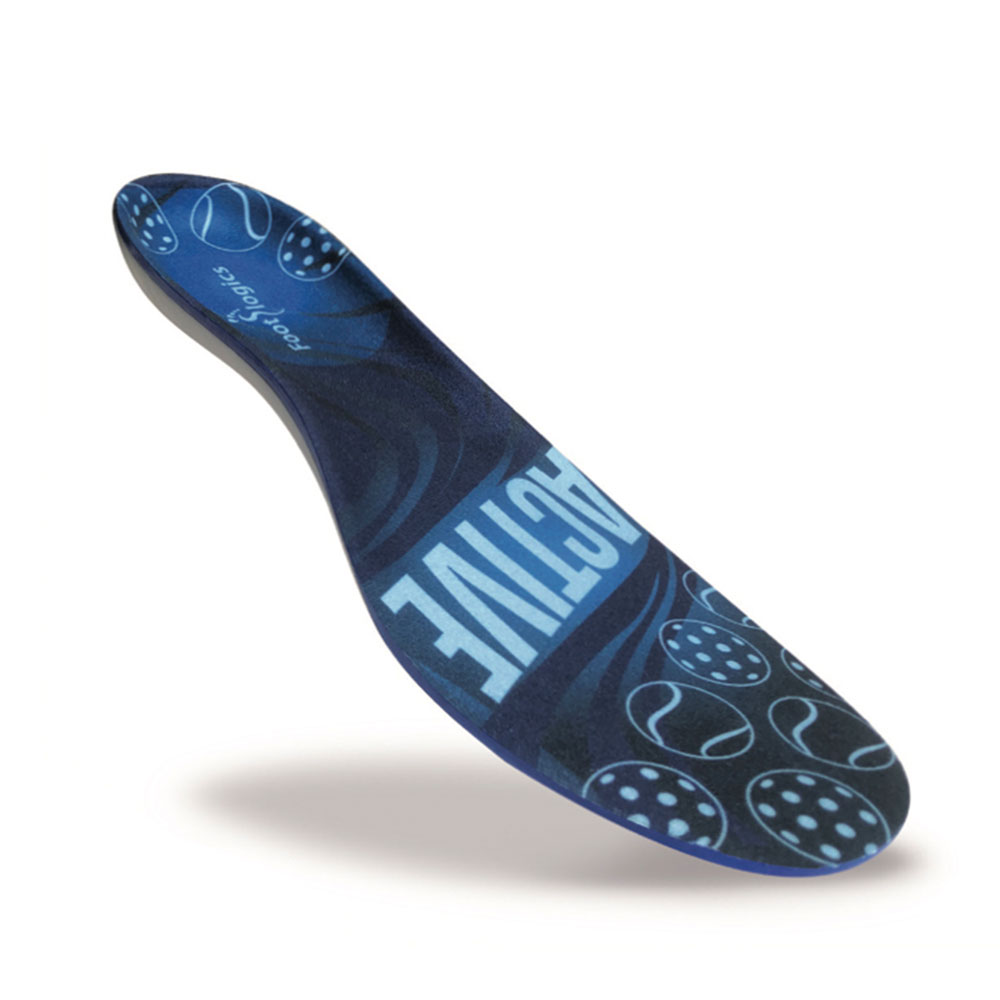
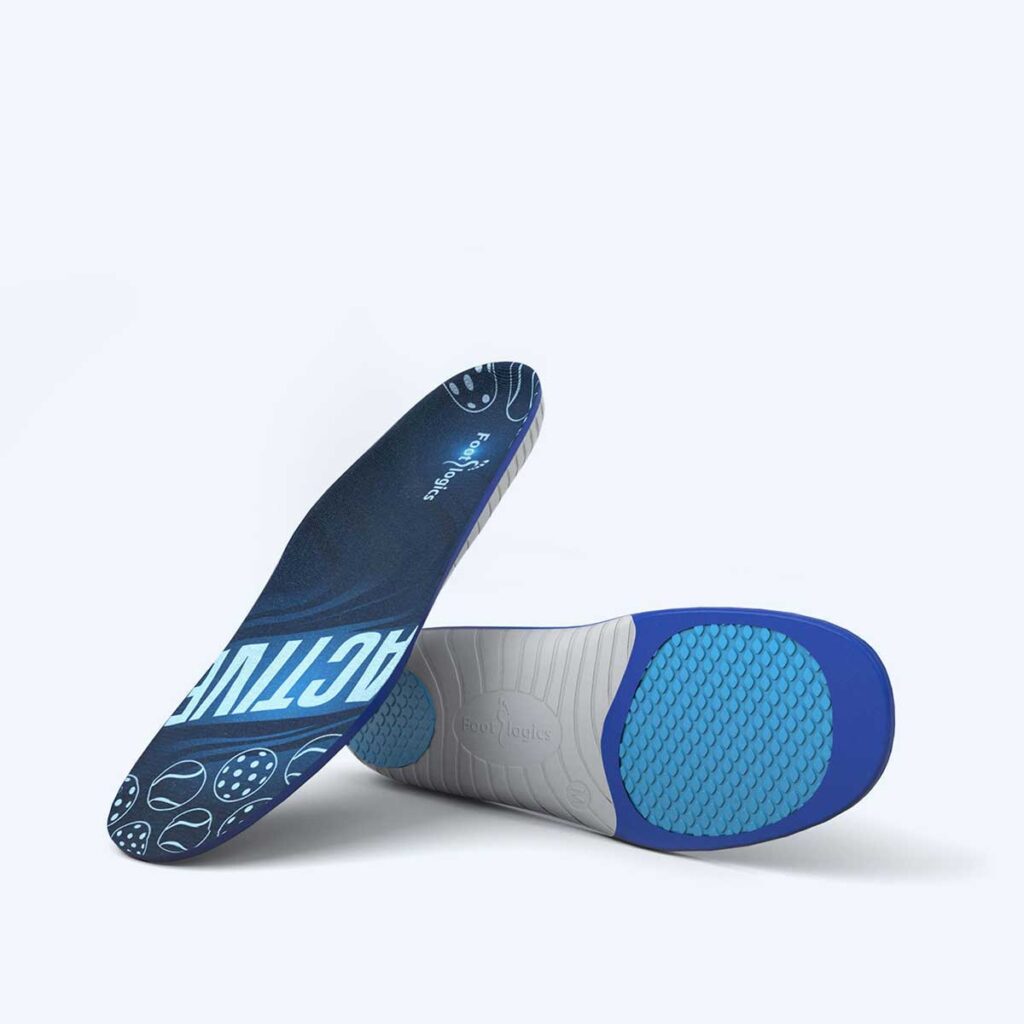
Footlogics ACTIVE
$39.95
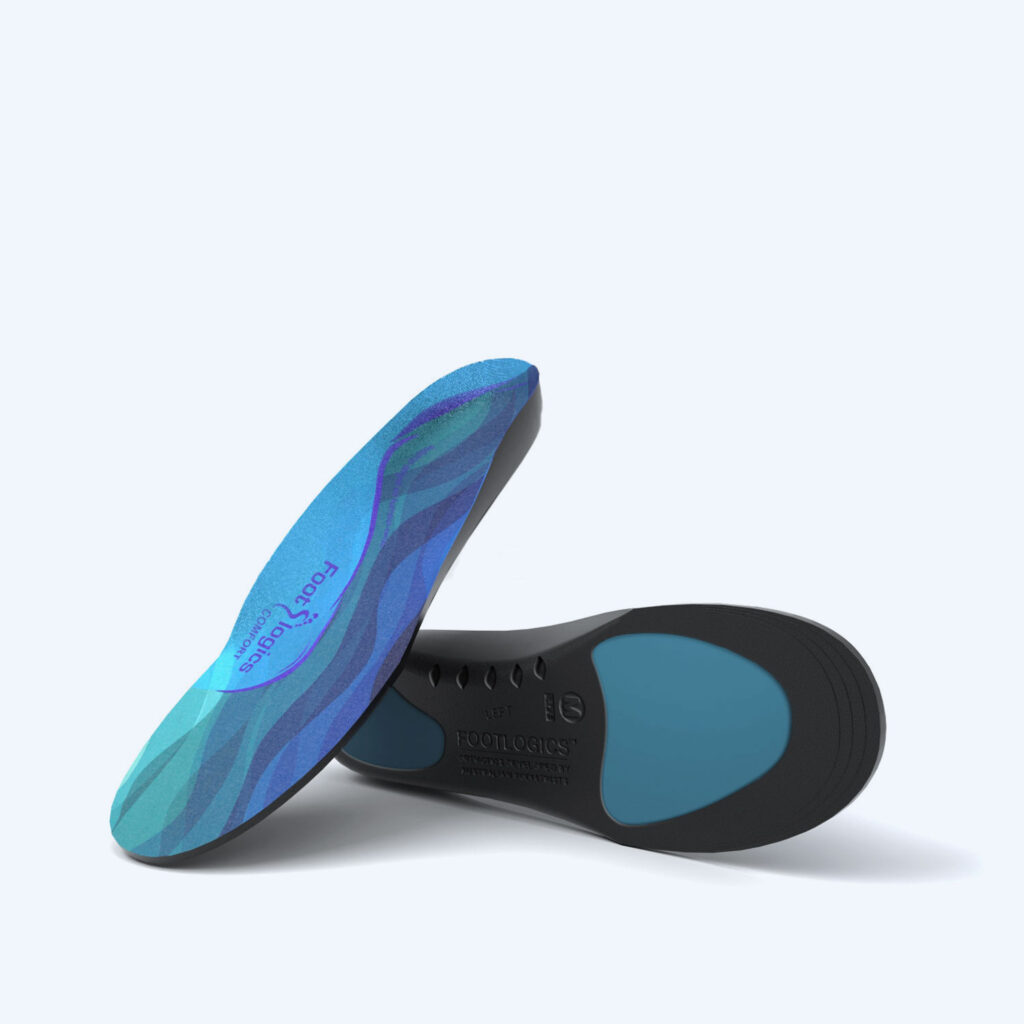
Footlogics COMFORT
$36.95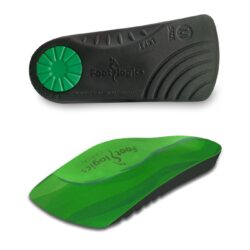
Footlogics CASUAL
$32.95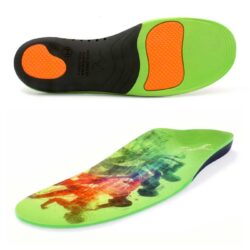
Footlogics SPORTS
$39.95
Understanding Low Back Pain
Low back pain (LBP) is a frequent health issue all over the world. People with back pain often experience a dull, persistent pain in the lower back, which can worsen after prolonged standing, walking, or some sports activities. The pain may be accompanied by stiffness in the back, especially after periods of rest. Some people also feel pain that radiates to the hips or legs. These complaints can significantly limit daily functioning.
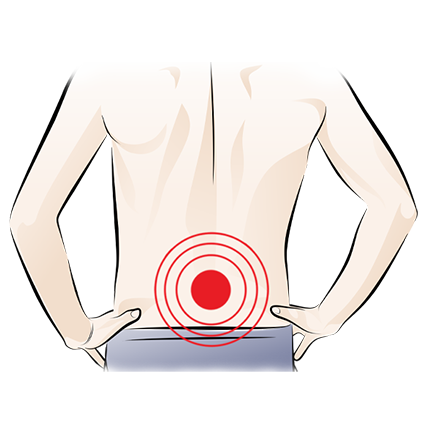
The usual symptoms are:
localized lower spine pain
spasms or muscle tightness
limited flexibility or motion
pain while bending, lifting, or standing/walking for lengthy periods
The majority of low back discomfort is not caused by a fracture or malignancy. Instead, it’s typically biomechanical, meaning lower back muscles, ligaments, joints, or discs are strained or irritated. Posture, movement, and biomechanics are key.
Common Low Back Pain causes
Muscle/ligament strain: sudden movements, heavy lifting, and poor posture can strain muscles and ligaments, causing discomfort.
Disc Issues: bulging or ruptured discs can strain on nerves, especially if buttocks or leg discomfort occurs.
Degenerative Changes: age-related spinal joint and disc changes can cause persistent discomfort.
Poor Posture & Repetitive Movements: slouching at a desk for hours, lifting without bending knees, and twisting repeatedly strain the lower back.
Biomechanical Factors: how you move, especially while walking and doing other daily tasks, might affect your spine stress. This involves foot mechanics like over-pronation
Low back pain and your feet
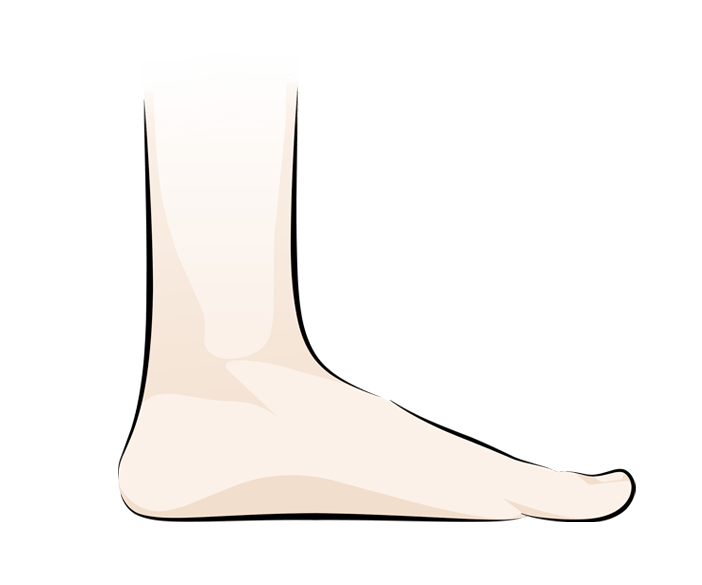
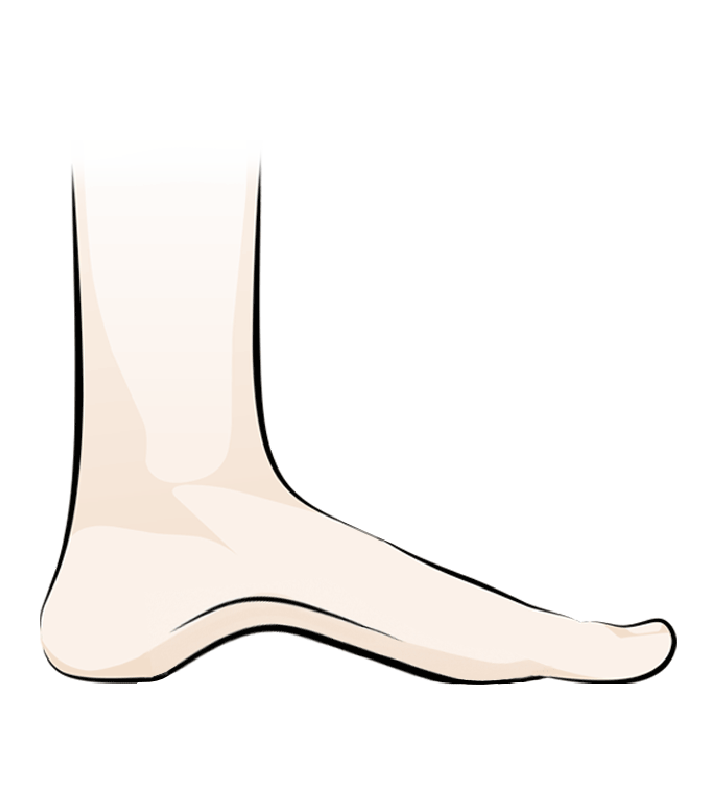
Your feet may not seem to be related to your back, but biology suggests otherwise. Body support begins with the feet. In walking and standing, their alignment and function affect forces up your legs, hips and spine. According to a study conducted in the United States the nature of a person’s foot stance and gait (the way you walk) can be a major reason for chronic lower back pain. Lower back pain originating from the feet occurs when issues in foot alignment or gait patterns lead to overloading of the back muscles and the spine. The feet form the foundation of our body, and when there are deviations, such as flat feet, high arches or over-pronation, it can trigger a chain reaction that affects the knees, hips, and ultimately the lower back. This forces the back muscles to work harder.
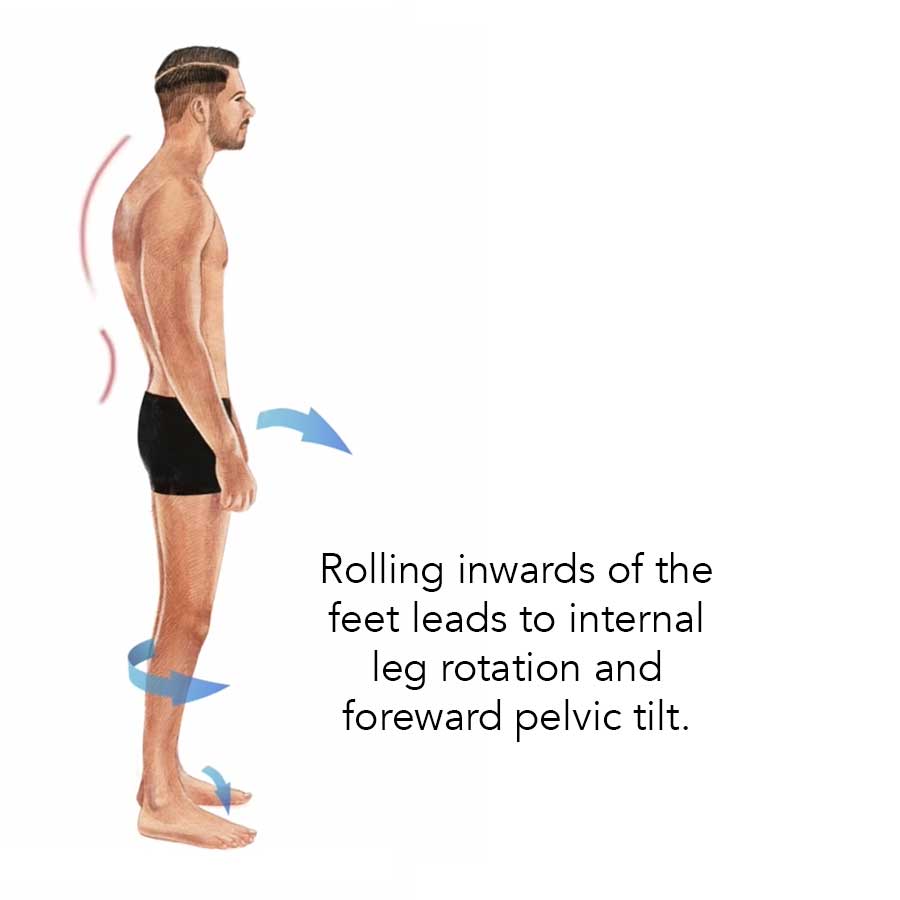
When your feet over-pronate (roll inwards excessively), it puts the entire body out of balance. Over-pronation causes your legs to rotate inwards and this makes your pelvis tilt forward. As a result your spinal curvature increases and the continuous tension on your lower back muscles causes pain and discomfort.
Fortunately, this type of back pain can often be alleviated by addressing the underlying foot problems. In the aforementioned study the subjects of the study reported a 68% improvement in their lower back pain after being fitted with foot orthotics!
Studies that link your feet to back problems
Over-pronation occurs when the foot rolls inward too far upon landing. This might affect your knee, hip, and lower back gait compensation. In women, pronated foot function (the dynamic behavior of the foot during walking) is linked to low back pain. The Framingham Foot Study found that pronation was associated with a 1.5x higher risk of low back pain, even after controlling for age, weight, and other characteristics.
Another gait research indicated that patients with low back pain and pronated feet had greater vertical forces and loading rates than those without LBP, suggesting a relationship between changed mechanics and back discomfort. Researchers discovered variations in muscle activation and joint motion while walking in persons with pronated feet (particularly those with back discomfort), suggesting that foot posture might alter the entire lower limb kinetic chain.
Treatment Options
01.
Conservative Self-Care
Most acute low back pain sufferers recover with:
- Walking gently, plus hot or cold packs
- OTC painkillers
- Exercises
- Posture correction
Exercise is one of the most recommended chronic low back pain therapies. Core strength, pelvic stability, and hip/hamstring stretching unload the spine. A large evaluation of non-surgical therapies found that exercise is one of the only methods consistently associated to chronic LBP pain alleviation, whereas many other popular treatments may only help short term or not at all.
02.
Manual therapies
Manual therapies like Physical Therapy or treatment by a Chiropractor can be very useful for chronic lower back pain. Most therapists these day will also look at the stance of your feet. A patient whose feet and ankles tend to roll inward will usually be advised to buy a pair of over-the-counter orthotics.
03.
Foot orthotics and back pain studies
Since the feet are important to biomechanics, there’s rising interest in whether orthotics—custom or prefabricated shoe inserts—can relieve low back pain by enhancing foot function. Custom-made foot orthoses improved chronic low back pain in pronated foot patients over four weeks, according to a randomized study.
A meta-analysis in impairment and rehabilitation found that foot orthoses may considerably improve pain and impairment in LBP patients, however additional study is needed due to low evidence quality.
Despite inconsistent evidence and the lack of orthotics in most professional guidelines, a systematic review on insoles and back pain found theoretical and anecdotal support for their use, particularly in persons with aberrant foot mechanics such over-pronation.
Conclusion: biomechanical research suggest that altering foot posture may modify how forces flow up the body, reducing lower back compensating strains.
Footlogics orthotics for low back pain
Footlogics orthotics reduce over-pronation of the feet, in turn this helps prevent internal rotation of the legs and stops your pelvis from tilting forward. Your body posture improves greatly and the tension on your lower back muscles is reduced significantly. In addition to wearing orthotics, we also recommend some simple stretching and strengthening exercises on a daily basis. Stretching your hamstrings for instance helps relieve pain and tension in your lower back. You can also seek guidance from a physical therapist or chiropractor.
Lower back pain originating from the feet occurs when issues in foot alignment or gait patterns lead to overloading of the back muscles and the spine. The feet form the foundation of our body, and when there are deviations, such as flat feet, high arches, or over-pronation, it can trigger a chain reaction that affects the knees, hips, and ultimately the lower back. This forces the back muscles to work harder. This type of back pain can often be alleviated by addressing the underlying foot problems.
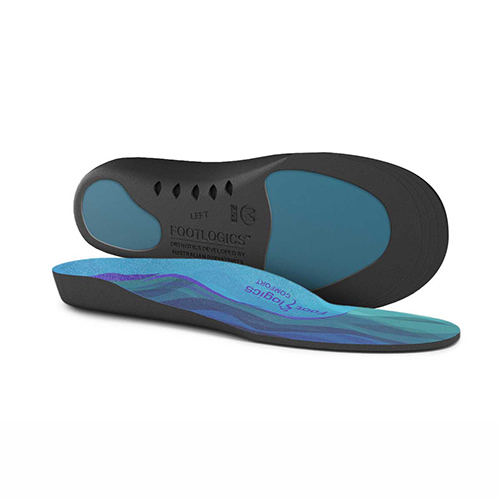
Footlogics Comfort
A full-length orthotic with high arch support and deep heel cup, designed to stabilise the feet and ankles and prevent excess pronation – one of the major contributing factors to knee complaints
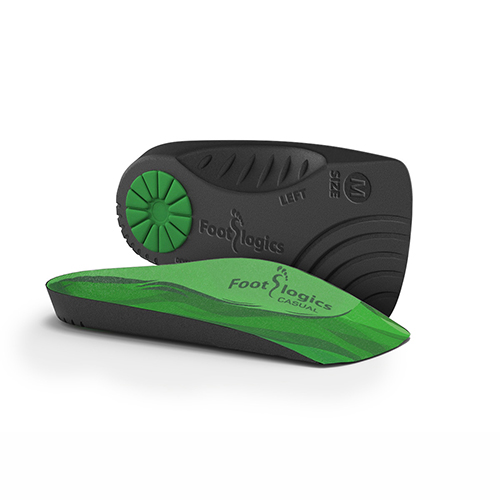
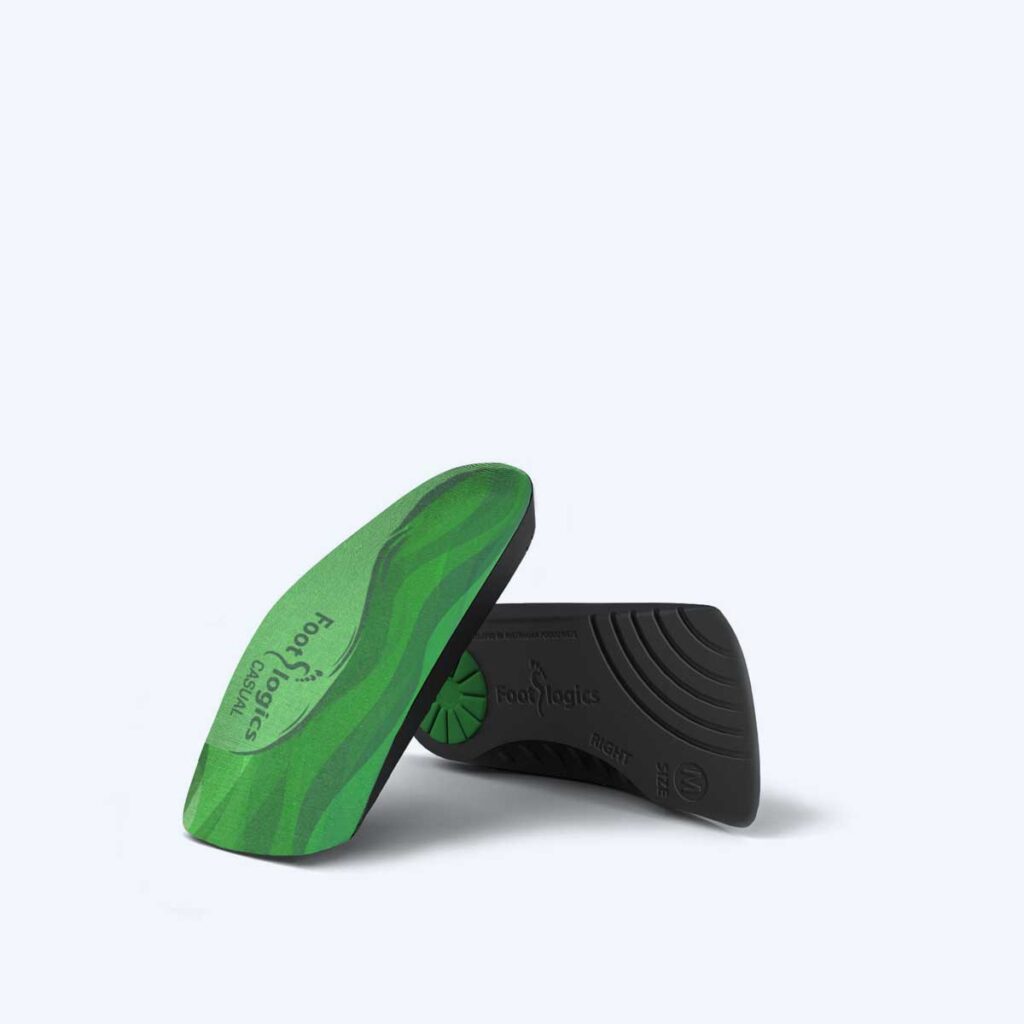
Footlogics Casual
This orthotic features the same as biomechanical arch support, but is easier to fit in shoe with limited space in the forefoot (narrow toe box).
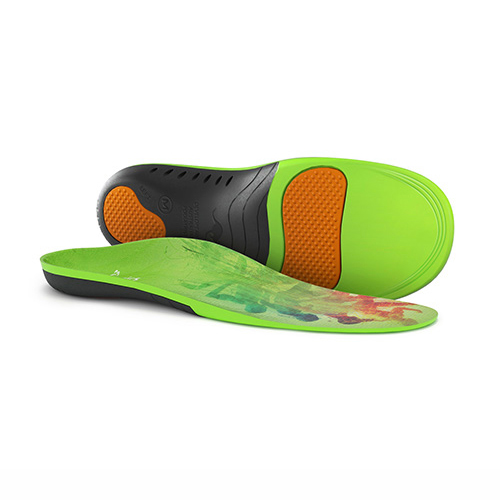
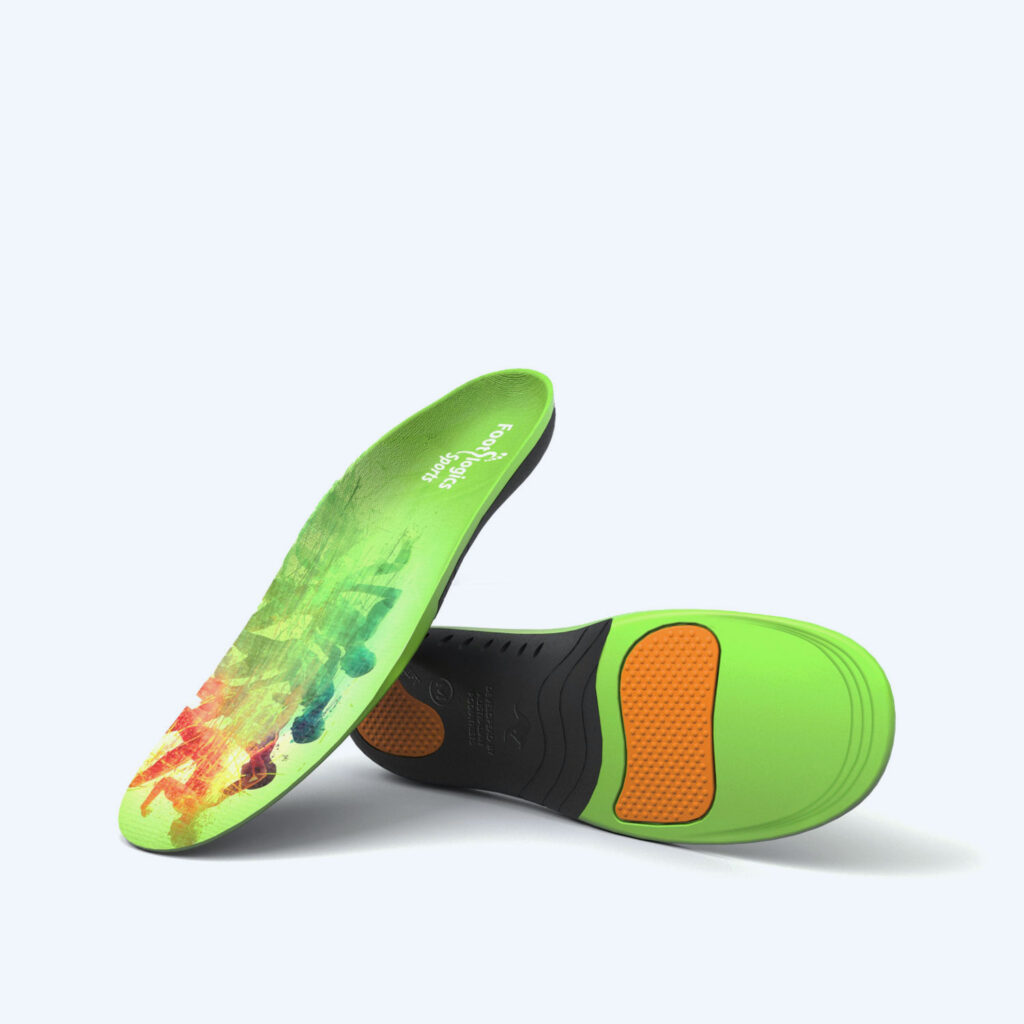
Footlogics Sports
Lower back pain can occur in athletes after sports and/or running. Footlogics Sports re-aligns the lower limb, providing more stability and support, which in turn helps our knees and lower back.
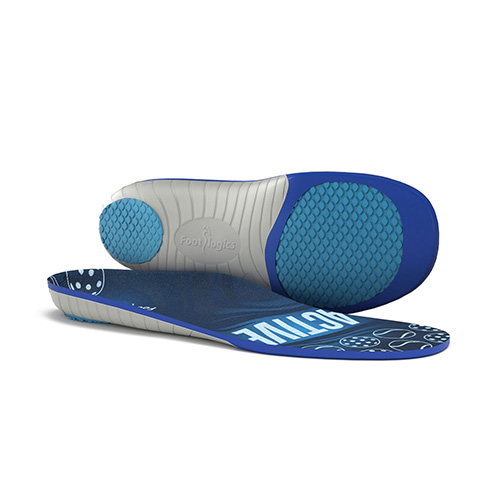
Footlogics Active
Pickleball and tennis can be strenuous and lead to low back issues. This cushioning orthotic insole limits excess pronation, a leading factor in low back pain during standing and moving.
In short...
Low back discomfort is common but improves with conservative therapy and exercise. Foot mechanics, especially over-pronation, can change gait and cause strain in the lower back. Foot orthotics may reduce LBP pain and impairment, especially in cases of aberrant foot function. More study is needed, but foot and gait tests may assist with targeted back pain therapies. A podiatrist or physical therapist’s study of your gait can assist to determine to what extend your feet are causing back discomfort.
Lower back complaints related to foot posture are investigated by analyzing the walking pattern and pressure distribution. Orthotics, exercises, and/or footwear alterations can improve your body posture and mobility.
FAQs about back pain orthotics
Back pain can often be traced back to foot problems, as the way we walk and stand affects our overall body alignment and can lead to discomfort in the lower back. When your feet aren’t properly supported, the kinetic chain—the connected sequence from your feet through your ankles, knees, hips, and lumbar spine—becomes disrupted. This is where orthotic insoles can provide relief.
Whether you’re dealing with chronic back pain from flat feet, overpronation, or simply standing on hard floors all day, the right shoe inserts can reduce stress on your spine. Below, we answer the most common questions about using orthotics for back pain relief.
Q1: Can orthotics really help with lower back pain?
Yes—when back pain stems from biomechanical issues in the feet. Addressing foot-related issues is crucial for relieving back pain, as proper foot alignment can help restore balance and reduce stress on the back muscles. When your feet overpronate (roll inward) or have fallen arches, your tibia rotates, shifting your hips and increasing pressure on the L4-L5 and L5-S1 spinal segments. Custom orthotics can significantly reduce the strain on the lower back by ensuring that the kinetic chain from the feet through the legs and into the back is properly aligned, thus preventing compensatory stress that leads to pain. Studies show 60-80% of people with misalignment-linked lower back pain experience symptom improvement.
Q2: Do I need custom orthotics or are OTC insoles enough?
Custom orthotics are specifically designed to support the unique shape and biomechanics of an individual’s feet, which can help alleviate lower back pain by correcting foot alignment and improving posture. However, prescription orthotics typically cost $400-800. Generic insoles may provide temporary comfort but often fail to address the specific biomechanical issues causing lower back pain, whereas custom orthotics are tailored to individual foot structures and needs. Medical-grade OTC brands like Footlogics, Superfeet, Powerstep, and Dr. Scholl’s offer effective alternatives at $30-60, with Footlogics providing podiatrist-designed support that rivals customs for many users.
Q3: How do Footlogics insoles differ from other brands?
Footlogics emphasizes biomechanical correction over mere cushioning. Key features include a deep heel cup for heel stabilization, multiple arch height options (low, normal, high), and shock-absorbing materials that absorb shock traveling up to your spine. A deep heel cup, in conjunction with arch support, is important for stabilizing the heel bone and ensuring proper alignment, which can help alleviate strain on the back. Unlike some Dr. Scholl’s lines focused primarily on softness, Footlogics targets the root cause of knee pain, hip pain, and back pain through improved posture and gait correction.
Q4: Which Footlogics insoles are best for back pain?
Footlogics offers specialized ranges: Comfort for daily activities in dress shoes, Workmate for work boots on concrete floors, Sports for athletic shoes and running, and Kids for children with flat feet. For pickleball players—a sport with lateral cuts that increase tibial rotation by 15-20%—Footlogics offers a dedicated pickleball orthotic engineered for quick stops and court impacts while playing sports.
Q5: How long do orthotics take to relieve lower back pain?
Most people experience lower back improvement within 2-4 weeks. Start wearing orthotics 1-2 hours daily, gradually increasing to full wear as muscles adapt to the new posture. Soft or accommodative orthotics offer cushioning and shock absorption and are often used for conditions like arthritis or pain from prolonged standing. If pain persists beyond 4-6 weeks, consult a podiatrist—your symptoms may have other causes.
Q6: Can I use orthotics for sports if I already have back pain?
Absolutely. Cushioned or semi-rigid orthotics act as shock absorbers for the entire body, reducing impact during activity. Arch support plays a crucial role in ensuring your body’s alignment is healthy, helping to prevent fatigue and injury by allowing your feet to carry their load efficiently. Supporting the arch of the foot helps correct biomechanical issues like overpronation, which can lead to back pain and other musculoskeletal problems. The Footlogics Sports range and pickleball orthotic improve stability during high-impact movements while protecting your spine.
Q7: Are orthotics safe with a herniated disc or sciatic nerve issues?
Orthotics for relieving back pain generally fall into two categories: foot orthotics and spinal orthotics. Spinal orthoses provide structural support to various segments of the spine, limiting painful motions and maintaining posture. Lumbosacral Orthosis (LSO) includes corsets and rigid braces used frequently for disc herniation and chronic back pain. Foot orthotics can reduce aggravating forces but don’t cure disc pathology—use them alongside physiotherapy or doctor recommendations, and avoid during acute inflammation.
Q8: How does Footlogics pricing compare?
While custom devices exceed $500, Footlogics offers affordable OTC pricing with free USA shipping and a 30-day money-back guarantee—matching or exceeding competitors like SOLE’s policies. Superfeet and Powerstep range $40-60; Upstep semi-customs cost $300+.
Q9: Can children’s orthotics prevent future back pain?
Yes, kids orthotic insoles support arch development in children with flat feet, potentially reducing knee, hip, and back issues by 25-40% long-term through early correction.
Q10: How do I know if my back pain comes from my feet?
Look for uneven shoe tread wear (especially medial heel), concurrent plantar fasciitis or heel pain, and discomfort that worsens after you stand or walk on a daily basis. Lower back pain can often be attributed to foot-related issues, such as poor alignment and gait inefficiencies, which can place excessive strain on the back muscles. Custom orthotics can help alleviate lower back pain by providing the necessary support to correct foot alignment and address biomechanical dysfunctions that contribute to back pain. Trial orthotics or seek a podiatry assessment if common issues persist.
Ready to address your back pain from the ground up? Explore the Footlogics range with free USA shipping and a 30-day money-back guarantee.
what customer say..
REAL RELIEF. REAL RESULTS.
Proven arch support and relief. Trusted by millions.
Over 2 Million Pairs Sold
WHAT MAKES FOOTLOGICS DIFFERENT?
Footlogics orthotics are designed to deliver medical-grade support and relief — without the cost or wait time of custom orthotics.

TGA-Approved Medical Device
Meets strict medical standards

Developed by Podiatrists
Created for real foot conditions, not generic comfort

Trusted by Health Professionals
Recommended by doctors and physical therapists worldwide

Over 2 Million Pairs Sold
Proven support for everyday life, work, and sport

Available in 20+ countries
Trusted by customers across the globe

Australia’s #1 Orthotic Insole
Leading podiatrist-designed support brand
SHOP BY FOOT COMPLAINT
common aches & pains
Learn more about different foot conditions and how Footlogics orthotics can help..