Orthotic insoles for Knee Pain
Knee pain is a very common complaint, caused by a range of different factors including age, weight gain, overuse or resulting from sports activities like tennis, pickleball, soccer, football or basketball. Often, poor foot biomechanics (e.g. over-pronation) play a roll and orthotics can make a big difference – especially when combined with some simple, daily exercises.
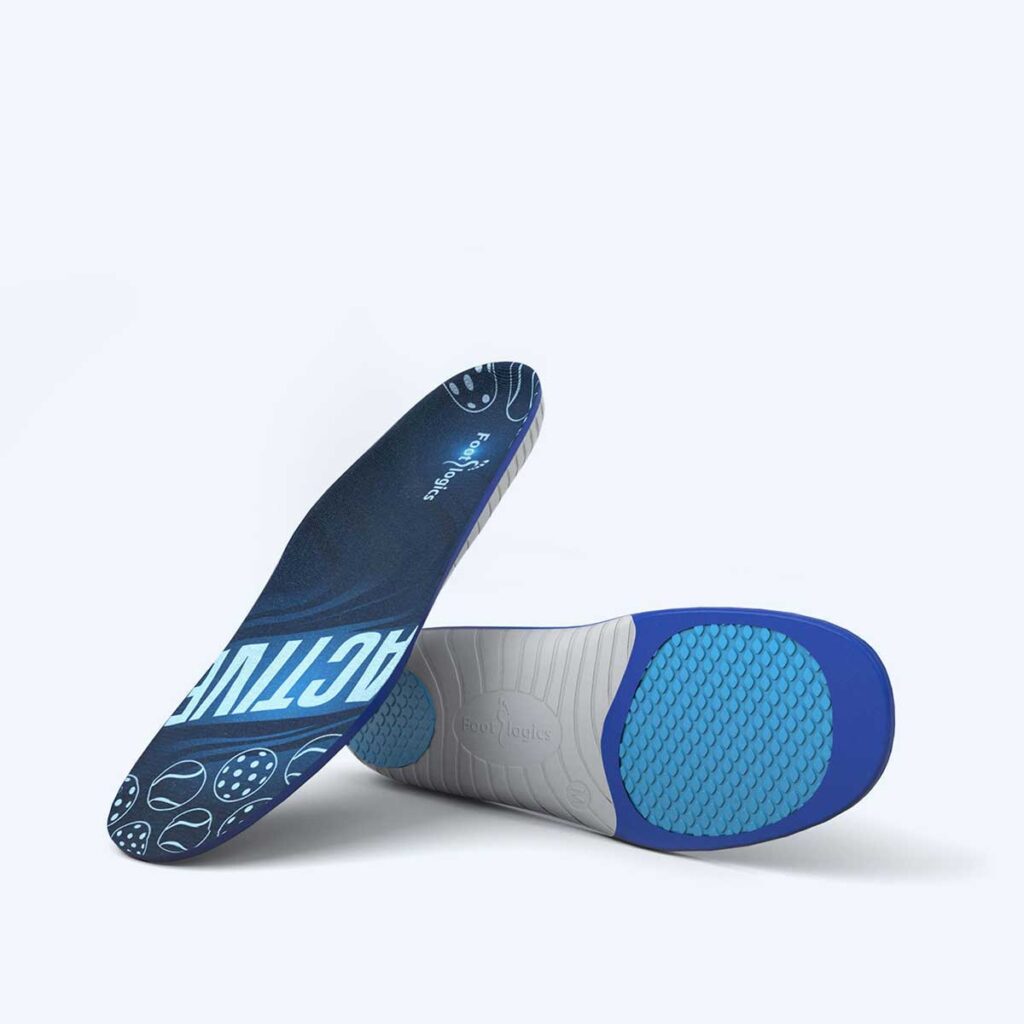
Footlogics ACTIVE
$39.95
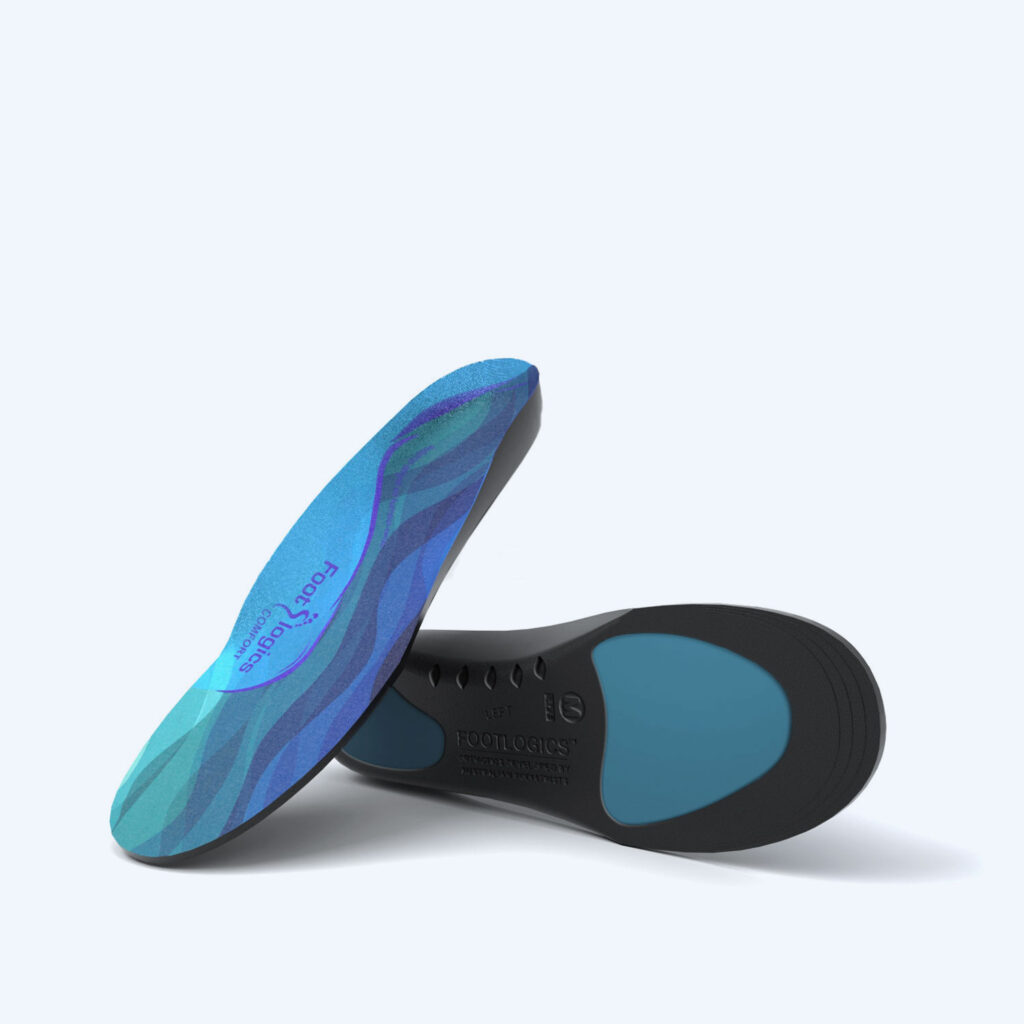
Footlogics COMFORT
$36.95
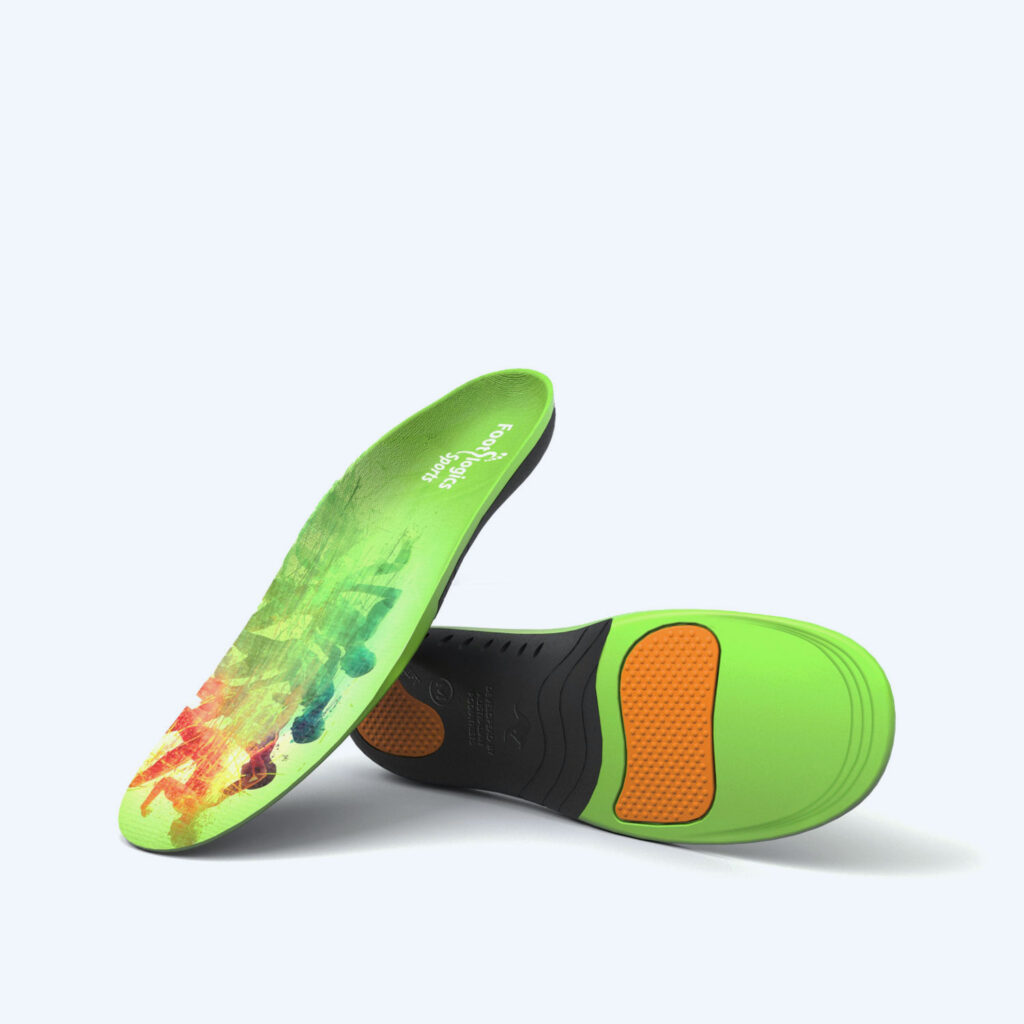
Footlogics SPORTS
$39.95
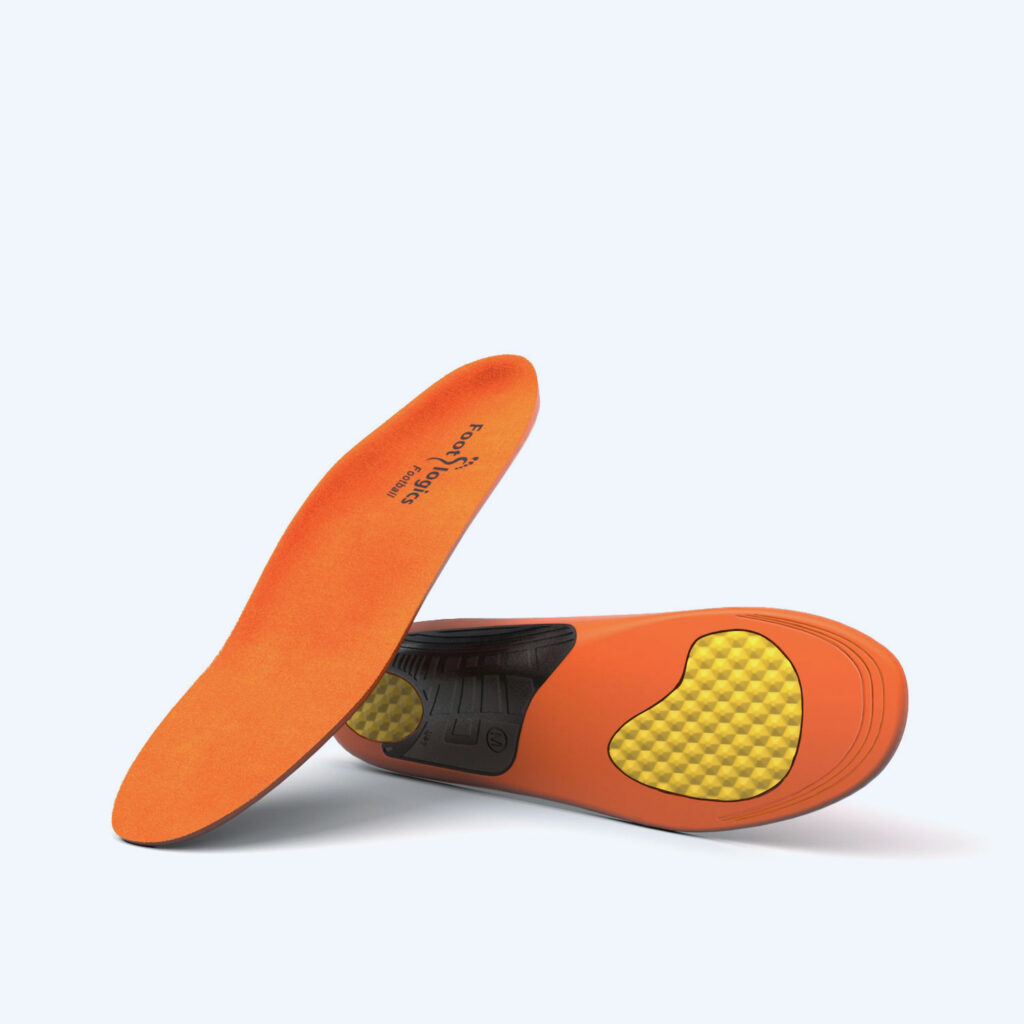
Footlogics FOOTBALL
$36.95
Types of Knee Pain
There are different types of knee pain. The most common type is “Patello-femoral Syndrome” or Chondromalacia Patellae (also known as Runner’s Knee). ‘Sinding-Larsen-Johansson Disorder’, Patella Tendinitis and Bursitis are the less common types of knee pain.
Osgood-Schlatter Disease is another form of knee pain that occurs only in children and is a very common type of ‘growing pain’.
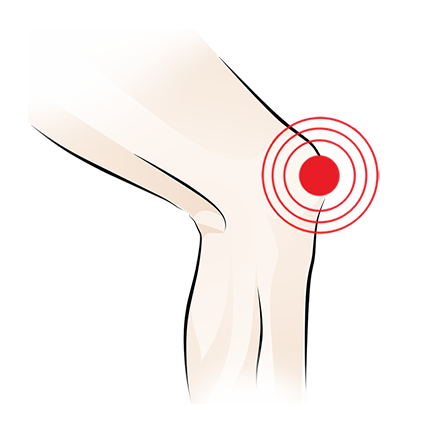
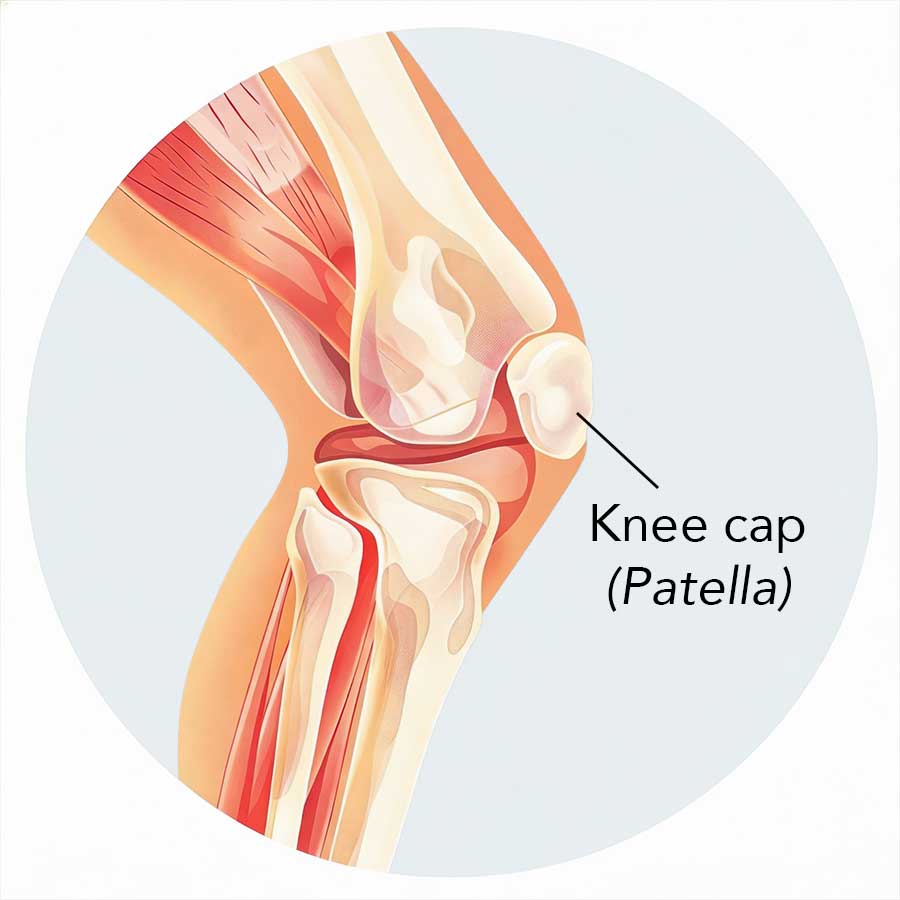
What are the symptoms of Patello-Femoral Syndrome?
Patello-femoral Syndrome is a chronic form of knee pain and is among the most common ones known to medical practitioners. It is characterized by a sharp ache between the knee cap (patella) and the thigh bone (femur) lying underneath.
People suffering from it experience pain and tenderness on the front of the knee, this is called Anterior Knee Pain. Patello-femoral pain gets worse when you sit for long hours in a single position and stand up from a chair or get out of your car, or when you climb up stairs. Many people complain about a grinding or ‘crunching’ feeling in their knee joint. Others will experience a popping, or grinding sensation in the knee.
Knee Pain - Causes
Knee pain can occur because of:
sports injury
sudden joint trauma
an accident
wear and tear i.e. the normal degenerative process of ageing
As we get older, the cartilage behind the knee cap (patella) softens and starts to wear out over time, which results in small areas of the soft tissue breaking down and tearing away. Under normal conditions the knee cap would glide over the knee smoothly. Instead of gliding smoothly, the knee cap rubs against the thigh bone or the femur. This constant grinding causes pain in your knees while walking, getting up from a chair, etc. It also leads to erosion of the knee cartilage (partial or complete), which causes pain and swelling.
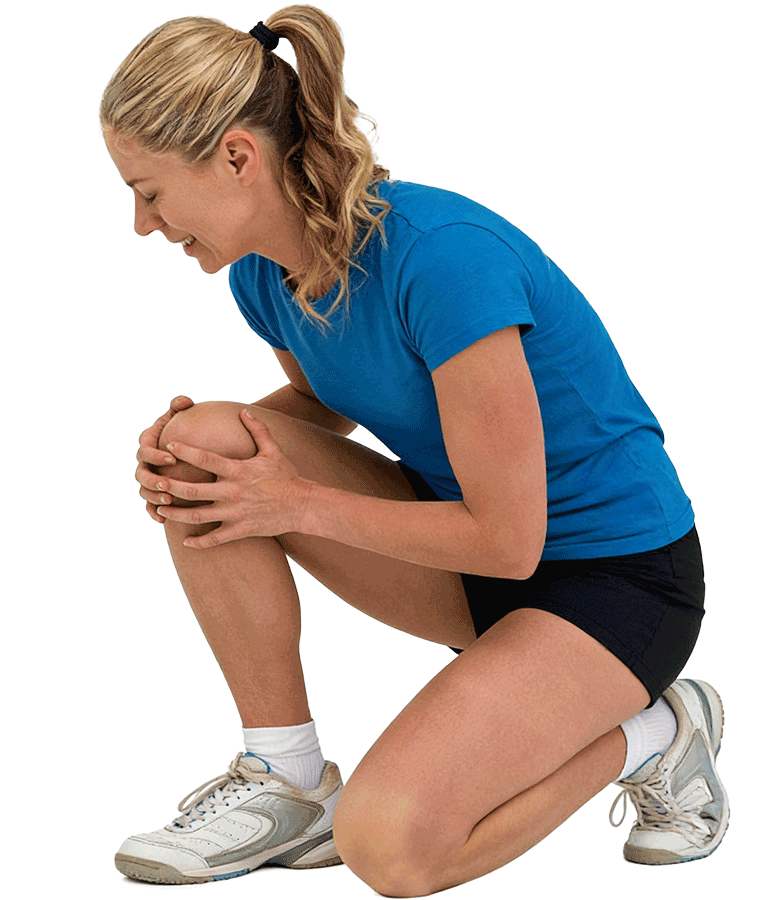
Activities that make your knee pain worse
football
soccer
running
strenuous labor (on construction or building sites)
sitting in the bent-knee position
walking up and down stairs
There are two pads of cartilaginous tissue in your knee joints that disperse friction between the shin bone or tibia and the thigh bone or femur. These are called meniscus (plural: menisci) and are found on the inside and outside of your knees. In some cases the meniscus may tear away. Its broken or torn piece may get stuck in the knee joint. This in turn leads to pain, swelling and of decreased movement.
Muscle imbalance is another major reason for this kind of knee pain. E.g. your inner quadriceps are weaker than the outside ones and thus the stronger muscles tend to pull your knee caps toward the side. This muscle imbalance leads to mal-tracking of the patella which would otherwise be running properly in its groove. This condition leads to cartilage erosion and pain and is also called patella tracking disorder. The best way to address this problem is by performing certain exercises that strengthen your weaker leg muscles.
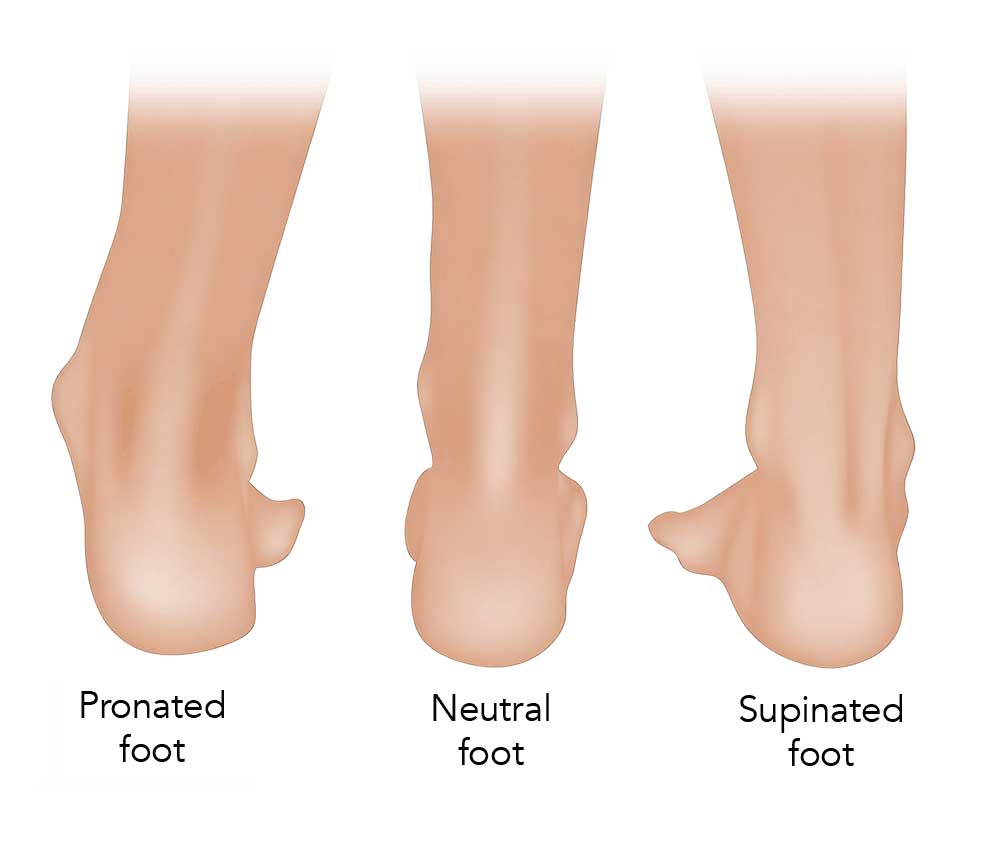
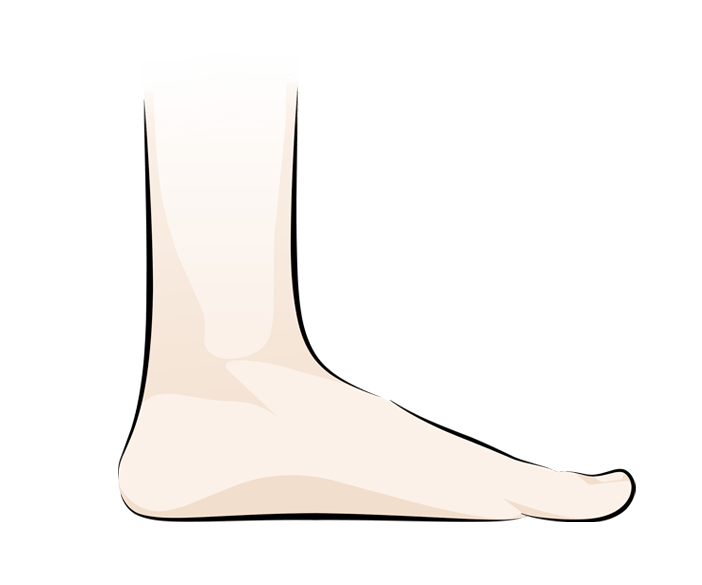
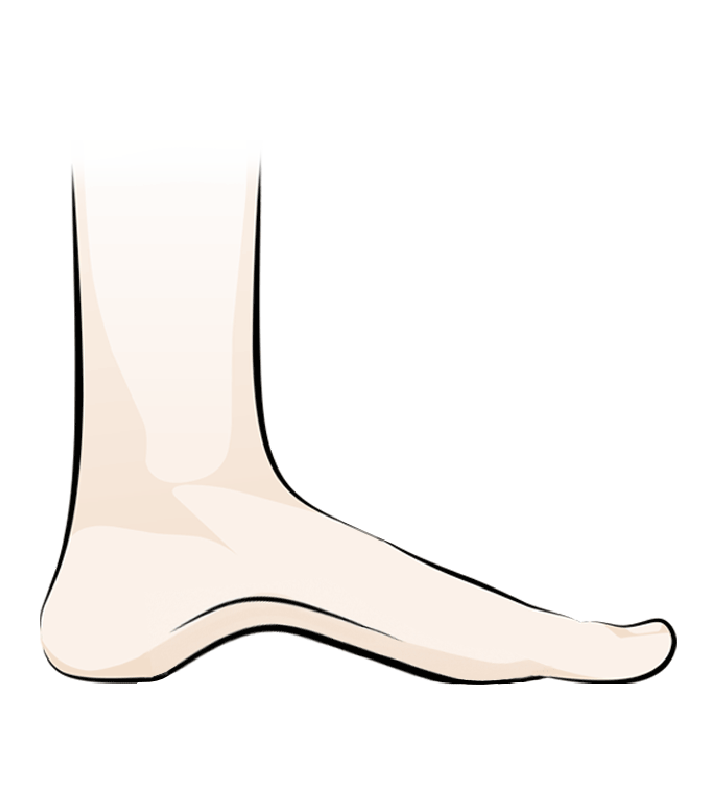
Biomechanically, high arches and supination are very closely linked. This is how:
Structural Influence: a high arch makes the foot less flexible, so it doesn't flatten as much when you put weight on it.
Less Pronation: if the foot doesn't flatten enough, the natural inward roll (pronation) that happens when you walk is lessened.
Outward Load Shift: when the foot doesn't pronate as much, more pressure is put on the lateral (outer) aspect of the foot.
Supination Pattern: high arches often go along with a supinated gait pattern, which means that the foot stays tilted outward during the gait cycle.
Pes Cavus and supination are two different things, but they often happen at the same time and help each other: the high arch structure encourages the supination motion pattern.
Knee Pain – Treatment (including orthotics)
Typical treatment usually involves the RICE method: Rest, Ice, Compression and Elevation. A sports therapist would suggest extra care and limit activity of soccer, football or basketball players to avoid rupture their anterior cruciate ligament.
However, common knee pain due to age, weight gain, strenuous labor etc requires a different approach. Your physical therapist understands chronic knee pain best and will start you off on some daily exercises.
When it shows that your feet ‘pronate’ excessively, your PT may consider orthotic therapy as additional form of treatment.
Knee Pain exercises
Strengthening of the VMO muscles (Vastus Medialis Oblique) is very important, as it functions like a dynamic stabilizer for your knee cap. These muscles are a part of your quadriceps and are placed just above and towards the inside of your knee cap. The fibers of the VMO in healthy individuals are active throughout the movement, contracting with ease during the entire range of motion. In people with Patello-Femoral pain on the other hand, these muscle fibers contract inconsistently which leads to rapid fatigue during walking or running.
Stronger VMO muscles ensure that your patella stays in the patella groove. It controls the tracking of the patella when you bend and/or straighten your knee. Strengthening exercises are highly recommended by most physical therapists, as part of their knee pain treatment regime.
Knee Braces
Knee braces help stabilize the knee joint. Among many different types, the most common knee brace is the Patella-Femoral brace. It is designed to improve patellar tracking and also helps relieve anterior knee pain. Patello-femoral braces prevent the lateral displacement of the patella. This helps in maintaining patellar alignment and tracking. They are relatively affordable and can easily be used in conjunction with any other pain treatments or therapies such as exercises and foot orthotics.
Foot orthotics for Knee Pain relief
Just like knee braces, foot orthotics (pre-made) are not expensive, yet very helpful in knee pain treatment, especially for those who suffer from over-pronation. They are ideally used in conjunction with other forms of knee pain treatment and therapies especially strengthening exercises. Orthotics work to prevent internal leg rotation by re-aligning our feet and ankles which is a primary cause of patella mal-tracking.
Several studies claim a high success rate of orthotic insoles for patients suffering from patello-femoral knee pain. Health experts at the University of Queensland (Australia) conducted a study that showed a comparative analysis of results in two patient groups. The first group was given a combination treatment of physical therapy and orthotics and the other one received only physical therapy. The former showed significant improvement with regards to knee pain as compared to the latter.
Most professional athletes these days use orthotics as it ensures proper alignment of their feet, legs and knees.
Footlogics orthotic insoles to restore proper knee function
Knee pain in many cases is caused by issues stemming from our feet. Whether you have flat feet or you pronate excessively, these problems can ‘travel’ up the leg and affect the knee, causing frequent pain and discomfort as well as the potential of long-term damage.
At Footlogics we offer a number of orthotic insoles for knee pain, depending type of shoe worn and/or activity. Footlogics insoles can be purchased on-line or from your physical therapist, or podiatrist. Footlogics orthotics help promote better health and overall well-being and can reduce the risk of future knee issues. If pain persists, we do recommend you see your physical therapist.
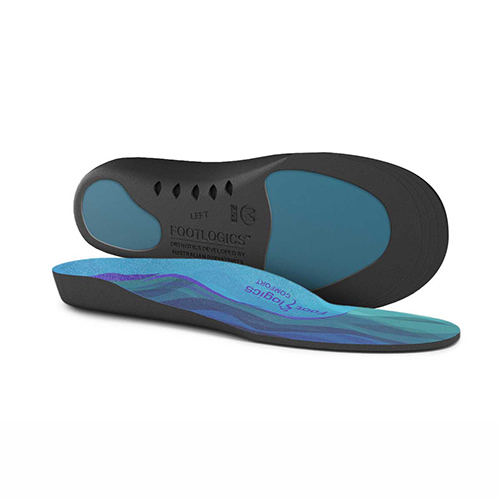
Footlogics Comfort
A full-length orthotic with high arch support and deep heel cup, designed to stabilise the feet and ankles and prevent excess pronation – one of the major contributing factors to knee complaints
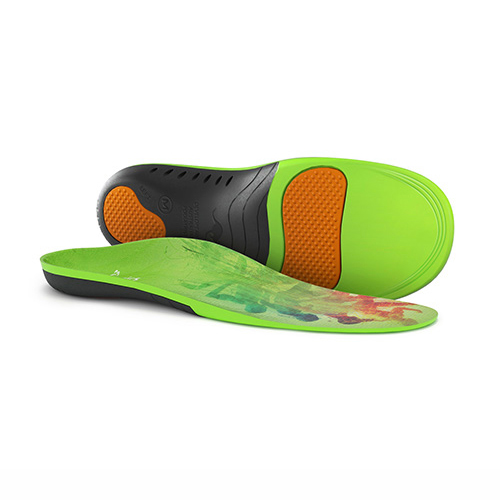
Footlogics Sports
The perfect insole for Runner’s Knee in runners. Also suitable for basket players who experience knee issues. Features a high arch support, cushioning PU based and flexible TPU shell for added stability.
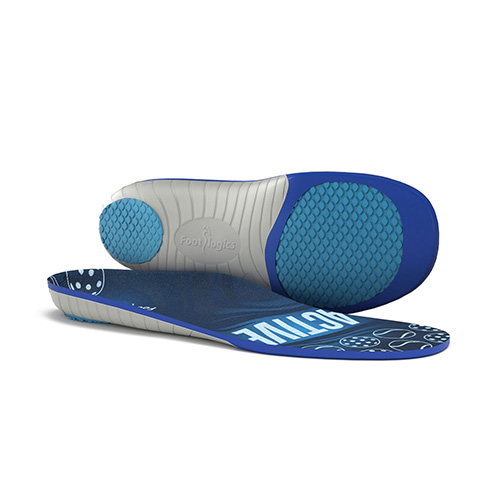
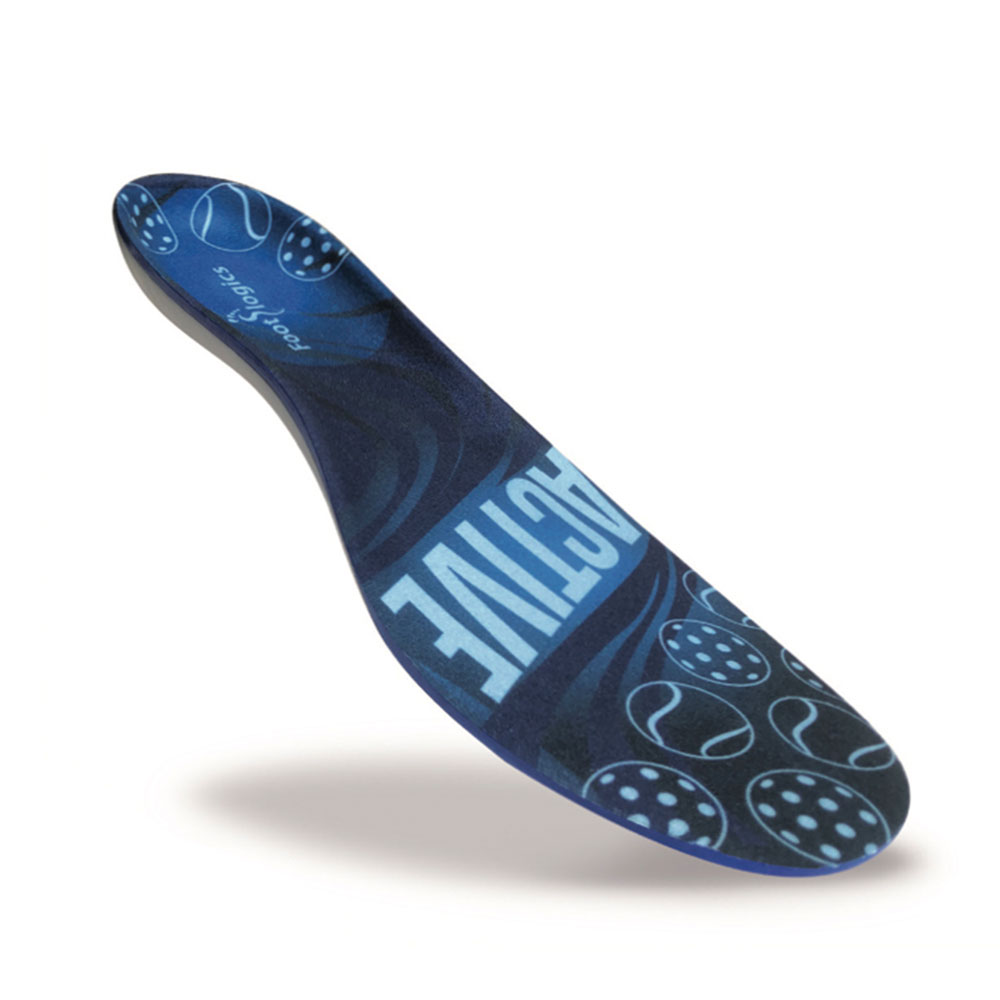
Footlogics Active
Both pickleball and tennis players are prone to knee injuries – especially player over the age of 50. Both activities involve a lot of sudden movements including fast turns getting yourself in position to strike the ball perfectly, as well as bending your knees to hit that low shot. Footlogics Active were especially designed by sports therapists to limit excess pronation and provide high levels of lateral stability, reducing stress and tension on the knee joint.
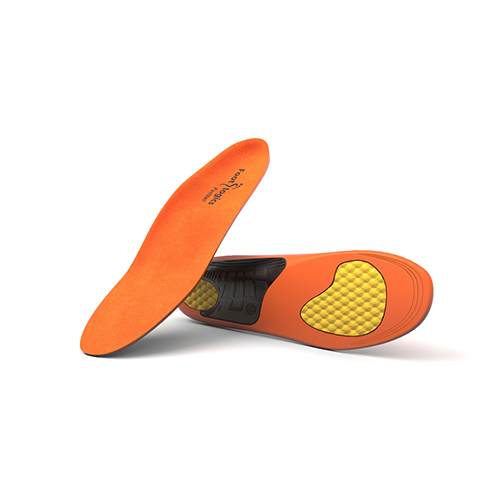
Footlogics Football
This full-length orthotic features a mild metatarsal raise (lower compared to the above three models) and is recommended for running, hiking and different types of sports activities.
Knee Pain exercises
Here are 3 common knee-pain exercises often prescribed by physical therapists in the USA. They’re widely used for conditions like patello-femoral pain, osteoarthritis as well as post-injury rehab.
Exercises
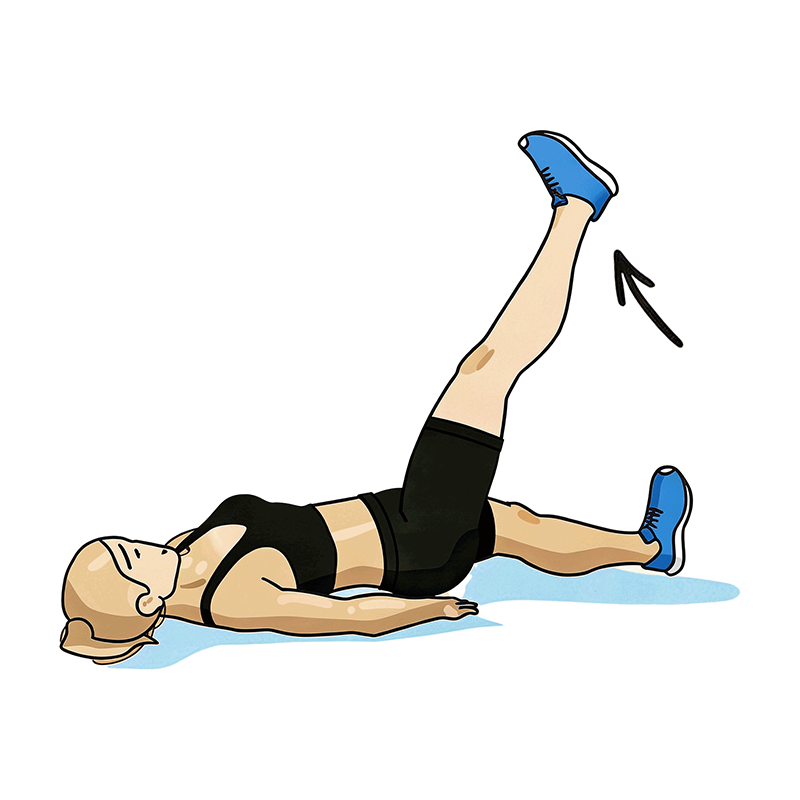
Straight leg raises
This exercise makes the quadriceps stronger without putting stress on the knee joint. You lie on your back with one knee bent and the other straight.
You then tighten the thigh muscle of the straight leg and lift it to the height of the other knee (or further, if possible). It makes the knees more stable and helps the kneecap move in the right way.
Exercises
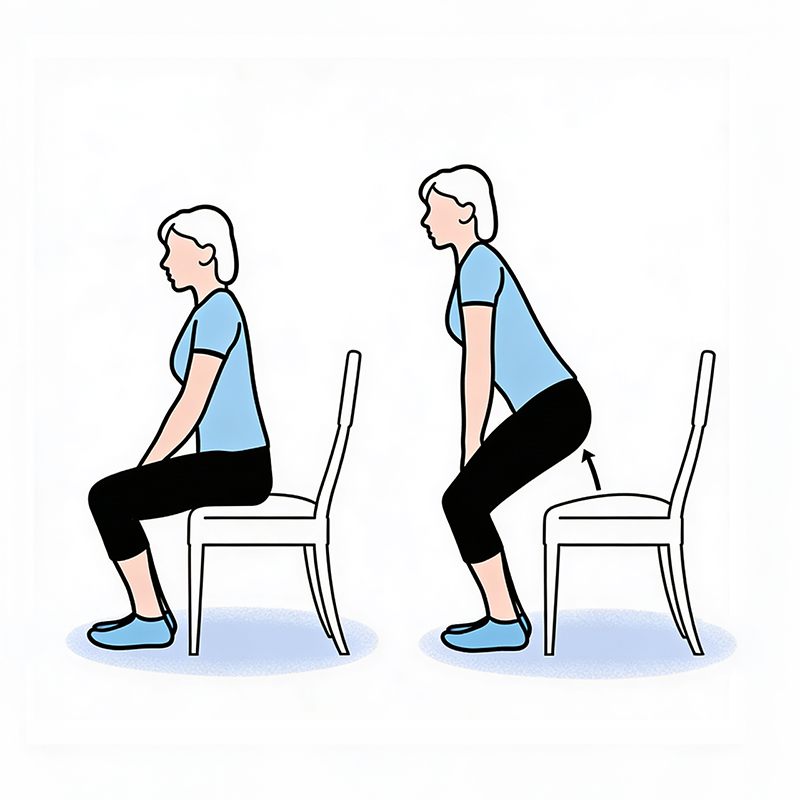
Sit-to-Stand (chair squats)
Sit-to-stand exercises work the quadriceps, glutes, and hamstrings while also teaching you how to move in real life. You slowly stand up and sit back down again while sitting down.
Physical therapists often use this to make knees stronger for everyday tasks like climbing stairs.
Exercises
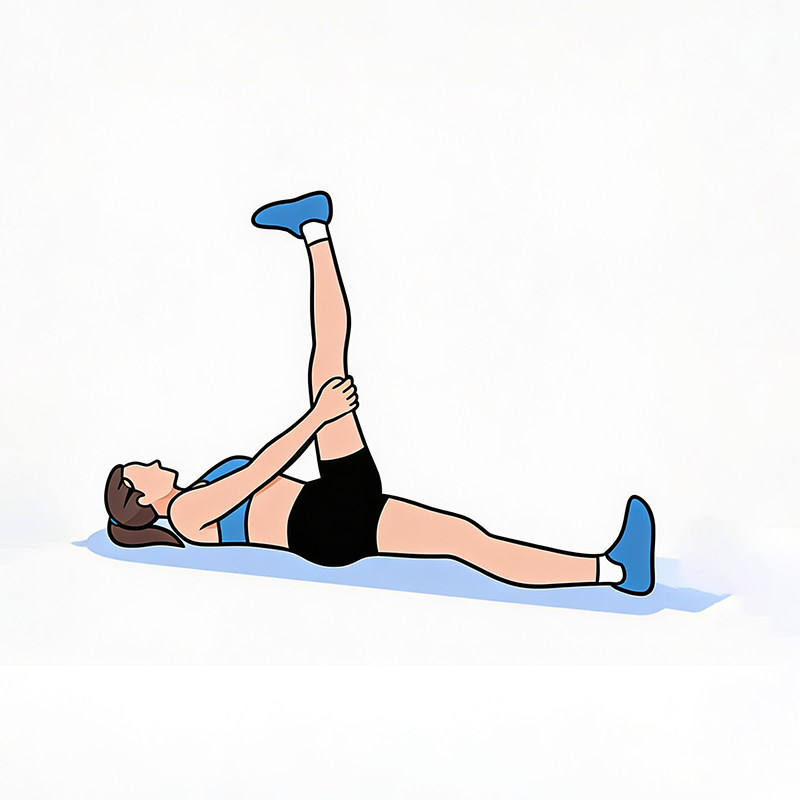
Hamstring stretch
When your hamstrings are tight, they can put more stress on your knees. When you’re lying on your back or sitting, gently stretch the back of your thigh by extending your knee and holding the position.
Making your hamstrings more flexible helps your knees feel better and makes your lower limbs work better overall.
Knee pain in children (Osgood–Schlatter Disease)
Knee pain in children and teenagers, especially those who play soccer, basketball, athletics and gymnastics, is often caused by OSD. This involves traction ‘apophysitis’ of the tibial tuberosity—the bony protrusion below the kneecap (patella) where the patellar tendon attaches.
OSD develops with big growth spurts, usually between 8–14 for girls and 10–15 for boys. Bones lengthen swiftly and muscles and tendons tighten during growth spurts. Quadriceps contractions strain on the patellar tendon, stressing the tibial tuberosity’s juvenile growth plate. Repeated traction can produce discomfort, edema, and a kneecap lump.
Common symptoms include pain and discomfort below kneecap, tibial tuberosity swelling. Running, leaping, kneeling or climbing stairs aggravates the pain.
Options for treatment
Osgood–Schlatter disease usually disappears after the growth plate in the knee closes. The symptoms might last months to two years. Treatment focuses on pain reduction and activity control, not “curing” the disorder.
Activity Change: starting with less high-impact activities is common. Reducing exercise intensity or frequency helps control symptoms, although complete rest is unusual.
Anti-inflammatory measures to minimize discomfort and swelling after exercise: under medical supervision, short-term NSAID usage may be beneficial.
Stretching and Strengthening: research recommends systematic physiotherapy regimens targeting quadriceps, hamstring, and hip muscular flexibility and strengthening. Tibial tuberosity traction forces decrease with flexibility.
Patellar Support: by changing patellar tendon force distribution, patellar straps may alleviate tibial tuberosity strain.
Orthotics: too much foot pronation might affect lower-limb posture and cause knee stress. Pronation-controlling foot orthoses may lower knee traction forces and improve biomechanical alignment, but long-term research are few.
In conclusion, active children often get growth-related knee ailment called Osgood–Schlatter disease. With proper therapy, including supervised exercise and activity moderation, most teenagers recover and return to sports safely
Orthotics for Knee Pain: FAQ Guide
If you’re experiencing knee pain and wondering whether your feet might be part of the problem, you’re asking the right question. This FAQ guide answers the most common questions about how orthotic insoles can help manage knee pain, what the research says, and how to determine if better foot support could ease your discomfort.
1. How can orthotics actually help with knee pain?
Not all knee pain starts at the knee. The biomechanics of the foot play a crucial role in knee health, as the position and function of the feet and ankles can significantly impact the alignment and function of the knees and hips. Studies suggest that close to 70% of the population has a condition called over pronation, which can lead to abnormal stress on the knee joints and deterioration of knee function.
Research indicates that orthotics can help reduce knee pain by preventing excessive flattening of the foot, which causes the leg to rotate inward and misalign the knee cap. Medical-grade orthotic insoles with firm support and a deep heel cup work by supporting the arch, stabilising the ankle, and promoting proper alignment through the lower leg and knee joint.
Common knee issues influenced by poor foot biomechanics include patellofemoral pain (runner’s knee), medial knee osteoarthritis, and general aching during walking or standing for extended periods. Consider a 45-year-old office worker who walks recreationally—after switching to supportive insoles, they often notice significant improvement in inner knee discomfort within weeks.
At Footlogics, we design orthotic insoles that combine biomechanical support with cushioning for daily wear. However, orthotics work best as part of a broader treatment plan including exercise, weight loss where needed, and activity modification.
2. What are the most common causes of knee pain and how do the feet play a role?
Common causes of knee pain include patellofemoral pain syndrome, arthritis, ligament injuries (including anterior cruciate ligament tears), cartilage tears, tendonitis, and bursitis, often exacerbated by factors like obesity and wear and tear over time.
Knee pain can develop due to abnormal foot function, which can lead to issues such as over-pronation or over-supination, causing stress on the leg bones and additional strain on the knee. Abnormal foot function, particularly excessive flattening of the feet (pronation), is often associated with knee pain as it causes the knee to rotate inwards, forcing it to function in an abnormal position.
Flat feet and high arch heights both alter how forces travel up the lower body. This can also affect the hips, creating hip pain and compensatory movement patterns. Not all knee problems stem from the feet—isolated meniscus tears or inflammatory arthritis require different approaches. However, people with both foot symptoms (arch fatigue, ankle rolling) and knee discomfort are prime candidates to trial foot orthotics.
3. What does the research say about orthopaedic insoles and knee pain?
Foot orthotics have been shown to be an effective therapy in treating and preventing some types of knee pain, including runner’s knee and knee arthritis. For patellofemoral pain syndrome, studies show that insoles for knee pain can reduce pain and improve alignment when combined with strengthening exercises.
High success rates (up to 76%) have been reported for patients using custom orthotics to correct tracking issues in Patellofemoral Pain Syndrome (Runner’s Knee). For knee osteoarthritis, Lateral Wedge Orthotics are designed to shift the body’s weight-bearing load from the inner part of the knee to the outer part, specifically helping medial knee osteoarthritis. Lateral Wedge Insoles shift load away from the affected inner joint area to treat medial knee osteoarthritis.
A 2024 randomised controlled trial published in PMC compared different orthotic approaches and found clinically proven pain relief and function improvements in knee OA patients.
Results vary between individuals—proper fit and consistent wear orthotics are crucial. Guidelines recommend insoles as a low-risk, conservative option before injections or surgery. Footlogics designs over-the-counter orthotics based on these biomechanical principles at accessible price points.
4. Which types of orthotics and brands are available for knee pain?
Orthotics for knee pain are generally divided into two categories: foot orthotics (insoles) that address the foundation of your movement and knee orthotics (braces) that directly stabilise or offload the joint. Knee braces are commonly used to stabilize the knee joint and improve patellar tracking, which can help relieve anterior knee pain.
For insoles, look for:
-
Firm arch support to control pronation
-
Deep heel cup for ankle stability
-
Shock absorption materials throughout
-
Full-length design for cushioning
Shock Absorption in orthotics prevents jarring forces from traveling up the leg during movement and reduces discomfort. Shock-Absorbing Insoles using materials like memory foam help reduce impact stress on the knee joint, which is beneficial for general knee pain and osteoarthritis.
Other recognised brands include Powerstep (strong arch support), Superfeet (carbon fibre options), Dr. Scholl’s (budget-friendly), Sole (heat-moldable), Spenco (shock-focused), Vionic (built-in shoe orthotics), and Birkenstock (contoured footbeds). At Footlogics, we offer podiatrist-developed models for work boots, sports shoes, everyday wear, and children.
5. How do I know if my knee pain is related to my feet and if orthotics are appropriate?
Not everyone with knee pain needs orthotics. Look for these signs:
-
Shoes wearing heavily on the inner edge
-
Visible flat feet or collapsing arches when standing
-
Ankles rolling inward during gait
-
Knees appearing to “knock” together
Symptom patterns suggesting foot involvement include inner or front-of-knee discomfort that worsens on hard surfaces, plus concurrent arch or ankle pain. Try the wet footprint test—a full imprint suggests flat feet.
Consider seeing a podiatrist or physical therapist for proper gait analysis if unsure. Footlogics insoles offer an accessible first step with our 90-day guarantee, letting you test whether better support can provide relief.
6. How should I use orthotics day-to-day to reduce knee pain?
Correct use matters. Begin wearing insoles for 1–2 hours on day one, increasing gradually over a week until full-time wear in all weight-bearing footwear. Remove the original shoe liner if needed for proper fit.
Check that your heel sits firmly in the heel cup, the arch support contacts your arch directly, and there’s no slippage. Mild calf or foot fatigue is normal initially as muscles adapt—sharp or worsening pain should prompt reassessment.
Combine orthotics with:
-
Strengthening exercises for the Vastus Medialis Oblique (VMO) muscles, which help stabilise the knee cap
-
Low-impact activities (cycling, swimming)
-
Maintaining healthy weight to reduce joint stress
Footlogics offers models for sports, work, and everyday activities to maintain support throughout your week.
7. When should I see a doctor or specialist instead of just buying insoles?
Seek medical review for these red flags:
-
Sudden knee swelling or inability to bear weight
-
Mechanical symptoms like locking or giving way
-
Recent trauma (fall, tackle, twist)
-
Visible deformity or inability to straighten the leg
-
Fever, redness, or severe night pain
-
Discomfort lasting over 6–8 weeks despite rest
Knee pain can be managed through the RICE method, which includes Rest, Ice, Compression, and Elevation, to reduce inflammation and pain for acute flare-ups. However, persistent or severe symptoms require examination, possibly X-rays or MRI, and potentially physiotherapy or injection therapies.
Orthotics remain a conservative tool best used alongside professional guidance when significant knee cartilage damage or ligament tears are present. Many clinicians still recommend supportive insoles even before or after surgery to optimise arthritis pain management and gait comfort.
8. Why choose Footlogics orthotics for knee pain and what makes them different?
Footlogics is an orthotics and footwear health brand focused on affordable, medically informed solutions. Our insoles are developed in consultation with podiatrists and physiotherapists to address biomechanical issues like over-pronation that contribute to knee, foot, and lower back pain.
Key features include:
-
Strong arch support to improve alignment and relieve stress on joints
-
Deep stabilising heel cups to absorb shock and control motion
-
Shock-absorbing materials for all-day comfort
-
Models for plantar fasciitis, flat feet, sports, work boots, and everyday shoes
We offer free USA shipping and a 30-day money-back guarantee, allowing you to test the effect on your knee pain with minimal risk. Our range includes options for adults and children, plus slippers with built-in orthotics for consistent support at home.
While Footlogics orthotics are over-the-counter, they’re medical-grade in design and can complement professional treatment. If you suffer from recurring knee discomfort and suspect your feet may be involved, trial a good pair of Footlogics insoles—and consult a healthcare professional for a personalised plan if symptoms persist.
what customer say..
REAL RELIEF. REAL RESULTS.
Proven arch support and relief. Trusted by millions.
Over 2 Million Pairs Sold
WHAT MAKES FOOTLOGICS DIFFERENT?
Footlogics orthotics are designed to deliver medical-grade support and relief — without the cost or wait time of custom orthotics.

TGA-Approved Medical Device
Meets strict medical standards

Developed by Podiatrists
Created for real foot conditions, not generic comfort

Trusted by Health Professionals
Recommended by doctors and physical therapists worldwide

Over 2 Million Pairs Sold
Proven support for everyday life, work, and sport

Available in 20+ countries
Trusted by customers across the globe

Australia’s #1 Orthotic Insole
Leading podiatrist-designed support brand
SHOP BY FOOT COMPLAINT
common aches & pains
Learn more about different foot conditions and how Footlogics orthotics can help..