Free Shipping
 Across USA
 Medical Grade Orthotics
 at Retail Price
 TGA Approved Products
 90 Day Money Back
Guarantee
You don’t have to put up with that searing pain in your heel when you get out of bed in the morning. Millions of Americans have Plantar Fasciitis, and while it can be hard to get rid of, the appropriate arch support insoles can help your foot work better and recover faster. This article looks at what works, compares the biggest insole brands on the US market and talks about why having choices is more important than most people think.
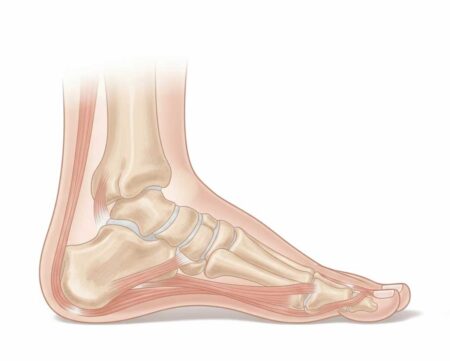
If you’re looking for the short version, here it is: firm arch support combined with a deep heel cup does more for plantar fasciitis than soft cushioning alone. The plantar fascia is a thick band of tissue under your foot that’s become inflamed and possibly micro-torn. Simply padding it with memory foam won’t address the biomechanical problem—it needs structural support that reduces strain on the ligament itself.
The best insoles for heel pain combine these elements:
Brands like Footlogics, PowerStep, Superfeet, Dr. Scholl’s, Tread Labs, and Currex all manufacture insoles for heel pain. However, Footlogics stands out for offering several distinct models designed for different arch types, activities and shoes rather than forcing everyone into a single product.
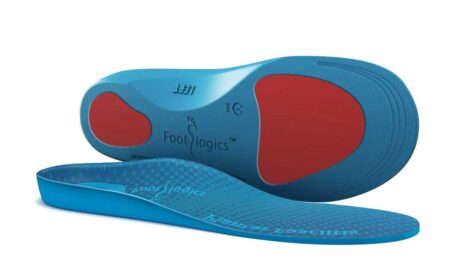
Footlogics offers Plantar Fasciitis insoles for:
Plantar Fasciitis occurs when the plantar fascia, the strong connective tissue that extends from your heel bone to your toes, becomes inflamed or tears. This tissue is the main shock absorber in your foot and supports the arch with every stride you take. When it becomes hurt, generally from too much stress, it hurts a lot, from unpleasant to debilitating.
Adults between the ages of 30 and 70 who spend a lot of time on their feet are more likely to have this illness. Teachers, nurses, retail workers, warehouse workers, and those who run for fun are all at high risk. Plantar heel discomfort is responsible for up to 10% of running injuries and is a big reason why people go to foot clinics.
Common causes include:
Classic symptoms to recognize:
So why does arch support matter? When left untreated, plantar fasciitis tends to worsen because the underlying mechanics don’t change. Arch supports work by:
Not all cushioned insoles are good for plantar fasciitis. Generic foam inserts may seem comfortable at first, but they typically don’t have the structural support needed to fix the problem that is causing the discomfort. The most important thing is the mix of shape, rigidity, and tailored cushioning.
Key features to consider:
| Feature | What To Look For |
|---|---|
| Arch Support | Firm, anatomical contouring matched to your arch type (low, medium, or high)—not floppy foam |
| Heel Cup | Deep, stabilizing cup that controls heel motion and reduces over-pronation |
| Metatarsal Support | Slight lift or padding to offload forefoot pressure where relevant |
| Cushioning | Dual-density or multi-layer construction that absorbs shock without collapsing over time |
| Base/Shell | Stable, non-twisting platform that provides structural integrity |
| Top Cover | Moisture-wicking, breathable fabric with odor control for all-day wear |
| Profile Options | Trim-to-fit sizing and choice between full-length and ¾-length for different footwear |
A critical point: softer is not always better. Plantar fasciitis usually requires firmness for support combined with targeted cushioning for comfort. An insole that feels pillowy but collapses under your weight won’t maintain the arch position your foot needs.
Medical-grade over-the-counter foot orthotics and arch supports—like those developed with input from podiatrists and physiotherapists—can closely approximate custom orthotics for many people at a fraction of the cost. The key is finding one that matches your specific foot anatomy and the shoes you actually wear.
The form of the heel cup in your insoles is equally as crucial as arch support when it comes to getting actual relief from plantar fasciitis discomfort. If you have flat feet or high arches and are having trouble with heel discomfort, a well-made, deep heel cup can make a big difference. The heel cup’s major duty is to hold the heel bone in place and maintain it aligned with every stride. This stability allows the plantar fascia, which is a thick band of tissue that typically gets irritated in plantar fasciitis, not get as much stress.
Deep heel cups in heel pain insoles help by stopping too much side-to-side movement and cushioning shock when the heel hits the ground. This is very important for lowering the strain on the plantar fascia and stopping further discomfort or micro-tearing. Insoles with a supporting heel cup may make a big difference in how comfortable and supported you feel all day, no matter what kind of shoes you wear, whether running shoes, dress shoes, or work boots.
Footlogics, Currex RunPro and PowerStep insoles are three of the best kinds because they have deep heel cups that give targeted support and help ease discomfort by spreading pressure more evenly over the foot. These insoles also have characteristics like shock absorption and odor control to keep your feet comfy and fresh even after using them for a long time. For example, Superfeet insoles have a unique heel cup shape and are made of breathable fabric and memory foam to provide you more cushioning and stability.
When picking insoles for plantar fasciitis, be sure to think about how the heel cup will fit your arch type and shoe size. A heel cup that fits well not only supports the heel, but it also lowers the chance of getting heel spurs and other problems that might happen with plantar fasciitis. Find insoles that support your feet all day, ease the stress on the plantar fascia, and fit the shoes you wear most often, whether they are athletic shoes, work boots, or slender dress shoes.
Along with a deep heel cup, plantar fasciitis insoles work better when they have anatomical arch supports, shock-absorbing foam, and fabric that lets air in and doesn’t smell. You may locate insoles that not only cure pain but also help keep you comfortable and active no matter where your day takes you by focusing on the shape of the heel cup and these other aspects.
Footlogics takes a different approach: rather than offering a single plantar-fasciitis product, they provide medical-grade orthotic insoles across multiple models at mid-range prices. This means options for different arch heights, shoe types, and activities through a broad range of orthotic insoles. For plantar fasciitis sufferers whose feet don’t fit the “average” mold—or who need support in multiple types of footwear—this range represents a genuine differentiator.
Here’s the problem with one-size-fits-most insoles: real patients vary widely. Someone with flat feet needs different support than someone with high arches. A slim dress shoe can’t accommodate the same thick insole that fits easily in a work boot. A recreational runner puts different demands on an insole than someone standing on concrete for 10-hour shifts.
The Footlogics plantar fasciitis line covers:
The four main models—Footlogics Plantar Fasciitis, Footlogics Casual, Footlogics Performance, and Footlogics Active—share core elements like deep heel cups, biomechanical arch support, EVA cushioning layers, and durable top covers. But they differ meaningfully in thickness, rigidity, and shape to match specific needs.
This is Footlogics’ flagship model, developed specifically for plantar fasciitis and heel spurs. It’s designed to fit everyday sneakers, walking shoes, and many work shoes where a full-length orthotic is practical.
Key technical features:
Not every shoe has room for a thick, full-length orthotic. The Footlogics Casual model addresses this reality, designed specifically for low-profile casual and dress shoes where bulky insoles simply won’t fit.
Core characteristics:
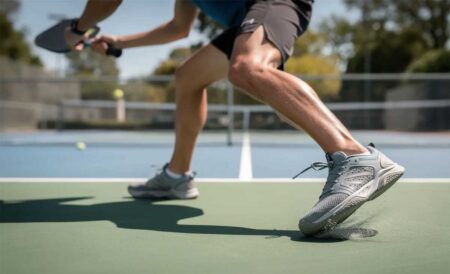
Plantar fasciitis doesn’t mean you have to stop moving. The Footlogics Active insole is built for running, fast walking, and multidirectional court sports such as pickleball where repeated high-impact loading tends to aggravate the condition.
Design features:
Works with: Modern running shoes, cross-trainers, and court shoes with removable sock liners that can accommodate a full-length orthotic.
Benefits for plantar fasciitis:
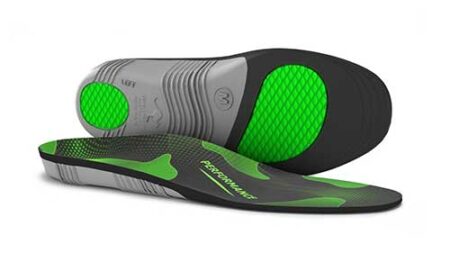
This model particularly suits people with high arches and/or supination. When you have high arches the cause of heel pain is very different from what causes plantar fasciitis in people with flat feet, low arches etc. People with high arches lack our normal and natural shock-absorbing mechanism whereby the foot pronates (rolls inwards) and the arches lower, like a spring.
Instead upon landing the foot is rigid, the arch stays high and all the impact is forced into the heels. These continuous strong forces on the heel eventually lead to trauma and micro-tearing, causing heel pain. Footlogics Performance is a high-arched insole, made of thick cushioning P.U. that fills up the cavity under the foot, thereby spreading the impact of your body weight during walking and running across the entire bottom surface of the foot.
Even the best insole fails if it doesn’t match your arch height, shoe volume, and primary activities. Here’s a practical matching guide:
By arch type:
| Arch Type | What To Look For | Example Products |
|---|---|---|
| Low/Flat | Firmer, more controlling support | Footlogics Plantar Fasciitis, Footlogics Sports, PowerStep Pinnacle |
| Neutral | Moderate support that prevents fatigue without intrusion | Footlogics Plantar Fasciitis, Footlogics Casual, Superfeet medium profiles |
| High | Higher arch contours with added cushioning beneath arch and forefoot | Tread Labs higher arch options, certain Superfeet models, Footlogics Performance |
By shoe type:
NOTE: Use supportive insoles consistently across most of your footwear, not just in one pair. The plantar fascia needs consistent offloading to heal. Wearing orthotics in your running shoes but flat insoles in your work shoes undermines the recovery process.
Switching from soft, unsupportive insoles to firm arch support can feel unusual at first. Your foot has likely adapted to inadequate support, and retraining takes time. A brief break-in period is normal and worth it.
Step-by-step usage:
Care tips for longevity:
Footlogics’ 30-day money-back guarantee allows users to genuinely test support over several weeks. This matters because plantar fasciitis improvement often occurs gradually—you may not notice the difference until you try going without the insoles for a day.
Arch support insoles can help a lot with plantar fasciitis discomfort, but if the symptoms don’t go away or get worse, you should see a doctor. A podiatrist, physical therapist, or sports physician can decide if further treatments are necessary.
Red-flag signs that need attention:
Complementary approaches typically advised:
Combining good insoles with supportive shoes for plantar fasciitis, stretching, and weight management usually delivers better outcomes than any single measure alone. The inflammation driving plantar fasciitis responds best to a multi-pronged approach where consistent arch support plays a central role.
Plantar fasciitis is highly manageable. Choosing correctly matched arch support insoles—especially from a brand offering multiple plantar fasciitis-focused models for different arch types, shoes, and activities—represents a practical, accessible step toward long-term relief. Whether you’re a runner trying to stay on the road, a worker surviving long shifts on concrete, or simply someone tired of that first painful step every morning, the right insole makes a measurable difference.