
Sports insoles for athletic shoes, sneakers & gym workouts
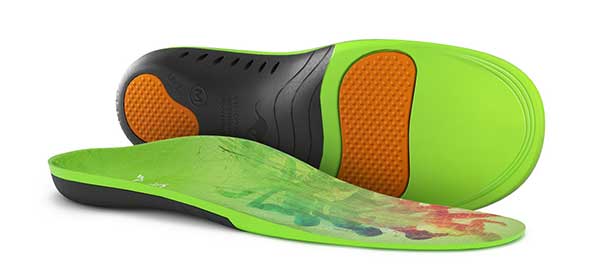
Footlogics SPORTS
Best for: running, basketball, baseball or golf
- high quality orthotic insole
- biomechanical arch support
- P.U. and Gel cushioning
- low metatarsal raise
SHOP NOW
$39.95
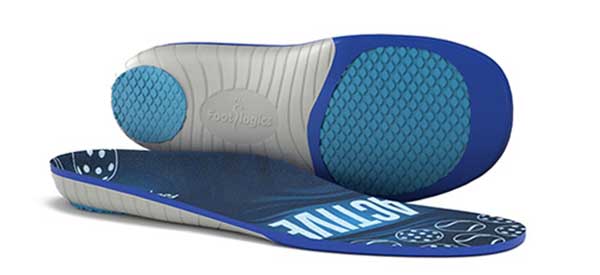
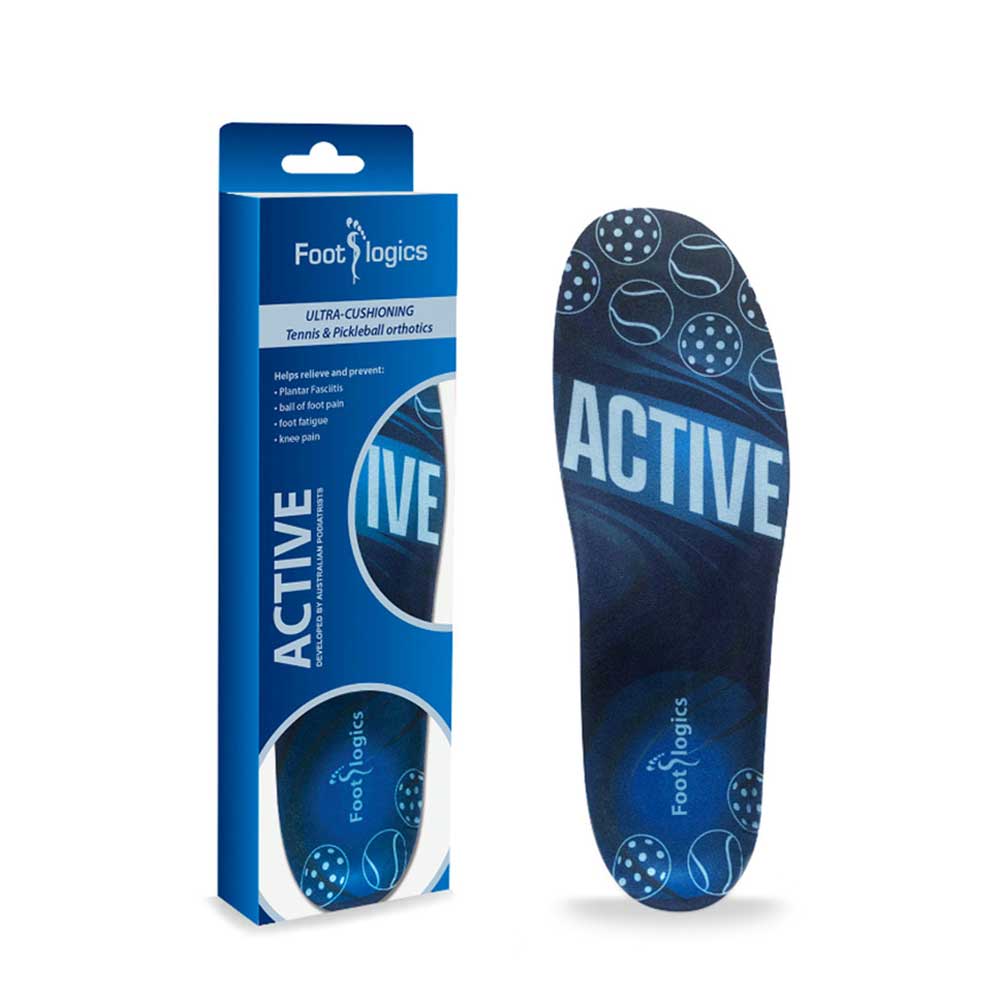
Footlogics ACTIVE
Best for: pickleball and tennis
- Premium orthotic insole
- nylon outer shell for arch support & stability
- extra forefoot cushioning (0.4 inch)
- metatarsal support
SHOP NOW
$39.95
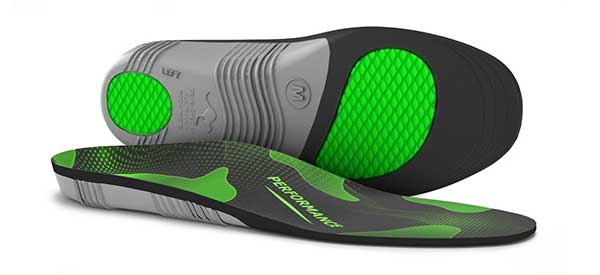
Footlogics PERFORMANCE
Best for: people with high arches playing sports or running
- high level of shock-absorption
- biomechanical arch support
- metatarsal support
- free Lateral wedge for supinators
SHOP NOW
$39.95
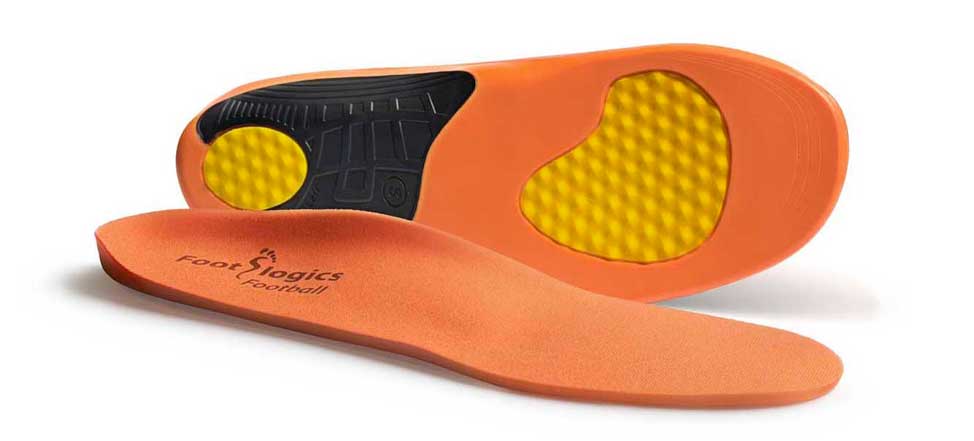
Footlogics FOOTBALL
Best for: soccer and grid-iron cleats
- slim fitting narrow insole
- perfect fit in soccer or grid-iron boots
- low-medium arch support
- high level of P.U. + Gel cushioning
SHOP NOW
$36.95
Whether you’re working out at the gym, playing your favorite sport or spending long hours on your feet, the right sports insoles can make a real difference to your comfort.
Most athletic shoes and sneakers come with basic factory insoles. Although these provide some cushioning, they may not offer the arch support or pressure distribution your feet need during demanding physical activities.
Footlogics sports insoles are designed to provide supportive arch contours, targeted cushioning and improved comfort inside athletic shoes, sneakers and sports footwear.
From everyday gym workouts to basketball, tennis, pickleball and golf, our orthotic insoles help you get more comfortable support from your footwear.
In this guide, we’ll explain how sports orthotics work, what to look for when replacing your factory insoles and how to choose the right Footlogics insoles for your activity.
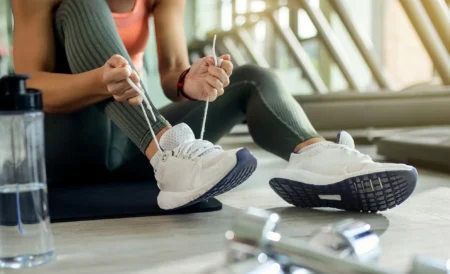
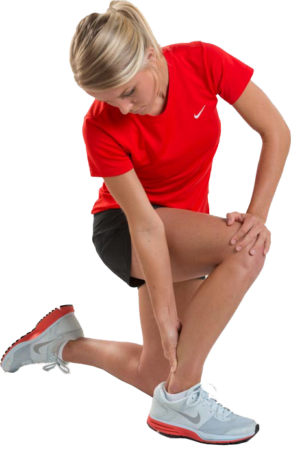
Why replace the factory insoles in your sports shoes?
Today’s athletic shoes feature advanced cushioning systems, lightweight materials and specialized outsoles. However, the removable insole inside many sports shoes is often little more than a thin layer of foam.
Replacing these basic footbeds with supportive orthotic insoles may provide several benefits.
1. Better arch support
Your feet absorb and distribute considerable forces during walking, running, jumping and sporting activities.
An appropriately contoured orthotic provides support beneath the arch and can help distribute pressure more comfortably across the foot.
People with flat feet, low arches or symptoms associated with overpronation may particularly appreciate additional support.
2. Improved heel and forefoot cushioning
Sports often involve repetitive impact and pressure beneath the heel and ball of the foot.
Well-designed sports insoles can incorporate cushioning in these areas to improve comfort during exercise.
The ideal cushioning level depends on your activity, footwear and individual requirements.
3. Greater comfort during workouts
Whether you’re walking on a treadmill, lifting weights, attending fitness classes or playing recreational sports, your feet spend considerable time under load.
Supportive insoles may help reduce uncomfortable pressure points and improve comfort during longer activities.
4. Support for different foot types
Everyone’s feet are different.
Some people have low or fallen arches, while others have high arches or foot mechanics associated with excessive pronation or supination.
Choosing an appropriate orthotic design can help accommodate these differences.
Best Footlogics sports insoles for athletic shoes, sneakers and cleats
Footlogics offers several orthotic designs to suit different activities, foot types and footwear requirements.
Footlogics Sports – for athletic shoes, sneakers and gym workouts
Insert Footlogics Sports product image and shopping button.
Best for: General athletic footwear, sneakers, gym shoes and everyday sporting activities.
Footlogics Sports orthotics are designed for active people seeking additional arch support and cushioning inside their sports shoes.
They are an excellent starting point for customers who want to replace their original factory insoles with more supportive footbeds.
Key benefits include:
-
Contoured arch support.
-
Cushioning for sports and everyday exercise.
-
Support for people with symptoms associated with overpronation.
-
A design intended for suitable athletic footwear.
-
A supportive alternative to basic factory insoles.
For many customers searching for insoles for sports shoes, Footlogics Sports is our primary recommendation.
Shop Footlogics Sports orthotics
Footlogics Active – for court sports and lateral movement
Insert Footlogics Active product image and shopping button.
Best for: Court sports and athletic activities involving repeated changes of direction.
Sports such as basketball, tennis and pickleball involve sideways movements, sudden stops, pivots and repeated acceleration.
Footlogics Active orthotics offer supportive cushioning for active footwear and may suit people who want additional comfort during these movements.
The insole must fit securely inside the shoe without reducing stability or crowding the foot.
Footlogics Performance – for high arches and supination
Insert Footlogics Performance product image and shopping button.
Best for: People with high arches or symptoms associated with supinated foot mechanics.
Footlogics Performance features a pronounced arch contour and targeted cushioning designed to provide support and comfort.
For high-arched feet, an appropriately selected orthotic may help redistribute pressure beneath the heel and forefoot.
Learn more about insoles for high arches.
Footlogics Football – for soccer cleats and football boots
Insert Footlogics Football product image and shopping button.
Best for: Soccer cleats, football boots and other closely fitted athletic footwear.
Soccer places considerable demands on the feet, with players repeatedly sprinting, accelerating, stopping, pivoting and changing direction.
Unlike regular athletic shoes, soccer cleats typically have a narrow, low-volume construction, leaving limited space for conventional orthotic insoles.
Footlogics Football orthotics are specifically designed for use in soccer cleats and football boots, providing supportive arch contours while accommodating the tighter fit of this specialized footwear.
Key benefits include:
-
A low-profile design suitable for soccer cleats.
-
Contoured arch support for additional comfort.
-
A slim construction that helps minimize unwanted bulk inside the shoe.
-
Support for the repetitive movements involved in soccer.
-
A practical replacement for basic factory insoles in compatible cleats.
For soccer players looking for insoles for soccer cleats, Footlogics Football is our recommended option.

Sports insoles for sneakers, athletic shoes and gym footwear
In the United States, the terms sneakers, athletic shoes, tennis shoes and gym shoes are often used interchangeably.
However, different types of athletic footwear can have quite different constructions and intended purposes.
Choosing the right insole means considering both your activity and the available space inside your shoes.
Insoles for sneakers
Sneakers are no longer worn exclusively for sports. Many people wear them for work, travel, shopping and everyday activities.
If your sneakers have relatively flat or unsupportive factory footbeds, replacing them with appropriately fitted orthotics may improve comfort.
The insole should sit securely inside the shoe without making the toe box too tight or causing your heel to slip.
Insoles for gym shoes
Gym workouts can include treadmill walking, resistance training, circuit exercises and fitness classes.
Supportive sports insoles may improve comfort during many of these activities, particularly when the original factory insoles offer limited arch support.
For specialized exercises such as heavy weightlifting, footwear stability and the demands of the exercise should guide your insole selection.
Insoles for athletic shoes
Athletic shoes are designed for different activities, including running, court sports, training and general exercise.
A good sports insole should complement the shoe’s construction rather than interfere with its intended function.
Consider arch support, cushioning, fit and internal shoe volume before selecting an orthotic.
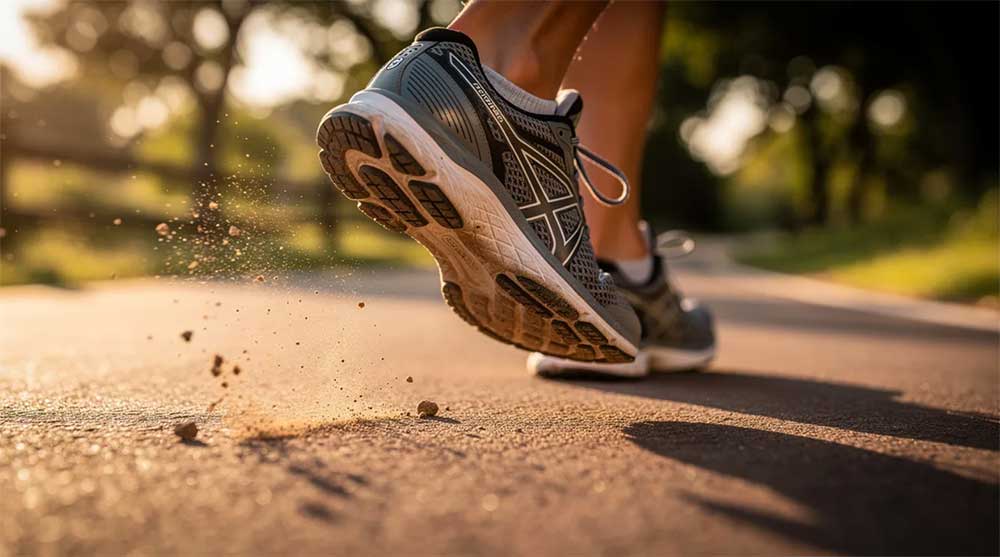
Find the right sports insoles for your favorite activity
Different sports place different demands on your feet.
Footlogics has developed dedicated guides to help you understand the support, cushioning and footwear requirements of individual activities.
Pickleball insoles
Pickleball involves frequent lateral movements, quick stops, pivots and sudden changes of direction.
Suitable insoles should fit securely inside pickleball shoes while providing comfortable support and cushioning.
For players who spend several hours on the court, selecting an appropriately fitted insole can be an important part of overall footwear comfort.
Explore our pickleball insoles guide.
Basketball insoles
Basketball combines jumping, landing, sprinting, cutting and rapid changes of direction.
Basketball shoes are designed to provide traction and stability during these demanding movements, but their factory insoles may not provide the support every player prefers.
Suitable basketball insoles can offer additional cushioning and arch support, provided they fit securely without affecting shoe stability.
Discover our basketball insoles guide.
Tennis insoles
Tennis places repeated demands on the feet through lateral movements, short sprints, abrupt stops and changes of direction.
A well-fitting orthotic may improve comfort inside tennis shoes by providing appropriate arch support and cushioning.
The insole should work with the tennis shoe’s stability features and remain secure during movement.
Read our tennis insoles guide.
Running insoles
Running involves repeated loading of the feet and lower limbs over hundreds or thousands of steps.
Some runners benefit from additional arch support or cushioning, particularly when experiencing discomfort associated with their foot structure.
Others are comfortable using their running shoes’ original footbeds.
The best running insoles depend on your footwear, symptoms, training requirements and personal comfort.
Insert link to our existing Running Insoles page.
Soccer cleat insoles
Soccer cleats are generally narrower and more closely fitted than everyday athletic shoes.
Many soccer players find that standard full-length orthotics are too bulky for their cleats.
Low-profile support, secure fit and adequate room inside the shoe are therefore especially important.
Properly fitted soccer cleat insoles may provide additional comfort without unnecessarily compromising the fit of the footwear.
Insert link to our existing Soccer Cleats Insoles page.
Golf insoles
Golf places unique demands on your feet.
A round of golf can involve several hours of walking and standing, often across uneven terrain. Even golfers who use a cart spend considerable time on their feet.
During the golf swing, the feet also play an important role in maintaining contact with the ground as body weight and pressure shift throughout the movement.
Appropriately fitted golf insoles can provide arch support and cushioning to improve comfort while walking the course.
When choosing orthotics for golf shoes, consider:
-
Comfortable arch support during prolonged walking.
-
Heel and forefoot cushioning.
-
A secure fit inside the golf shoe.
-
Sufficient room to avoid pressure on the toes.
-
Compatibility with the shoe’s existing stability features.
Golf insoles should complement the design of the golf shoe without creating unwanted movement or instability.
How to choose the right sports insoles
The best sports insoles are not necessarily the thickest, firmest or most expensive.
The right choice depends on your foot structure, footwear, activity and individual comfort requirements.
Choose appropriate arch support
Look for an arch contour that feels comfortable and supportive.
The orthotic should not create excessive pressure beneath the arch.
Consider heel and forefoot cushioning
Repeated loading during exercise can place considerable pressure beneath the heel and ball of the foot.
Cushioning may improve comfort, but excessive thickness can make athletic shoes too tight.
Check shoe compatibility
Many full-length orthotics are intended to replace removable factory insoles.
Check that your replacement insole fits securely and does not cause heel slippage, toe crowding or discomfort.
Match the insole to your activity
Walking, running, basketball, tennis, golf and gym workouts place different demands on footwear.
Choose an insole that complements the intended use of your shoes.
Consider your foot structure
People with low arches, high arches, overpronation-related symptoms or recurring foot discomfort may have different support requirements.
If you’re unsure which orthotic is appropriate, seek advice from a qualified healthcare professional.
Can sports insoles help with foot pain?
Appropriately selected sports insoles may help improve comfort by redistributing pressure, providing cushioning and supporting the foot.
However, their effectiveness depends on the individual and the underlying condition.
Plantar fasciitis
Plantar fasciitis is a common cause of heel pain, particularly among active people.
Foot orthoses may provide symptom relief for some people, especially when combined with suitable footwear, stretching and other appropriate treatments.
Learn more about orthotics for plantar fasciitis.
Flat feet and overpronation
Some people with flat feet or excessive pronation experience discomfort during exercise.
Supportive orthotics may help manage symptoms in selected cases, although not everyone with flat feet requires treatment.
High arches and supination
High-arched feet may experience concentrated pressure beneath the heel and forefoot.
Suitable arch support and cushioning may improve comfort during physical activity.
Read our guide to high arches and supination.
Ball-of-foot pain
Sports involving repeated jumping, running or prolonged walking can place substantial pressure beneath the forefoot.
Appropriately designed orthotics may help redistribute this pressure, although persistent symptoms should be assessed to determine their cause.
What does research say about sports insoles and orthotics?
Research suggests that foot orthoses can provide benefits for certain foot conditions and some physically active populations.
However, outcomes depend on the individual, the orthotic design and the condition being treated.
A systematic review published in the British Journal of Sports Medicine examined the effectiveness of foot orthoses for preventing lower-limb injuries in physically active populations.
The researchers reported evidence of reduced risk for certain injuries, although this does not mean that orthotics prevent all sporting injuries.
Read the systematic review on foot orthoses and injury prevention.
Clinical guidance for plantar heel pain also recognizes foot orthoses as a possible component of treatment, particularly when used alongside other appropriate interventions.
Read the 2023 clinical practice guideline for plantar heel pain.
Sports insoles should therefore be selected for appropriate support, comfort and individual requirements rather than on promises of guaranteed injury prevention or improved athletic performance.
Frequently asked questions about sports insoles
What are the best insoles for sports shoes?
The best sports insoles provide appropriate arch support, cushioning and a secure fit inside your footwear. Footlogics Sports is designed for general athletic shoes, while other Footlogics orthotics may suit particular activities or foot structures.
Are sports insoles different from regular insoles?
Sports insoles are generally designed with athletic footwear and repeated movement in mind. They may feature additional arch support, cushioning or other design elements beyond those found in basic factory shoe insoles.
Can I put orthotic insoles in sneakers?
Yes. Many sneakers can accommodate orthotic insoles, particularly when their original factory insoles are removable. The replacement should fit securely without making the shoe too tight.
Are sports insoles suitable for gym workouts?
Sports insoles can be suitable for many gym activities, including treadmill walking and general fitness training. For specialized exercises such as heavy weightlifting, footwear stability should be considered.
Should I remove the original insoles from my athletic shoes?
In most cases, full-length orthotics are designed to replace removable factory insoles. Placing one full-length insole on top of another can reduce internal shoe space and affect fit.
Can sports insoles help with overpronation?
Some orthotic designs can influence foot loading and may improve comfort for people with symptoms associated with overpronation. However, not everyone who pronates needs orthotics.
What are the best insoles for basketball and tennis?
Suitable basketball and tennis insoles should provide comfortable support and cushioning while fitting securely inside court shoes. They should not interfere with the footwear’s stability.
Do golfers benefit from orthotic insoles?
Some golfers may benefit from additional arch support and cushioning, particularly when walking long distances around the course. The insole should fit securely and complement the golf shoe’s construction.
Can sports insoles prevent injuries?
Research suggests that foot orthoses may reduce the risk of certain injuries in some active populations. However, no insole can guarantee injury prevention.
How long do sports insoles last?
The lifespan of sports insoles depends on their materials, frequency of use, body weight and activity level. Replace them when cushioning or support deteriorates or when wear affects their comfort and fit.
How long does it take to get used to sports orthotics?
Some people find orthotics comfortable immediately, while others benefit from gradually increasing wear time. Persistent discomfort or pressure may indicate that the fit or design needs reassessment.
Find the right Footlogics sports insoles
Whether you wear sneakers for everyday comfort, train regularly at the gym or enjoy sports such as pickleball, basketball, tennis, running, soccer or golf, choosing the right insoles can help make your footwear more comfortable and supportive.
Explore Footlogics Sports, Active and Performance orthotics to find a design suited to your foot structure, activity and footwear.
For more specialized advice, visit our dedicated sport-specific guides.
Footlogics provides general footwear and orthotic information. If you experience persistent foot pain or other concerning symptoms, consult a qualified healthcare professional.
