Orthotic insoles for Morton’s Neuroma
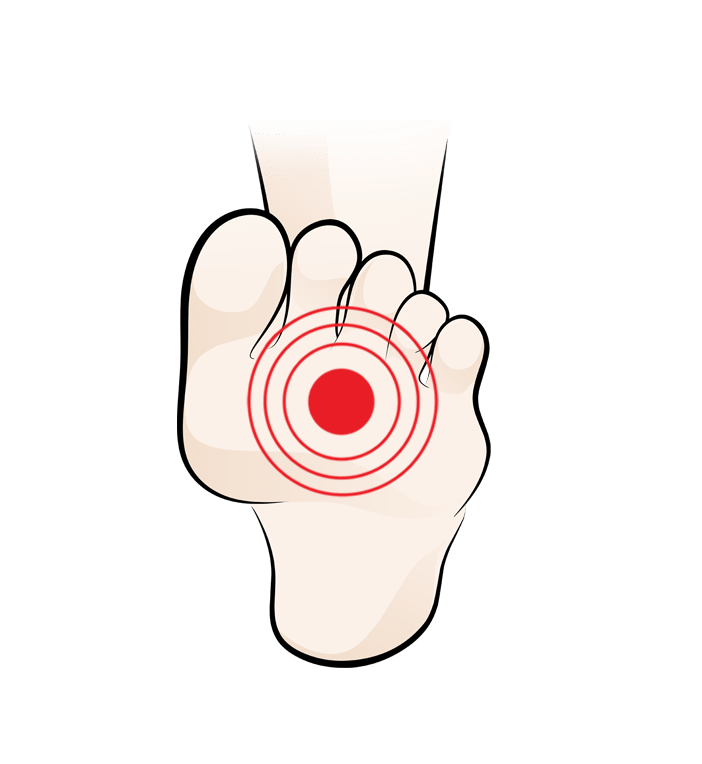
Morton’s Neuroma is a painful condition caused by the thickening of the nerve between the 3rd and 4th toe. Typical symptoms are a burning or sharp pain in the ball of the foot, tingling or numbness in the toes and the feeling of ‘walking on a pebble’. Footlogics offers a range of effective, yet affordable orthotic solutions to relieve Morton’s Neuroma foot pain. FREE shipping plus a solid 30-day Money-Back-Guarantee.
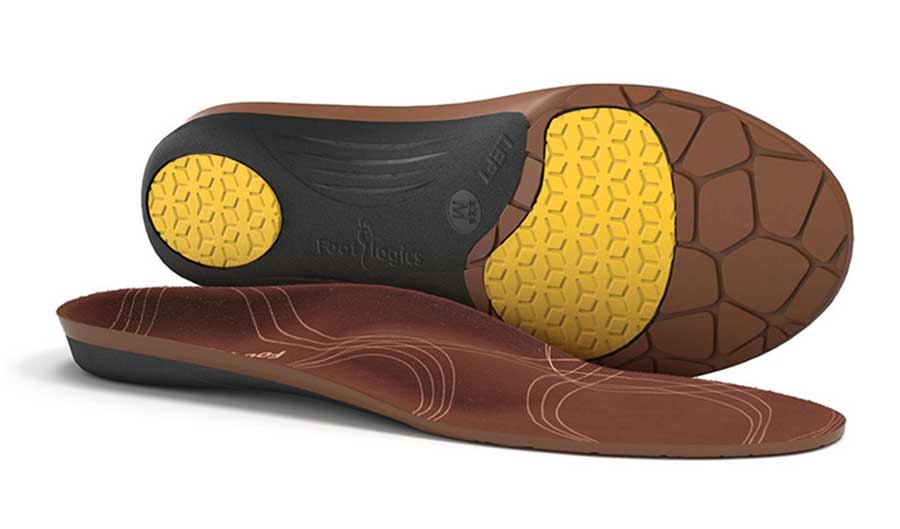
Footlogics META PREMIUM
For regular lace-up shoes. Features 0.5 inches of extra cushioning under the ball of the foot + firm nylon shell for added support and durability.
SHOP NOW
$44.95
Footlogics 3/4 META PRO
3/4 length premium insole for slip-on shoes. Firm nylon shell for extra support and durability.
SHOP NOW
$39.95
What are the best insoles for Morton's Neuroma?
The best insoles for Morton’s Neuroma reduce pressure on the irritated nerve between the metatarsal bones rather than simply adding extra cushioning. Podiatrists generally recommend orthotic insoles that combine:
- built-in metatarsal support
- firm arch support
- a deep heel cup
- shock-absorbing cushioning
- sufficient width in the forefoot
A properly positioned metatarsal pad gently lifts and spreads the metatarsal bones, creating more space around the compressed nerve. This reduces the burning pain, tingling and numbness that many people experience.
Soft gel insoles may feel comfortable initially but usually do not provide enough structural support to reduce nerve compression.
What is Morton's Neuroma
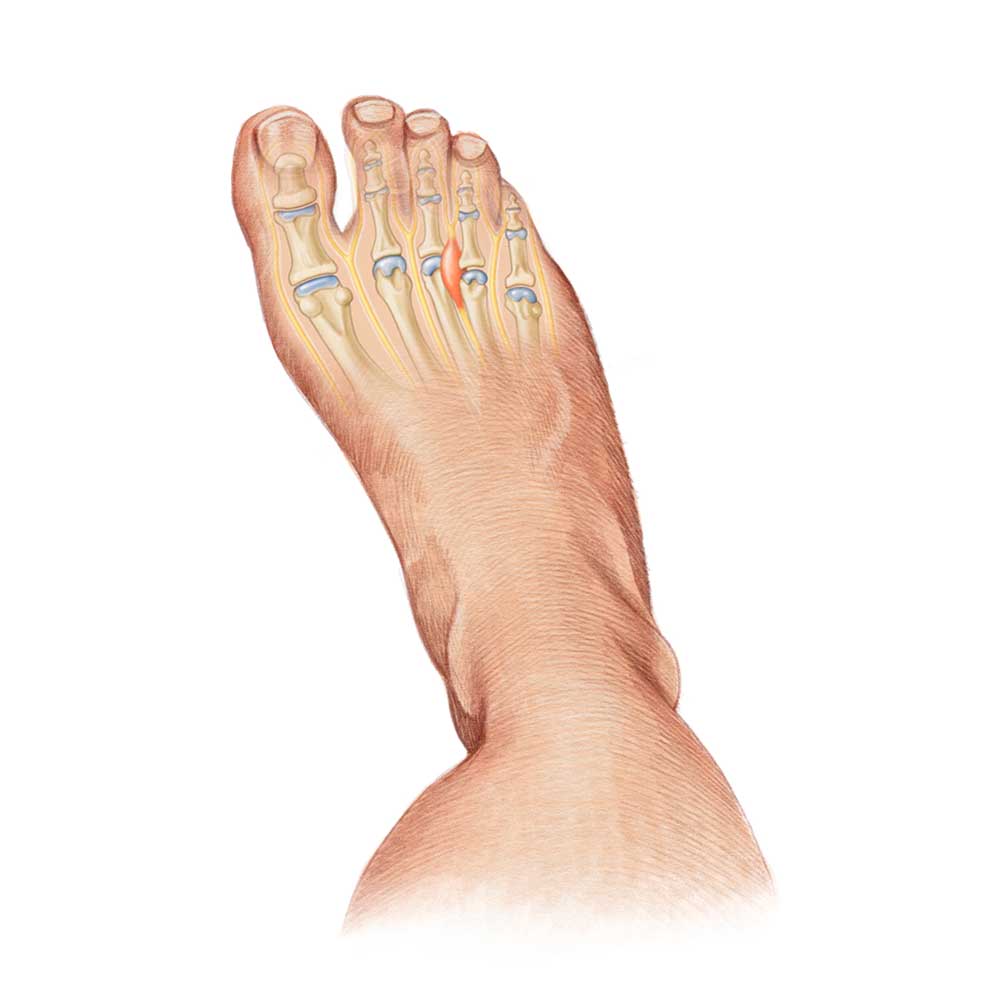
Morton’s Neuroma is a painful foot condition that happens when the nerve between the third and fourth toes gets irritated, thickened, or compressed. A ‘neuroma’ is a minor tumor of a nerve. However, Morton’s Neuroma is not a tumor. It is a benign enlargement of nerve tissue that happens when the forefoot is under a lot of stress or pressure for a long period of time. Thomas Morton first described this condition in the 1800s. It is one of the most common causes of forefoot pain.
Anyone can get a neuroma, but women are more likely to get it than men. Also, people between the ages of 40 and 60 are the most likely to suffer from this condition. Activities that put a lot of stress on the forefoot, like running, dancing, or some work tasks are often to blame.
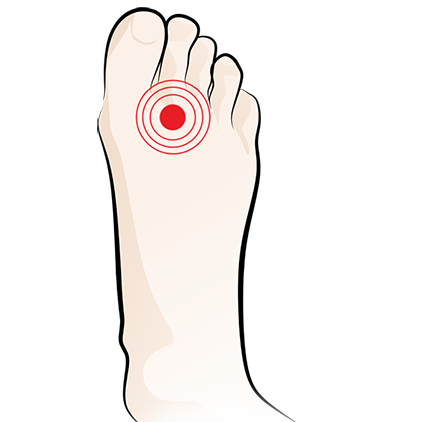
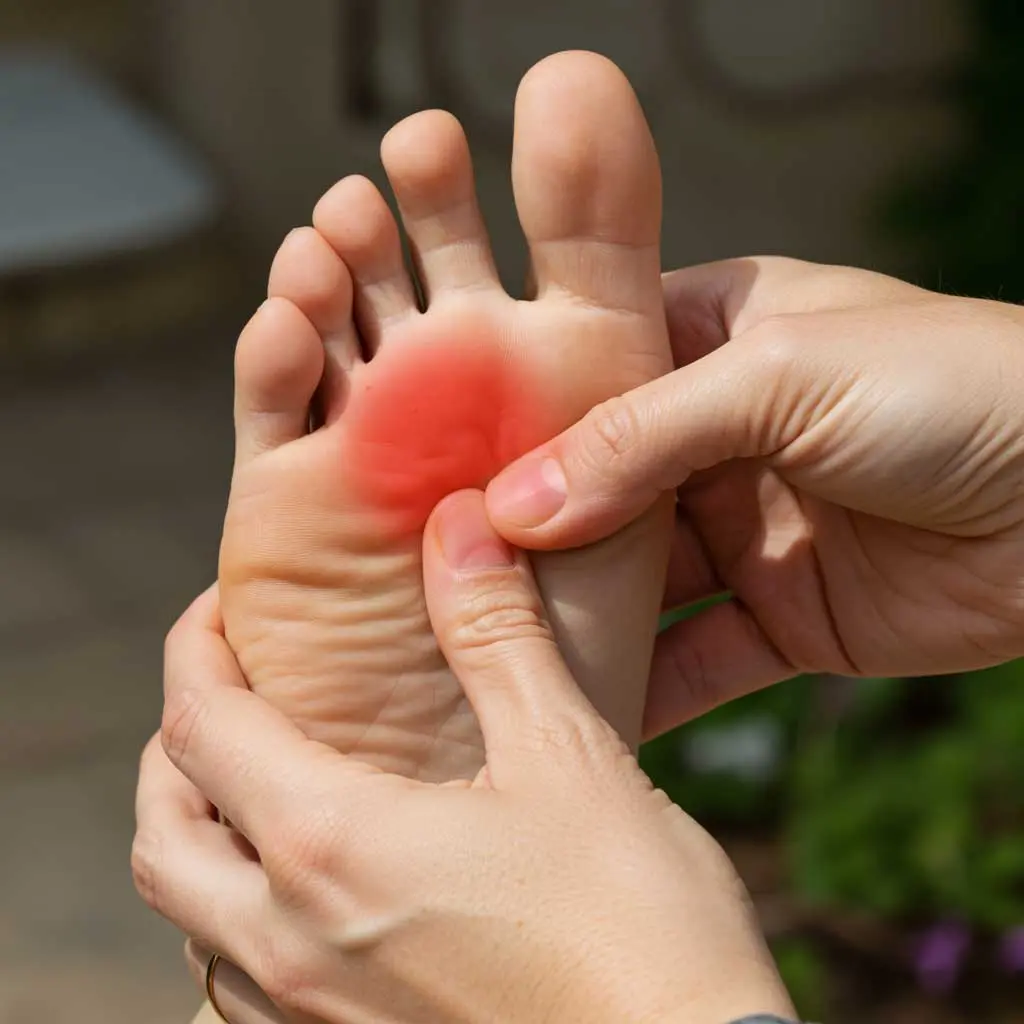
The symptoms of Morton’s Neuroma are:
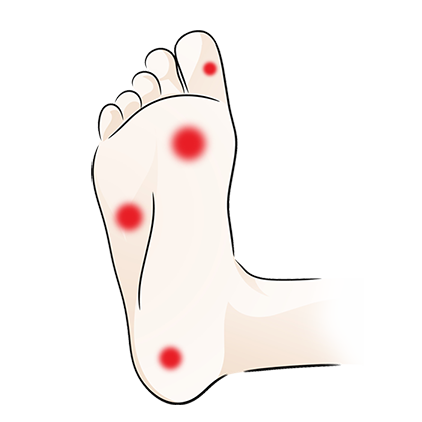
Sharp, burning pain in the ball of the foot that often spreads to the toes
Tingling or numbness in the toes
Stabbing electric shock–like feelings between the toes.
The feeling of walking on a pebble
pain that goes away for a short time when you take off your shoes or rest, but comes back when you move around or wear tight shoes. Read more..
What causes Morton’s Neuroma?
Morton’s Neuroma is very similar to Metatarsalgia in that it’s caused by the same factor: the collapsing of the transverse arch of the foot. When the forefoot collapses – due to age, weight gain, muscle weakness etc – the space between the metatarsal bones dissapears, leading to a ‘squeezing’ of the nerve tissue in between the bones. The body ‘reacts’ to this constant excess pressure and the nerve will start to thicken and get irritated, leading to numbness and pain.
Tight, narrow, or high-heeled shoes usually make symptoms worse because they put extra pressure on the metatarsal heads and the nerve. When shoes squeeze the forefoot, they make the space between the metatarsals and the nerve smaller. In addition pressure on the forefoot from high-impact sports or dancing is widely seen as a major cause.
Thirdly, over-pronation (rolling in of the foot & lowering of the arches) can lead to collapsing of the forefoot structure, even if you’ve always worn normal flat shoes. Other causes include deformities of the forefoot or high arches. People with high arches put all their body weight on the heel and forefoot. Last but not least, weight gain puts a lot of excess pressure on the feet, especially on the metatarsal bones.
Diagnosis
A clinical exam is usually the first step in diagnosing, and it includes:
A record of symptoms and activities.
A physical exam of the front foot
Reproducing pain through techniques like the “Mulder's click test”
Imaging techniques, including ultrasound or MRI can be employed to visualize nerve swelling and exclude alternative etiologies of forefoot pain
Treatment options for Morton’s Neuroma - including orthotics
There are different ways to treat Morton’s Neuroma, from conservative measures to surgical intervention. A step-by-step approach is often suggested, with a focus on non-invasive methods at first. Furthermore, running, dancing, hiking, and other activities that put excess weight on the forefoot should be completely avoided!
Changing shoes: with a low to flat heel, a wider fitting with big toe box, good cushioning/padding
Ice: put an ice pack on the affected area
Anti-inflammatories like Ibuprofen, Advil etc
Orthotic insoles & metatarsal pads
Cortisone Injection
This is a steroid medication injection that may reduce pain and inflammation. Relief may only last for a short time and repeated injections can cause problems like fat pad atrophy or tendon weakening. Finally, surgery may be an option.
Orthotic insoles for the relief of Morton's Neuroma
Both custom-made or ‘off-the-shelf’ shoe inserts and metatarsal insoles are a very important part of conservative management of Morton’s Neuroma. The goal of the orthotic device is to support the forefoot structure, improve foot biomechanics and thereby reducing the excess forces on the nerve.
A systematic review and meta-analysis published in the Journal of Foot and Ankle Research found that non-surgical treatments, including orthoses with metatarsal padding, have helped many people manage Morton’s Neuroma and related forefoot pain.
Footlogics offers 5 different options for Morton’s Neuroma:
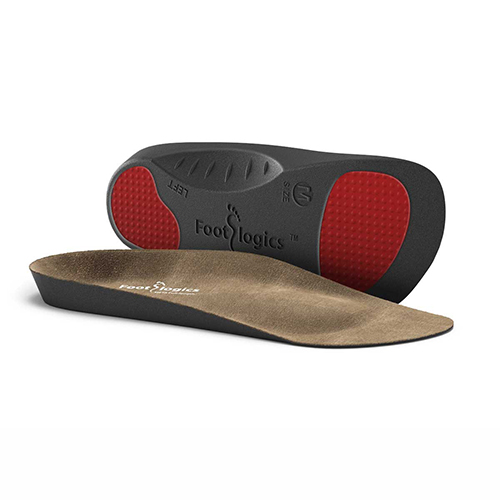
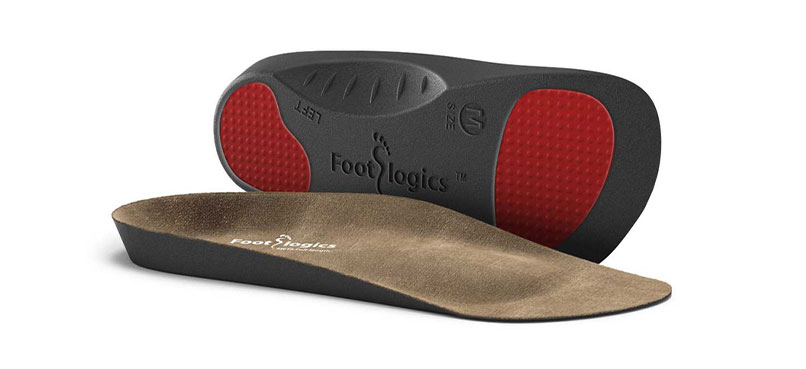
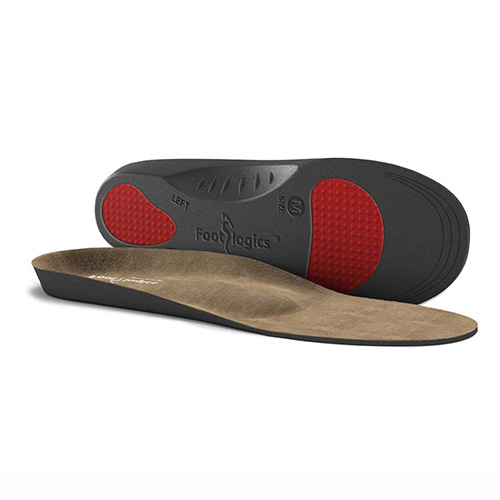
Footlogics Metatarsalgia
This is our best selling insole for Morton’s Neuroma. It features a prominent forefoot pad to support the 5 metatarsal bones in the foot, which in turns ‘opens up’ the metatarsal heads, creating more space for the neuroma. This means less squeezing on the nerve.
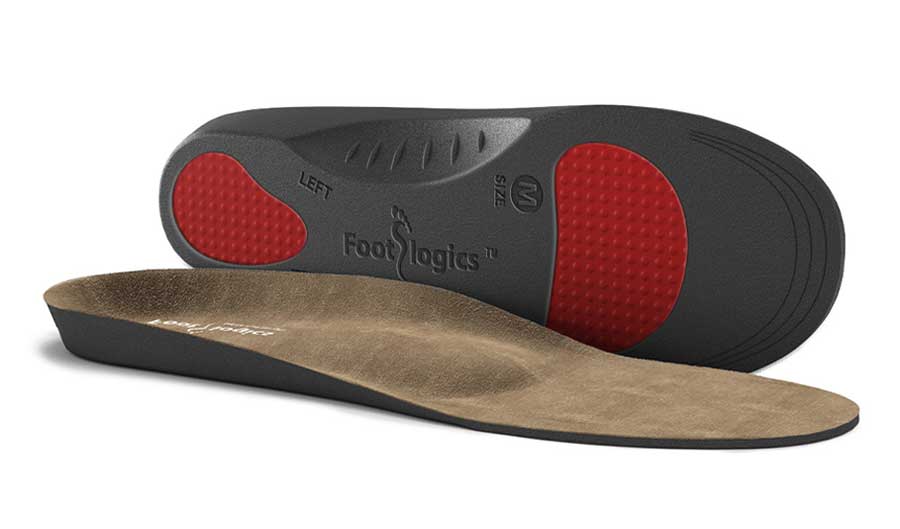
Footlogics Meta Full-length
This is the full-length version of the above mentioned Metatarsalgia insole, designed for lace-up shoes, runners, work boots etc. It features the same metatarsal pad, supporting the transverse arch. In turn, more space is creating for the nerve, resulting in lasting comfort and relief.
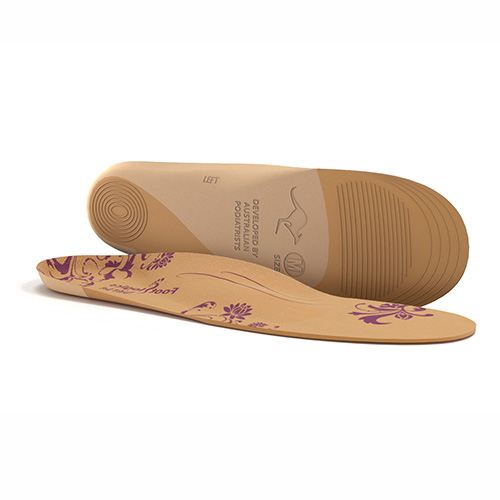
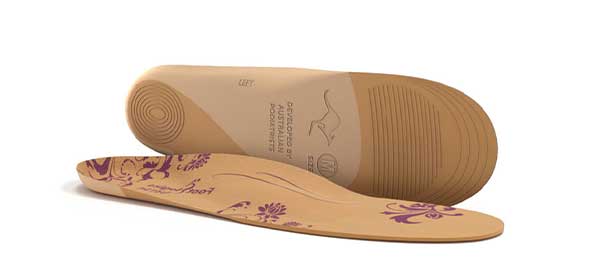
Footlogics Versa
This is the perfect insole for women’s footwear that is narrow and shallow. It can even be used in low-heeled fashion boots. Featuring a strong metatarsal pad and arch support these orthotics will help reduce the symptoms of Morton’s Neuroma.
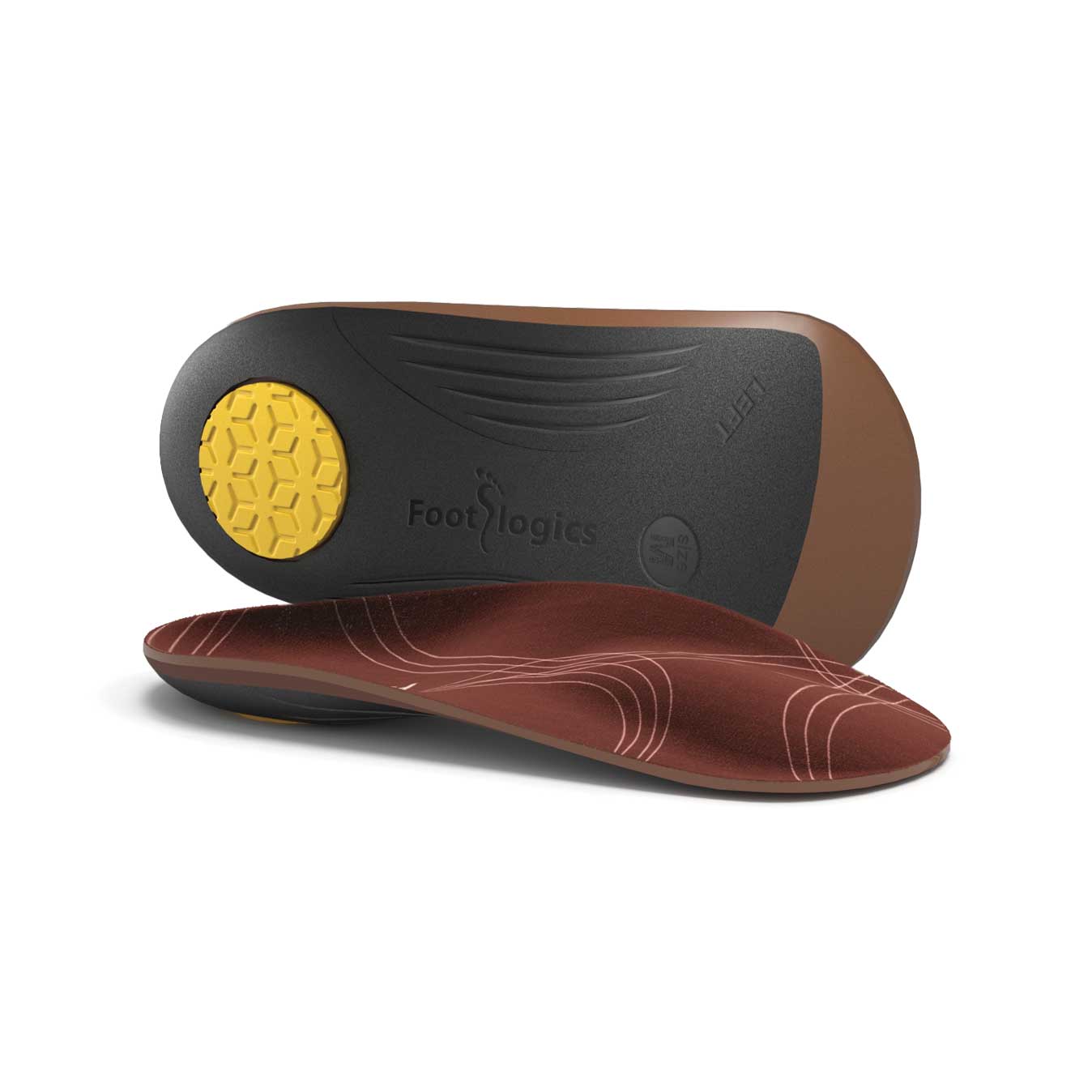
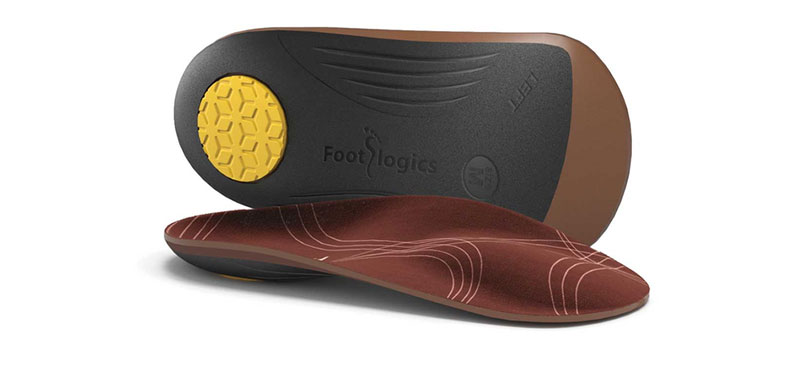
Footlogics 3/4 Meta Pro
A new 3/4-length orthotics for Metarsalgia and Morton’s Neuroma. Stronger arch support, using a firm nylon outer shell. Plus softer more shock-absorbing materials, compared to our Footlogics Metatarsalgia. This shoe insert will last 18-24 months.
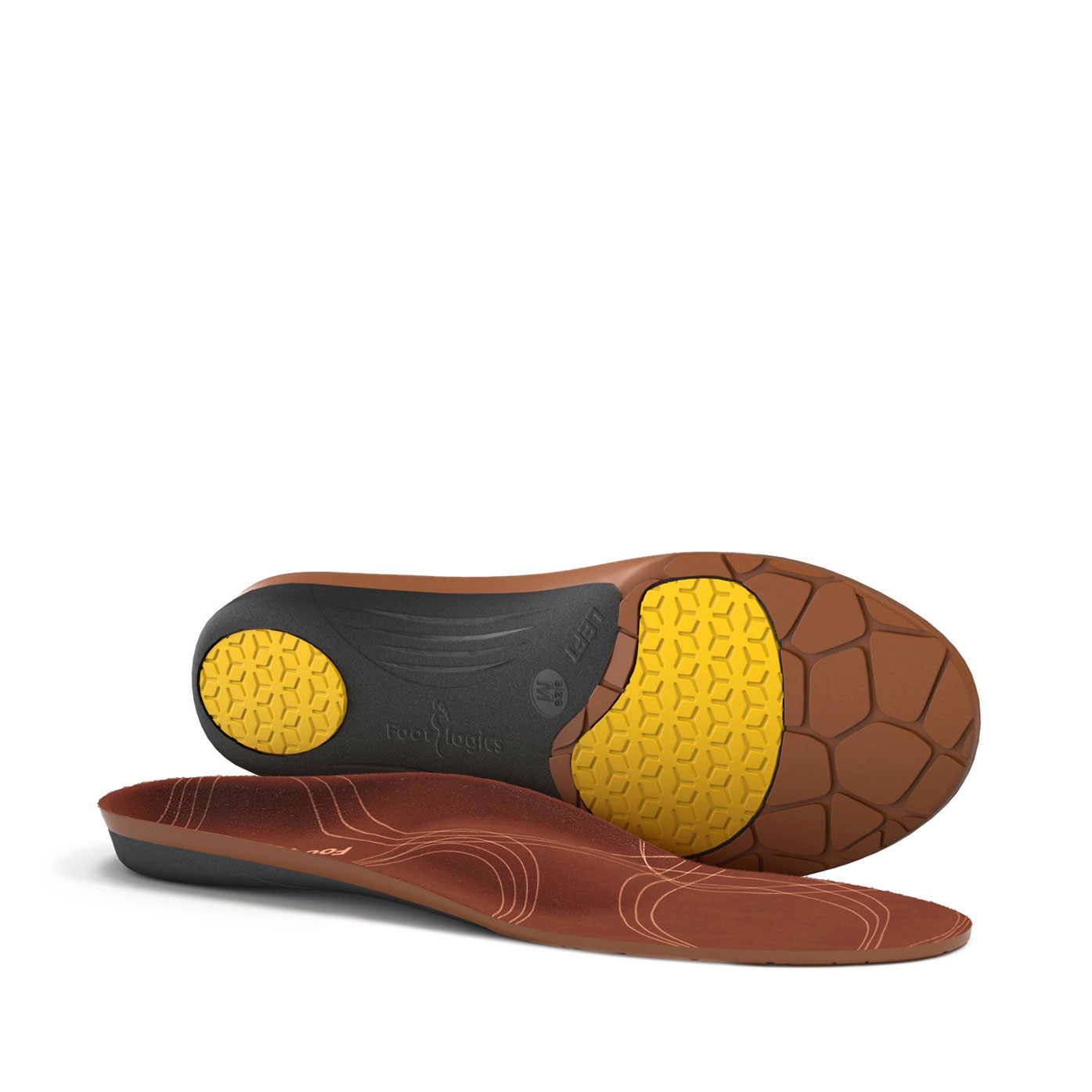
Footlogics Meta Premium
This recently developed insole is the ‘pinnacle’ of Mortons orthotics. Similar in shape to the Meta Full-length, but providing stronger arch support and an extra 8mms of cushioning under the ball of the foot. This orthotic is built to last 18-24 months, before it needs replacement. Recently we added a Pickleball insole that can be useful for Morton’s Neuroma.
Surgery
Your doctor may suggest surgical removal of the thickened nerve. People usually think about surgery only after all conservative treatments have failed. Neurectomy involves cutting out the part of the nerve that is causing problems. Decompression surgery, like dorsal or plantar inter-metatarsal ligament release, gives the nerve more room.
The benefits of surgery is that it gives the patient the best chance of long-term relief, especially when conservative methods don’t achieve the desired results. On the down-side surgery may cause risks and problems like:
Infection of the wound or nerve
Permanent numbness in the toes (this happens when the entire nerve is taken out)
Scar Tissue
Risk of pain that doesn't go away or comes back
The recovery time can be weeks to months, whereby an after-surgery boot has to be worn as to avoid any pressure on the forefoot. Studies indicate that surgical outcomes are positive in numerous instances, with around 70–85% of patients experiencing substantial or total relief. However, results differ, and some patients continue to feel pain or have changes in their senses. There are also ways to treat Mortons Neuroma without surgery.
Frequently asked questions about orthotic insoles and shoe inserts for morton's neuroma
1.Do orthotic insoles really help Morton’s neuroma?
Well-designed orthotics and shoe inserts with metatarsal pads can significantly reduce nerve compression and Morton’s neuroma pain for many people. Insoles that support the metatarsals in their natural spread can help reduce pressure on the nerve that causes Morton’s neuroma pain. However, severe or longstanding cases may still require medical treatment beyond conservative measures.
2.What’s the difference between metatarsal pads and full insoles?
Loose metatarsal pads target only the ball of foot area and can shift during wear. Full orthotic insoles and shoe inserts also support the arch and heel, improving overall biomechanics and preventing the varying levels of overload that contribute to nerve irritation. Choosing insoles with built-in metatarsal pads can provide additional support and help alleviate strain on the forefoot, which is beneficial for conditions like Morton’s Neuroma.
3. Can I use Morton’s neuroma orthotics in all my shoes?
Yes, in most cases. Slim-fitting shoe inserts like Footlogics Versa work better in dress shoes and heels, while full-length insoles suit runners, boots, and casual footwear. For effective relief of Morton’s neuroma, insoles must be combined with appropriate footwear—verify your shoes have adequate internal depth to avoid tightness.
4. Do I have to remove the factory insole first?
Generally yes. Removing existing liners ensures your new orthotic insoles or shoe inserts sit flat against the shoe bed. Doubling up creates crowding, reduces effectiveness, and can worsen discomfort by compressing the toe box.
5. How long do Morton’s Neuroma inserts last?
Footlogics insoles and shoe inserts typically last 9-12 months of regular daily wear—many users get over a year with moderate activity levels. Heavy mileage, high body weight, or demanding activities may shorten lifespan to 6-9 months due to material fatigue and cushioning breakdown. However, our new Meta Premium insoles are designed to last up to 24 months.
6. When should I see a podiatrist?
Consult a doctor or podiatrist if pain persists after 4-6 weeks of proper insoles, shoe inserts, wider footwear, and activity modification. Seek professional help sooner if you experience significant numbness, difficulty walking, or symptoms that prevent normal daily activities. A specialist can rule out other conditions and discuss advanced treatment options.
7. Can these insoles also help plantar fasciitis or heel spurs?
Yes. Many Morton’s neuroma insoles and shoe inserts, including Footlogics Metatarsalgia, provide combined arch and heel support. Cushioned materials in insoles help reduce impact on the sensitive areas of the foot during walking or running, delivering pain relief benefits for multiple conditions simultaneously.
8. Are custom orthotics better than over-the-counter options?
Custom orthotics can be beneficial for severe or persistent foot pain, developed specifically from a 3D scan of the foot. However, high-quality, medical-grade OTC insoles and shoe inserts like Footlogics often provide comparable relief at a fraction of the cost—sometimes one-tenth the price. Most people with mild to moderate symptoms find excellent results with properly designed over-the-counter options before investing in custom solutions.
9. Can Orthotics cure Morton’s Neuroma?
Orthotic insoles cannot cure Morton’s Neuroma, but they can play an important role in relieving symptoms and slowing the progression of the condition. By improving foot alignment and reducing pressure on the affected nerve, orthotics often reduce pain, burning and numbness in the forefoot. Many people experience significant long-term relief when orthotics are combined with appropriate footwear and activity modification. If symptoms persist despite conservative treatment, further assessment by a podiatrist or other healthcare professional is recommended.
10. Are Metatarsal Pads worth it?
Yes. Metatarsal pads are one of the most effective conservative treatments for many people with Morton’s Neuroma. Positioned just behind the ball of the foot, they gently lift and spread the metatarsal bones, helping to reduce pressure on the irritated nerve. When correctly positioned, a metatarsal pad can improve comfort during walking, standing and sporting activities. Many orthotic insoles include an integrated metatarsal support, eliminating the need for a separate adhesive pad.
11. Should I wear Orthotics in both shoes?
Yes. Orthotics are generally designed to be worn in both shoes, even if symptoms are present in only one foot. Supporting both feet helps maintain balanced alignment, promotes a more natural walking pattern and reduces uneven loading through the ankles, knees and hips. Wearing an orthotic in only one shoe may create an imbalance that can contribute to discomfort elsewhere.
12. Can Morton’s Neuroma go away without Surgery?
In many cases, yes. Mild to moderate Morton’s Neuroma often responds well to conservative treatment, including wearing wider shoes, avoiding high heels, using orthotic insoles with metatarsal support and modifying activities that aggravate symptoms. While the thickened nerve tissue itself may not completely disappear, many people achieve excellent long-term pain relief without surgery. Early treatment generally offers the best chance of avoiding surgical intervention.
13. What shoes should I avoid?
If you have Morton’s Neuroma, it is best to avoid shoes that compress the forefoot or place excessive pressure on the ball of the foot. This includes high heels, narrow dress shoes, pointed-toe footwear and tight-fitting athletic shoes. Instead, choose shoes with a wide toe box, good cushioning and a removable insole so you can comfortably wear supportive orthotic insoles.
14. Why does wearing High Heels make it worse?
High heels shift your body weight forward onto the ball of the foot, significantly increasing pressure between the metatarsal bones where the affected nerve is located. They also squeeze the toes together, further compressing the nerve and increasing irritation. For people with Morton’s Neuroma, reducing heel height and choosing shoes with a wider toe box can often make a noticeable difference in comfort.
15. How long do Orthotics take to work?
Many people notice some improvement within the first few days or weeks of wearing orthotic insoles, particularly if they are combined with appropriate footwear. However, symptoms often improve gradually, and it may take four to eight weeks of consistent daily use to experience the full benefits. Recovery varies depending on the severity of the condition and how long symptoms have been present.
16. Can I still play sports?
Yes. Many people with Morton’s Neuroma are able to continue participating in sport by wearing supportive footwear and orthotic insoles that reduce pressure on the forefoot. Activities involving repetitive running or jumping may temporarily aggravate symptoms, so it is important to monitor discomfort and modify training if necessary. Sports-specific orthotic insoles with metatarsal support and adequate cushioning can help improve comfort during activity.
17. How often should I replace my orthotics?
Quality orthotic insoles typically last between 12 and 24 months, depending on your body weight, activity level and how frequently they are worn. If the arch support has flattened, the cushioning has compressed or symptoms begin to return, it may be time to replace your orthotics. Regular replacement helps ensure they continue to provide effective support and pressure relief.
18. What’s the difference between Metatarsalgia and Morton’s Neuroma?
Although both conditions cause pain in the ball of the foot, they are not the same. Metatarsalgia is a general term describing pain and inflammation beneath the metatarsal heads, usually caused by excessive pressure or overload. Morton’s Neuroma is a thickening of the tissue surrounding a nerve, most commonly between the third and fourth toes. People with Morton’s Neuroma often describe burning pain, tingling or numbness, whereas metatarsalgia typically causes aching or tenderness beneath the forefoot. Both conditions may benefit from orthotic insoles with metatarsal support, but the underlying causes differ.
19. Can Orthotics help prevent Surgery?
In many cases, yes. Orthotic insoles are widely used as part of conservative treatment for Morton’s Neuroma and may help reduce symptoms sufficiently to avoid or delay surgery. By redistributing pressure away from the affected nerve, improving foot alignment and supporting the transverse arch, orthotics can reduce irritation during everyday activities. While surgery may still be necessary for severe or persistent cases, many people achieve satisfactory symptom relief with orthotics, appropriate footwear and other non-surgical treatments.
20. Should I massage Morton’s Neuroma?
Gentle massage of the surrounding muscles and soft tissues may help reduce foot tension and improve comfort, but it is important not to apply direct pressure over the affected nerve, as this can increase irritation. Massage is best used alongside supportive footwear, orthotic insoles, stretching exercises and activity modification rather than as a stand-alone treatment. If massage consistently increases your symptoms, stop and seek advice from a health professional.
Conclusion
Morton’s neuroma is a common foot problem that hurts a lot and is caused by irritation of the interdigital nerve. Even though symptoms can be hard to get rid of, many people find relief by changing their shoes, using orthotic devices (especially with metatarsal pads), changing their activities, and getting targeted therapies.
When conservative care doesn’t work, surgery is still a good option, but it comes with risks and things to think about during recovery. If you think you have Morton’s neuroma, seeing a foot health professional early on can help them make a treatment plan that eases your pain and makes you feel better, often without the need for surgery.
WHAT MAKES FOOTLOGICS DIFFERENT?
Footlogics orthotics are designed to deliver medical-grade support and relief — without the cost or wait time of custom orthotics.

TGA-Approved Medical Device
Meets strict medical standards

Developed by Podiatrists
Created for real foot conditions, not generic comfort

Trusted by Health Professionals
Recommended by doctors and physical therapists worldwide

Over 2 Million Pairs Sold
Proven support for everyday life, work, and sport

Available in 20+ countries
Trusted by customers across the globe

Australia’s #1 Orthotic Insole
Leading podiatrist-designed support brand
SHOP BY FOOT COMPLAINT
common aches & pains
Learn more about different foot conditions and how Footlogics orthotics can help..