
Orthotic insoles for heel pain and heel spurs
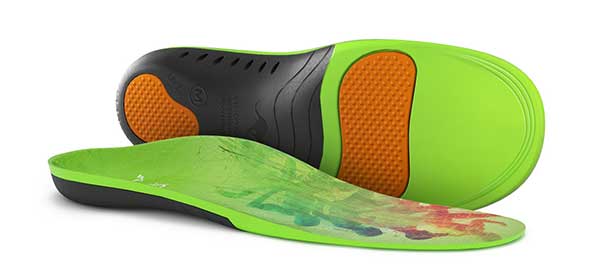
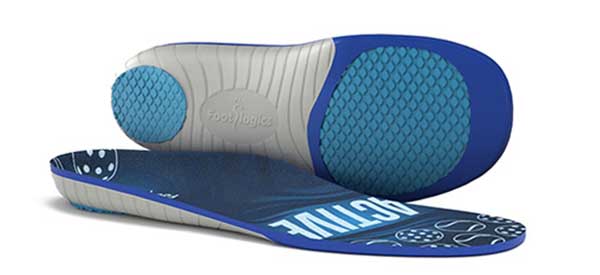
Best orthotic insoles for Heel Pain & heel spurs
The best insoles for heel pain and heel spurs are orthotic insoles that combine firm arch support, a deep heel cup, and targeted heel cushioning — features that address the root biomechanical cause rather than just masking the pain. Footlogics orthotic insoles are podiatrist-designed specifically for plantar fasciitis and heel spurs, correcting over-pronation to release tension on the plantar fascia while a shock-absorbing heel pad cushions the painful calcaneus. Backed by more than 15 years of clinical use and over 2 million pairs sold globally, Footlogics insoles for heel pain are a proven, affordable alternative to expensive custom-made devices.
What the clinical evidence says about insoles for heel pain:
The American Physical Therapy Association’s 2023 Clinical Practice Guidelines state that clinicians should use foot orthoses — either prefabricated or custom orthotic insoles — to support the medial longitudinal arch and cushion the heel in individuals with plantar fasciitis and heel pain, to reduce pain and improve function for both short-term (2 weeks) and long-term (1 year) periods.
Furthermore, research by the NHS Scotland shows a number of clinical trials, suggesting that ortotics insoles are an effective, non-evasive way of treating heel pain.
Heel Pain Symptoms
If you experience pain in the heel when you first get up in the morning, you might be suffering from heel spurs. This sharp pain often subsides into a duller ache, which persists throughout the day. After sitting down for an extended period, the stabbing pain will occur again in the front or bottom of your heel.
What causes a heel spur to develop?
Heel spurs are growths that occur on the bone in your heel, known as the calcaneus. The growth itself is harmless, but it leads to inflammation of the surrounding tissue, which causes the discomfort and pain you experience. Heel spurs often develop in the first place due to Plantar Fasciitis, which is an irritation of the Plantar Fascia ligament. This ligament stretches all the way from the calcaneus to your toes. Excess weight, improper foot movement, and significant stress are all factors that can stretch and tear the plantar fascia, leading to Plantar Fasciitis.
The ongoing stress of Plantar Fasciitis can contribute to the growth of heel spurs because the Plantar Fascia attaches at the heel bone. The Fascia ligament first lengthens and stretches when you take your first steps for the day. This is why the inflammation from heel spurs causes a sharp stabbing pain when getting out of bed or walking after an extended period of rest.
Risk factors for heel spurs include:
• Pregnancy or being overweight
• Continually walking or standing on hard surfaces
• Flattening of the arch (over-pronation)
• Tightness in the calf muscles
Inserts for heel spur treatment and heel pain relief
Plantar Fasciitis and heel spurs can be treated with simple, non-surgical methods. The most common heel spur relief solutions are:
• Rest, avoid prolonged activity, such as walking, running and sports
• Ice, apply ice for only 5 minutes, allowing the inflammation to cool down
• Weight loss
• Stretching exercises – click here to view an Exercise Program
• A low-cost orthotic shoe insert
The most effective solution to heel pain is to treat the cause of the problem by correcting abnormal foot mechanics. This can be achieved with orthotic insoles.
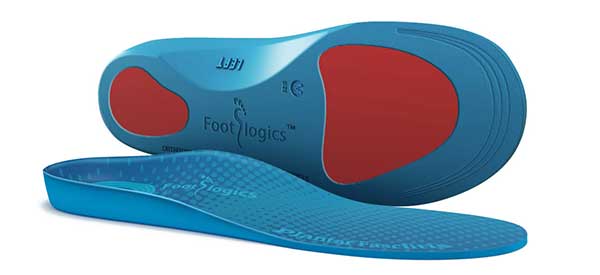
Developed by Australian podiatrists, Footlogics orthotics control over-pronation and support the arches. They help release the tension on the plantar fascia, thereby treating the cause of Plantar Fasciitis and heel spurs. Additionally, a soft shock-absorbing heel pad helps reduce the impact on the painful heel, providing added relief and walking comfort.
Heel pain insoles: How Footlogics orthotics alleviate plantar fasciitis and heel spurs
The best insoles for heel pain combine structural support and cushioning – specifically, structured orthotic insoles with firm arch support, a deep heel cup, and targeted heel cushioning are the most effective for plantar fasciitis and heel spurs. Prefabricated orthotics like these are usually sufficient for standard heel pain without needing expensive custom insoles.
Footlogics orthotics were developed by podiatrists to treat the most common causes of heel pain. Our heel pain range includes:
-
Active ($39.95) – court sports like pickleball and tennis
-
Plantar Fasciitis ($37.95) – all-day pain relief for work and walking
-
Performance ($39.95) – high arches and supination
-
Sports ($39.95) – running, gym, field sports
-
Casual 3/4-Length ($32.95) – slip-ons and casual shoes
-
Versa ($34.95) – slim fit for women’s dress shoes and flats
All models ship free within the USA and come with a 30-day money-back guarantee, making every pair a risk free purchase.

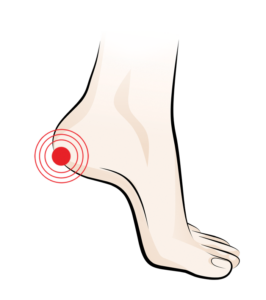
Why Heel Pain Happens (Plantar Fasciitis, Heel Spurs)
Heel pain affects roughly 2 million Americans every year, with peak incidence between ages 40 and 60. It hits hardest in people who spend long hours standing on hard surfaces, play stop-and-start sports like pickleball, or have biomechanical issues like flat feet or high arches.
The plantar fascia ligament is a thick band of connective tissue running from the heel bone to the toes. It supports your arch and absorbs shock with every step. When repetitive stress overloads this structure – through over-pronation, sudden activity increases, or poor footwear – microtears and inflammation develop. That’s plantar fasciitis. Over time, chronic traction at the fascia’s attachment can produce heel spurs: bony growths on the heel bone that signal long-term mechanical overload. The spurs themselves often aren’t the source of pain; it’s the irritated soft tissue around them.
Key risk factors include:
-
Flat feet or over-pronation – arch collapses inward, stretching the fascia
-
High arches – rigid foot absorbs less shock, overloading the heel
-
Worn-out shoes – worn-out shoes can increase stress on the heel dramatically
-
Prolonged standing or walking on concrete – common in teaching, nursing, warehouse jobs
-
Weight gain – higher body mass means more load per step
-
Court sports – pickleball, tennis, and basketball demand explosive lateral moves
Arch support reduces strain on the plantar fascia ligament, which is why proper insoles are a frontline intervention. Poor heel alignment doesn’t just cause foot pain – it can cascade up the kinetic chain, contributing to knee discomfort, hip rotation issues, leg pain, and back pain.
Is your Heel Pain Plantar Fasciitis, Heel Spurs, or something else?
Several conditions produce similar discomfort in the heel, and identifying the pattern helps you choose the right insole and decide if you need to see a doctor.
Plantar fasciitis typically presents as:
-
Sharp, stabbing pain under the heel with first steps in the morning
-
Pain that eases after walking a few minutes but returns after sitting
-
Localized tenderness at the inner heel, near the arch
-
Worsening after long walks, running, or standing
Heel spurs often coexist with plantar fasciitis and may appear on X-ray, but many people with spurs experience no pain at all. The spur is a marker of chronic fascia stress, not necessarily the cause of inflammation.
Other possibilities to consider:
-
Dull, bruised feeling under the heel → fat pad atrophy (thinning cushion under the heel bone)
-
Pain at the back of the heel, worse when pushing off → achilles tendinitis or achilles tendon issues
-
Burning, tingling, or radiating sensation → possible nerve involvement like tarsal tunnel syndrome
-
Shin splints or arch pain that accompanies heel discomfort → biomechanical overload
If your symptoms include numbness, swelling, or inability to bear weight, seek professional assessment before relying on shoe inserts alone.
The Right Insole Approach for Heel Spurs
Because a heel spur is a bony growth rather than soft tissue inflammation, the priority for relief is slightly different from general plantar fasciitis treatment: you’re cushioning and protecting a specific point of bone from repeated impact, in addition to addressing the underlying strain that caused it to form in the first place.
Targeted heel cushioning matters most here. A soft, shock-absorbing pad directly under the heel reduces the direct impact on the bony spur itself with every step, which is often where heel-spur-specific pain is felt most acutely, distinct from the broader arch fatigue associated with plantar fasciitis alone.
A deep heel cup still plays a critical supporting role, by centering your heel’s natural fat pad beneath the heel bone and keeping the foot stable, this reduces the small side-to-side shifting that can aggravate an already-sensitive area with each step.
Firm arch support addresses the root cause, since heel spurs typically develop from prolonged tension on the plantar fascia. Reducing that ongoing strain doesn’t shrink an existing spur, but it does calm the surrounding inflammation that’s actually responsible for most of the pain, and helps prevent the condition from progressing further.
Our heel pain range is built around this combination of cushioning and structural support:
- Footlogics Plantar Fasciitis ($37.95) — all-day relief for work and walking, combining firm arch support with heel and forefoot cushioning
- Footlogics Performance ($39.95) — for higher arches or supination
- Footlogics Active ($39.95) — for court sports like pickleball and tennis
If your heel spur developed from ongoing plantar fasciitis (the most common cause), it’s worth reading our dedicated guide to plantar fasciitis and arch support insoles, which covers the root-cause treatment, arch-height matching, and full product range in more depth. This page focuses specifically on the bony-spur side of heel pain; that one covers the soft-tissue mechanics driving it.
Footlogics Insoles for Heel Pain: Choosing the Right Model
Footlogics is a specialist orthotic brand that designs medical-grade insoles in consultation with podiatrists and physiotherapists. Their entire heel-pain range shares core features: firm molded arch support, a deep contoured heel cup, shock-absorbing polymers, and durable cushioning layers. A deep heel cup stabilizes the foot and reduces strain across all models, and a deep heel cup stabilizes the heel and reduces impact during every step. Choosing insoles that match foot arch type ensures proper support – which is why Footlogics offers distinct models for different needs.
Footlogics Plantar Fasciitis ($37.95) – The flagship model for classic heel pain and heel spurs. Full-length, multi-layer EVA construction with a firm arch and extra heel padding. Ideal for adults who stand or walk for long hours in sneakers or work shoes.
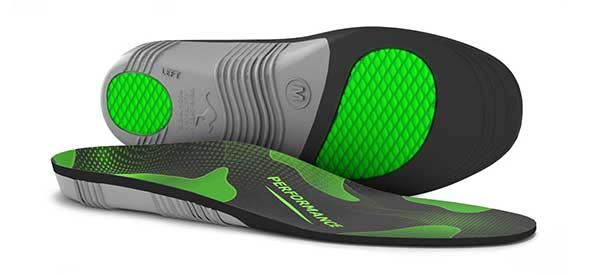
Footlogics Performance ($39.95) – Built for high arches and supination. Extra-strong arch platform with pronounced lateral walls and thicker cushioning. Fits boots and larger footwear for heavy or highly active users.
Footlogics Sports ($39.95) – Designed for running, gym training, and field sports. Shock-absorbing gel under heel and forefoot, reinforced shell to curb over-pronation, and a durable cover for multi-activity use.
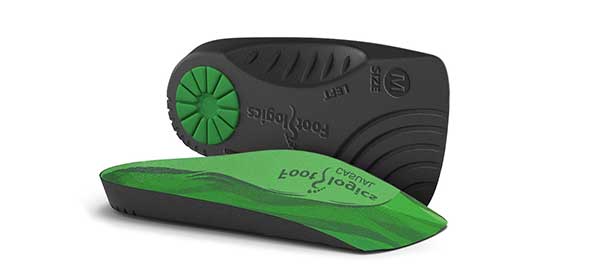
Footlogics Casual 3/4-Length ($32.95) – A shorter-profile orthotic for slip-ons, loafers, and casual shoes with limited depth. Firm structural support under heel and arch without taking up too much room.
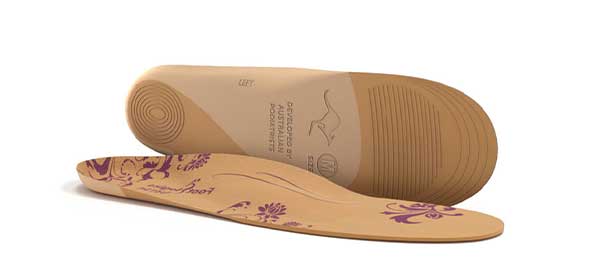
Footlogics Versa ($34.95) – Slim orthotics for women’s fashion shoes, ballerinas, and dress shoes. Maintains a structured shell and heel cradle in a low-profile design that fits shallow footwear.
Footlogics Active: Heel Pain Relief for Pickleball Players
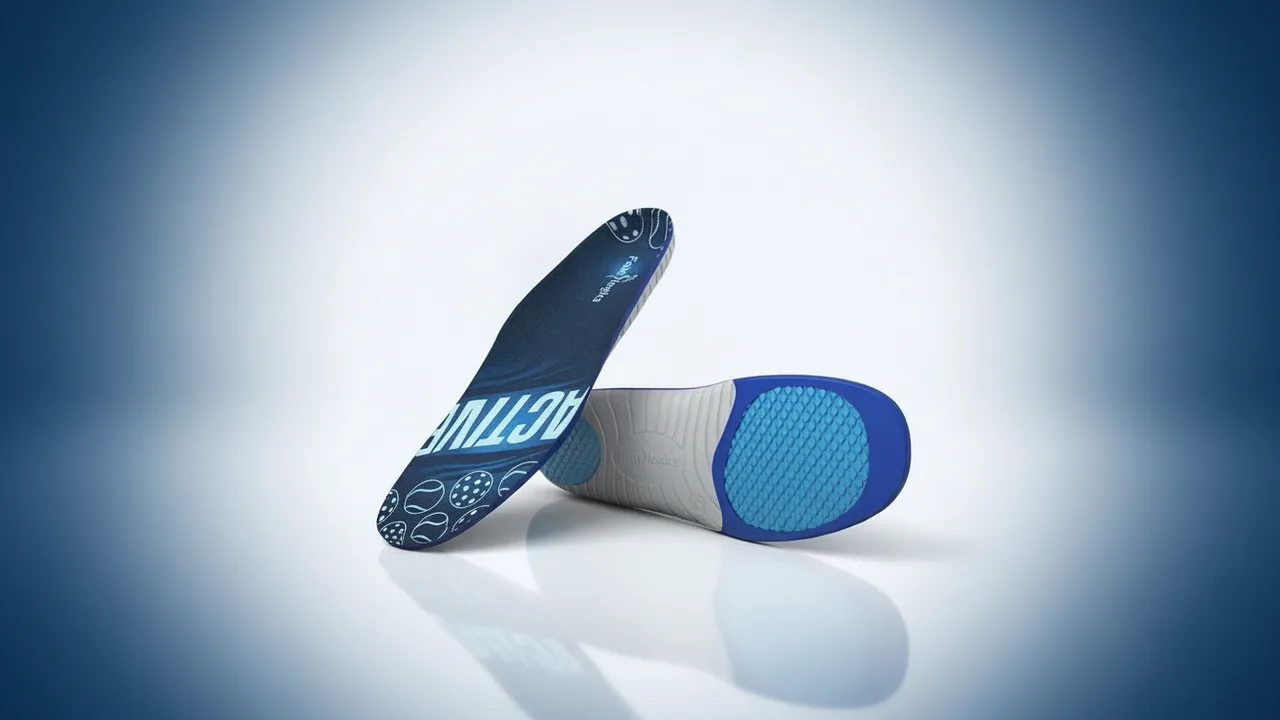
If you play pickleball, tennis, or padel and your heels are paying the price, the Footlogics Active ($39.95) was built specifically for you.
Pickleball is uniquely hard on the feet. Hard indoor and outdoor court surfaces offer almost zero shock absorption. The game demands explosive starts and stops, rapid lateral shuffles, forward lunges for dinks, and sudden direction changes – all of which drive repetitive strain directly into the plantar fascia and heel. Recent data shows that pickleball-related foot and ankle injuries rose approximately 6.5-fold from 2019 to 2023, with the average injured player around 58 years old. That’s a demographic already at elevated risk for plantar fasciitis.
The Active model addresses these demands with semi-rigid arch support that offers a balance of rigidity and flexibility, allowing natural movement without letting the arch collapse. Its deep heel cup cradles and stabilizes the heel during rapid deceleration. Contoured medial and lateral flanges provide lateral stability, and cushioned insoles reduce the impact on the heel during high-load activities. The design also helps prevent excess lateral movement during walking and cutting, lowering the chance of ankle strain and plantar fascia overload.
Typical users include recreational and competitive players hitting the courts two to three times per week. The Active fits most athletic shoes with removable factory insoles and comes with a 30-day trial so you can test them during real matches.
How orthotic insoles help reduce Heel Pain and Heel Spur symptoms
Footlogics insoles don’t just mask pain – they change how your foot interacts with the ground. Arch support reduces strain on the plantar fascia by preventing the arch from collapsing under load. A stable heel cup centers the foot and limits jarring impacts during walking, while supportive insoles help redistribute pressure across the foot and away from the inflamed fascia insertion.
Across the gait cycle, these orthotics improve heel strike alignment, reduce overstretching of the plantar fascia during push-off, and share load more evenly between midfoot and forefoot. Supportive insoles correct over-pronation and improve foot alignment, which means less abnormal tibial rotation traveling up through your knees, hips, and joints. Proper alignment maximizes efficiency in the body’s movement chain, and insoles can help avoid injuries related to over-pronation before they start. Structured arch support stabilizes the foot and reduces excess motion that triggers flare-ups.
Practical benefits include:
-
Reduced morning heel pain within the first week for many users
-
Ability to stand longer at work without discomfort
-
Confident return to sport like pickleball without fear of inflammation
-
Secondary relief in knees and lower back when foot alignment improves
Supportive insoles reduce strain on the plantar fascia consistently throughout the day, which is why wearing them in most shoes – not just during exercise – matters for long term support.
How to Use Heel Pain Insoles for Best Results
Insoles work best when introduced gradually and paired with supportive shoes. Start by wearing them 1–2 hours on day one, then increase over 5–7 days. This gives your feet time to adapt to the new structural support without creating soreness.
Insoles require shoes with removable sock liners for proper fit. Pull out the factory liner before inserting a full-length Footlogics orthotic. For 3/4-length models like the Casual, simply place the insole under your heel and arch. Proper fit of insoles prevents crowding in shoes and keeps your toes from pressing against the front.
For the best results:
-
Wear your orthotics in all main footwear – work shoes, sneakers, dress shoes, walking shoes
-
Pair insoles with gentle calf and plantar fascia stretches morning and evening
-
Ice the heel for 10–15 minutes after standing or playing for long periods
-
Check that your shoes aren’t excessively worn; a collapsed heel counter undermines even the best orthotics
Recovery time depends largely on severity. Some users feel immediate relief within days; chronic plantar fasciitis may need 4–6 weeks of consistent wear to significantly improve. The key is consistency – wearing them only during weekend games won’t deliver the same results as all-day, every-day use.
Frequently Asked Questions About Heel Pain & Insoles
Below are answers to the most common questions about heel pain, plantar fasciitis, heel spurs, and how orthotic insoles can assist.
FAQ 1: What are the best insoles for heel pain?
The best insoles for heel pain are orthotic insoles that combine three key features: firm arch support to control over-pronation and reduce tension on the plantar fascia, a deep heel cup to stabilise and cushion the calcaneus, and targeted shock-absorbing heel padding. Footlogics orthotic insoles include all three features and are podiatrist-designed specifically for plantar fasciitis and heel spurs. The 2023 American Physical Therapy Association Clinical Practice Guidelines recommend prefabricated orthotic insoles as a first-line treatment for heel pain, noting they reduce pain and improve function for both short and long-term periods.
FAQ 2: Do insoles actually help heel spurs?
Yes — orthotic insoles are one of the most clinically supported conservative treatments for heel spurs and heel pain. They work by correcting the underlying biomechanical cause: excessive pronation that strains the plantar fascia where it attaches to the heel bone. By supporting the arch and cushioning the heel, orthotic insoles reduce inflammation and allow the fascia to heal. Clinical guidelines from the American Physical Therapy Association (2023) recommend foot orthoses and insoles for heel pain as a Grade A evidence-based treatment.
FAQ 3: What is the difference between a heel spur and plantar fasciitis?
Plantar fasciitis is inflammation of the plantar fascia ligament that runs from the heel to the toes. A heel spur is a bony growth on the calcaneus (heel bone) that frequently develops as a result of chronic plantar fasciitis. In most cases, the heel spur itself is not what causes pain — it is the surrounding inflamed tissue that hurts. Both conditions respond well to the same orthotic insole treatment: arch support to reduce plantar fascia tension and heel cushioning to reduce impact on the calcaneus.
FAQ 4: Are prefabricated insoles as good as custom orthotics for heel pain?
For the majority of people with heel spurs and plantar fasciitis, high-quality prefabricated orthotic insoles provide comparable pain relief to expensive custom-made devices at a fraction of the cost. The 2023 APTA Clinical Practice Guidelines make no distinction between prefabricated insoles and custom orthotics in their recommendations, noting both are effective for reducing heel pain and improving function. Footlogics orthotic insoles are podiatrist-designed and provide the same biomechanical features as many custom devices — firm arch support, deep heel cup, and heel cushioning — making them an effective and affordable first-line option for heel pain.
FAQ 5: How long does it take for insoles to relieve heel spur pain?
Most people experience a noticeable reduction in heel pain within 2–4 weeks of consistently wearing orthotic insoles in appropriate footwear. Full relief from plantar fasciitis and heel spur pain typically develops over 6–12 weeks of wearing insoles daily. It is important to wear the insoles throughout the day — not just during exercise — and to pair them with supportive footwear for the best results. If heel pain does not improve after 8–12 weeks of consistent insole use, a podiatrist assessment is recommended.
FAQ 6: What causes heel spurs to develop?
Heel spurs develop as a result of chronic strain on the plantar fascia where it attaches to the calcaneus (heel bone). Over time, repeated micro-tearing causes calcium deposits to build up, forming a bony outgrowth. The most common contributing factors are excessive pronation (flat feet or low arches), prolonged standing or walking on hard surfaces, tight calf muscles, being overweight, and wearing unsupportive footwear without adequate arch support or heel cushioning. Correcting the biomechanical cause — particularly over-pronation — with orthotic insoles is the most effective way to relieve the strain that leads to heel spur formation.
FAQ 7: What features should I look for in insoles for heel pain?
The most important features in insoles for heel pain are: a firm semi-rigid arch support (not just soft foam) to control pronation and reduce plantar fascia tension; a deep heel cup to stabilise and cushion the heel; shock-absorbing material under the heel to reduce impact with each step; and a durable shell that maintains its shape over months of daily use. Avoid purely soft or gel insoles — while comfortable initially, they flatten quickly and provide no biomechanical correction. Footlogics orthotic insoles include all of these features and are specifically designed by podiatrists for plantar fasciitis and heel spur relief.
FAQ 8: Can heel spurs be treated without surgery?
Yes — the vast majority of heel spur cases resolve with conservative non-surgical treatment. Clinical guidelines recommend a combination of orthotic insoles for heel pain relief, stretching exercises (particularly calf and plantar fascia stretches), appropriate supportive footwear, rest, ice therapy, and weight management where relevant. Surgery is rarely necessary and is only considered after 6–12 months of conservative treatment without improvement. Orthotic insoles are the cornerstone of conservative heel spur management and are effective for most patients without the need for surgery or injections.
FAQ 9: Can I use insoles for heel pain in any shoes?
Footlogics orthotic insoles for heel pain fit most lace-up and velcro-fastening footwear including trainers, sports shoes, walking shoes, and work boots. Simply remove the existing thin insole from the shoe, place it on top of the Footlogics insole to check size, trim if needed using the guide marks, and insert. They are not suitable for very flat shoes without structure, flip-flops, or narrow high heels. For heeled or dress shoes, Footlogics Versa — a slim 3/4-length orthotic insole — is the recommended option for heel pain relief.
FAQ 10: Are Footlogics insoles for heel pain recommended by podiatrists?
Yes. Footlogics orthotic insoles were developed by Australian podiatrists and have been prescribed and recommended by podiatrists, physiotherapists, and sports medicine professionals across Australia, the United States, South Korea, and the United Kingdom since 2008. Over 2 million pairs of Footlogics insoles have been sold globally, and they are widely recognised as one of the most effective over-the-counter orthotic insole solutions for heel pain, plantar fasciitis, and heel spurs available without a prescription.
FAQ 11: How long do insoles for heel pain last?
Footlogics orthotic insoles for heel pain typically last 12–18 months with daily use. Unlike soft foam or gel insoles that flatten and lose their cushioning and support within weeks, Footlogics insoles use a durable semi-rigid shell that maintains its arch support and heel cup shape throughout their entire lifespan. Signs it is time to replace your insoles include visible flattening of the arch, a softened heel cup, cracks in the shell, or a return of heel pain symptoms after a period of relief.
FAQ 12: What else can I do alongside insoles to treat heel spurs faster?
For the fastest results, combine orthotic insoles for heel pain with daily calf and plantar fascia stretching (particularly before getting out of bed in the morning), supportive footwear with a cushioned midsole and firm heel counter, ice therapy for 10–15 minutes after activity to reduce inflammation, avoiding bare feet on hard floors, and maintaining a healthy weight to reduce load on the plantar fascia. A night splint that keeps the plantar fascia gently stretched overnight can also significantly reduce morning heel pain and works well alongside daytime insole use.
