
Best Shoes for Plantar Fasciitis: How to Choose Footwear That Really Reduces Heel Pain
Plantar fasciitis is the single most common cause of heel pain in adults, and what you put on your feet every morning plays a direct role in whether that pain improves or gets worse. Research shows that 83.2% of plantar fasciitis patients wore inappropriate shoes-which means the fix is often sitting right in your closet, or more accurately, missing from it.
This guide breaks down exactly what makes a pair of shoes effective for plantar fasciitis, which styles work best for walking, running, and daily life, and how affordable orthotic insoles can turn average footwear into genuine relief.
Key Takeaways
-
The best shoes for plantar fasciitis combine firm arch support, deep heel cushioning, a stable heel counter, and a wide sole to reduce heel pain and prevent flare-ups.
-
Adding medical-grade insoles like
Footlogics Plantar Fasciitis insoles
can transform ordinary shoes into effective plantar fasciitis shoes by boosting arch support and shock absorption. -
People with flat feet and overpronation need especially strong arch support and motion control features to avoid making plantar fasciitis worse.
-
A study found that 95% of patients reported recovery with max-cushioned shoes, confirming that sufficient cushioning is critical under the heel to reduce pain.
-
Supportive sandals such as
Zullaz women’s sandals with arch support
are far better for chronic heel pain than flat flip-flops or walking barefoot on hard floors.
Why Choosing the Right Shoes for Plantar Fasciitis Matters
The plantar fascia is a thick band of tissue running from your heel bone to your toes, acting as a natural shock absorber and arch support system. When it becomes inflamed or develops micro-tears, every step can feel like stepping on a bruise-especially those first steps in the morning when the fascia is tight and cold. Foot pain from plantar fasciitis isn’t just annoying; left unmanaged, it can become a chronic condition that limits walking, exercise, and even standing at work.
Unsupportive or worn-out shoes increase strain on the plantar fascia by letting the arch collapse, failing to cushion the heel strike, and allowing excessive inward rolling (overpronation). This is why the statistic is so striking:
83.2% of plantar fasciitis patients wore inappropriate shoes
. Shoes should offer excellent heel cushioning and solid arch support to alleviate plantar fasciitis-without those two features, even moderate walking can keep the cycle of inflammation going.
The right shoes for plantar fasciitis do three things: support the arch to reduce strain, cradle the heel to absorb impact forces, and control overpronation to keep the foot aligned. At Footlogics, we work with podiatrists and physiotherapists to design insoles and supportive footwear that target exactly these mechanics, helping people manage plantar fasciitis and related
heel pain
, knee discomfort, and lower back stress.
Key Features to Look for in Plantar Fasciitis Shoes
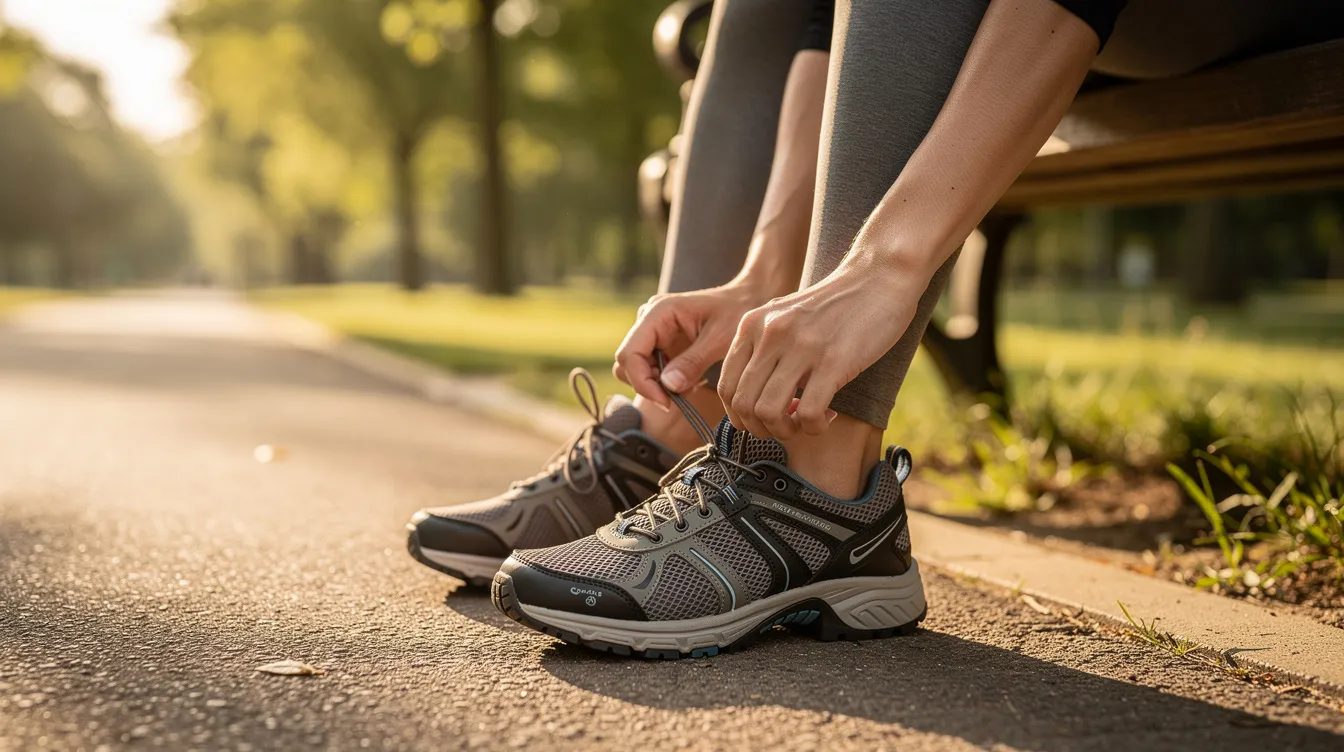
Not every “cushioned” sneaker or trendy running shoe qualifies as proper support for plantar fasciitis. Many shoes marketed as comfortable are actually too soft, too flat, or too flexible to protect an inflamed plantar fascia. Look for shoes with firm arch support, cushioned heels, and a stiff sole for plantar fasciitis-this combination is non-negotiable.
The sections below cover the specific features that matter most. When evaluating any pair, prioritise function over fashion, especially during a flare-up. Good plantar fasciitis shoes should also be orthotic-friendly, meaning the factory insole is removable so you can insert Footlogics Plantar Fasciitis insoles or other custom orthotics if needed.
Arch Support and Cushioning
Arch support reduces strain on the plantar fascia by preventing the mid-arch from collapsing under your body weight. Proper arch support redistributes pressure across the foot, shifting load away from the painful heel and medial arch toward a broader contact area. This is especially critical for those with flat feet, where arch support is crucial to prevent excessive pronation during walking.
The midsole should be firm through the arch and only flex at the toes-never twist through the midfoot. If you can easily wring a shoe like a wet towel, it won’t provide the stability your plantar fascia needs. Moderately soft cushioning is recommended for plantar fasciitis shoes: enough to absorb impact but firm enough to maintain shape and structure. Cushioning should be moderately soft to avoid aggravating plantar fascia while still providing meaningful shock absorption.
Pairing supportive shoes with
Footlogics Plantar Fasciitis insoles
adds medical-grade arch support and extra heel cushioning. These insoles feature a firm EVA arch shell, Podflex padding under the heel and forefoot, and a metatarsal raise-all designed to enhance comfort and reduce discomfort across walking shoes, work shoes, and casual sneakers.
Heel Stability and Shock Absorption
A firm heel counter-the rigid rear portion of the shoe that wraps around your heel-is essential. A stable heel counter minimizes movement and stress on the fascia by preventing the heel from wobbling side to side. Shoes should have a firm and supportive heel counter; if the back of your shoe collapses when you press it, the shoe is working against you.
A deep heel cup provides stability and reduces pressure by cradling the heel’s natural fat pad. A deep heel cup keeps the heel stable and prevents the fat pad from spreading, which concentrates cushioning right where impact forces hit hardest. Heel cushioning should provide impact protection for plantar fasciitis, and shoes must have sufficient heel cushioning to relieve plantar fascia strain with every step.
A shoe must have a heel drop of at least 10mm. This moderate elevation means a slight heel lift can help reduce tension on the plantar fascia and
Achilles tendon
. Do not wear completely flat shoes as they increase heel pressure and stretch the fascia beyond its comfortable range. Moderately soft cushioning decreases impact forces while walking on hard surfaces like concrete and tile.
Breathable and Durable Materials
Breathability matters for anyone wearing plantar fasciitis shoes for long hours. Mesh upper panels or perforated leather reduce sweating and friction, lowering the risk of blisters and hotspots that change how you walk. When your gait compensates for discomfort in one area, it often shifts stress to the plantar fascia.
The midsole should only flex in the toe box, not twist through the arch-and it should hold that shape for months. Durability is especially important for heavier individuals or those standing for long shifts, as worn-out soles lose their supportive properties quickly. Look for roomy, rounded toe boxes that let your toes splay naturally and avoid cramming the forefoot, which can create compensatory pressure under the heel and midfoot.
Plan to replace heavily-used shoes every six to nine months. Once the outsole wears unevenly or the midsole feels flat, you’ve lost the arch support and cushioning that made the shoe effective.
Best Types of Shoes for Plantar Fasciitis: Walking, Running, and Everyday Use
The best options will differ depending on whether you’re walking, running, or standing all day, but every pair should share these core features: arch support, heel stability, shock absorption, and a secure fit. The focus here is on evidence-informed features rather than brand hype, though I’ll name well-known models as design references.
Every pair should be tested comfortably over at least a few days-no single “best shoe” works for every foot shape. And remember: adding
Footlogics Plantar Fasciitis insoles
can turn many neutral shoes into more supportive footwear for daily wear.
Best Walking Shoes for Plantar Fasciitis
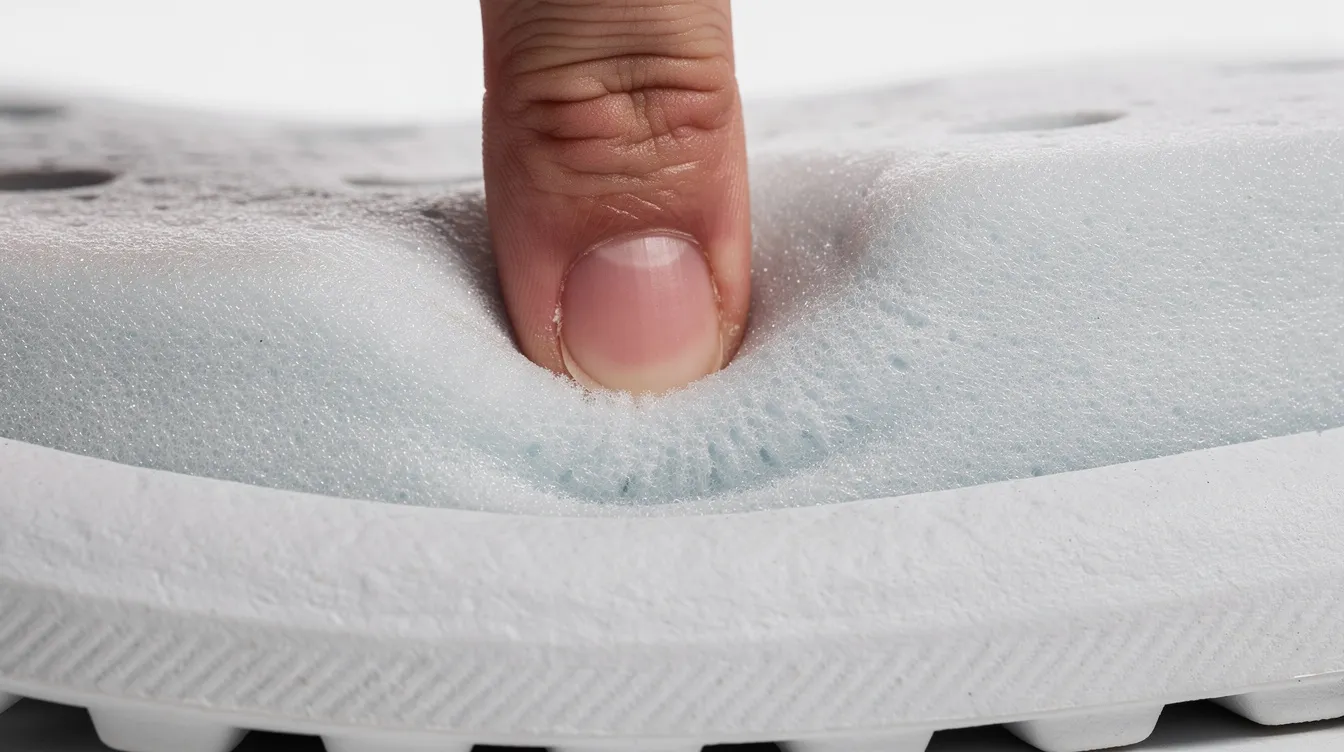
The best walking shoes for plantar fasciitis have a wide, stable base, moderate cushioning that doesn’t sag, and strong arch support. Shoes for plantar fasciitis should have a wide and stable sole to prevent lateral rolling and keep the foot aligned through each stride. Maximum cushioning can help reduce heel strain during the thousands of steps a typical walking session demands, and a study showed 95% of patients found max-cushioned shoes helpful for managing plantar fasciitis symptoms.
Stability-oriented models like the Brooks Addiction GTS 15 and HOKA Gaviota 5 are frequently recommended because they combine roomy toe boxes, firm heel counters, and structured midsoles designed to control pronation. These styles also tend to feature removable factory insoles, which means you can swap in Footlogics Plantar Fasciitis insoles for a noticeable difference in arch support and heel cushioning.
A secure midfoot fit and padded but firm heel collar help minimise rubbing and maintain proper alignment during long walks. Avoid walking shoes that feel loose around the ankles or shift when you change direction-any excess movement translates into additional strain on the plantar fascia.
Supportive Running Shoes for Plantar Fasciitis
Running generates significantly higher impact forces than walking, so running shoes for plantar fasciitis need enhanced shock absorption, motion control, and a heel-to-toe drop in the 8–12 mm range. The increased ground reaction force during running means the plantar fascia absorbs considerably more stress per stride.
Models like the Brooks Glycerin GTS 23, Mizuno Wave Inspire 21, Saucony Guide 18, and Nike Structure 26 are examples of designs that balance cushioning with stability. They typically feature dual-density midsoles, guide rails or medial posts for overpronation control, and good cushioning under both the heel and forefoot.
Avoid extremely minimal or zero-drop sneakers during active plantar fasciitis phases. These styles may increase strain on the plantar fascia and Achilles tendon, especially for runners who haven’t gradually adapted to lower drops. Runners with flat feet, overpronation, or recurrent heel pain should consider using
Footlogics orthotics for sports and running
inside compatible shoes to improve arch support and rearfoot alignment.
Work, Casual, and Everyday Shoes
People dealing with plantar fasciitis while standing for long hours on concrete-teachers, nurses, retail staff-need shoes with thick midsoles, stable heels, and non-slip outsoles. Dress shoes and casual styles often sacrifice support for aesthetics, but many low-profile shoes with removable insoles can be upgraded using Footlogics insoles. For slim-fitting office shoes and boots, the
Footlogics Versa
offers a slim-profile design that fits in lower-volume footwear without crowding the foot.
When shopping for shoes on any website, you may encounter a security service performing security verification before the page is displayed. This protects against malicious bots and ensures you’re browsing safely. Once the site verifies your connection and verification successful is confirmed (you can usually find a respond ray id at the bottom of the waiting page), you can shop with confidence. The same principle applies to choosing shoes: a bot can’t tell you what fits your foot-only trying them on can.
Replace both shoes and insoles regularly. For heavy daily use, shoes typically lose their supportive properties after about six months; insoles may last 8–12 months if properly maintained. Once the balance between cushioning and structure starts to shift, your plantar fascia pays the price.
Sandals and Home Footwear for Plantar Fasciitis
Walking barefoot on hard household floors is one of the most common ways people make plantar fasciitis worse without realising it. Your feet need proper support from the first step out of bed until you sit down at night. Flat, flimsy flip-flops and unsupportive slippers provide almost no arch contouring and zero heel stabilisation-they’re only slightly better than bare feet on tile.
Structured sandals with arch support, deep heel cups, and slightly raised heels actively help manage plantar fasciitis symptoms. Having plantar fasciitis-friendly footwear for home, holidays, and warm-weather use is just as important as wearing supportive shoes for work and exercise.
Zullaz Women’s Sandals with Arch Support
The
Zullaz range
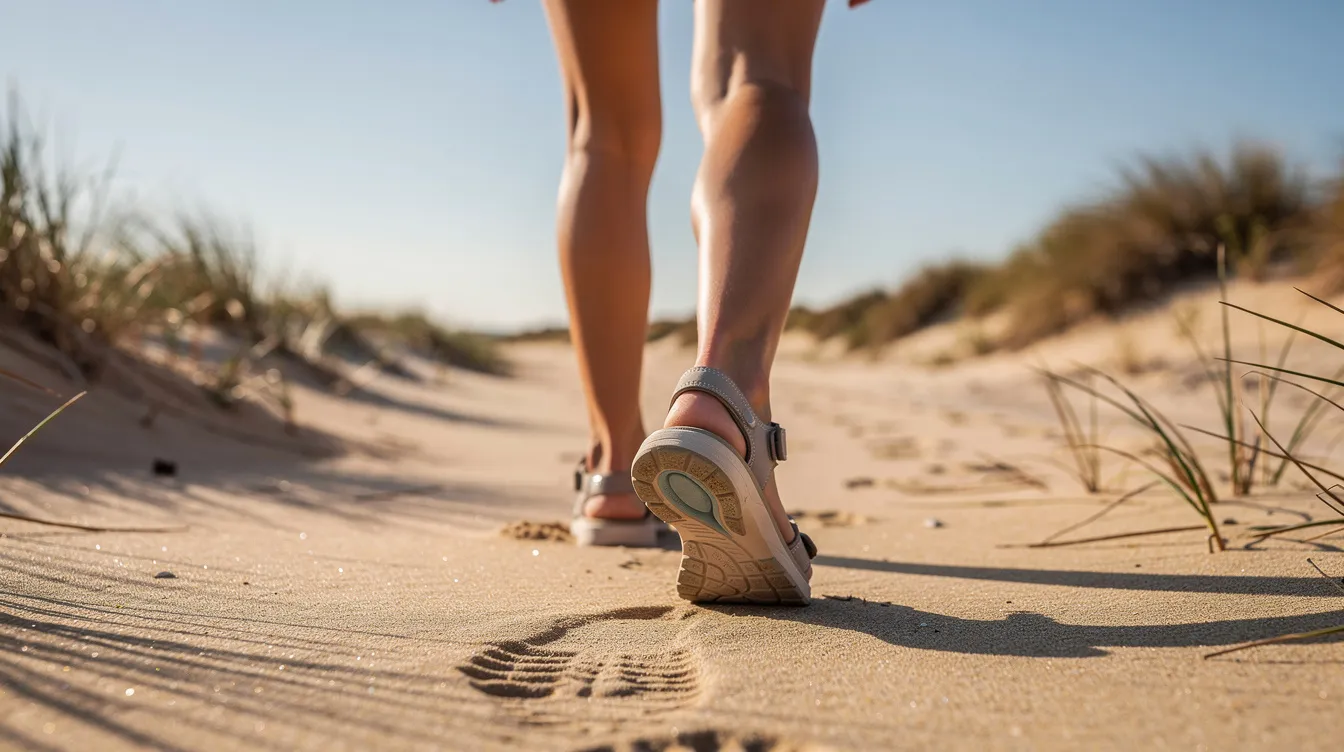
is a collection of casual women’s sandals designed by Footlogics with built-in arch support and deep heel cups specifically for plantar fasciitis relief. Models like the
Zullaz Anna
and
Zullaz Ella
feature contoured footbeds, shock-absorbing midsoles, and adjustable straps that keep the foot secure to prevent excess movement and rubbing.
These sandals are a practical alternative to flat fashion sandals for women with flat feet, overpronation, or long-term heel pain. Unlike high heels or flimsy slides, Zullaz sandals maintain the arch in a supported position throughout the day. Use them as your go-to indoor and summer footwear to maintain arch support continuously, reducing the risk of plantar fasciitis flare-ups even on rest days.
Other Sandals and Slippers to Consider
When choosing any sandal or slipper for plantar fasciitis, look for a structured arch, deep heel cup, slightly raised heel, and non-slip outsole. These features protect against the arch collapse and heel overload that barefoot walking causes. Avoid completely flat slides, thin flip-flops, and soft, unsupportive slippers-these allow the plantar fascia to overstretch and become irritated with every step.
Keep a dedicated pair of
supportive slippers or orthotic sandals
next to your bed. People who experience significant morning heel pain often notice rapid improvement when they stop walking barefoot and switch to arch-supportive footwear at home. This single change can make a noticeable difference within the first week.
The Role of Orthotics in Making Good Shoes Even Better
Even the best shoes benefit from properly designed orthotic insoles, especially for stubborn plantar fasciitis. Shoes provide the outer structure, but orthotics fine-tune arch height, correct overpronation, and redistribute pressure more precisely than shoe features alone.
Not everyone needs custom orthotics. Many people get effective relief with medical-grade over-the-counter options, which cost a fraction of custom devices and still deliver meaningful biomechanical correction. The key is to start early-don’t keep waiting until plantar fasciitis has become a chronic, months-long problem before considering orthotics.
Footlogics Plantar Fasciitis Insoles
Footlogics Plantar Fasciitis insoles
are podiatrist-designed, TGA-approved orthotics created specifically to target plantar fascia strain and heel pain. Core design features include:
-
Strong arch support with a firm EVA shell
-
Deep heel cup for stability and fat pad compression control
-
Shock-absorbing Podflex heel and forefoot pads
-
Stabilising midfoot structure to control overpronation
-
Metatarsal raise for balanced forefoot pressure
These insoles fit most walking shoes, running shoes, and work shoes with removable factory insoles, instantly boosting their plantar fasciitis performance. Compared with custom orthotics, they offer affordable pricing, free USA shipping, and a 90-day money-back guarantee-making it easy to trial them risk-free.
When to Consider Custom Orthotics
Custom orthotics provide personalized support for plantar fasciitis and may be recommended when off-the-shelf insoles plus good footwear don’t fully resolve symptoms. They help redistribute pressure across the foot with precision, and they mold to the shape of your foot for a perfect fit that addresses unique structural issues.
Custom orthotics can alleviate pain and enhance comfort in cases involving severe foot deformities, very high arches, persistent pain despite proper shoes, or complex knee and back problems. Custom orthotics complement the benefits of supportive shoes rather than replacing them. Consult a podiatrist for personalized care for foot-related issues-they’ll analyse your gait, foot structure, and weight-bearing patterns before prescribing a device.
For many adults with typical plantar fasciitis and flat feet, high-quality over-the-counter insoles like Footlogics provide sufficient arch support and pain relief without the higher cost of custom fabrication.
Additional Tips for Managing Plantar Fasciitis Beyond Shoes
Choosing the right shoes is crucial, but managing plantar fasciitis usually requires a multi-pronged approach. Combining supportive footwear, orthotics, stretching, and lifestyle changes typically delivers better long-term results than any single step alone.
Persistent or worsening heel pain should be evaluated by a healthcare professional to rule out other causes such as stress fractures, nerve entrapment, or
heel spurs
. And remember-improvements may take several weeks, even with excellent plantar fasciitis shoes and insoles. Consistency and patience matter.
Stretching and Strengthening Exercises
Daily calf and plantar fascia stretches reduce tension on the tissue and improve ankle flexibility over time. Effective exercises include:
-
Wall calf stretches
– lean into a wall with one leg extended behind, heel flat on the ground -
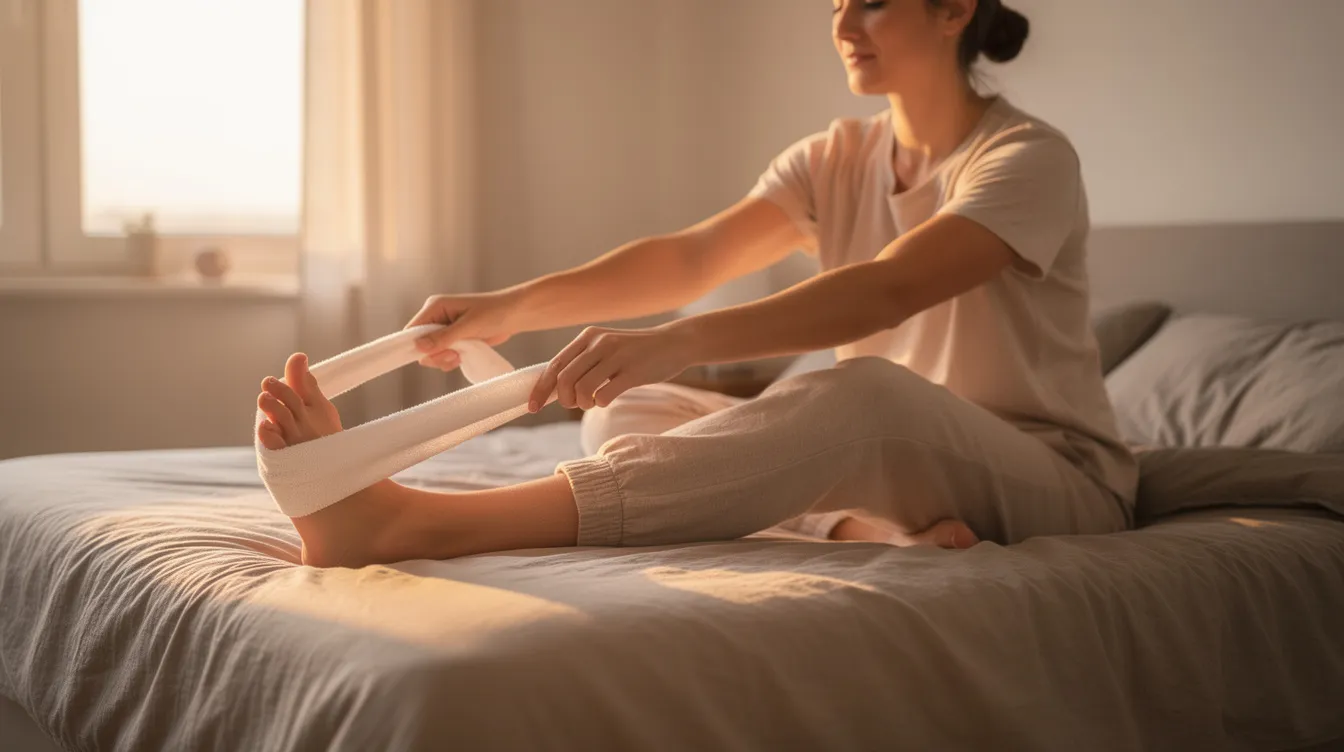
Towel stretches
– loop a towel around the ball of your foot before getting out of bed and gently pull -
Frozen bottle rolls
– roll your foot over a frozen water bottle for combined stretching and ice therapy -
Toe curls
– scrunch a towel with your toes to strengthen intrinsic foot muscles
Aim for 5–10 minutes of foot and calf exercises twice a day during painful periods, in conjunction with wearing proper plantar fasciitis shoes. Stop any exercise that significantly increases discomfort and consult a specialist if symptoms rapidly worsen.
Lifestyle Modifications for Long-Term Relief
Maintaining a healthy body weight reduces overall load on the plantar fascia and other lower limb structures. Even a modest weight reduction can make a measurable difference in daily heel pain levels.
Other practical modifications:
-
Limit prolonged standing
on hard surfaces; schedule short seated breaks where possible -
Swap high-impact activities
like sprinting and plyometrics for low-impact options such as cycling, swimming, or elliptical training during painful phases -
Wear supportive shoes or Zullaz sandals at home
instead of going barefoot to prevent flare-ups -
Avoid styles like high heels
for extended periods, as they shift pressure and alter foot mechanics in ways that can stress the plantar fascia
The goal is to reduce strain on the plantar fascia across every hour of the day-not just during exercise.
FAQ: Best Shoes and Insoles for Plantar Fasciitis
How do I know if my shoes are making my plantar fasciitis worse?
Increased heel or arch pain after standing or walking in specific shoes is the clearest warning sign. Check for these red flags:
-
Soles that twist easily through the midfoot (the midsole should only flex in the toe box, not through the arch)
-
Flat insoles with zero arch contour
-
Heel counters that collapse inward when pressed or viewed from behind
-
Unevenly worn outsoles or cushioning that feels “dead”
If any of these apply, it may be time to replace your shoes or upgrade with Footlogics insoles to restore proper support.
Are flat feet more likely to cause plantar fasciitis?
Yes. Flat feet and overpronation are well-documented risk factors because they increase tension on the plantar fascia with every step. People with flat feet should prioritise shoes with strong arch support, medial stability features, and firm heel counters. Flat-footed individuals should strongly consider Footlogics Plantar Fasciitis insoles to help correct overpronation and reduce heel strain throughout the day.
Can I wear running shoes as my everyday plantar fasciitis shoes?
Many stability-oriented running shoes are excellent everyday choices thanks to their cushioning, structure, and support features. Models like the Brooks Glycerin GTS 23 and similar stability shoes can comfortably double as daily plantar fasciitis footwear, especially when paired with Footlogics insoles. Prioritise comfort and support over styles-make sure the shoe has a wide base, arch support, and room for orthotics if needed.
How long does it take for supportive shoes and insoles to improve heel pain?
Some people notice relief within a few days of switching to plantar fasciitis shoes and insoles, while others may need 4–8 weeks for significant improvement. A
2026 prospective study
confirmed that arch-support insoles reduced patient-reported pain significantly at 4, 8, and 12 weeks, with measurable improvements in foot alignment and pressure distribution.
Consistent use is critical-wear supportive shoes from the first step in the morning until bedtime. If pain does not improve after 6–8 weeks of using proper footwear, Footlogics insoles, and basic stretching, see a health professional for further evaluation.
Do I need different plantar fasciitis shoes for each activity?
Having separate pairs for running, walking, and work is ideal because each activity places different demands on the foot. At minimum, most people benefit from one pair of stable walking or running shoes plus a pair of supportive sandals like Zullaz for home and casual wear.
Rotating between at least two pairs of supportive shoes lets the cushioning and midsole materials rebound between uses, extending durability and maintaining the durable structure that keeps your plantar fascia protected. This also extends the life of your Footlogics insoles.
