Orthotic insoles for high arches and supinators
Most people suffer from fallen arches or flat feet, however around 5-10% of the population has the opposite problem: their arches are very high and often their feet roll outwards during walking – “supination”. Find out how orthotics can help and which Footlogics insole is the right one for you.
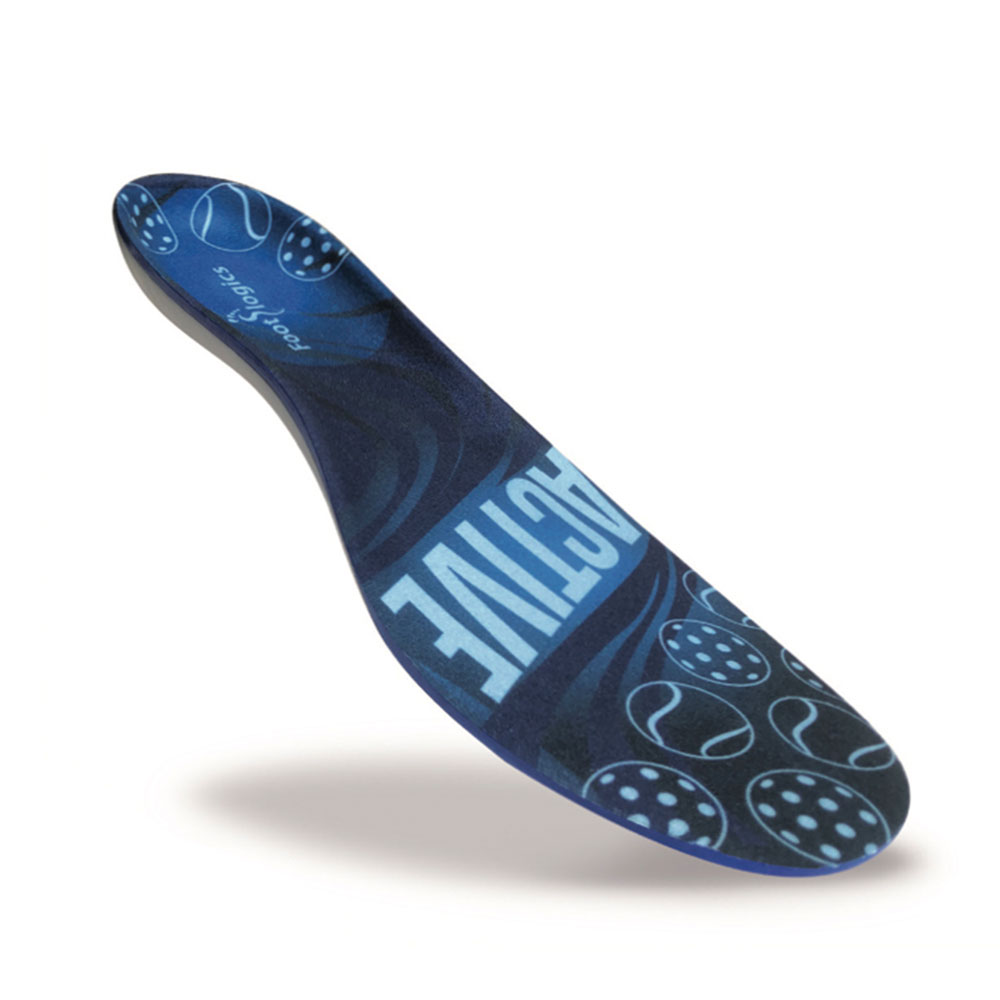
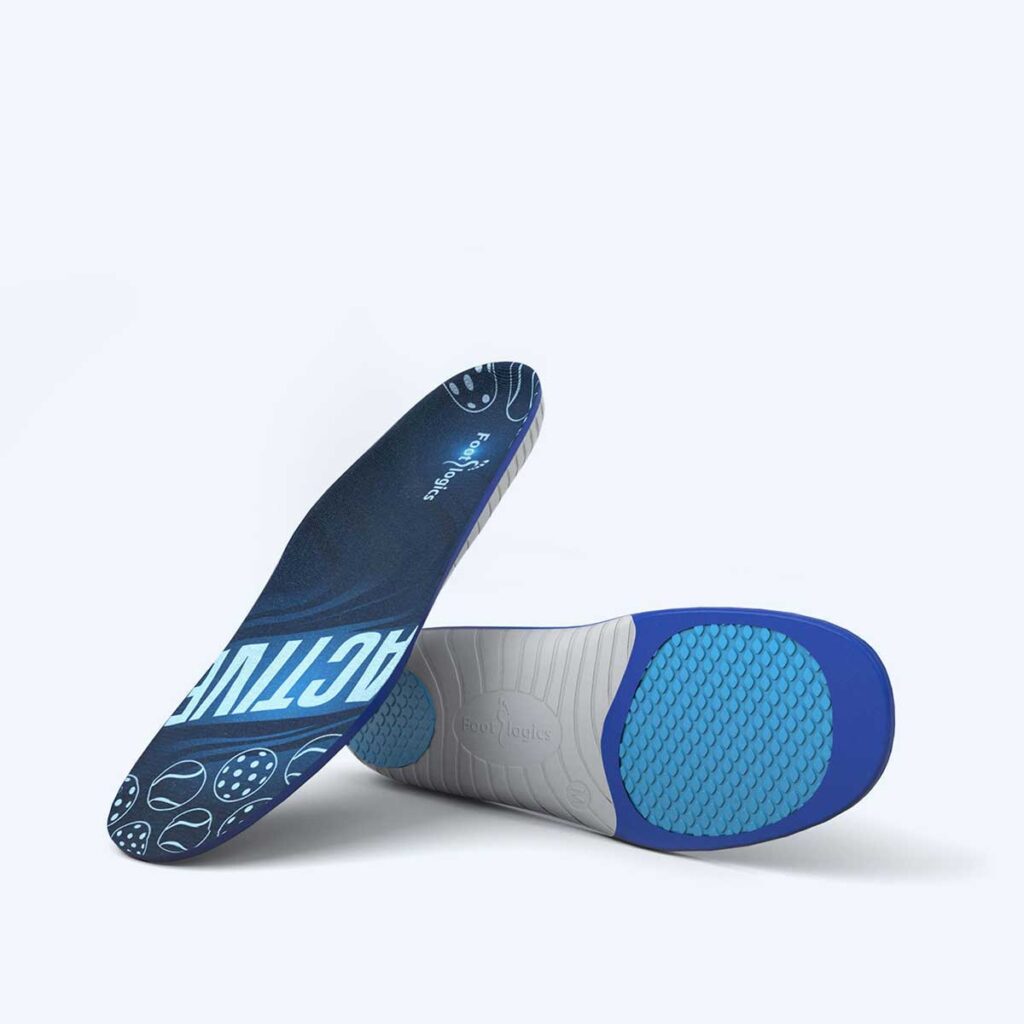
Footlogics ACTIVE
$39.95
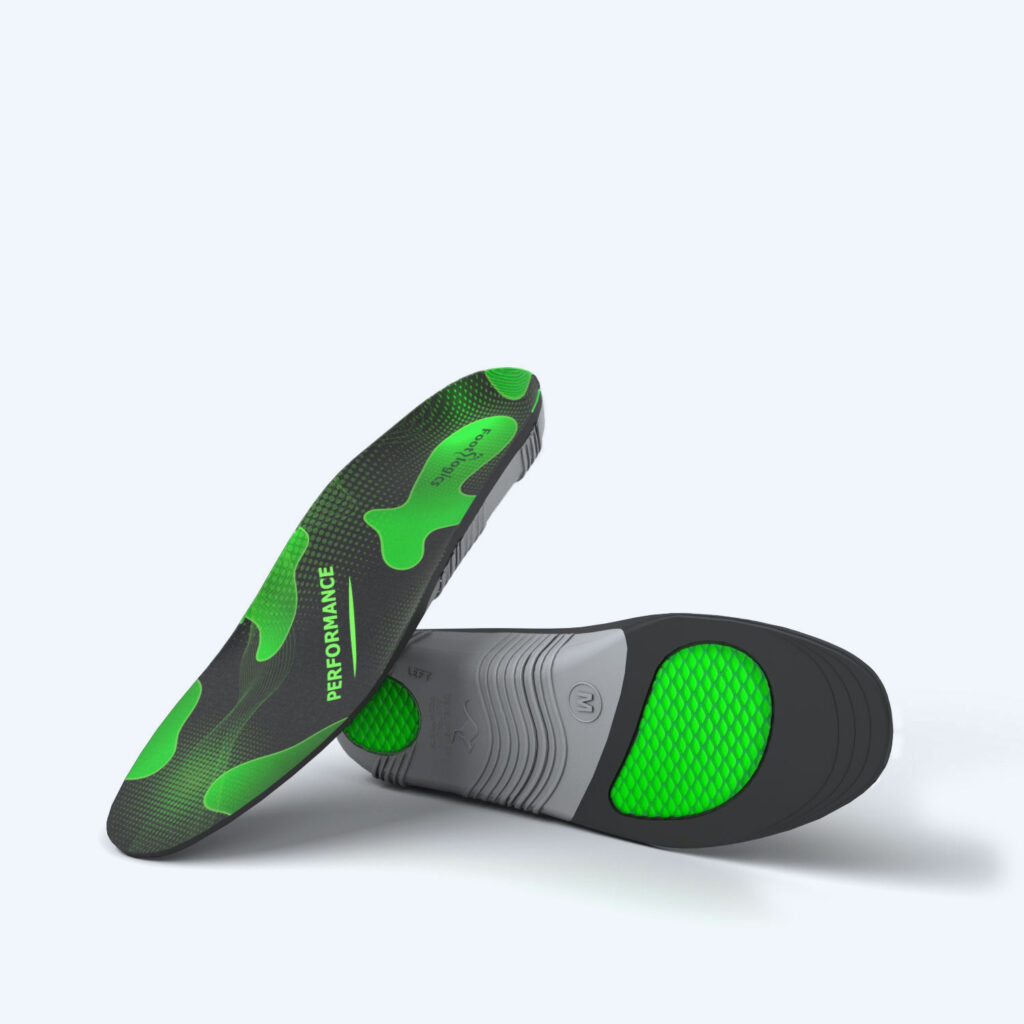
Footlogics PERFORMANCE
$39.95
Understanding High Arches (Pes Cavus) and Supination
People with high arches, are often supinators as well i.e. their feet tend to roll outwards when the foot lands, rather than inwards, which is more common and more natural. High arches and supination, if untreated, can cause pain, instability and injury. This article talks about what high arches and supination look like, why they happen, how they are connected, and what you can do about them, in particular using orthotic shoe inserts and doing some simple exercises.
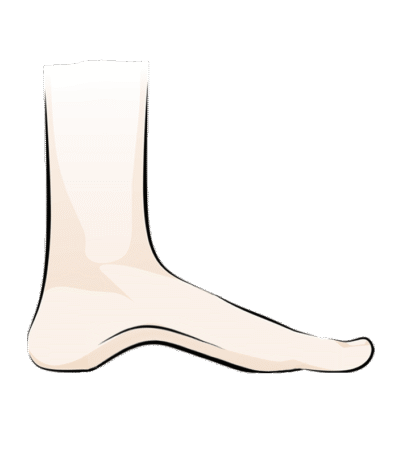
What are high arches (Pes Cavus)?
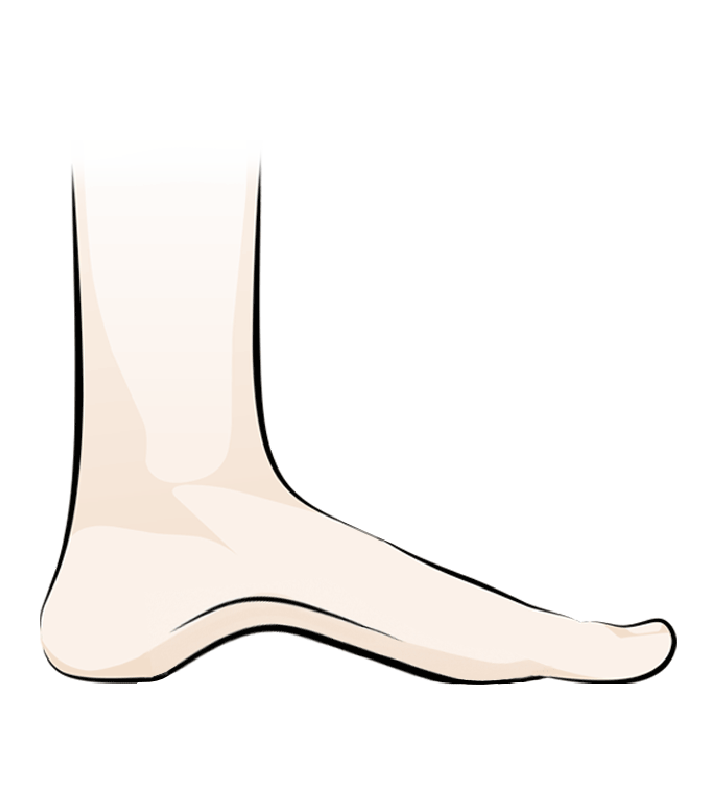
Pes Cavus, also known as “high-arched foot,” is a term for a foot with an unusually high ‘medial longitudinal arch’, which doesn’t change at all during walking or running, making the foot rigid and inflexible.
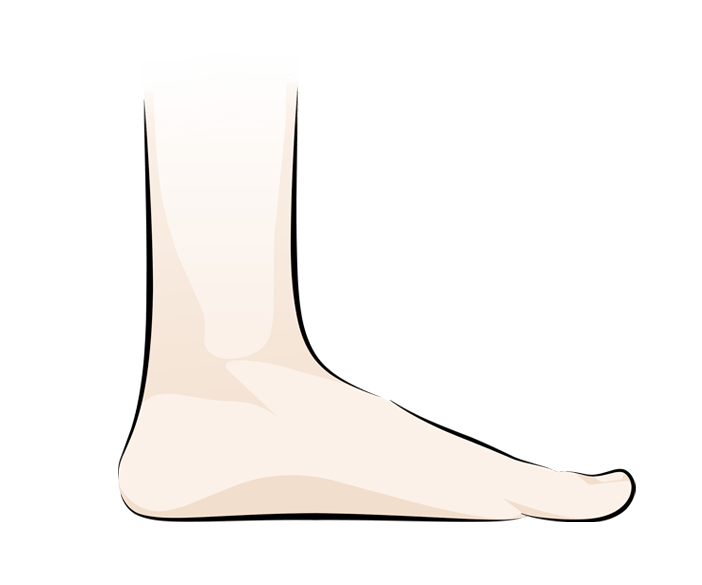
Flexibility is very important! Normally, the foot has an arch that lowers on impact. This motion helps spread out the forces equally across the bottom of your feet when you walk or run. Whereas a high, rigid arch structure puts all of our body weight on only the heels and balls of the foot, without absorbing any shock.
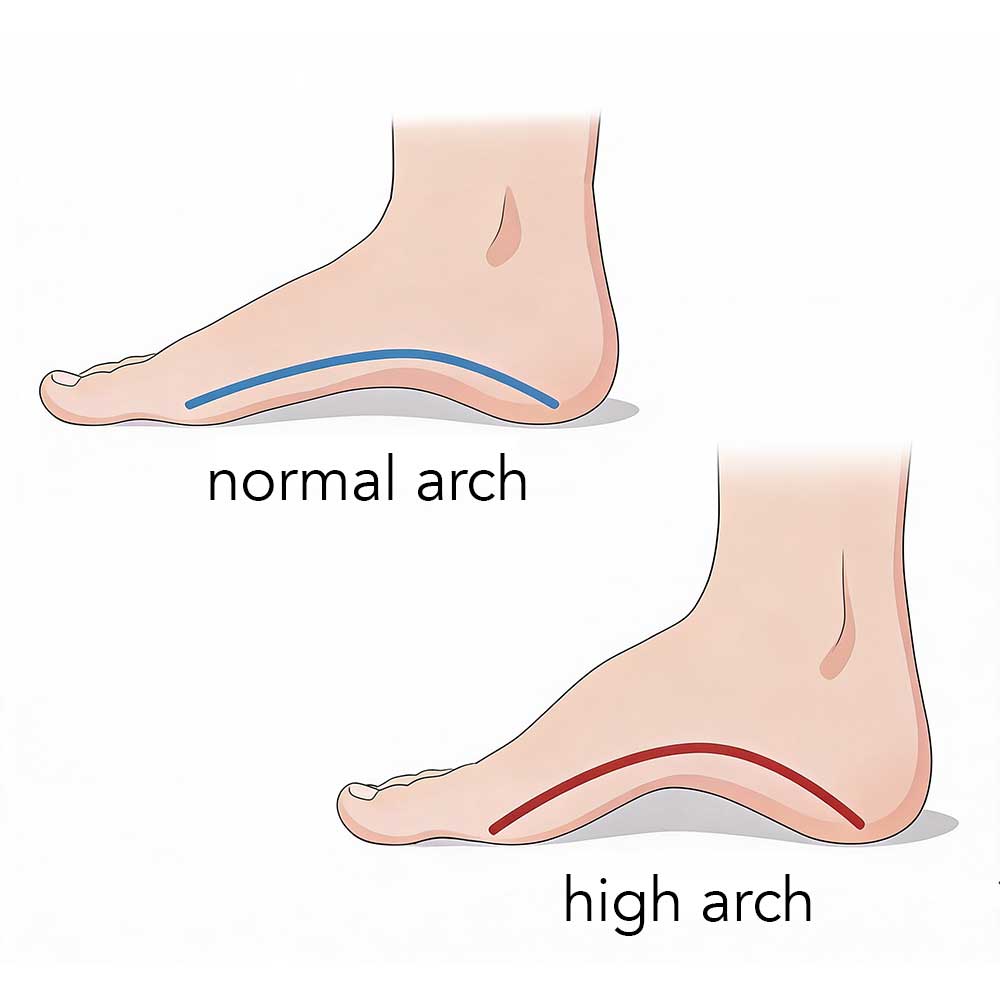
How to tell if you have high arches?
People with Pes Cavus often have:
Elevated appearance of the arch i.e. when standing, the midfoot doesn't touch the ground (you can easily run your finger under your foot)
Curling or clawing of the toes because the intrinsic muscles in the foot are too tight
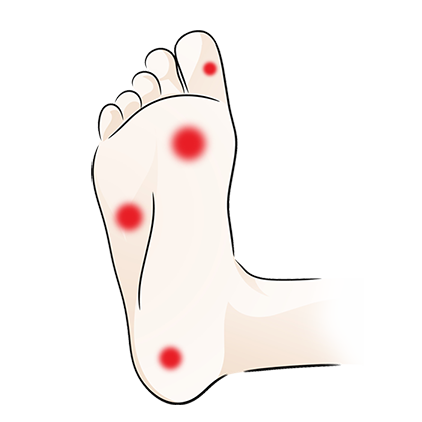
More pressure on the heel and front of the foot
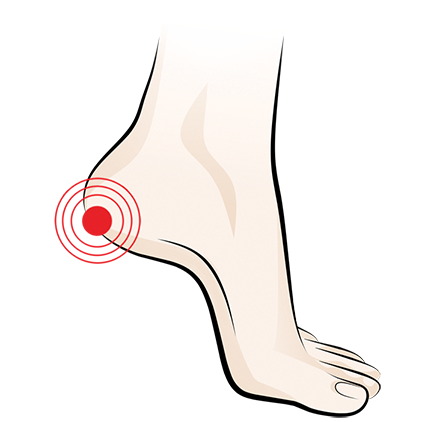
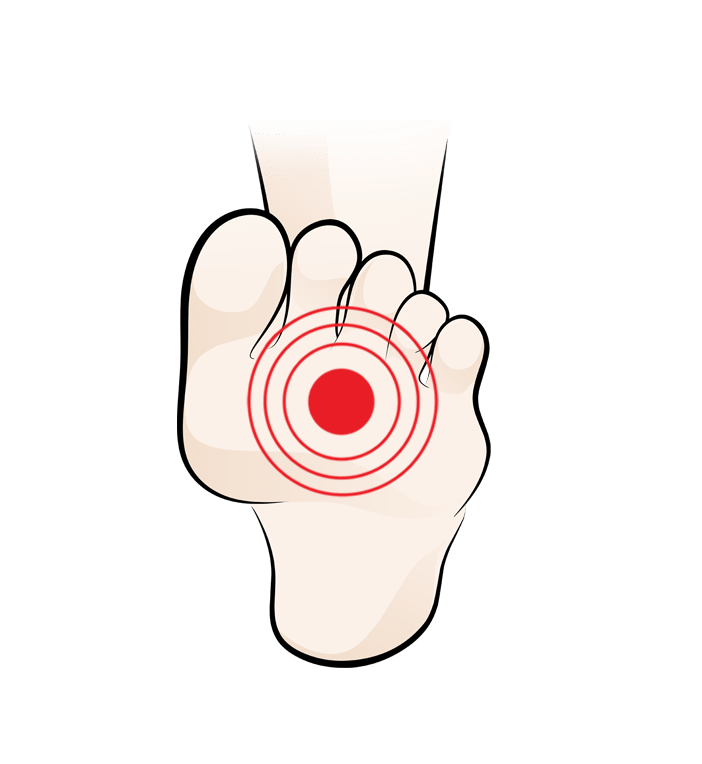
Calluses on the heel or ball of the foot
Pain in the feet, especially in areas with a lot of pressure
The outer edge of shoes shows signs of wear
What does Supination mean?
Supination is when the foot and ankle roll outward while moving. When you walk or run, your foot usually pronates, which means it rolls slightly inward to absorb shock. Instead, when you supinate, the foot rolls outward, which makes it less able to absorb shock.
Signs of Supination
You might see:
putting more weight on the outer edge of the foot
more wear on the outside of the sole of the shoe.
an ankle that looks like it's "turned out" a little bit.
feeling shaky, especially on surfaces that aren't level.
Supination is not a diagnosis on its own; it is a way that your foot moves that can cause pain or injury if it happens too often.
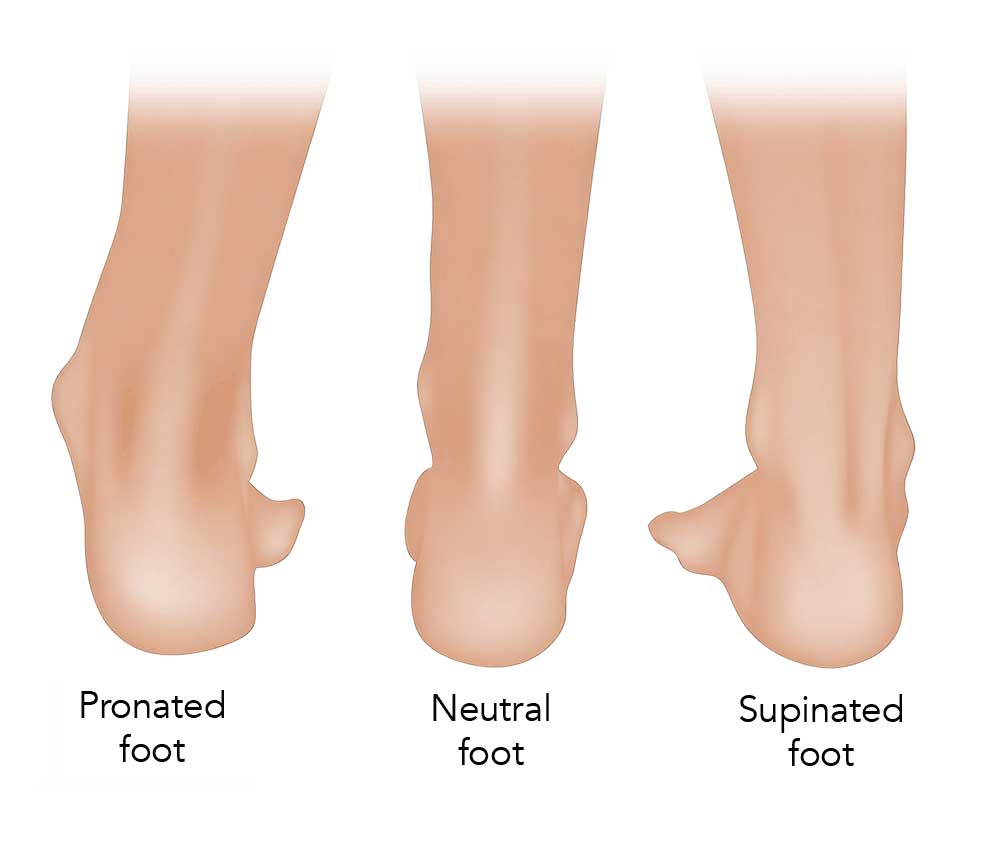
Biomechanically, high arches and supination are very closely linked. This is how:
Structural Influence: a high arch makes the foot less flexible, so it doesn't flatten as much when you put weight on it.
Less Pronation: if the foot doesn't flatten enough, the natural inward roll (pronation) that happens when you walk is lessened.
Outward Load Shift: when the foot doesn't pronate as much, more pressure is put on the lateral (outer) aspect of the foot.
Supination Pattern: high arches often go along with a supinated gait pattern, which means that the foot stays tilted outward during the gait cycle.
Pes Cavus and supination are two different things, but they often happen at the same time and help each other: the high arch structure encourages the supination motion pattern.
Problems caused by high arches & supination
High arches and supination can both cause a number of problems, including:
01.
Foot pain
Especially in the ball, arch, or heel of the foot
02.
03.
Shin Splints (medial tibial stress syndrome)
04.
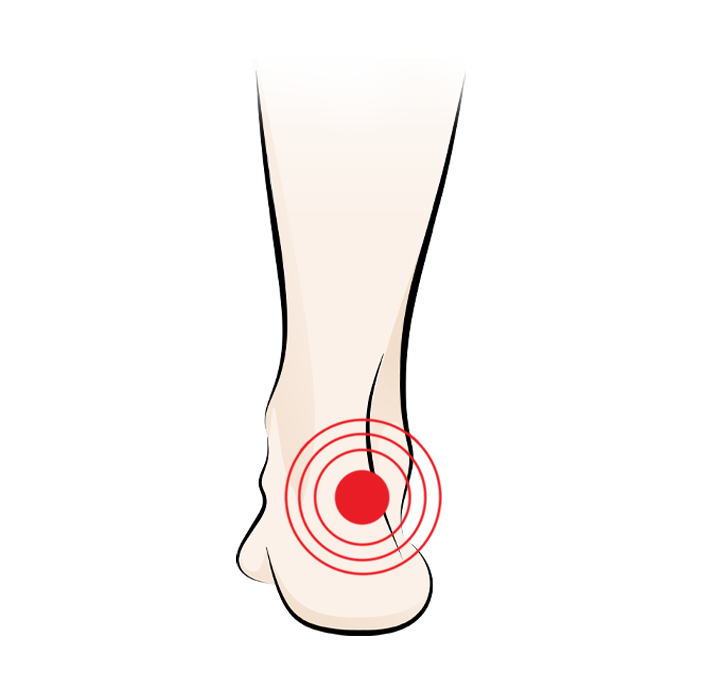
Plantar Fasciitis (heel pain)
05.
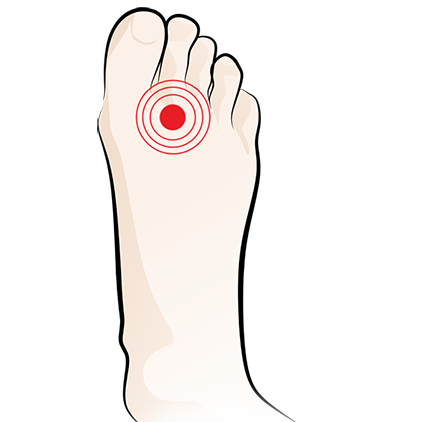
Metatarsalgia
Pain in the ball of the foot, caused by too much pressure
06.
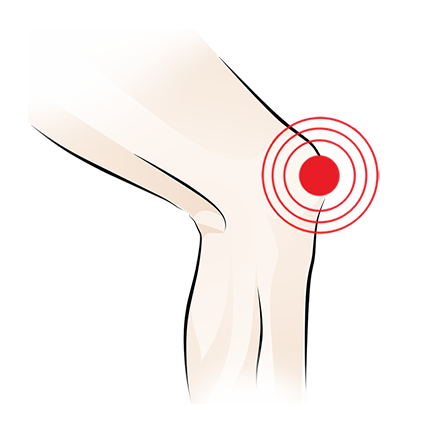
Knee pain
Because of mal-alignment of the patella (knee cap)
07.
Stress fractures
From putting too much weight on the same spot over and over
At first, the symptoms may not be very noticeable, but they can get worse over time, especially when you are active. In some cases, the high impact can work its way up to areas higher up in the body and even cause pain in the lower back!
What causes high arches?
Pes Cavus can:
Supination is often a functional result of the way the foot is built (like having high arches) and how it moves. Health professionals will look at:
be “idiopathic” — i.e. there’s no known cause (most common)
be connected to neuromuscular conditions like “Charcot-Marie-Tooth disease”
be related to the shape of the foot that runs in the family.
occur because of an injury
foot posture and arch height - for example, footprints and postural screens
gait analysis —looking at how the foot moves when you walk or run
range of motion tests —limited motion means stiffness in the joints of the foot and ankle
muscle strength and flexibility — especially in the calves and the muscles that are inside the foot
imaging if there are signs of structural problems
Supination is not a diagnosis on its own; it is a way that your foot moves that can cause pain or injury if it happens too often.
Treatment with insoles for high arches and supination
The goal of any treatment is to make you more comfortable, achieve proper foot mechanics and keep you from getting hurt. Treatment options include orthotic insoles, exercises, manual therapy and making the right shoe choices.
How orthotic insoles help
Custom-made or pre-made orthotics are an important part of conservative treatment and can be huge difference in comfort and performance.
Orthotics insoles will:
distribute body weight across the entire foot, which takes stress off of areas like the heel and forefoot
support the arch, especially where it is high and stiff
change the way your feet work to stop excessive supination
make the alignment better, higher up the kinetic chain (knees and hips)
provide cushioning and shock-absorption, which is missing
a high medial arch support
lateral posting - which means putting extra material under the outside of the foot to create a more natural gait
shock-absorbing materials, like PU foam, gel etc - especially under the heel and forefoot
Orthotics for Pes Cavus/Supination usually have:
Custom vs. Ready-Made orthoics
If you have a lot of pain or deformities, custom orthotics from a podiatrist or pedorthist are the best choice. Over-the-counter or ‘off-the-shelf’ orthotics can definitely help with symptoms and are often a good place to start because they don’t cost much, compared to custom-made orthotics. They also are readily available, not costing you any time.
Studies in relation to high arches and supination
Studies show that foot orthotics can help people with high arches and/or supination move better, by changing how pressure is distributed and how they walk or run. For example the Cochrane Database of Systematic Reviews shows that custom orthotics significantly reduce pain and improve function in pes cavus.
Physiopedia’s clinical summary notes that increasing the plantar surface contact ensures the foot bears more weight in the arch while the metatarsal heads bear less weight during activity. Lateral ankle stability and a laterally deviated subtalar joint axis are frequently associated with high-arched feet, resulting in an excessive supinator torque around the subtalar joint axis.
Exercises for people with high arches
You can’t easily change the shape of your foot, but you can change how your muscles work and how you move. The goal of exercises is to increase intrinsic foot muscle activation. And to make your ankles stronger and more stable, in turn leading to an improved gait. Daily exercises plus the right orthotics will go a long way in people with high arches or supination! Clinical research shows that orthotic insoles reduce pain and pressure and that strengthening and neuromuscular training can help you control your feet better and lower your risk of getting hurt.
01.
Plantar fascia stretch
High arches are often rigid, leading to plantar fascia tightness and heel pain. Stretching the fascia band under the arch will make your feet more flexible.
sit and cross one leg over the other
pull toes back toward the shin
feel a strong stretch through the arch
hold 20–30 seconds
do 5 repetitions on each foot
02.
Stretch your calves
Having tight calf muscles (which is common in people with high arches) puts stress under the heel and on the forefoot and encourages supination.
stand up and face a wall
have the other foot in front of you, heel flat on the ground
have the other foot in front of you, heel flat on the ground
lean forward until you feel a strong stretch in your calf muscles
hold this for 30 seconds, repeat 3 times on both sides of the body
03.
Band-assisted ankle inversion and eversion
This exercise will strengthen the muscles in that stop your foot from rolling out too far.
sit on the floor, with straight legs
put a loop of resistance band around one foot
lightly push your foot out (eversion) and in (inversion) against the band
do 2–3 sets of 10–15 in each direction
04.
Training for balance
This exercise will strengthen your foot and ankle muscles.
stand on one leg on a stable surface for 30-40 seconds
Footlogics high arch and supination orthotic insoles
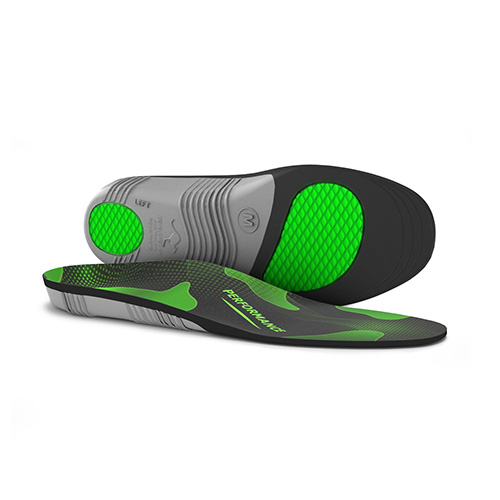
Footlogics Performance
This is the perfect orthotic insoles for high arches and supinators. Made of a very cushioning P.U. and added gel padding the biomechanical arch and metatarsal contours fills the entire ‘gap’ under the arch, spreading body weight and impact evenly over the entire plantar surface of the foot. This ensures both a more natural gait and substantially improved shock absorption. Furthermore, high arched people lack our natural shock-absorbing mechanism (pronation). Performance is a very cushioning insole which ensures a high level of shock-absorption.
NOTE: for supinators, we offer a free lateral wedge which can be placed under the orthotic, at the outside, prevent the foot from rolling outward too far and too long during the propulsive phase of our gait.
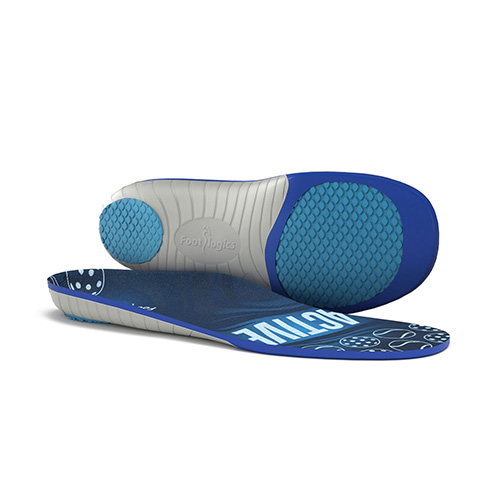
Footlogics Active
If you have high arches and play tennis or pickleball, the new Active orthotics are very beneficial in that they provide very high levels of cushioning in the forefoot and under the heel, the two impact areas for people with high arches. Your feet feel less fatigued and the chances of injuries like Plantar Fasciitis and Metatarsalgia can be prevented.
Frequently asked questions about insoles for high arches and supination
1. What is supination and how is it related to high arches?
Supination (also called underpronation) is the outward rolling of the foot during walking and running, where body weight is carried predominantly along the outer edge of the foot rather than being evenly distributed. It is closely linked to high arches (pes cavus) because a high-arched foot is naturally rigid and less able to pronate inward to absorb shock — causing the foot to instead roll outward with each step. People with high arches and supination often place excessive stress on the outer ankle, heel, and the small bones along the lateral side of the foot, increasing the risk of ankle sprains, stress fractures, and chronic lower limb pain.
2. What problems can high arches and supination cause?
High arches and supination can cause a range of musculoskeletal problems because the foot fails to absorb and distribute impact correctly. Common conditions associated with supination include plantar fasciitis, Achilles tendonitis, iliotibial (IT) band syndrome, shin splints, ankle instability, and stress fractures in the metatarsal bones. People with high arches also frequently experience foot fatigue, calluses along the outer edge of the foot and little toe, and knee or hip pain caused by misalignment travelling up the kinetic chain. If left unaddressed, chronic supination can lead to long-term joint wear and recurring soft tissue injuries.
3. Can insoles help with supination and high arches?
Yes — orthotic insoles can significantly help people with supination and high arches by improving foot alignment, cushioning impact, and providing lateral support. The key function of an insole for supination is to encourage a more neutral foot position during walking and running, reducing the excessive outward roll that places strain on the outer foot and ankle. A quality orthotic with a deep heel cup, firm arch support, and forefoot cushioning — such as those in the Footlogics range — helps distribute pressure more evenly across the foot, reducing pain and the risk of overuse injuries commonly associated with high arches.
4. Can insoles help reduce foot pain while playing soccer?
Yes, properly designed insoles can help reduce foot pain by supporting the arch and improving foot alignment. This can reduce excessive pressure on certain parts of the foot and improve overall comfort during matches and training sessions. Many players find that supportive insoles allow them to play longer with less foot fatigue.
4. What type of insole is best for high arches and supination?
Overpronation is the excessive inward rolling of the foot, commonly associated with flat feet. Supination is the opposite — an outward roll, typically associated with high arches. They require different orthotic approaches. Insoles for overpronation focus primarily on arch support and medial (inner) control to prevent the arch from collapsing. Insoles for supination need to prioritise cushioning and lateral support, with enough arch fill to make contact with the high arch and reduce the rigid, outward-loaded gait pattern. Using a standard flat-feet insole on a supinating foot can actually worsen symptoms, so choosing the right type for your specific foot mechanics is important.
6. Are custom orthotics necessary for high arches, or will over-the-counter insoles work?
For many people with mild to moderate high arches and supination, well-designed over-the-counter orthotic insoles provide meaningful relief without the need for expensive custom orthotics. The critical factor is whether the insole has the right combination of arch fill, cushioning, and heel stabilisation — not whether it is custom-made. Footlogics orthotic insoles are podiatrist-designed and include the biomechanical features that matter most for people with high arches: a contoured arch support, deep heel cup, and forefoot cushioning. For severe cases — particularly those involving recurring ankle sprains, stress fractures, or significant structural deformity — a consultation with a podiatrist for custom orthotics is advisable.
7. What shoes work best alongside insoles for high arches and supination?
People with high arches and supination should look for shoes with neutral cushioning and a wide toe box, avoiding motion-control or stability shoes designed for overpronators, as these can actually increase discomfort for a supinating foot. Curved lasts (the shape of the shoe sole) tend to work well as they complement the natural shape of a high-arched foot. Good overall cushioning in the midsole is essential, since a high-arched foot absorbs significantly less shock than a normal or flat foot. Pairing the right shoe with an orthotic insole that fills the arch gap gives the best combined result for comfort and injury prevention.
8. How long does it take for insoles to help with supination and high arch pain?
Most people with high arches and supination notice an improvement in comfort within 2–4 weeks of consistently wearing orthotic insoles in appropriate footwear. The initial adjustment period can feel unfamiliar as the foot adapts to a more supported and evenly loaded position. Full benefit — including reduced fatigue, improved stability, and fewer pain episodes — typically develops over 6–12 weeks of regular wear. It is important to wear the insoles throughout the day, not just during exercise, for the best results. If pain does not improve after 8–12 weeks, a podiatrist assessment is recommended to determine whether a more specialised or custom solution is needed.
Biomechanics link high arches and supination as they often happen at the same time. Importantly, your natural shock absorption system is not working, placing stress on the feet, your knees and lower back, eventually this can lead to injury. Orthotic insoles, targeted exercises and the right footwear, can help prevent problems and injury. If your symptoms don’t go away or you have complicated health problems, getting a professional evaluation is the best way to find lasting comfort and function.
what customer say..
REAL RELIEF. REAL RESULTS.
Proven arch support and relief. Trusted by millions.
Over 2 Million Pairs Sold
WHAT MAKES FOOTLOGICS DIFFERENT?
Footlogics orthotics are designed to deliver medical-grade support and relief — without the cost or wait time of custom orthotics.

TGA-Approved Medical Device
Meets strict medical standards

Developed by Podiatrists
Created for real foot conditions, not generic comfort

Trusted by Health Professionals
Recommended by doctors and physical therapists worldwide

Over 2 Million Pairs Sold
Proven support for everyday life, work, and sport

Available in 20+ countries
Trusted by customers across the globe

Australia’s #1 Orthotic Insole
Leading podiatrist-designed support brand
SHOP BY FOOT COMPLAINT
common aches & pains
Learn more about different foot conditions and how Footlogics orthotics can help..