Orthotic insoles for soccer boots/cleats
When you pull a brand new pair of Nike Mercurial, Adidas Predator, or Puma Ultra boots out of the box, you’ve probably noticed how thin the ‘stock standard’ insoles are. These days soccer cleats come with a flat, minimal liner measuring just 2-3mms thick. Manufacturers design them this way to keep overall boot or shoe weight under 200 grams, prioritizing speed and a close-to-ground feel over foot health.
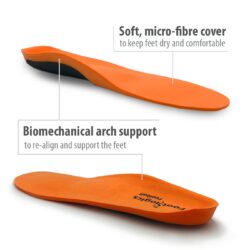
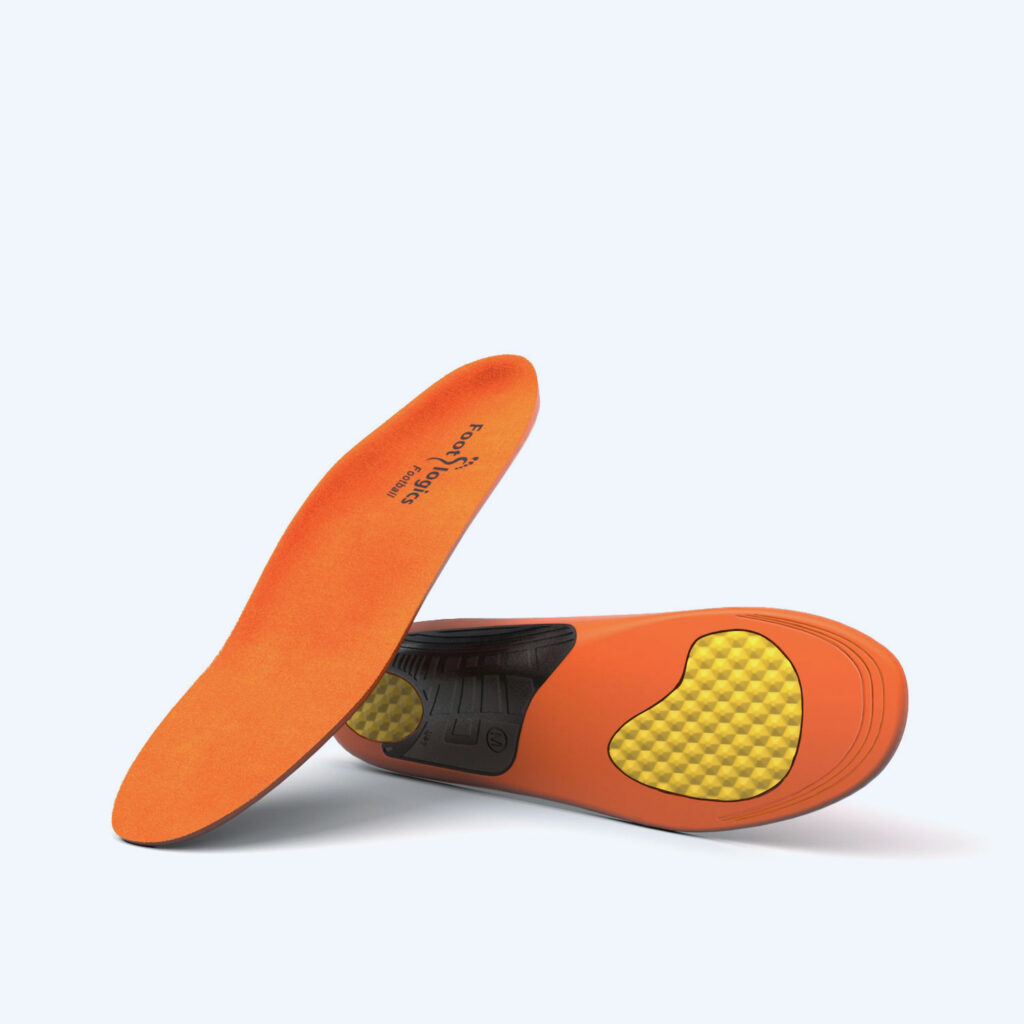
Footlogics FOOTBALL
$36.95
The problem? These standard insoles offer virtually no arch support, minimal shock absorption, and zero biomechanical structure. When you’re running 6-8 miles per match, making hundreds of direction changes, and training multiple times per week, that lack of support eventually will takes its toll. Finding the best insoles for soccer boots or cleats isn’t about luxury—it’s about protecting your feet and staying on the pitch!
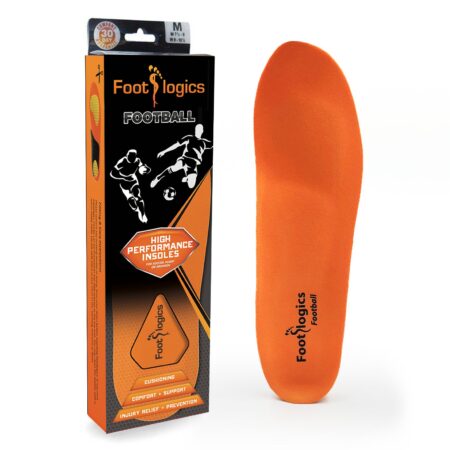
Footlogics 'Football' orthotics
With nearly 20 years of experience in lower limb biomechanics, our team of podiatrists and sports P.T.’s has developed an orthotic that ticks all the boxes, in terms of support, cushioning and fit.
Footlogics ‘Football’ insoles feature:
- a slim fitting, low profile design to fit all brands of soccer cleats
- proper biomechanical arch support
- metatarsal support
- a stabilising heel cup
- a firm nylon outer shell
- gel padding in the heel and forefoot
Footlogics soccer boot insoles don’t just provide a high level of comfort, they help prevent common injuries.
How good insoles improve your game (and reduce injury risk)
Proper soccer cleats insoles do a lot more than just adding comfort—they fundamentally improve how your foot moves with the boot and the ground. Better biomechanics translate directly to better performance, improved stability, and more efficient power transfer during sprints and cuts. The best insoles for soccer boots improve your biomechanics, which ultimately enhances your endurance and overall performance.
Here’s what quality soccer cleat insoles deliver on the pitch:
- Better planting and push-off when sprinting or changing direction, with metatarsal support reducing peak forefoot pressures by 15-25%
- More stable cutting and sharp turns, especially on firm ground and artificial grass where forces are higher
- Reduced sliding and slippage inside the boot, cutting blister incidence by up to 40% and saving wasted energy; insoles designed for soccer can help reduce foot slippage inside cleats, leading to better control during play
- More even pressure distribution under heel and forefoot during shooting, jumping, and explosive movements
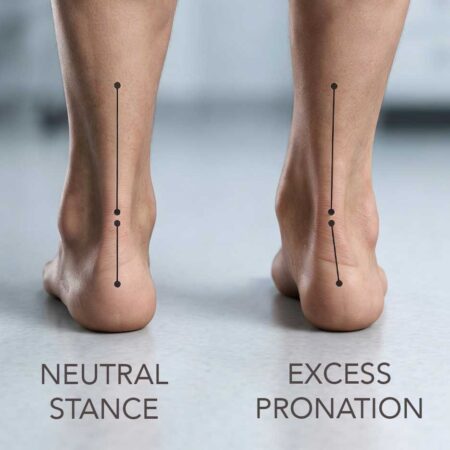
Excess Pronation
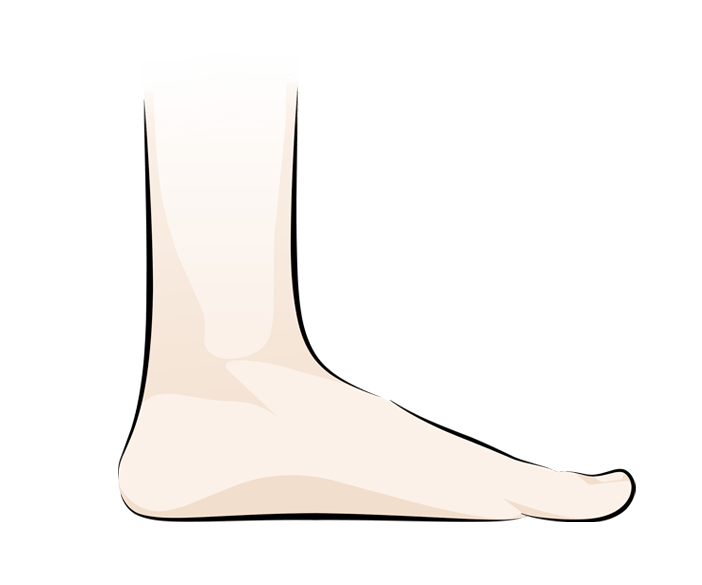
Over 70% of people “over-pronate” to some degree, which means that their feet roll too much inward throughout the gait cycle. The fact that soccer is a stop-and-go sport makes this tension even worse. Every sprint, cut and slow down puts 3–4 times the weight of the body on the foot. Insoles that support and align your feet correctly not only help with soccer-specific motions, but they also enhance the way you walk, which lowers the chance of injury both on and off the field.
Insoles with solid arch support assist keep the foot in a neutral position, which helps the whole kinetic chain from the ankles to the knees to the hips. Studies of athletes who use orthotics suggest that they are 25% to 50% less likely to be hurt than those who only use stock liners. Players often say they feel less tired in the second half when they use supportive insoles.
Arch support in soccer: key to stopping common injuries
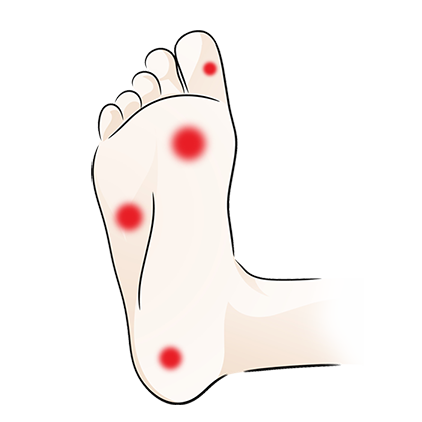
- Plantar fasciitis: Repeated sprint impacts strain the plantar fascia with every step, causing microtears and classic heel pain that’s worst in the morning and after training. Orthotics with rearfoot posting can decrease fascial strain by 30-40%.
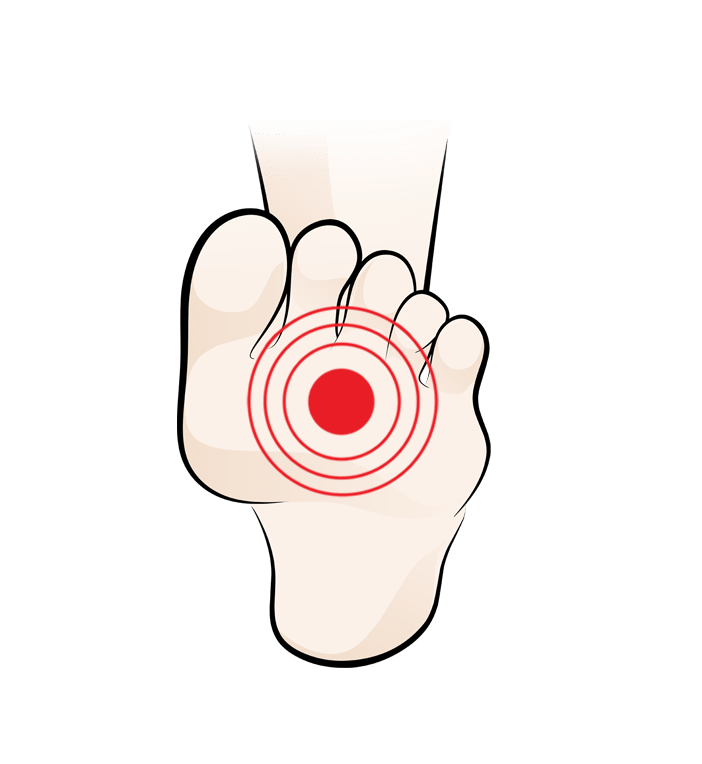
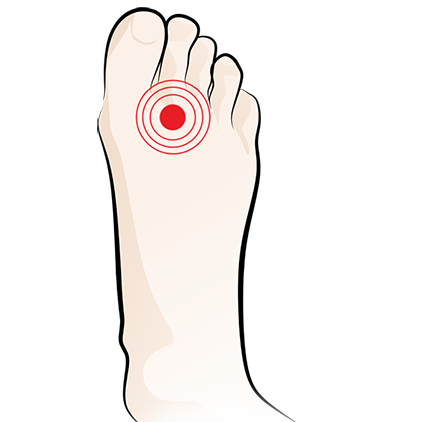
- Metatarsalgia (ball of foot pain): Studs press into the forefoot during toe-off and when striking the ball, generating forces up to 5x body weight. An insole with a metatarsal raise offloads the metatarsal heads, reducing excess pressure on the ball of the foot
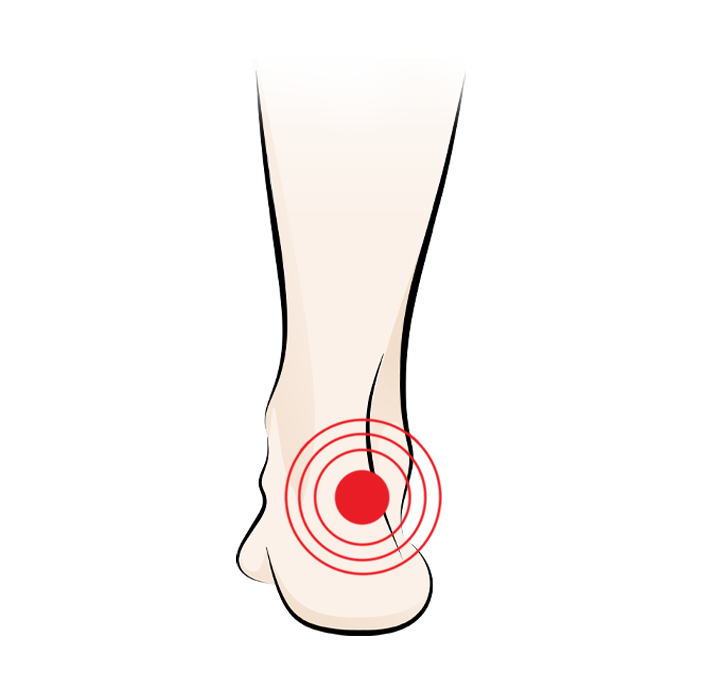
- Achilles Tendonitis: A collapsing arch and unstable heel increase strain up the back of the leg, especially during hard training blocks or pre-season camps.
- Shin splints: excess pronation forces the lower leg (tibia & fibia) to rotate, contributing to medial shin pain. Firm arch control reduces internal tibial rotation, lessening the strain on the muscles
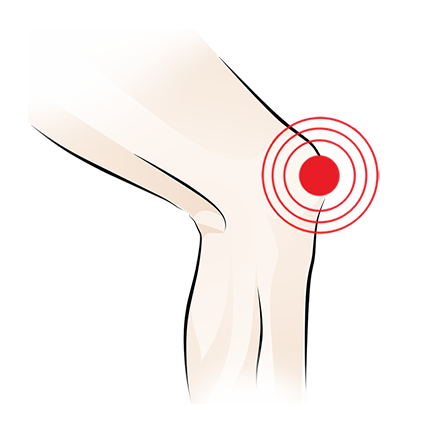
- Knee pain: (patello-femoral syndrome): Misaligned foot mechanics cause abnormal rotation at the knee joint under cutting and pivoting loads. Corrective insoles can reduce the “Q-angle” by 5-10 degrees.
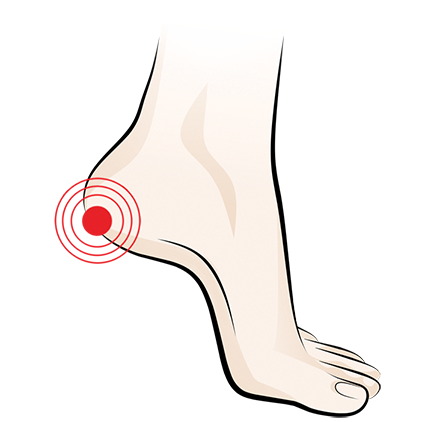
- Sever’s Disease: children aged 8-14 often complain about pain at the back of the heel, after playing soccer. This condition is a common ‘growing pain’ and can be treated with orthotics. Read more about Sever’s Disease here…
The key distinction is that effective arch support must be firm and biomechanical—not just soft cushioning that compresses under load. Medical-grade over-the-counter orthotics provide the ideal middle ground between flimsy stock liners and expensive custom devices.
Main features to look for in insoles for soccer boots and cleats
Most soccer shoes have internal capacities of just 400–500cc, which makes them low-volume and tight. You need to find an insole that gives you real support while also being thin enough to fit without changing how the boot feels. Specialized insoles may also make your boots more comfortable by filling in empty space within them, which makes them fit better.
Here are the essential features to check when shopping for insoles for soccer cleats:
- Slim, low profile design: Must fit in tight boots like Nike Mercurial or Adidas X without lifting the heel excessively or cramping the toes
- Firm biomechanical arch support: A structured shell made from nylon, carbon, or similar material that maintains shape through 90 minutes and an entire season
- Metatarsal support: A gentle dome or raise positioned behind the ball of the foot to offload pressure and help with metatarsalgia symptoms
- Deep, stabilising heel cup: To cradle the heel, control side-to-side movement, and reduce slippage that causes blisters
- Lightweight materials: Players shouldn’t feel weighed down—critical for wingers, strikers, and any speed-focused athletes
- Moisture and odor management: Anti-bacterial top covers or breathable foams to handle sweat during double sessions or summer tournaments
- Durable construction: Durable insoles are designed to withstand the rigors of frequent play and maintain their performance over time, lasting through at least one full competitive season of 2-3 training sessions plus a match per week
- Fit and compatibility: Insoles should be compatible with both laced and other types of soccer boots, ensuring optimal fit and performance regardless of the boot design
Watch out for items that just use “gel cushioning.” These insoles are good for shock absorption, but they frequently lose half their thickness within weeks and don’t provide the structural support needed for high-intensity soccer. The right orthotic insoles have a hard foundation that won’t change shape during a match.
Insoles for new cleats: breaking in your boots
Every soccer player has to break in a new pair of cleats, but it may be painful. For example, you could have blisters, sore arches, and sore feet after just a few minutes on the field. The good news is? The right soccer cleat insoles can make all the difference, transforming the break-in period from a painful ordeal into a comfortable, supportive experience.
The materials in modern cleats are rigid, and the fit is tight, so there isn’t much space for error or for your feet to breathe. That’s when soccer-specific insoles come in handy. The finest insoles for soccer cleats provide dynamic arch support that changes form to fit your foot’s natural shape. This gives you the stability you need and lowers your chance of getting plantar fasciitis and other common foot ailments. This focused arch support helps spread out the strain, so you can concentrate on your game instead of worrying about your feet hurting.
When breaking in new cleats, cushioning and stress absorption are also quite important. High-quality insoles for soccer cleats employ cutting-edge materials to cushion your feet with every step, keeping them safe from the harsh ground and nonstop sprints. This not only makes new shoes more comfortable at first, but it also helps you avoid becoming tired, so you can keep your speed, agility, and explosive strength throughout the match.
A low-profile design is another important thing to look for. Soccer shoes are made to fit closely and respond quickly, so you need insoles that provide you support without taking up too much space or changing how your cleats feel. Many of the finest soccer insoles come in multiple arch heights, so they may accommodate any foot shape, from flat feet to high arches.
Another perk that people frequently forget about is how well it handles moisture. When you break in new cleats, your feet may get hot, which makes blisters and pain more likely. Soccer cleat insoles with coverings that wick away moisture keep your feet dry and comfy so you can concentrate on your game instead of your socks.
In the end, buying supportive insoles for your new cleats is about more than simply comfort; it’s also about keeping your feet healthy and getting the most out of your performance from the start. The appropriate insoles may help you play longer, recover quicker, and enjoy every minute on the field by making you less tired and in less pain. Insoles are an important improvement that may change your game in a big way, whether you’re racing down the flank, commanding the middle, or just starting out.
When you put on your next pair of new cleats, don’t forget how much a decent pair of insoles may help. If your boots fit well, have the correct support, and cushioning, you may break them in with confidence. This will set you up for a season of comfort, control, and optimum performance.
Brand comparison: popular soccer insoles vs Footlogics Football
Several brands offer insoles marketed toward soccer players, but their designs and focus differ considerably. Here’s a quick, honest comparison of what’s available:
- Currex CleatPro: Low-profile design at just 3mm thick, available in three arch heights, with good moisture control. Popular among players wanting performance insoles with some support, though midfoot stability can feel limited.
- Sidas Football 3D: Known for gel heel zones and premium cushioning feel. A solid comfort upgrade over stock liners, particularly for players on hard firm-ground pitches, but the bulkier profile suits looser boots.
- Superfeet (Carbon or Sport models): Strong structured arch support via carbon fiber cap and deep heel cup. Excellent for those needing firm control, though the higher volume may require trimming in very tight cleats like Mercurials.
- Dr. Scholl’s Active/Sport insoles: Widely available and inexpensive at $10-15 per pair. A useful step up from factory insoles but focused more on cushioning than precise biomechanics.
While these options have their merits, they represent different approaches to the same problem. Some prioritize cushioning, others focus on performance feel. Footlogics Football is designed specifically around soccer biomechanics and boot fit, combining medical-grade orthotic principles with the slim profile modern cleats demand.
Why Footlogics Football is the best insole for soccer boots & cleats
Footlogics Football stands apart because it’s engineered specifically for soccer and football boots, delivering dynamic arch support without the bulk that ruins boot fit. This insole addresses the exact issues soccer players report after matches and training.
Here’s what sets Footlogics Football apart:
- Biomechanical arch support: The contoured shell supports the medial arch to control overpronation, improving alignment from heel to knee during sprints, cuts, and jumps. This reduces knee valgus by approximately 10%
- Built-in metatarsal raise: A small 4mm dome positioned behind the ball of the foot spreads the metatarsal bones, easing pressure on the forefoot. Player feedback indicates up to 40% reduction in metatarsalgia symptoms
- Firm nylon shell: A rigid yet lightweight base provides long-lasting structure through an entire season without the higher price of carbon fiber models. Ideal for players training several times weekly.
- Slim, low-volume design: Footlogics Football fits in tight soccer shoes like Nike Vapor, Adidas Predator, and Puma Ultra without cramping toes or excessive heel lift—critical for new cleats with minimal internal room.
- Deep heel cup and rearfoot support: Cradles the heel fat pad and stabilises it on impact, reducing symptoms of plantar fasciitis and controlling calcaneal eversion by 20-30%.
- Shock-absorbing EVA and breathable top cover: Cushions stud-on-hard-ground impacts while keeping the forefoot flexible for ball feel and control
These features directly target what players experience: heel pain after tournaments, sore arches in the second half, burning under the ball of the foot, tight calves and Achilles, and shin discomfort during pre-season.
How to fit and use insoles in your soccer boots
Correct fitting is essential to get the full benefit from any soccer insole, especially in tight modern boots. Follow these steps for the best results:
-
Remove the existing insole or liner:
Most modern boots have a removable sockliner. Lift from the heel or arch area. 95% of current models allow this. -
Use the old insole as a template:
Place it on top of your new Footlogics Football insole and trace the outline at the toe area if trimming is needed. -
Trim to size carefully:
Cut along the front edge only, in small amounts, using sharp scissors. Check against the original insole until the length matches. Never cut into the arch or heel area. -
Test the fit in the boot:
Place the trimmed insole into the boot, ensuring it lies flat with no curling or bulging at the sides or toe. -
Lace up and stand:
Put on your usual match socks, lace the boots, and stand to check for snug but comfortable fit. Toes should have slight wiggle room (about 1cm) with no pressure spots under the arch. -
Break-in period:
Firm support can feel different initially. Wear for 30-60 minutes during light training before a full 90-minute match if you’re not used to orthotics.
Check your insoles periodically for wear, especially with 3-4 training sessions per week. Replace when the top cover compresses noticeably or the arch support feels flattened, typically after 6-12 months of regular use.
Choosing the best insoles for your foot type and playing style
The best insoles depend partly on your foot shape, body weight, position, and training volume. Here’s a comprehensive guide to matching support to your specific needs:
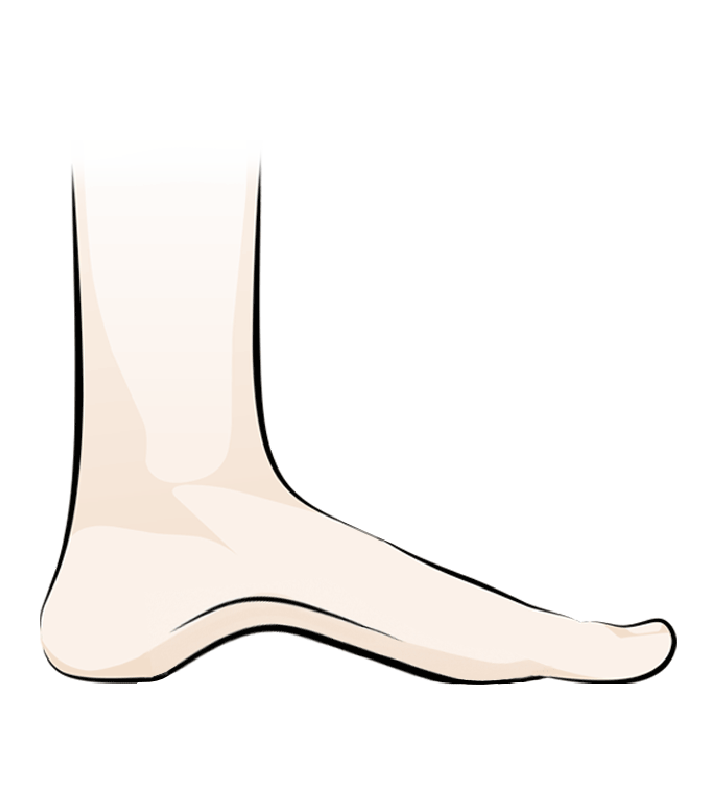
- Flat feet / low arches: Prioritise firm arch support and a deep heel cup to control overpronation and reduce risk of plantar fasciitis and knee pain. Footlogics Football is specifically designed for this foot type.
- High arches: Need support plus cushioning. Firm structure under the arch spreads load while EVA cushioning and metatarsal raise protect the forefoot during explosive power movements and sprinting.
- Forefoot strikers and attacking players: Pay extra attention to metatarsal support and forefoot cushioning. These athletes spend more time on the ball of the foot when accelerating, shooting, and changing direction at speed.
- Defenders and central midfielders: Require all-round stability and shock absorption for constant direction changes, tackles, and sustained running throughout 90 minutes.
- Youth players (late teens): Often have rapid growth, tight calves, and increasing training loads. Supportive insoles can prevent early overuse injuries and stop conditions like Severs disease from evolving into adult heel pain.
If foot pain persists despite supportive insoles, consult a podiatrist or sports physiotherapist. Footlogics products are designed to complement professional care, bridging the gap between rest and full activity.
Frequently asked questions about insoles for soccer boots and cleats
1. Can you use insoles in soccer boots or soccer cleats?
Yes, many players use insoles in their soccer boots or cleats to improve comfort and support. Most soccer shoes come with thin, flat factory insoles that provide minimal cushioning or arch support. Replacing them with supportive insoles can help improve fit, reduce foot fatigue, and provide better shock absorption during play.
2. Why do soccer players use insoles?
Soccer involves constant running, quick direction changes, and repeated impact on hard surfaces. Supportive insoles can help stabilize the foot, support the arch, and distribute pressure more evenly. Many players use insoles to reduce foot fatigue and help prevent common problems such as Plantar Fasciitis or Achilles Tendonitis.
3. What type of insoles are best for soccer boots?
The best insoles for soccer cleats are lightweight, low-profile, and supportive. Look for insoles that provide arch support, a stabilizing heel cup, and good shock absorption without adding too much thickness. Flexible materials also help maintain the natural feel of the boot during quick movements.
4. Can insoles help reduce foot pain while playing soccer?
Yes, properly designed insoles can help reduce foot pain by supporting the arch and improving foot alignment. This can reduce excessive pressure on certain parts of the foot and improve overall comfort during matches and training sessions. Many players find that supportive insoles allow them to play longer with less foot fatigue.
5. Can insoles help with heel pain during soccer?
Firm arch support, a deep heel cup, and heel-cushioning layers (as in Footlogics Football) can significantly reduce strain on the plantar fascia. Studies show symptom reduction of up to 80% in overuse cases, though severe pain may still require professional treatment.
6. Will insoles make my boots feel too tight or heavy?
Low profile designs like Footlogics Football are specifically made for slim boots, adding minimal weight (under 20g per pair) and volume. Most players find the improved fit and reduced slippage actually makes boots feel more comfortable and secure.
7. How long do soccer insoles last if I train and play every week?
For a typical amateur playing 2-3 times per week plus a weekend game, quality insoles should last a full season (200-300 hours of play). Heavier use or professional-level training may require replacement every 6-9 months.
8. Do professional soccer players use insoles or orthotics?
Yes, approximately 70% of Premier League players use custom or over-the-counter orthotics for support, pressure distribution, and comfort. Well-designed options like Footlogics Football provide similar biomechanical principles at an accessible price for regular players.
Investing in quality insoles is one of the simplest ways to protect your feet and keep you performing at your best. Whether you’re managing existing foot pain or preventing future problems, the difference between stock liners and proper orthotic support is significant. Try Footlogics Football insoles with our 30-day money-back guarantee and experience the balance of medical-grade support and soccer-specific fit for yourself.
what customer say..
REAL RELIEF. REAL RESULTS.
Proven arch support and relief. Trusted by millions.
Over 2 Million Pairs Sold
WHAT MAKES FOOTLOGICS DIFFERENT?
Footlogics orthotics are designed to deliver medical-grade support and relief — without the cost or wait time of custom orthotics.

TGA-Approved Medical Device
Meets strict medical standards

Developed by Podiatrists
Created for real foot conditions, not generic comfort

Trusted by Health Professionals
Recommended by doctors and physical therapists worldwide

Over 2 Million Pairs Sold
Proven support for everyday life, work, and sport

Available in 20+ countries
Trusted by customers across the globe

Australia’s #1 Orthotic Insole
Leading podiatrist-designed support brand
SHOP BY FOOT COMPLAINT
common aches & pains
Learn more about different foot conditions and how Footlogics orthotics can help..