Orthotic insoles for Children’s Heel Pain (Sever’s Disease)
A very common complaint in children aged between 8-15 years, especially after playing sports. This condition can be treated effectively with the right type of orthotic insole and some daily stretching exercises. If your child plays soccer, we recommend the Football orthotics. If your child’s feet are too big for our Kids insoles, a size XS or S in Footlogics Comfort will work well for this condition.
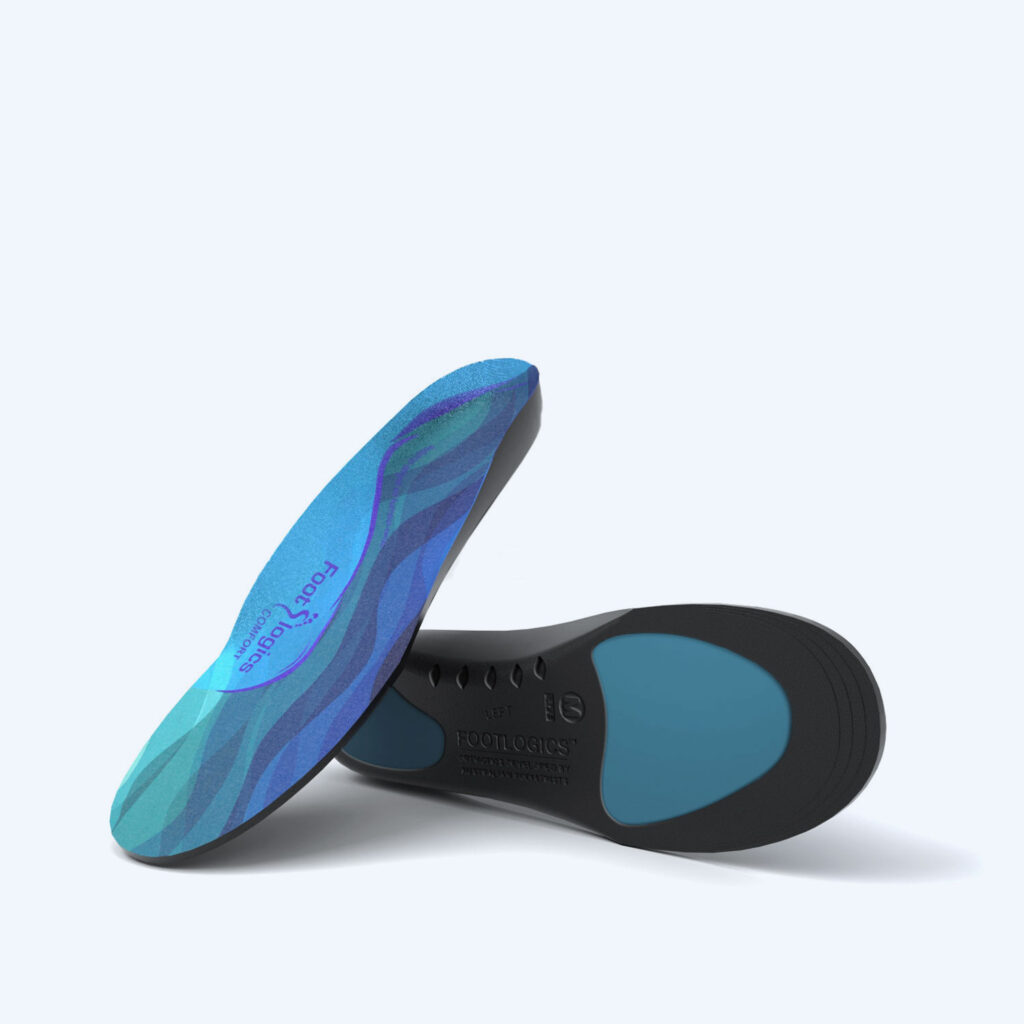
Footlogics COMFORT
$36.95
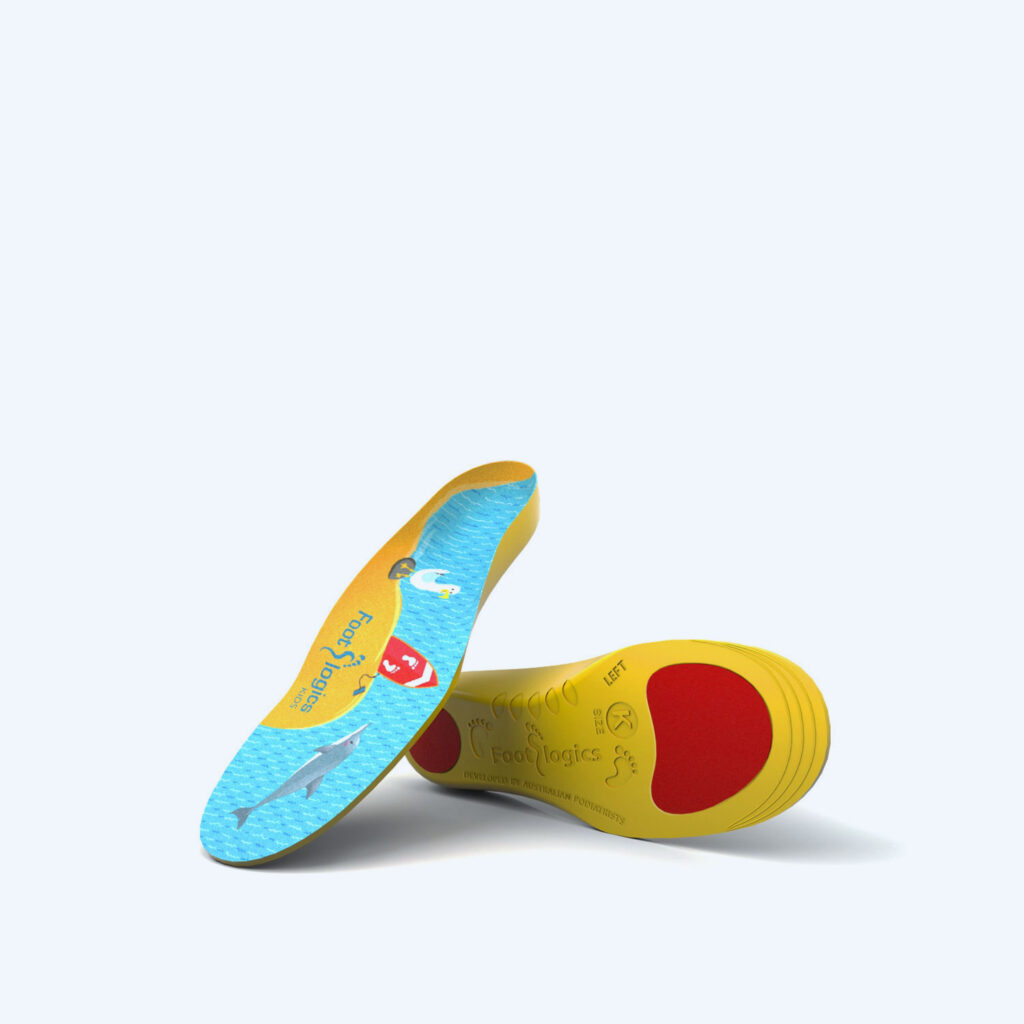
Footlogics KIDS Full-length
$29.95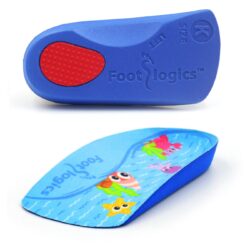
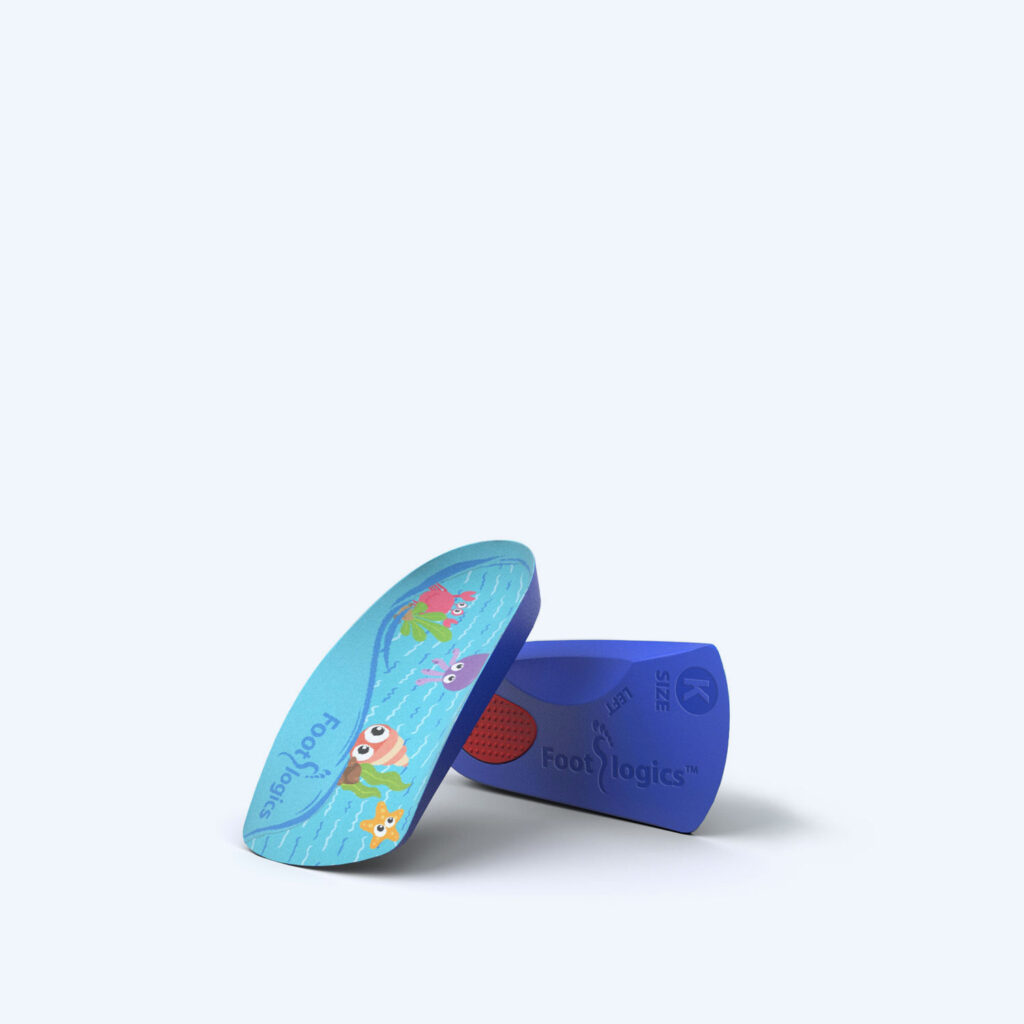
Footlogics KIDS 3/4-length
$24.95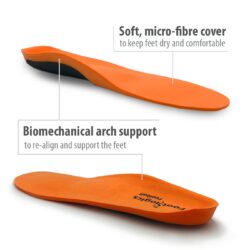
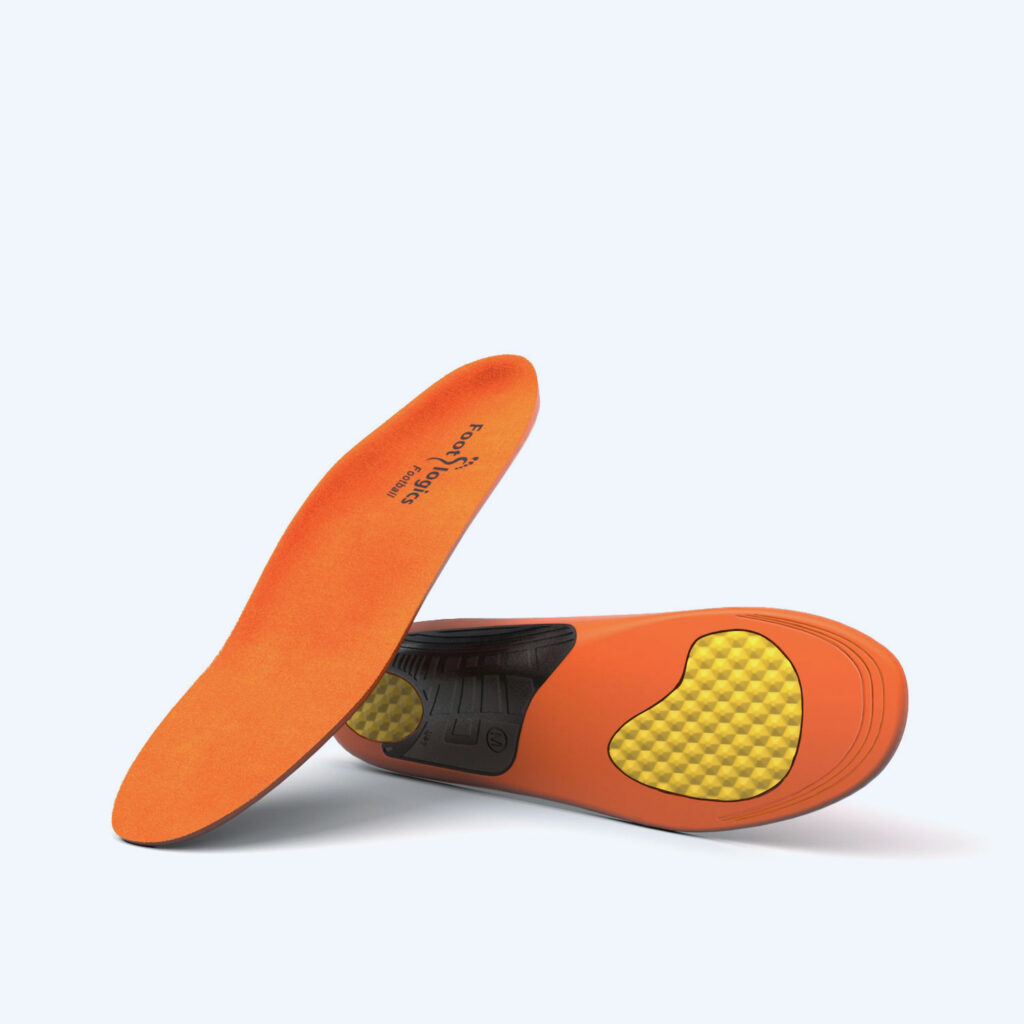
Footlogics FOOTBALL
$36.95
What is Sever's Disease?
“Calcaneal Apophysitis” – also known as Sever’s Disease – is one of the most common reasons why active kids and pre-teens suffer from pain at the back of the heels. People call it a “disease,” but it’s not a pathological illness in the usual sense. It’s more like a “growth-related overuse condition” that affects the heel’s growth plate (the apophysis) when bones are growing quickly during growth spurts.
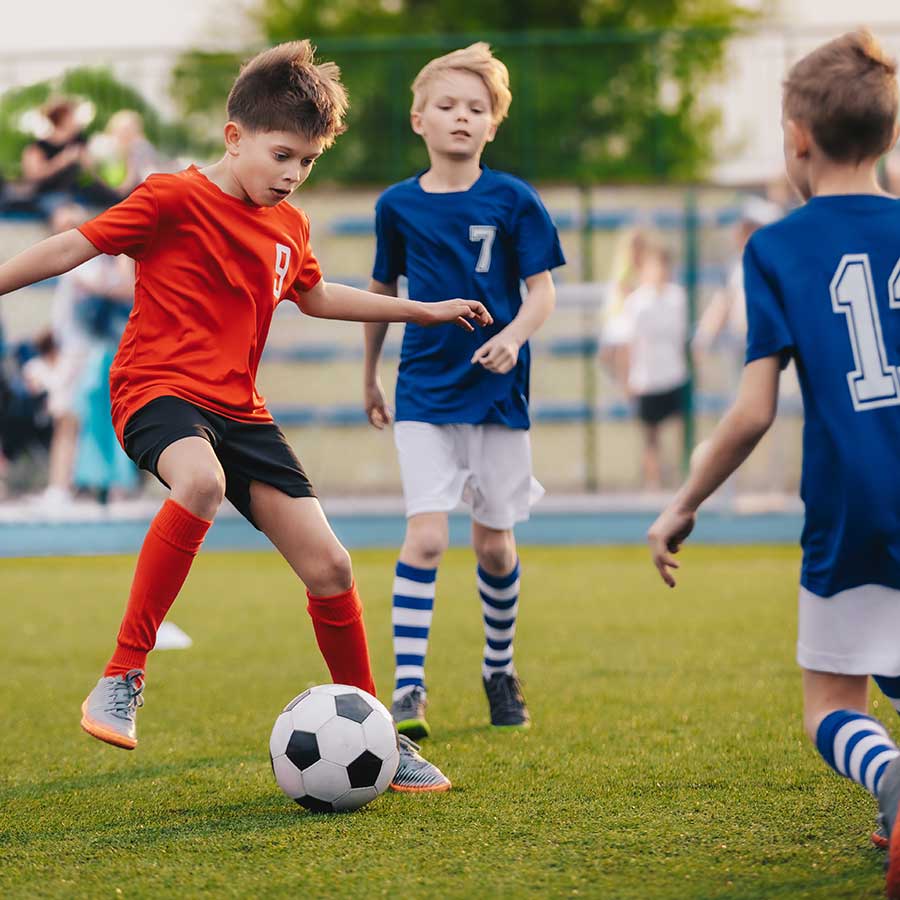
Dr. James Sever first wrote about this condition back in 1912. It usually happens between the ages of 8 and 15, when growth spurts make muscles and tendons less flexible for a period of time. The condition mainly affects kids who play a lot of sports, especially ones that involve running or jumping. Sports like soccer, basketball, gymnastics put a lot of stress on the lower limb, making this condition worse.
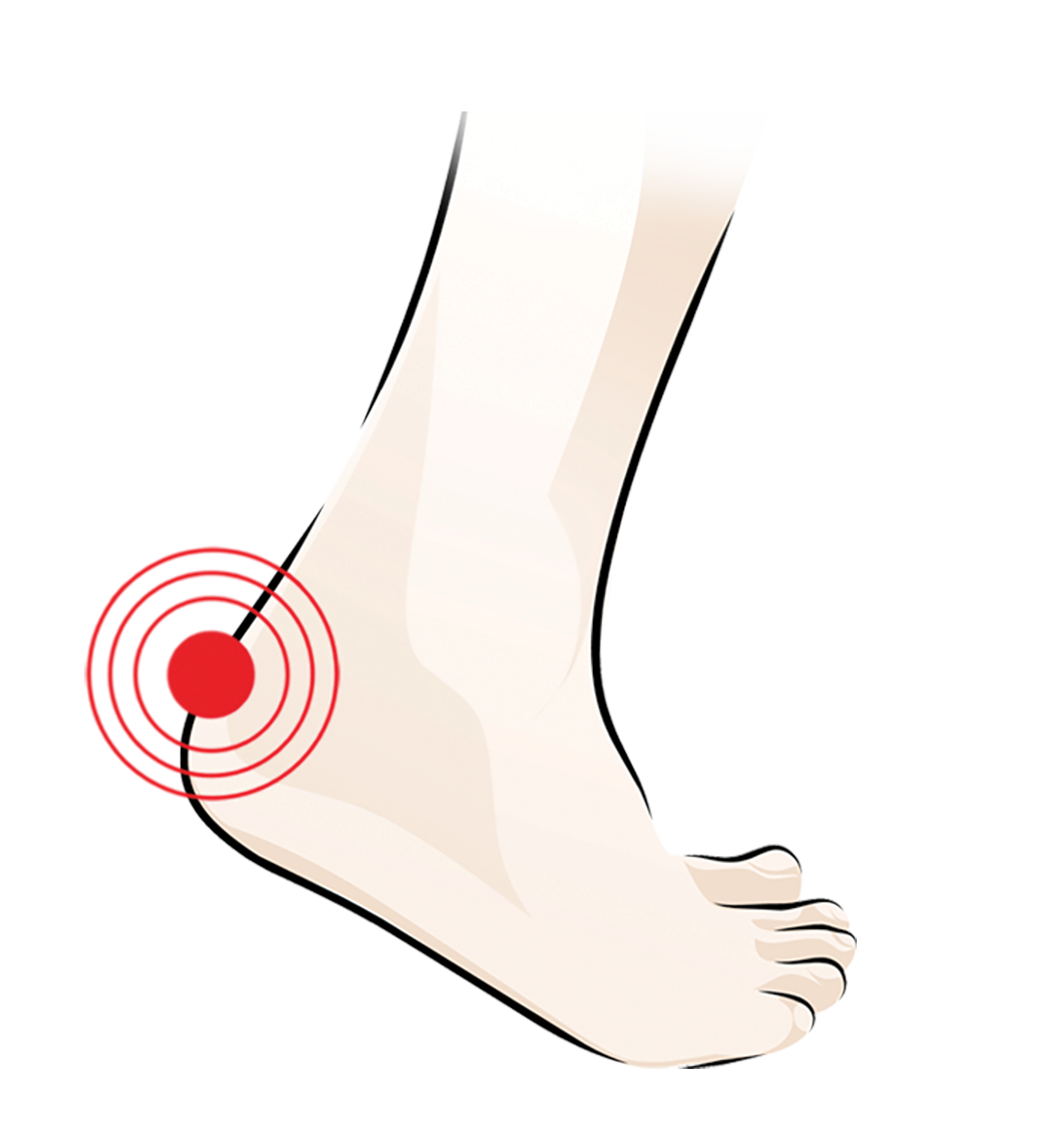
Sever’s disease occurs when the growth plate at the back of the heel bone (calcaneus) gets inflamed.
In kids and teens, the heel bone has a softer, cartilaginous area that is still growing. The heel’s growth plate is very sensitive, and the Achilles tendon and the plantar fascia ligament, which attach to the heel, can pull too hard on this weak spot when your child grows quickly. In other words, the bones grow very fast during a growth spurt whilst the ligaments are still ‘catching up’. Repeated stress causes micro-tearing and irritation of the growth plate.
Sever’s disease is different from adult heel pain conditions like Plantar Fasciitis or Achilles Tendonitis, because children’s heel pain is only related to growth plates. This means that it cannot develop once skeletal maturity is reached (usually around ages 15–16).
Sever's Disease Symptoms
Some common signs of Sever’s disease are:
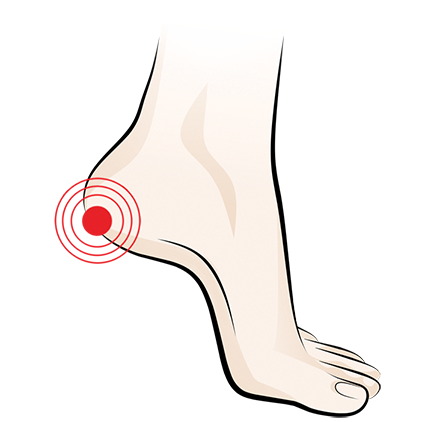
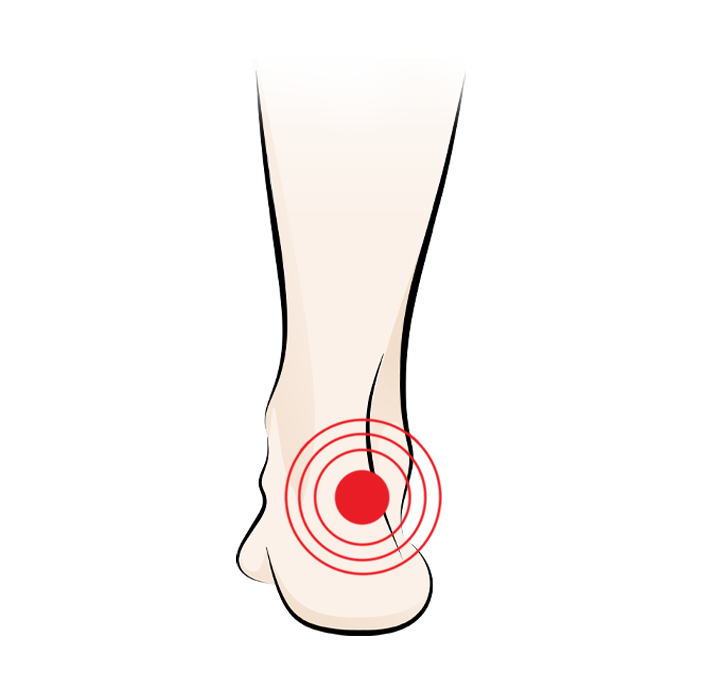
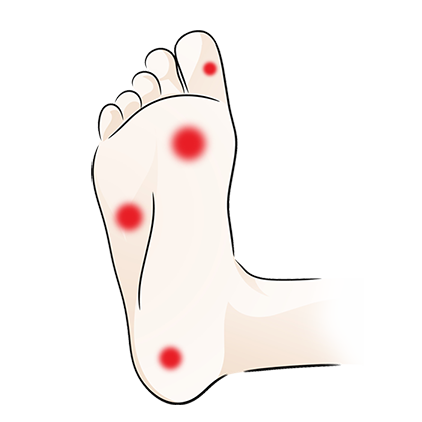
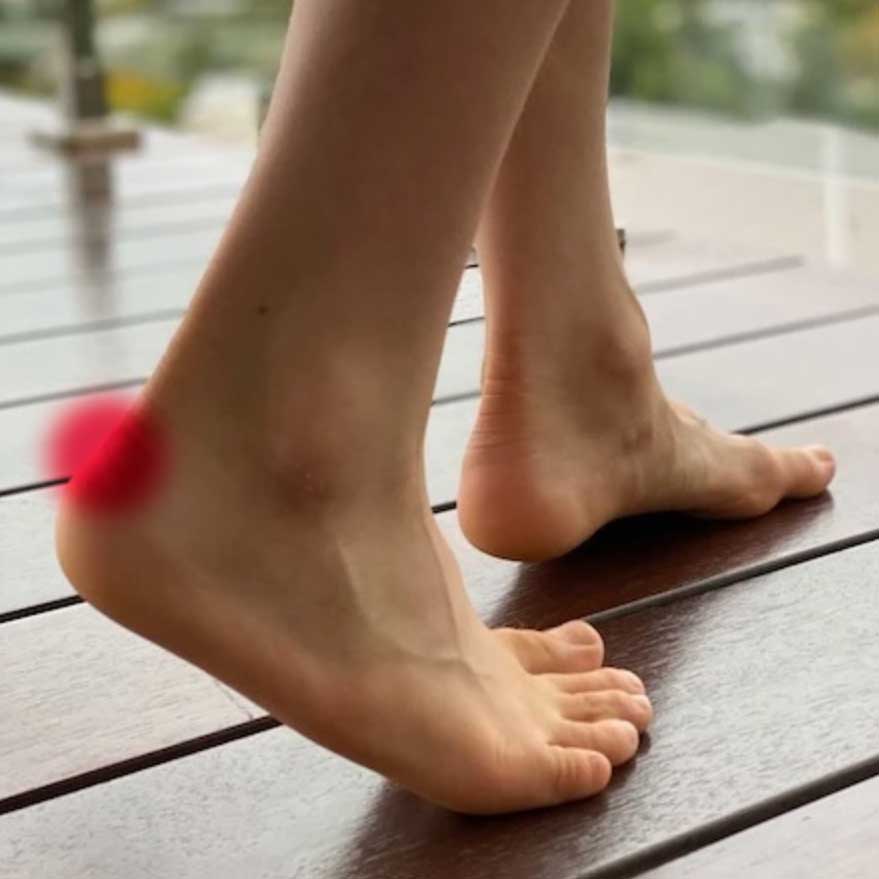
Pain at the back of heel
Pain that gets worse when you move around and improves with rest
The back of the heel swollen and sore to touch
Your child is walking or running with a limp
Kids often say that their heels hurt after sports training, games or long periods of play. Often the pain is dismissed as just muscle pain, after sports.
Causes of children’s heel pain
Repetitive stress on the heel during sport and running is what causes Sever’s Disease. However, there are also biomechanical factors at play. For example, wearing shoes that don’t have enough heel cushioning, arch support, or the right fit can also make things worse by putting more pressure on the heel.
Children with certain foot biomechanics such as flat feet, fallen arches or over-pronation will experience even more stress on the growth plate. When the feet over-pronate (roll inwards too much), there are tractional forces on the plantar fascia ligament under the foot and on the Achilles Tendon at the back of the heel. This places added strain on the soft and sensitive area of the heel bone.
After a major growth spur your child’s heel pain will be at its worst. Bones grow faster than muscles, ligaments and tendons, placing stress on this soft tissues. Last but not least, tight calf muscles and less flexibility make the pulling forces on the calcaneal apophysis even stronger.
Diagnosis: Clinical Assessment
Diagnosis of Sever’s Disease is not rocket science. Your doctor or physical therapist will recognize the symptoms immediately. A physical exam simply involves squeezing of the heel, causing pain or discomfort. X-rays are not required, unless there is a reason to think there is a fracture or other problem, because growth plates usually look uneven, which can be mistaken for an injury on imaging.
Treatment options - including orthotic insoles
Sever’s Disease usually responds well to non-surgical management. The goal of treatment is to ease pain, control inflammation and improve lower limb biomechanics (i.e. improve gait, the way we walk)
01.
Reduced activity
If symptoms are severe your child should cut back on high-impact activities such as running and jumping. If they play soccer they should hold back, maybe be a goalkeeper for a while or play in defence. They don’t have to stop playing completely, just take it easy for a while.
02.
Use orthotics for arch support, combined with good shoes
Orthotics shoe inserts support the structure of the foot and change how weight is distributed. They can move pressure away from the heel and reduce tractional forces on the muscles, tendons and ligaments in the foot. Especially when used in a supportive shoe with strong heel counter for rearfoot stability, orthotics can be very effective.
A 2015 study published in the Journal of Pediatric Orthopedics indicated that children with calcaneal apophysitis experienced better results when utilizing cushioned orthotic inserts alongside activity modifications, as opposed to activity modifications alone (peer-reviewed results demonstrated diminished pain and quick return to sports).
You can either use custom-orthotics or pre-made ‘off the shelf’ orthotics. Custom orthotics are expensive and with growing feet, a new pair will need to be fitted every year! A properly designed pre-made orthotic are a fraction of the price and yet they provide very good support and alignment.
03.
Footlogics Sever's Disease orthotics
Footlogics offers a range of orthotic shoe inserts for paediatric heel pain, including an insole for soccer. Please note our Kids 3/4 and Kids Full-length insoles only go up to a US size 4. If your child has a bigger foot, we recommend the smaller sizes in our Comfort and Casual insoles.
Footlogics Kids 3/4 length insoles
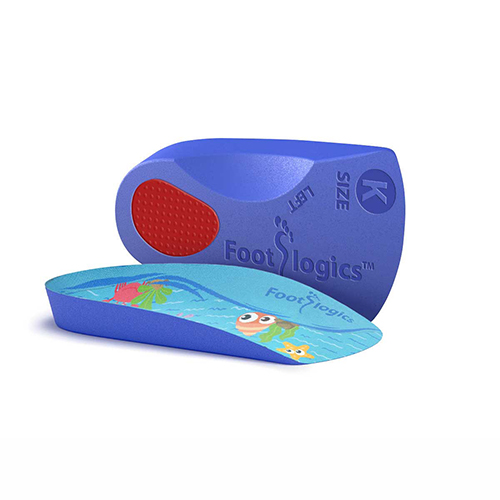
Our Kids 3/4 length features a deep heel cup and proper, medical-grade biomechanical arch support. The ‘fun’ top cover design makes the insole more acceptable for the child.
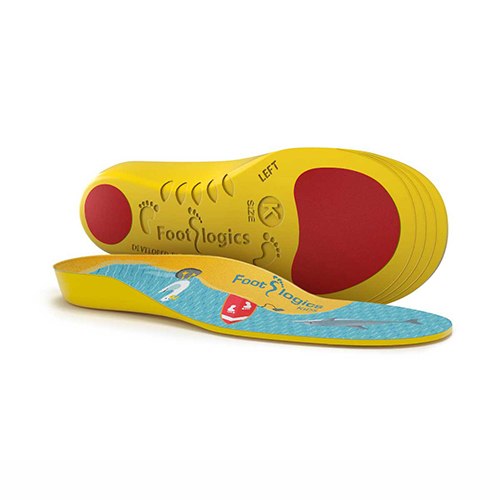
Footlogics Kids Full Length insoles
Kids Full-lenght orthotics are perfect for sports shoes, as they won’t move forward in the shoe. Kids are very active and often run more than they walk. Also, when they play sports this is a very useful product. Please note the insole can be trimmed to size with normal scissors.
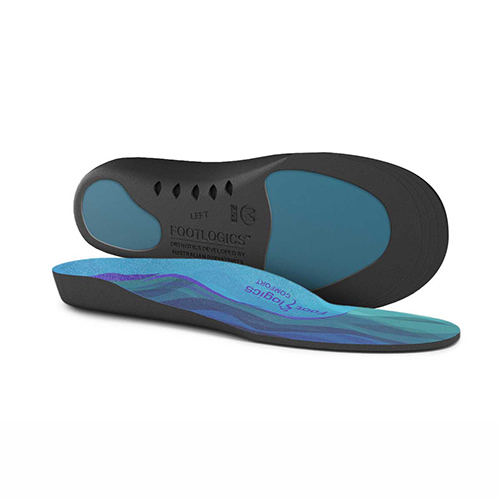
Footlogics Comfort orthotics
Our Comfort insoles should be used in size XS or S, if your child has outgrown the Footlogics Kids Full-length orthotic shoe inserts.
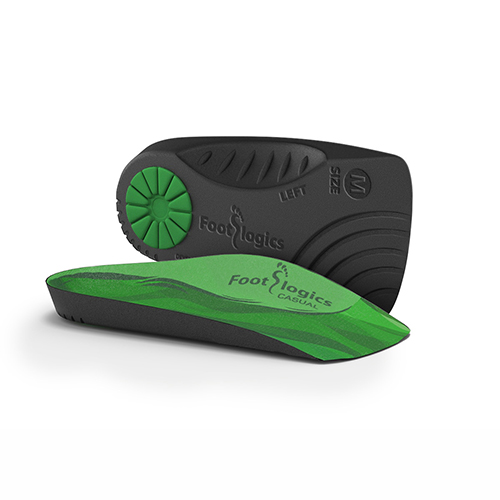
Footlogics Casual orthotics
This is the perfect insole to help with Severs, when the child is too old to wear our Kids 3/4 orthotics.
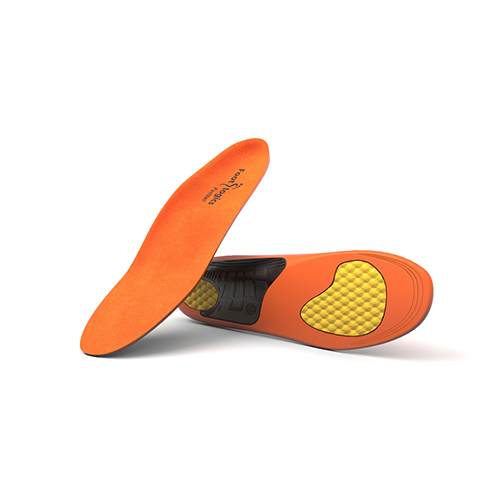
Footlogics Football insoles
Developed especially for soccer, this insole is made to fit into tight soccer boots. Please make sure you remove the existing insole from the soccer cleats, so the Footlogics Football orthotic fits perfectly. This insoles features arch support and heel cushioning and is very helpful with Severs Disease.
04.
Exercises for children’s heel pain
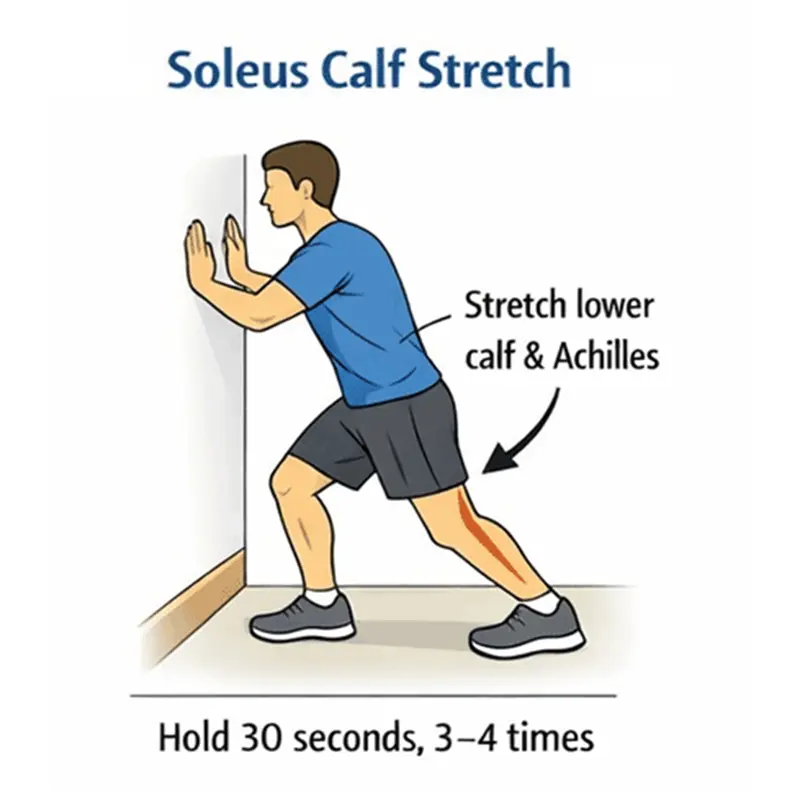
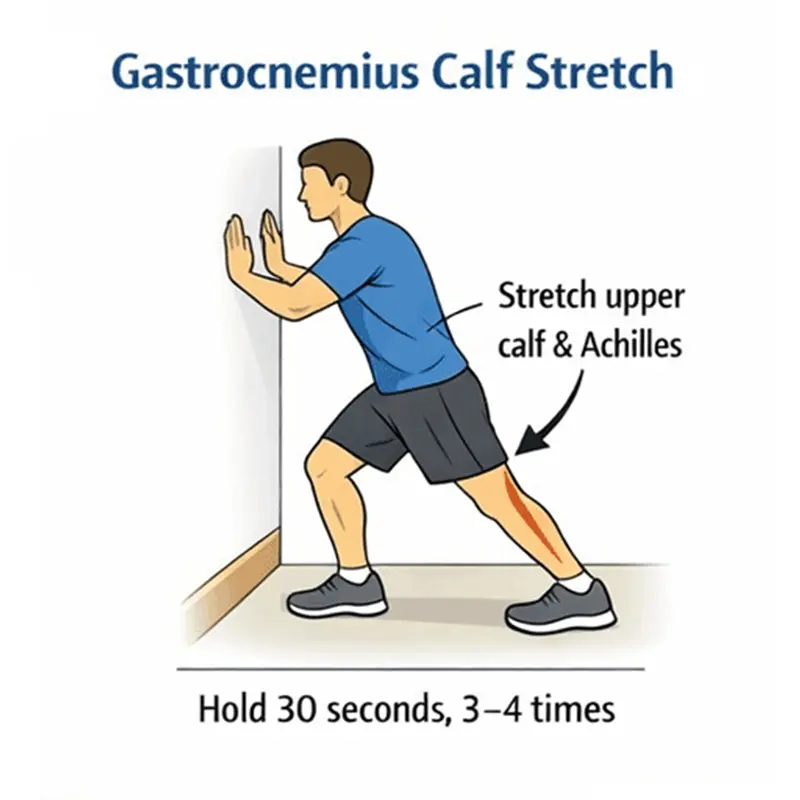
Tight calf muscles are a major contributing cause of Sever’s disease. A structured stretching program, especially one that focuses on the Gastrocnemius and Soleus muscles can make your child more flexible and lessen the pull on the heels. Strengthening the muscles around the foot helps kids move better when they play sports.
Exercises
Soleus Calf Stretch
Similar to the gastrocnemius stretch, but with the rear knee slightly bent. Keep your heel flat and bend forward gently.
This targets the deeper soleus muscle, which plays a vital role in Achilles loading during running. Hold the stretch for 30 seconds and repeat 3–4 times. Improving soleus flexibility can greatly reduce ongoing tendon tension.
Exercises
Gastrocnemius Calf Stretch
Stand facing a wall with the affected leg behind you. Keep the rear knee straight and heel flat on the ground while leaning forward. You should feel a stretch in the upper calf and Achilles tendon. Hold for 30 seconds and repeat 3–4 times.
This stretch helps alleviate calf tightness, which typically increases strain on the Achilles tendon when walking and jogging.
Ice packs after exercise and over-the-counter anti-inflammatories such as Nurofen for Children can be used to reduce swelling and pain. Long-term solutions, on the other hand, focus on mechanics and load management, not just making symptoms go away.
Research and orthotic treatment
Sever’s disease is very common, however, extensive research, including large randomized controlled trials, is still scarce. The majority of studies consist of clinical cohorts or expert consensus. A systematic review in Foot & Ankle Specialist journal found that non-surgical treatments, including orthotics, work for most children and that the long-term results are good once they stop growing.
When to get more help..
Conservative care including orthotics and exercises usually helps improve your child’s Sever’s Disease within weeks. A doctor should look at the child if:
Pain doesn't go away after weeks of treatment
It’s hard to do everyday things or play sports.
There is swelling, redness, or fever, which could mean an infection or something else
In this case, seeing a pediatric orthopaedic specialist, podiatrist, or physical therapist will ensure your child gets the right diagnosis and treatment.
Conclusion
Sever’s disease is a common condition that affects growing children. It hurts and limits them, but it usually goes away on its own. It is especially common among 8-15 olds who play sports like soccer because it is linked to stress from growth and repetitive impact. Most kids heal completely and can play sports again without any long-term effects if they are diagnosed early, change their activities, wear the right shoes, get orthotic support and do stretching exercises.
Orthotics are an important part of good management because they help redistribute forces and support healthy biomechanics during a key stage of development.
what customer say..
REAL RELIEF. REAL RESULTS.
Proven arch support and relief. Trusted by millions.
Over 2 Million Pairs Sold
WHAT MAKES FOOTLOGICS DIFFERENT?
Footlogics orthotics are designed to deliver medical-grade support and relief — without the cost or wait time of custom orthotics.

TGA-Approved Medical Device
Meets strict medical standards

Developed by Podiatrists
Created for real foot conditions, not generic comfort

Trusted by Health Professionals
Recommended by doctors and physical therapists worldwide

Over 2 Million Pairs Sold
Proven support for everyday life, work, and sport

Available in 20+ countries
Trusted by customers across the globe

Australia’s #1 Orthotic Insole
Leading podiatrist-designed support brand
SHOP BY FOOT COMPLAINT
common aches & pains
Learn more about different foot conditions and how Footlogics orthotics can help..