Orthotic insoles for Shin Splints
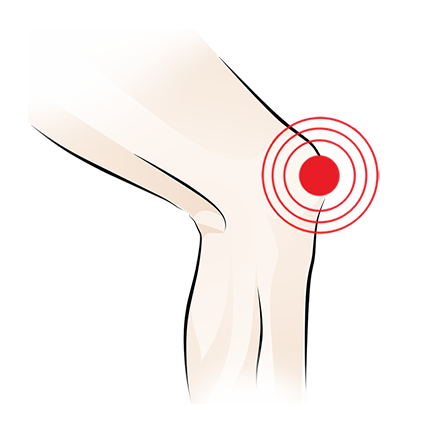
“Shin Splints” is a general term used to refer to a painful condition in the shin. Pain or inflammation occurs either in the front or inside section of the shin bone, especially when you take up running or hiking for the first time. Orthotics can be useful to control over-pronation – a major contributing factor to shin pain.
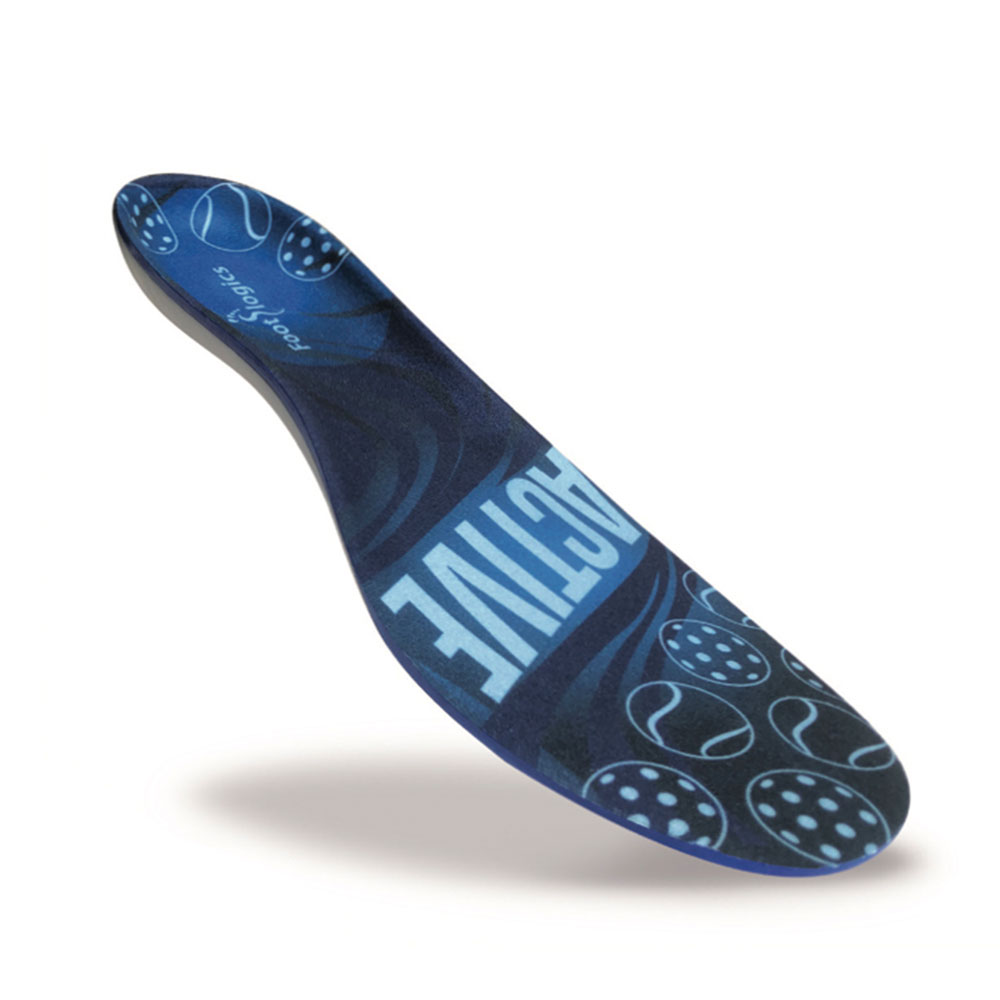
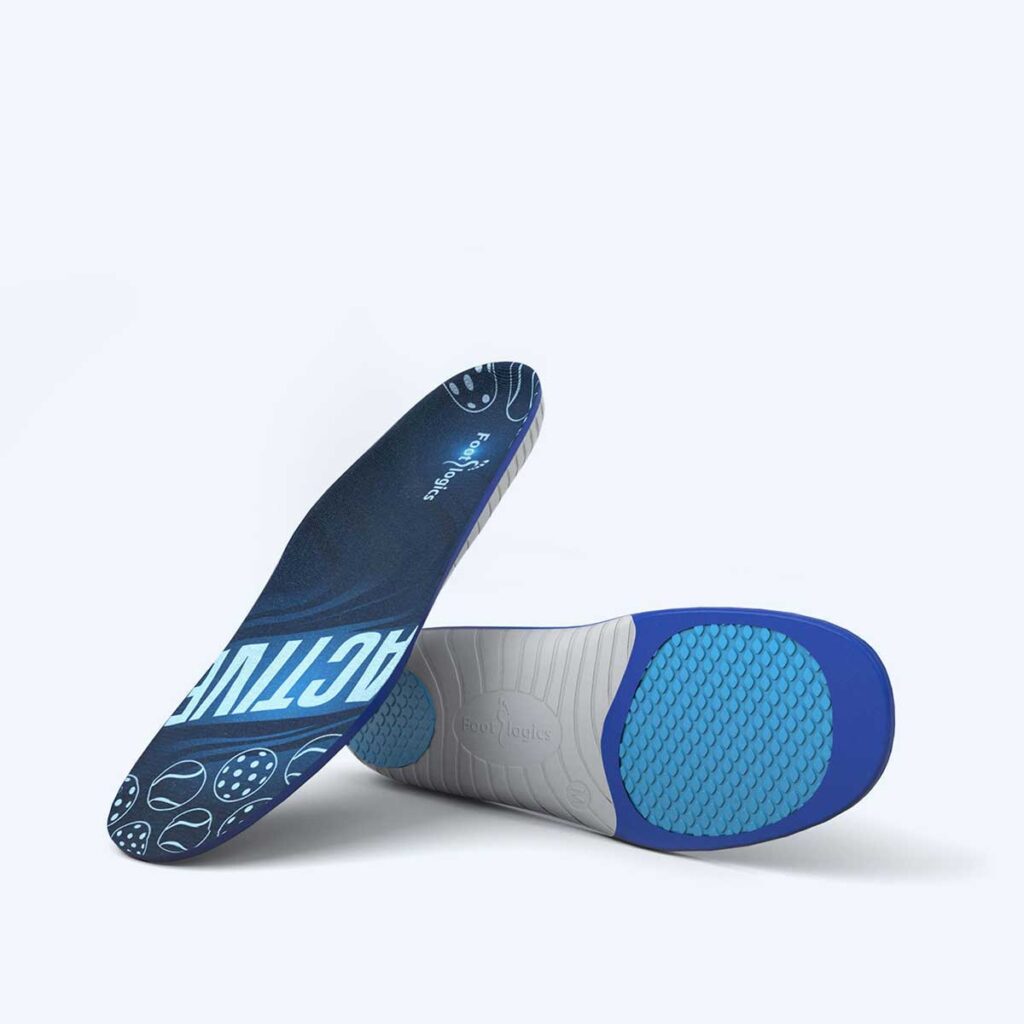
Footlogics ACTIVE
$39.95
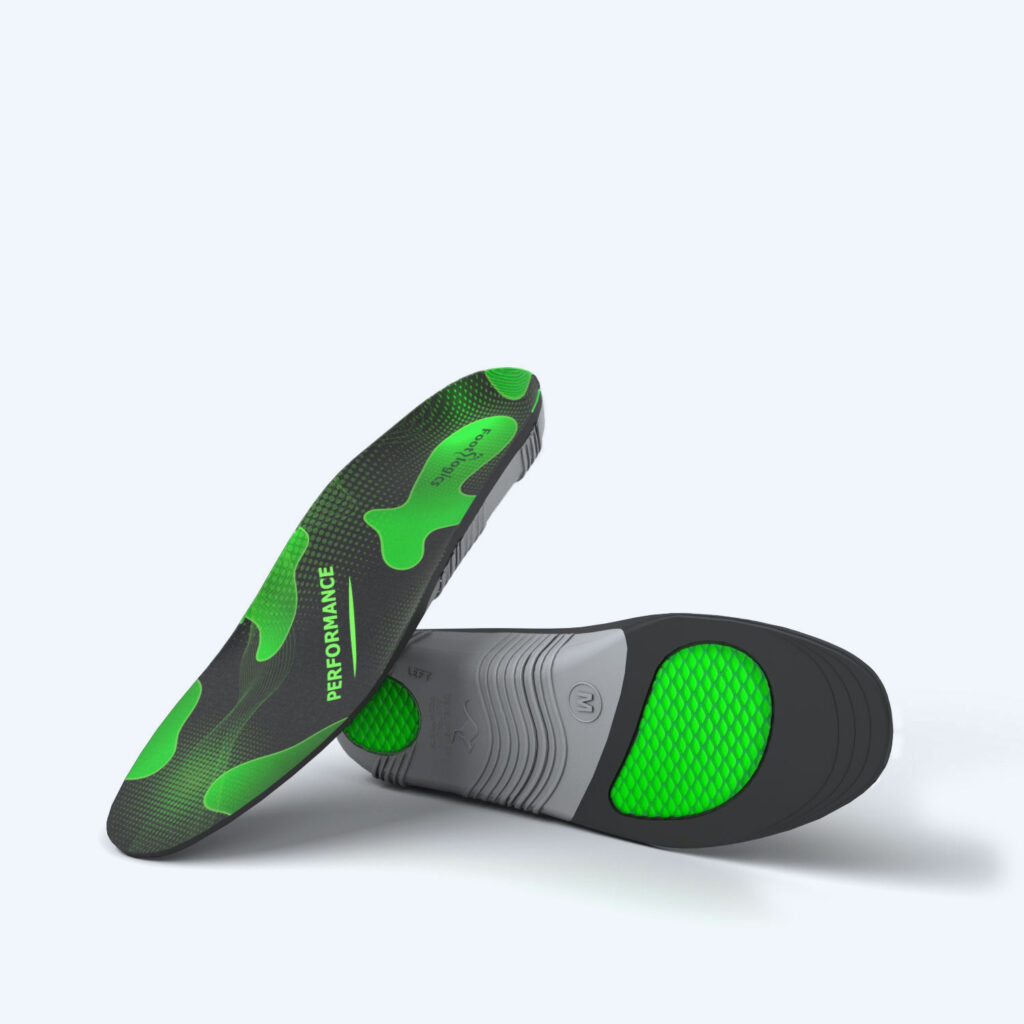
Footlogics PERFORMANCE
$39.95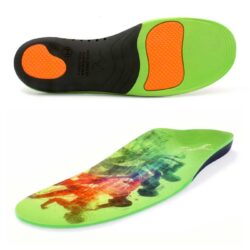
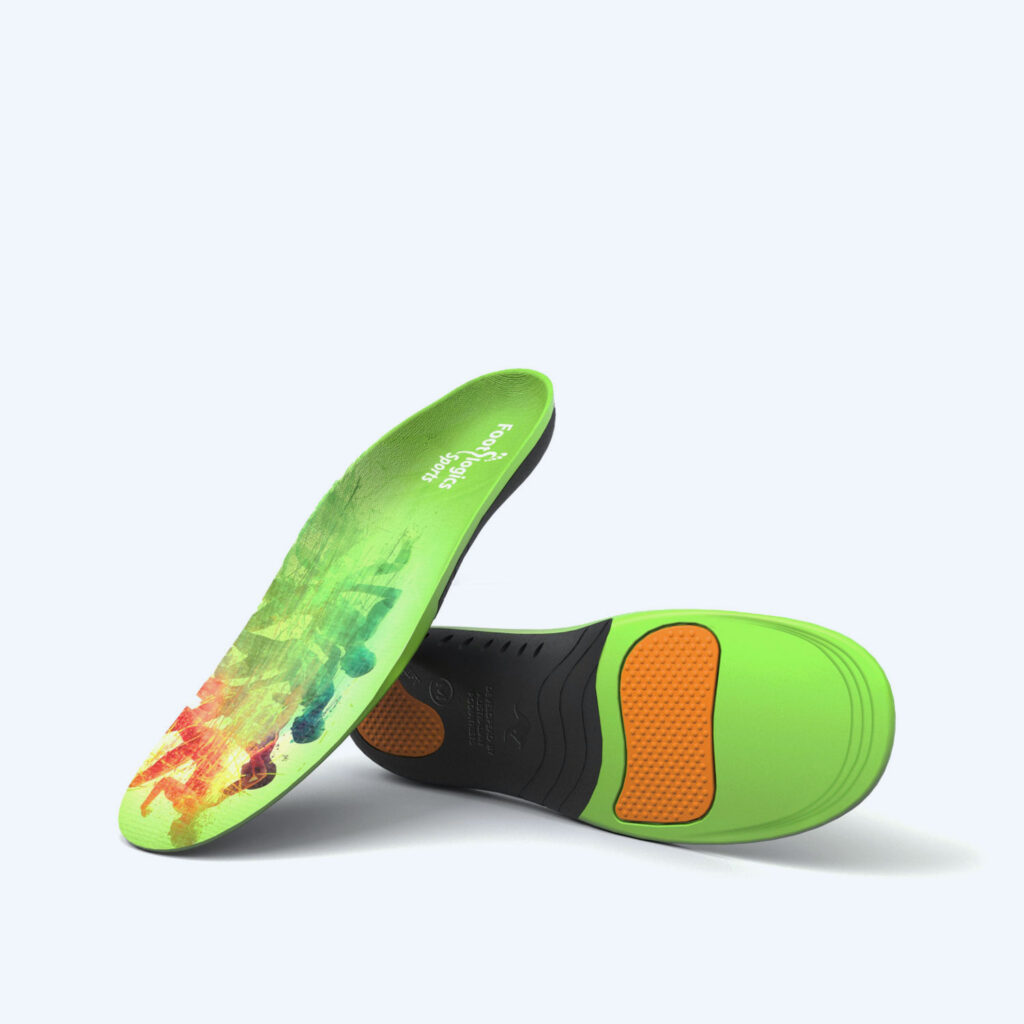
Footlogics SPORTS
$39.95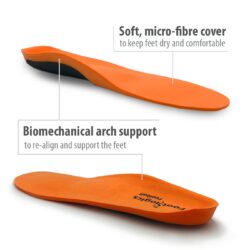
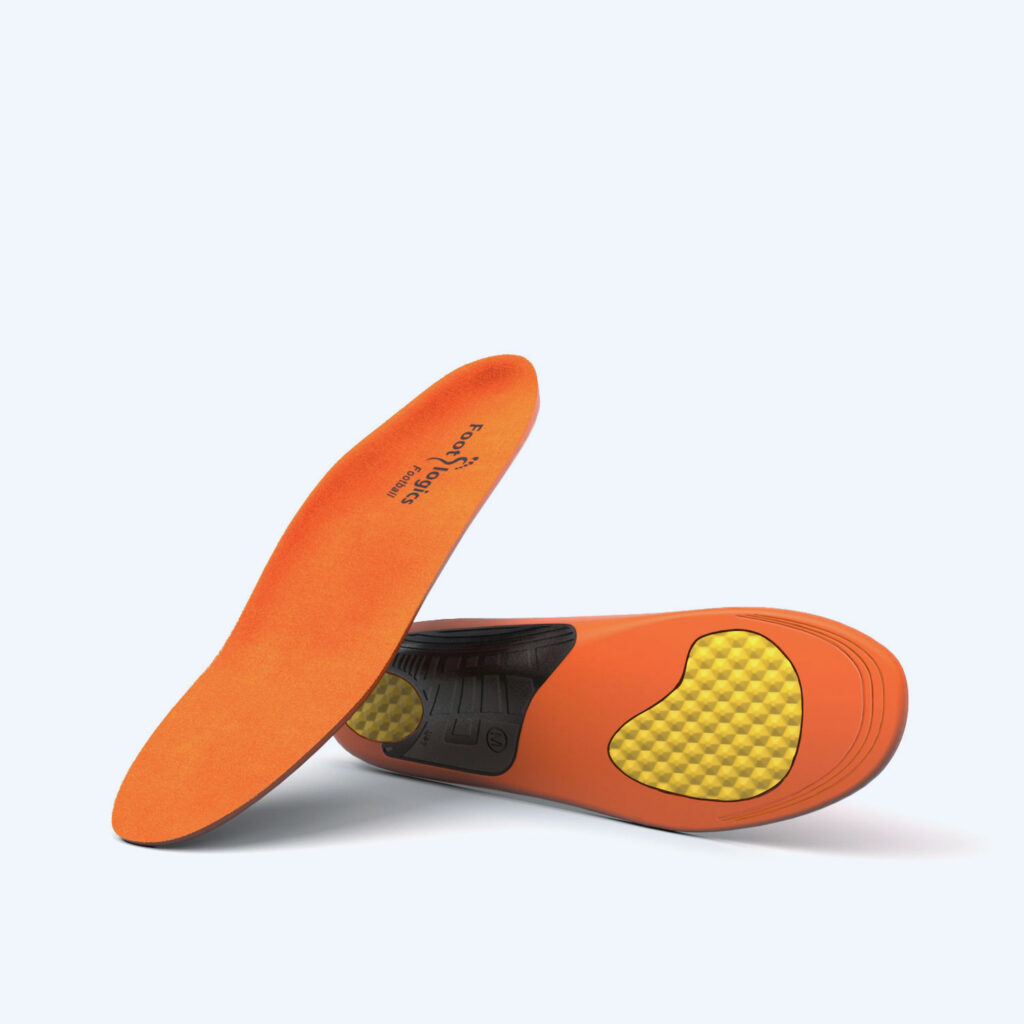
Footlogics FOOTBALL
$36.95
What are Shin Splints?
“Shin Splints” is a general term used to refer to a painful condition in the shin. The medical term is “Medial Tibial Stress Syndrome” (MTSS) – denoting an overuse injury of the shin bone. It is a very common complaint, occurring in approximately 5–20% of athletes, particularly runners.
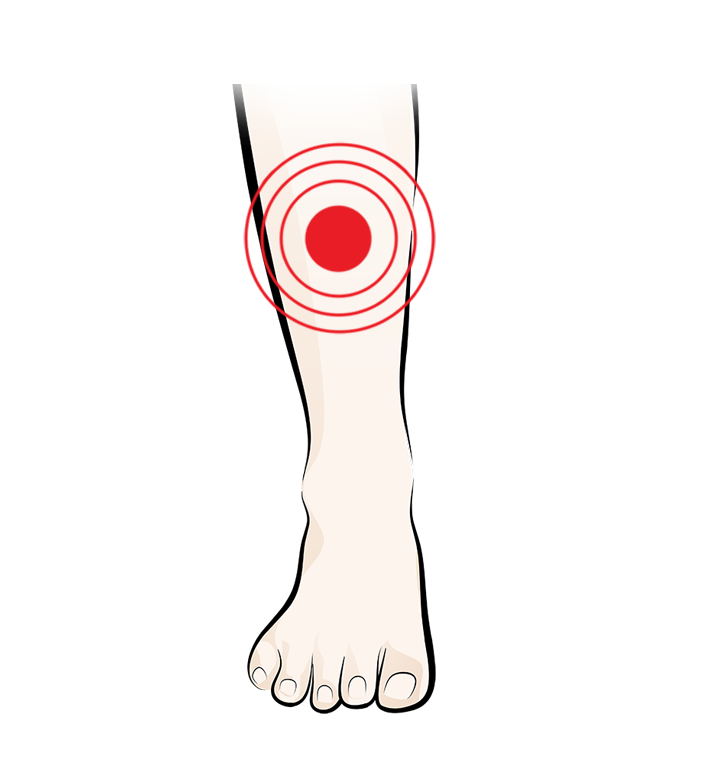
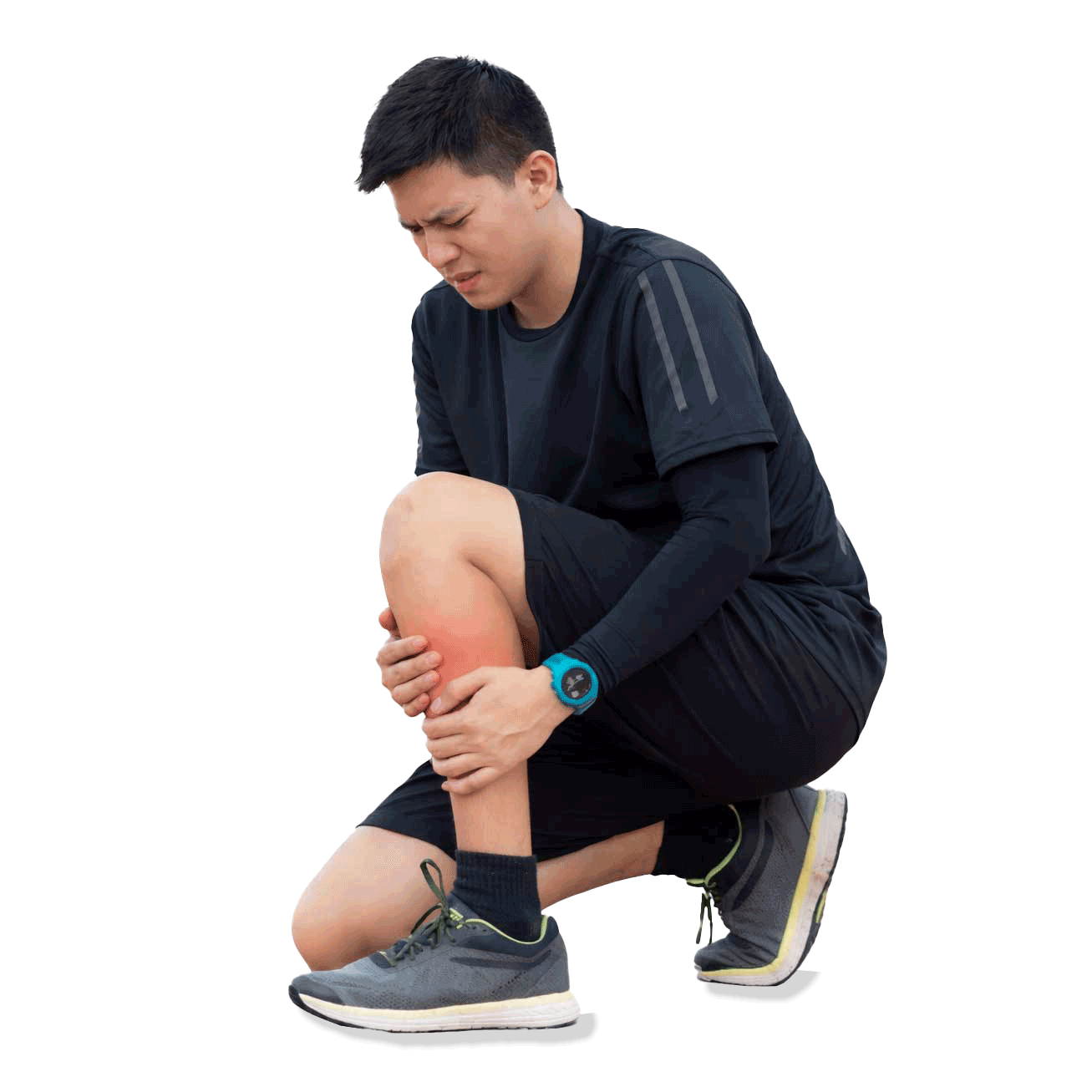
Symptoms of shin splints
Tightness and/or tenderness along the shins that comes on with a specific activity – especially running and walking for long distances. The pain usually settles upon resting. Shin pain is most common with people who have just taken up running or walking long distances for the first time. The pain sits mostly along the inner side of the shin bone, and usually eases after the warm-up. After training, the symptoms return and may sometimes persist until the following morning. The pain can also be provoked by pressing along the posterior border on the inner side of the shin bone, and is present over an area of at least 5 cm.
How are shin splints diagnosed?
This diagnosis can be made by a doctor based on the history of symptoms and a physical examination. Additional tests such as X-rays or scans are not usually necessary, but are sometimes performed to rule out other conditions.
What causes shin splints?
Shin splints are generally caused by excess stretching of muscles and tendons along the shin bones (the tibia and fibula). Over-use in athletes in runners is the most common factor. Muscle imbalance, weak core muscles, plus inflexibility and tightness, especially in the calf muscles, can all contribute to lower-extremity injuries, including shin splints and also Achilles Tendonitis.
Shin splints often develop due to a sudden increase in training duration or intensity. This commonly occurs in beginner runners or in athletes who try to return too quickly to their previous training level after illness or a holiday break.
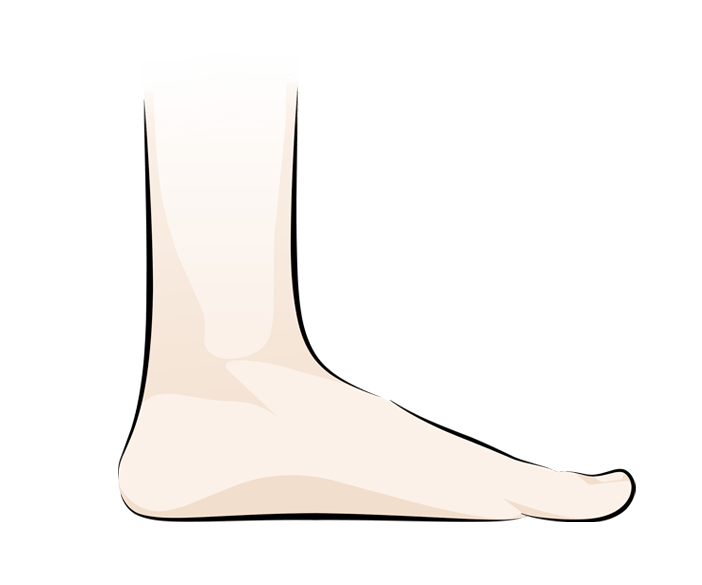
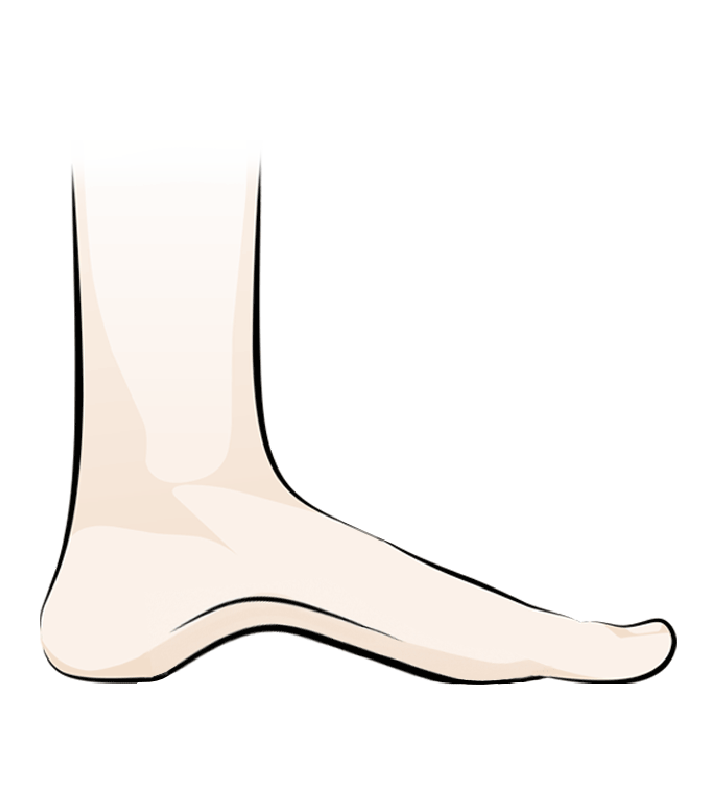
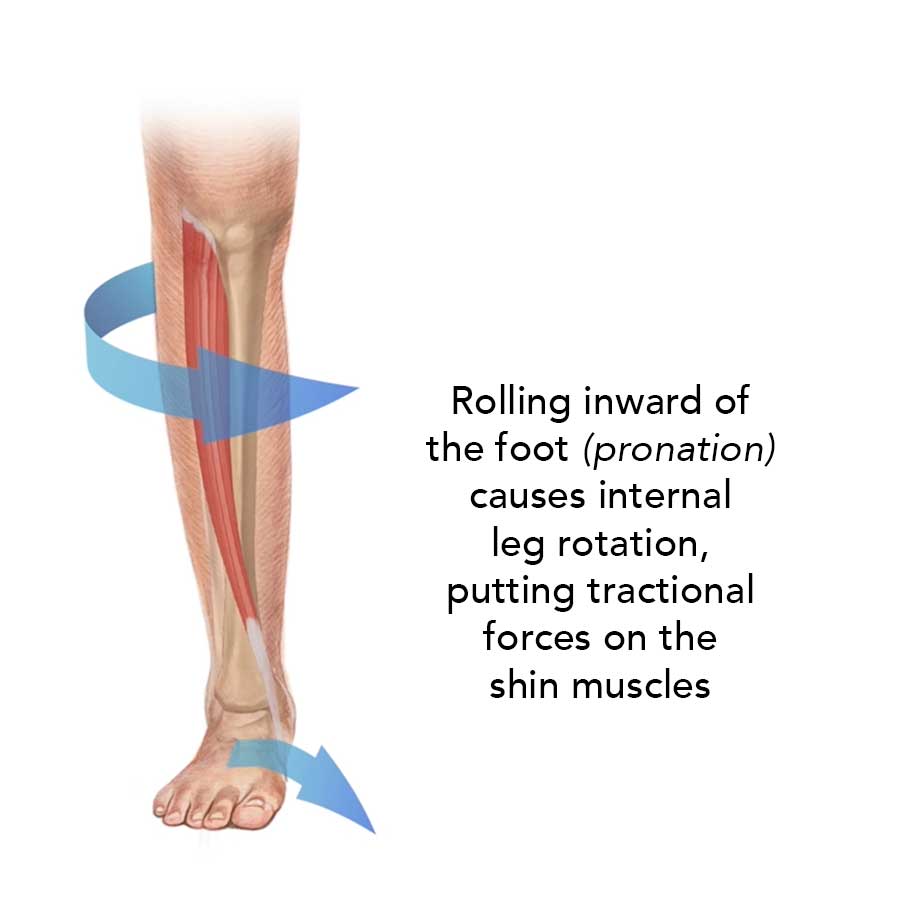
Another major factor is ‘excess pronation’ – the rolling inwards of the feet and flattening of the arches. Excessive pronation is a biomechanical factor that leads to the internal rotation of the tibia, which in turn will increase the forces put upon the muscles and ligaments in the lower leg.
Risk factors: what increases the likelihood of this injury?
Several factors can contribute to the development of shin splints:
Building up training too quickly
Incorrect running technique
being overweight
reduced mobility or stability of the ankle and hip
All of these factors can increase stress on the shin periosteum and trigger shin splints.
Treatment of shin splints
after a period of rest or reduced activity, running or sports should be resumed gradually
adjust sporting activities by training for shorter durations or at lower intensity. In cases of severe symptoms, temporarily stop altogether or switch to a low-impact alternative activity e.g. swimming or cycling
pain symptoms should have subsided and should not increase when activities are resumed. If pain does increase, the training schedule should be adjusted again. In cases of persistent and/or recurrent symptoms, further diagnostic evaluation in consultation with a sports physician should be considered. Other conditions may be responsible for the symptoms, such as exercise-induced compartment syndrome or a stress fracture.
ice: apply and ice pack on the affected area for 5-10 minutes, after running
anti-inflammatories e.g. Ibuprofen or Advil
orthotics can provide significant relief, especially if your feet tend to pronate
exercises to increase flexibility of the muscles, tendons and ligament in the lower limb
Additionally, compression socks can make a valuable contribution to the prevention of shin splints. By applying gentle pressure to the lower legs, they improve circulation and support the shin periosteum. This may help reduce overuse and minor muscle or tendon damage. Compression socks are often used by runners and athletes who are prone to shin splints, especially during intensive training periods or when returning to sport after an injury.
Shin Splint reatment with Footlogics orthotic insoles
Shin Splint reatment with Footlogics orthotic insoles
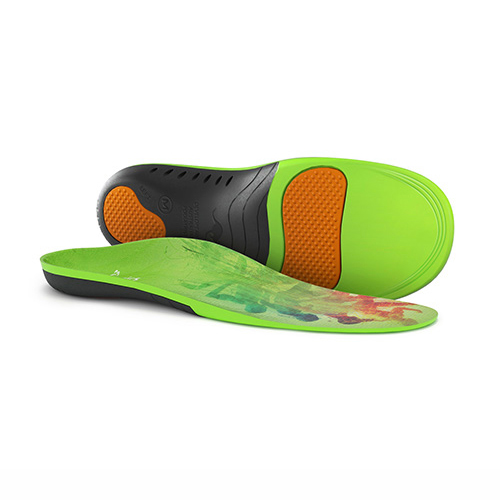
Footlogics Sports
These sports orthotics feature a high arch support and deep heel cup designed to limit over-pronation, a major contributing factor to shin splints.
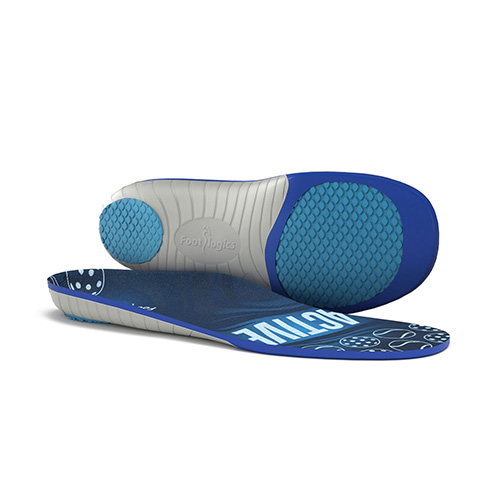
Footlogics Active
Tennis and Pickleball players can experience a range of biomechanical problems and injuries because of the high levels of stress & strain placed on joints, muscles and tendons. Shin splints is not uncommon in these sports and can be prevented with our new ‘Active’ insoles. These orthotics features a strong nylon shell to control excess pronation and a thick layer of cushioning PU to absorb shock.
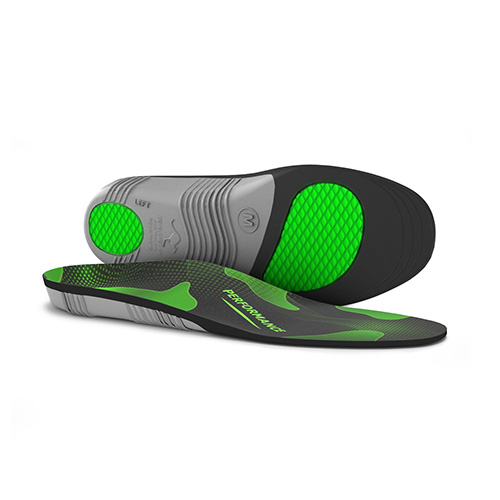
Footlogics Performance
In some cases, Shin Splints occur in people with high arches and/or supinators (i.e. people whose feet roll outwards). For this group we have developed the Performance orthotic with a high arch support and soft cushioning PU. A lateral wedge can be applied to limit rolling outward of the foot.
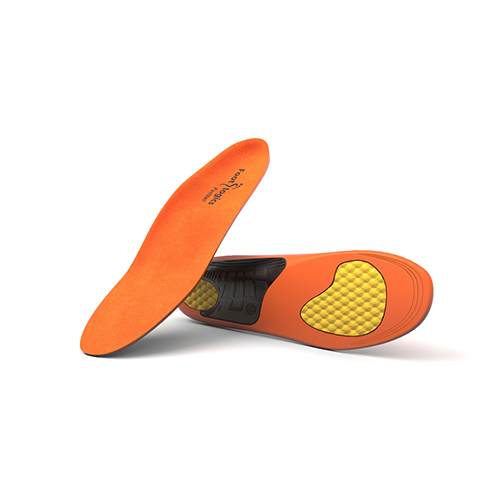
Footlogics Football
For soccer or grid-iron players who experience shin pain, we recommend the Footlogics Football insole. It fits perfectly into narrow-fitting soccer and football cleats, provides arch support plus heel & forefoot cushioning.
Exercises for Shin Splints (in addition to orthotics)
Good recovery and the prevention of shin splints start with targeted training. Exercises for shin splints help strengthen the muscles around the shin bone, reduce overuse, and distribute load more evenly across the lower leg. Below are some effective and simple exercises with explanations.
Exercises
Calf muscle stretch (calf stretch)
Purpose: Relaxes the calf muscles and reduces pulling force on the shin periosteum.
How to do it:
Stand upright with your hands against a wall.
Place one leg back, keep the heel on the ground, and straighten the knee.
Slightly bend the front leg and lean forward.
Hold the stretch for 20 to 30 seconds.
Repeat 2 to 3 times per leg.
Exercises
Strengthening the tibialis anterior (front shin muscle)
Purpose: Strengthens the muscle responsible for lifting your foot.
How to do it:
Sit on a chair with both feet flat on the floor.
Slowly lift the toes of one foot while keeping the heel on the ground.
Slowly lower the foot back down.
Repeat 15 to 20 times per leg.
You can also perform this exercise with a resistance band for added load.
Exercises
Eccentric calf strengthening (heel lowering)
Purpose: Improves muscle control and helps prevent overuse.
How to do it:
Stand with the balls of your feet on the edge of a step, heels hanging freely.
Slowly push yourself up onto both toes.
Lift one foot and slowly lower yourself down on the other leg.
Repeat 10 to 15 times per leg, for 2 to 3 sets.
Exercises
Balance exercises for stability
Purpose: Trains the foot and ankle muscles to better absorb shock.
How to do it:
Stand on one leg on a firm surface.
Try to maintain your balance for 30 seconds without moving your foot.
Make it more challenging by closing your eyes or standing on a balance cushion.
Repeat 2 to 3 times per leg.
These exercises for shin splints can be performed daily, unless your symptoms worsen. Gradually build up the load and listen to your body. If pain persists or keeps returning, guidance from a sports physician is recommended.
Shin Splints research and how orthotics can help
Medial Tibial Stress Syndrome (MTSS) has been the subject of a number of research studies and reviews. Key research findings and areas of study are summarized as follows:
01.
Epidemiology and Evidence Reviews
A systematic review of the literature looked at ways to prevent MTSS in athletes. Although shock-absorbing insoles seemed the most promising, the study examined interventions like foam heel pads, Achilles stretching, orthotics, footwear changes and graduated running programs. However, it found insufficient evidence to strongly support any single prevention method. To determine what causes MTSS and how it progresses in runners and other athletes, a scoping review examined studies on the epidemiology, biomechanics and risk factors related to the condition.
02.
Research on Muscles and Biomechanics
Long-distance runners with MTSS had altered lower-leg muscle structure and function when compared to those without the condition, according to one case-control study, indicating that muscular and biomechanical differences – including excess pronation – may contribute to the development of shin splints in certain athletes.
03.
Trials of Treatment
A randomized clinical trial examined treatment strategies for athletes with MTSS, such as graded running regimens, stretching and strengthening exercises, orthotics and the use of compression stockings. Multiple conservative approaches may be equally beneficial, as the study found no significant differences in recovery time between the various treatment groups.
04.
Preventive effects of orthotics
A number of reviews and meta-studies indicate that orthotic insoles may reduce the risk of developing MTSS in certain populations — especially runners and military recruits — with moderate certainty of evidence. These studies suggest that orthotics with built-in anti-pronation control help improve foot alignment and distribute forces more evenly during impact activities.
MTSS is a well-researched overuse injury that frequently affects athletes, runners, and military recruits. In order to help clinicians understand how shin splints develop and which athletes are most at risk, a major area of research is risk factors and biomechanics. There is still comparatively little evidence for prevention and treatment. High-quality, extensive clinical trials are still required to validate the most successful interventions, even though numerous studies examine prevention and rehabilitation techniques such as orthotic insoles, stretching, and strength training.
what customer say..
REAL RELIEF. REAL RESULTS.
Proven arch support and relief. Trusted by millions.
Over 2 Million Pairs Sold
WHAT MAKES FOOTLOGICS DIFFERENT?
Footlogics orthotics are designed to deliver medical-grade support and relief — without the cost or wait time of custom orthotics.

TGA-Approved Medical Device
Meets strict medical standards

Developed by Podiatrists
Created for real foot conditions, not generic comfort

Trusted by Health Professionals
Recommended by doctors and physical therapists worldwide

Over 2 Million Pairs Sold
Proven support for everyday life, work, and sport

Available in 20+ countries
Trusted by customers across the globe

Australia’s #1 Orthotic Insole
Leading podiatrist-designed support brand
SHOP BY FOOT COMPLAINT
common aches & pains
Learn more about different foot conditions and how Footlogics orthotics can help..