Orthotic shoe inserts
for Achilles Tendonitis
Footlogics offers a range of premium orthotics to help relieve pain and discomfort caused by Achilles Tendonitis: ‘Active’ for pickleball & tennis. ‘Sports’ for other sports and running. ‘Performance’ insoles for people with high arches and ‘Football’ for soccer players. We also recommend 5 daily exercises, proven to be very effective for the relief of Achilles pain.
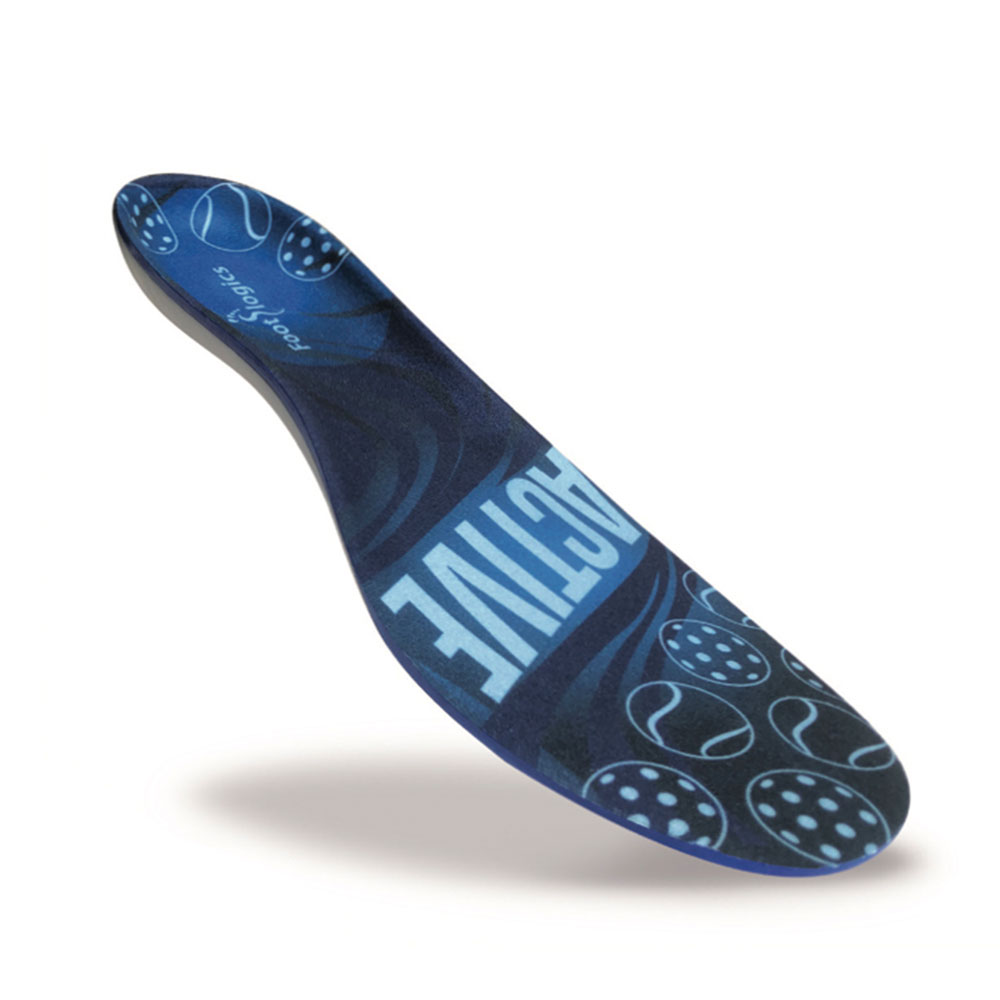
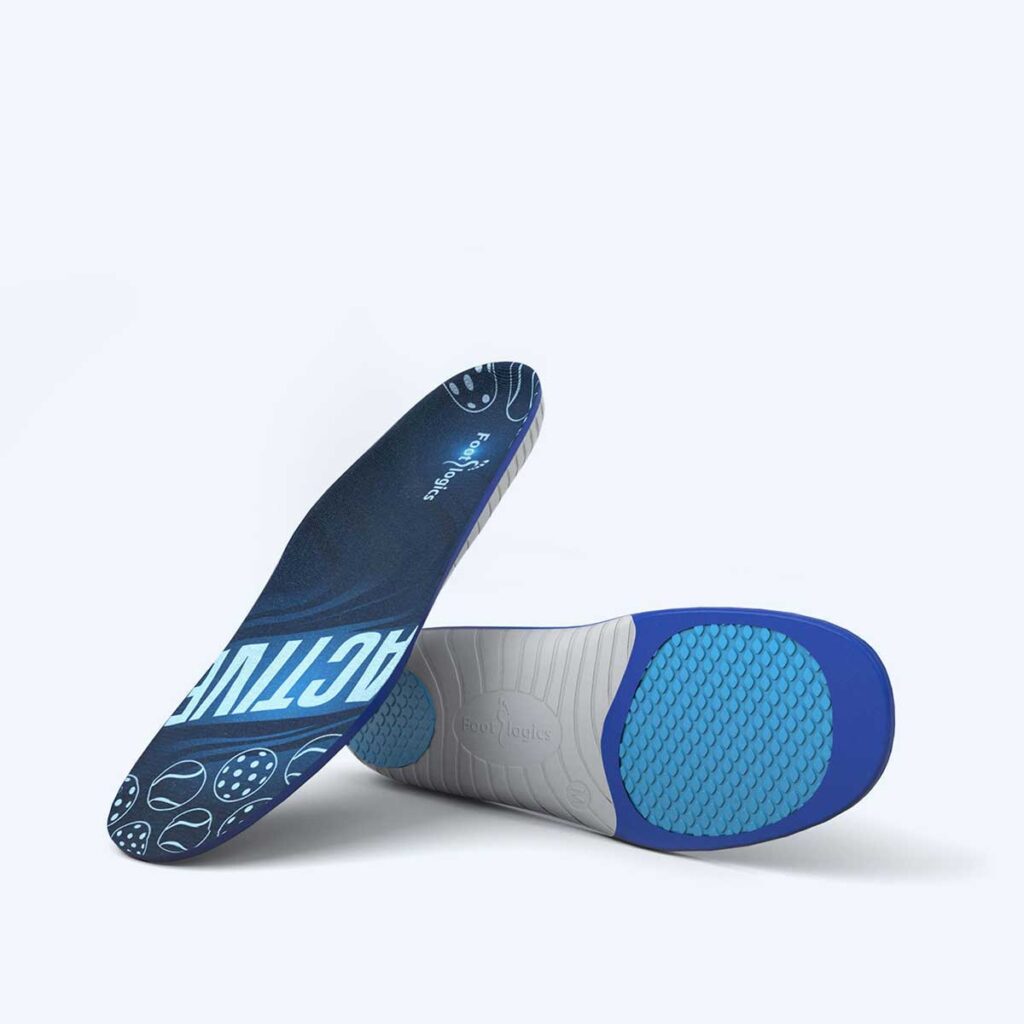
Footlogics ACTIVE
$39.95
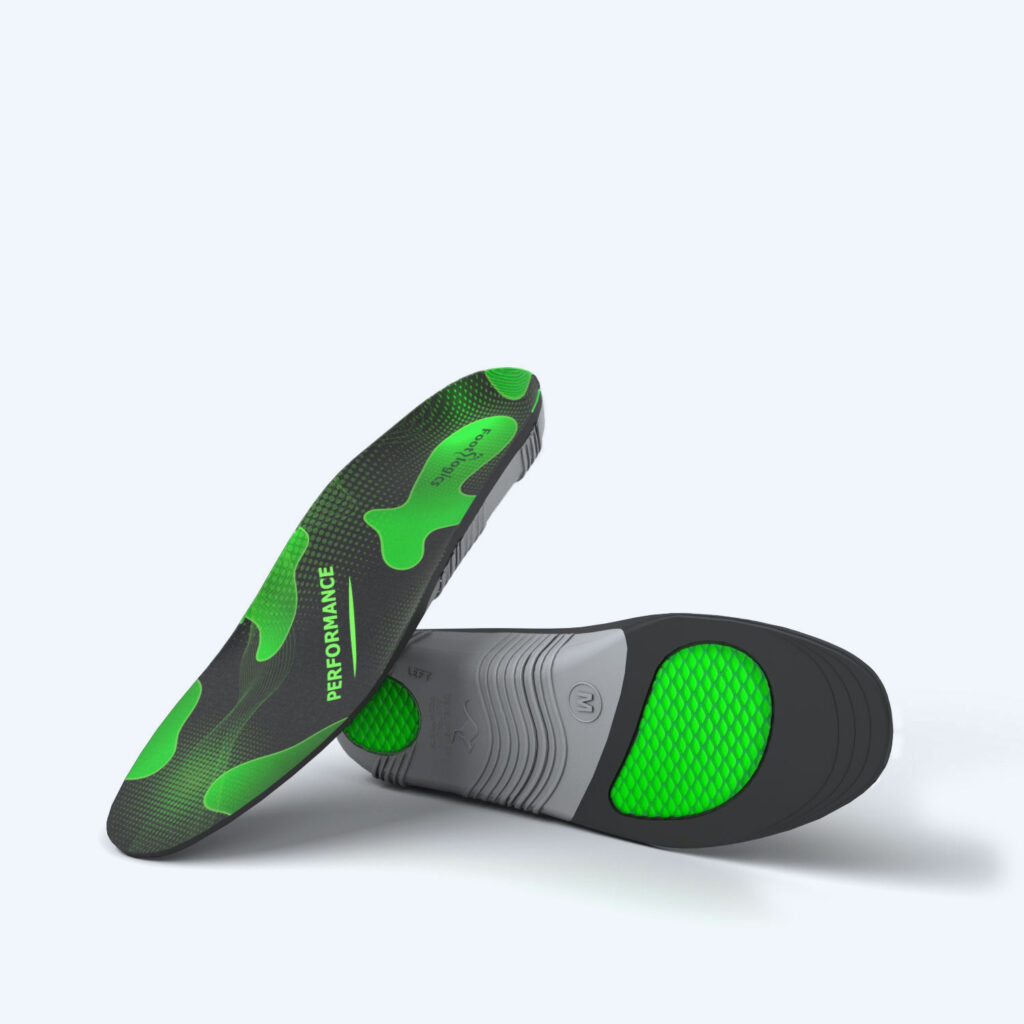
Footlogics PERFORMANCE
$39.95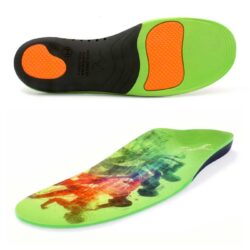
Footlogics SPORTS
$39.95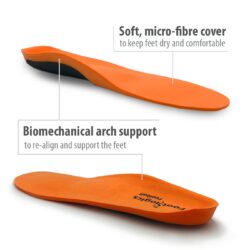
Footlogics FOOTBALL
$36.95
Achilles Tendonitis Orthotics: Prefabricated or Custom?
Studies have show that people who used a custom orthotic instead of an ‘off-the-shelf’ insole had very similar outcomes. Given their price difference, time involved etc it’s definitely worth considering off-the-shelf orthotics. Custom orthotics can cost up to $600 and often require return visits for adjustments. A well-designed pre-made orthotic that offers plenty of support and stability can be a wise investment to treat Achilles pain. Most orthotic brands – including Footlogics – offer a money-back-guarantee, so there’s no harm in trying these first, before going down the path of expensive custom orthotics.
Choosing an off-the-shelf orthotic requires certain considerations. First of all, they must first feel comfortable. Orthotics can be unpleasant to start with, as the foot needs to get accustomed to a new level of support. In most cases, you’ll be able to ‘break in’ pre-made orthotics within only 1-2 days whereas custom orthotics may take longer to get used to. Footlogics orthotics for Achilles Tendonitis usually only take a hours to break in, not days!
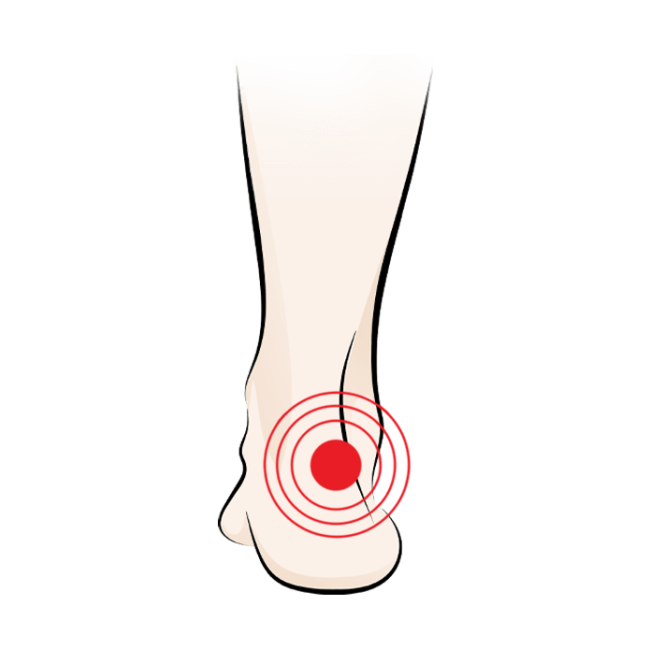
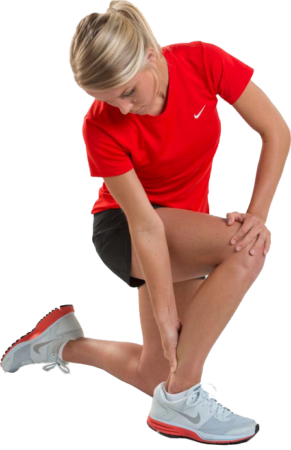
What is Achilles Tendonitis?
Achilles Tendonitis (or ‘Tendinitis’) is Latin for ‘inflammation of the Achilles Tendon’.
Also referred to as ‘Achilles Tendinopathy’, it describes a condition characterized by inflammation, pain or structural weakness of the Achilles tendon, a key connective tissue linking the calf muscles (gastrocnemius and soleus) to the heel bone (calcaneus).
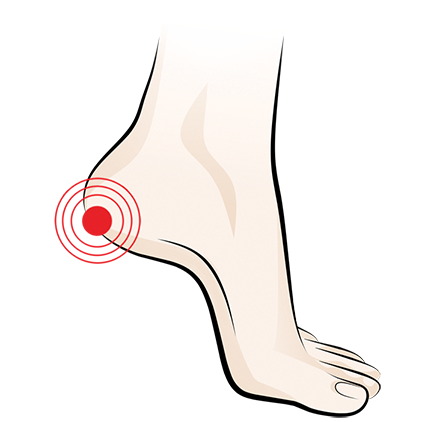
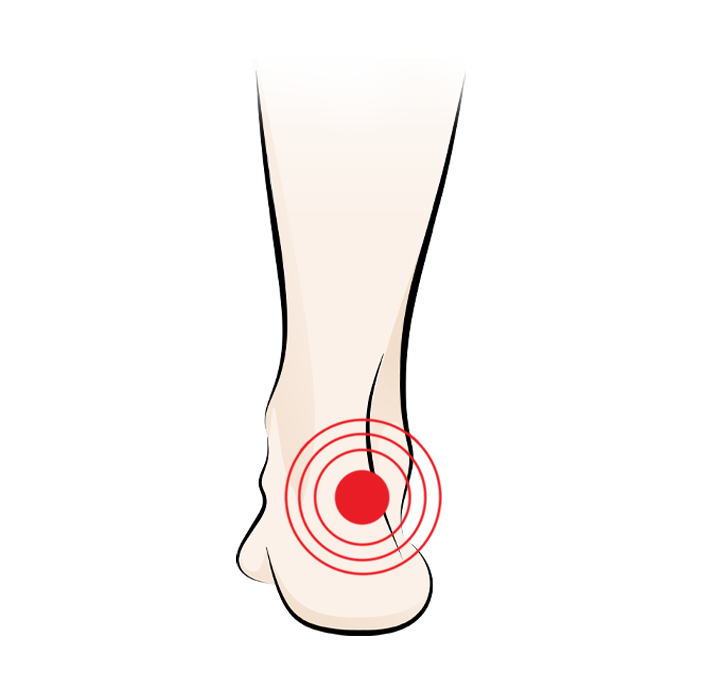
The Achilles Tendon is the longest tendon in the body. This tendon, essential for various activities such as standing on toes, walking, running, and jumping, endures immense stress, potentially supporting weights up to 12 times the body’s mass when running. Any discomfort just above the back of our heels is a sign of Achilles pain. You may also feel tightness in the calves and you’ll notice that the Achilles tendon in the affected area is thick and sore to the touch. You might experience pain as you walk or run, especially when you push off with your toes.
Diagnosis and Symptoms
The diagnosis of Achilles tendonitis is typically made through a comprehensive medical history and physical examination. Key indicators include the onset of pain at the back of the heel and stiffness, particularly in the mornings or after periods of inactivity. As well as tenderness upon palpation and thickening of the tendon. Imaging techniques like ultrasound and MRI may be employed to evaluate structural changes, alterations in tendon thickness, or to rule out tears if the diagnosis remains uncertain.
What are the main causes of Achilles Tendonitis?
Several factors contribute to the development of Achilles tendonitis, with overuse being the primary cause. When there is persistent strain or stress on the Achilles tendons it results in irritation and eventually inflammation. Some severe cases have been reported where the massive strain caused the tendon to rupture! Chronic overuse of this tendon is common in runners and is a frequent cause for changes in it. This leads to thickening and degeneration of the tendon.
Also tightness in your calf muscles contributes heavily to Achilles Tendonitis. Furthermore, our tendons tend to degenerate with age and this wear and tear over time leads to weakness in the fibers of the tendon, which in turn can lead to micro-tearing.
However, over-pronation has been found to be the most common cause of this condition. Excessive inward foot rolls cause our lower leg to rotate internally. This puts a shearing force on our calf muscles which are connected to the Achilles tendon. Now this is where the Achilles tendon gets over-stretched, which results in inflammation.
Sudden increases in training intensity or changes in activity level, overly pronated foot mechanics, and insufficient calf muscle flexibility or strength can exacerbate strain on the tendon. Additional risk factors include inappropriate footwear (with a lack of arch support), training on hard surfaces, prior tendon injuries, and certain medications, such as “fluoroquinolone” antibiotics.
Achilles Tendonitis Treatment
Treatment predominantly focuses on conservative methods aimed at alleviating symptoms and addressing underlying issues to prevent recurrence. Key strategies involve modifying activities, incorporating low-impact workouts like swimming or bike riding and engaging in ‘eccentric exercises’ that promote tendon re-modeling—a noteworthy example being the “Alfredson Protocol”: stretching and strengthening exercises targeting the Achilles tendon and associated muscle groups can enhance flexibility and reduce tension. Orthotic insoles and heel lifts are an also very common (additional) treatment option for Achilles Tendonitis.
Orthotics for biomechanical correction
Orthotic insoles are made to address problems with the way your feet move (your gait), for example too much pronation (rolling inwards of the feet & flatting of the arches). Research has examined diverse orthotic interventions and showed reductions in Achilles tendon load, suggesting that biomechanical correction may assist in reducing strain on the tendon. Podiatrists and physical therapistists often prescribe orthotics. In some cases, heel lifts are added to the orthotic device to relieve tendon stress.
Footlogics orthotic insoles for Achilles Tendonitis
Footlogics offers 4 different orthotics for this common condition. In addition to wearing orthotics we highly recommend you do some simple daily exercises (please see further below).
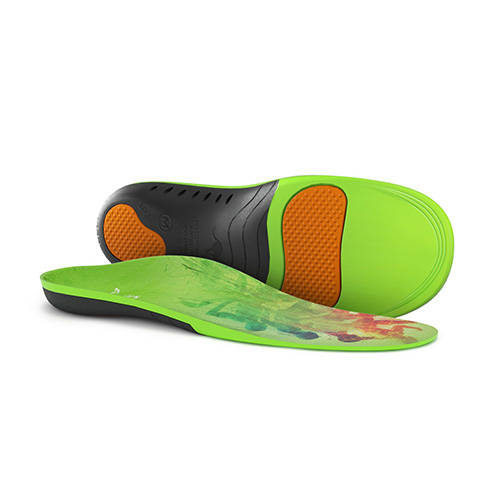
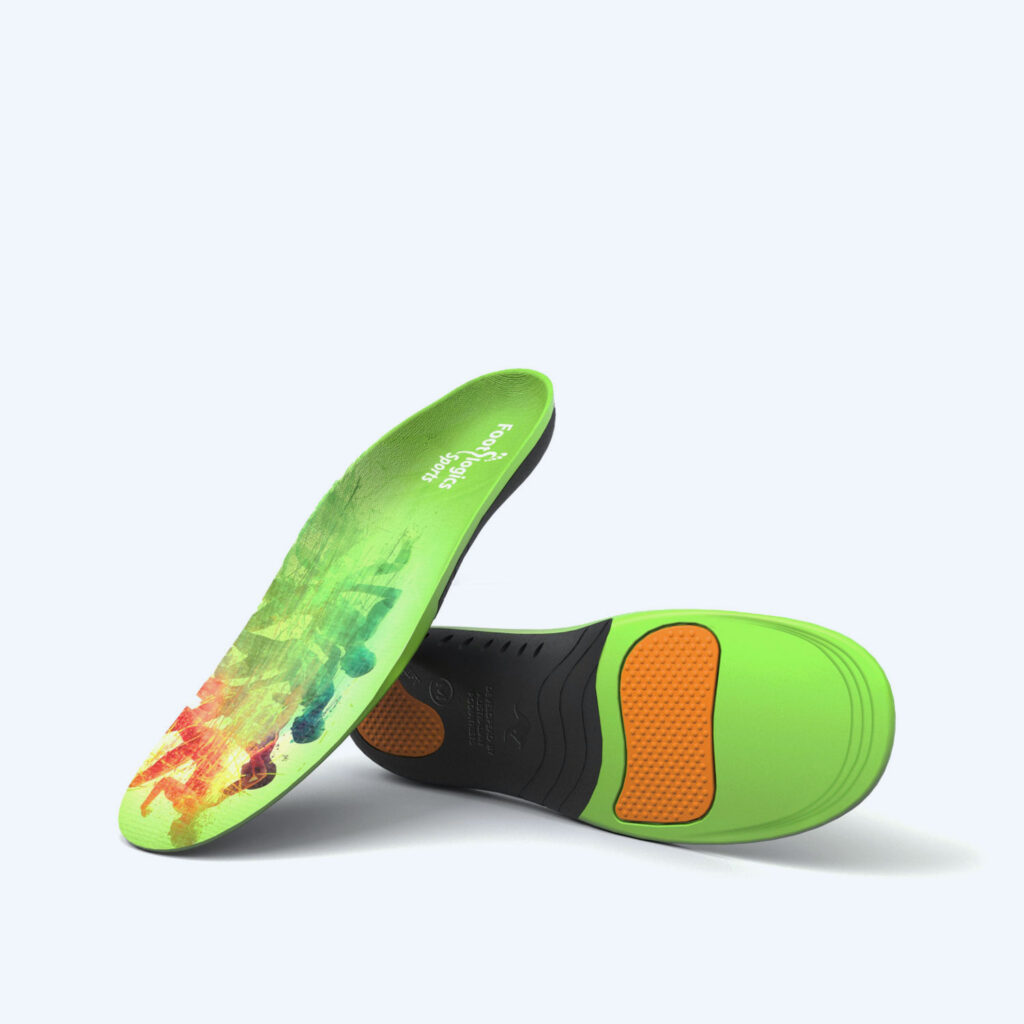
Footlogics Sports
A high-quality orthotic that can help you improve your sports performance by giving you better support, realignment and comfort. The Footlogics Sports Insole is a full-length sports orthotic made by Australian podiatrists. It has a soft P.U. (polyurethane) inner layer and a hard T.P.U. anti-pronation outer shell. This cutting-edge design strikes the right mix between comfort and stability, making it great for athletes to treat or prevent common sports injuries, including Achilles Tendonitis, Shin Splints and Runner’s Knee
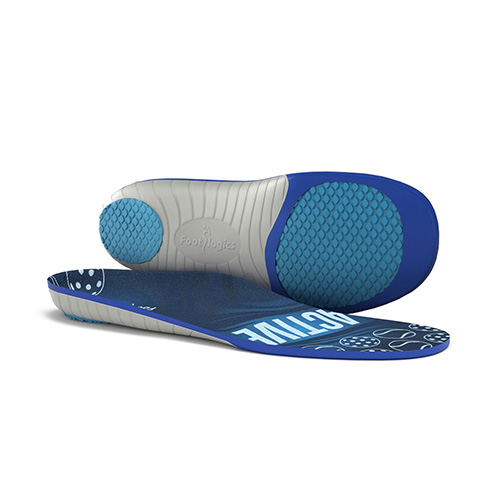
Footlogics Active
Our newest addition to the Footlogics range, the ‘Active’ orthotic was recently developed by our sports podiatrists, in collaboration with a professional tennis player to treat and prevent common foot complaints, associated with tennis and pickleball. This premium insole features lateral stability with a nylon shell and extra cushioning in the heel and forefoot. It has proven to be very effective for Plantar Fasciitis, Achilles Tendonitis, as well as ball of foot pain.
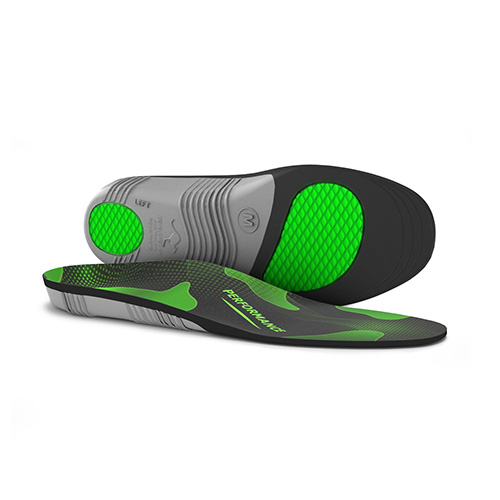
Footlogics Performance
Designed for people with high arches and ’supinators’ (rolling outwards of the feet), this orthotic features a high arch support and plenty of cushioning. A lateral wedge can be applied to prevent excess rolling out of the foot.
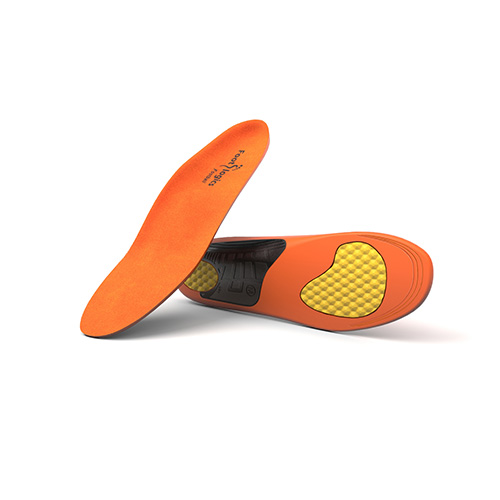
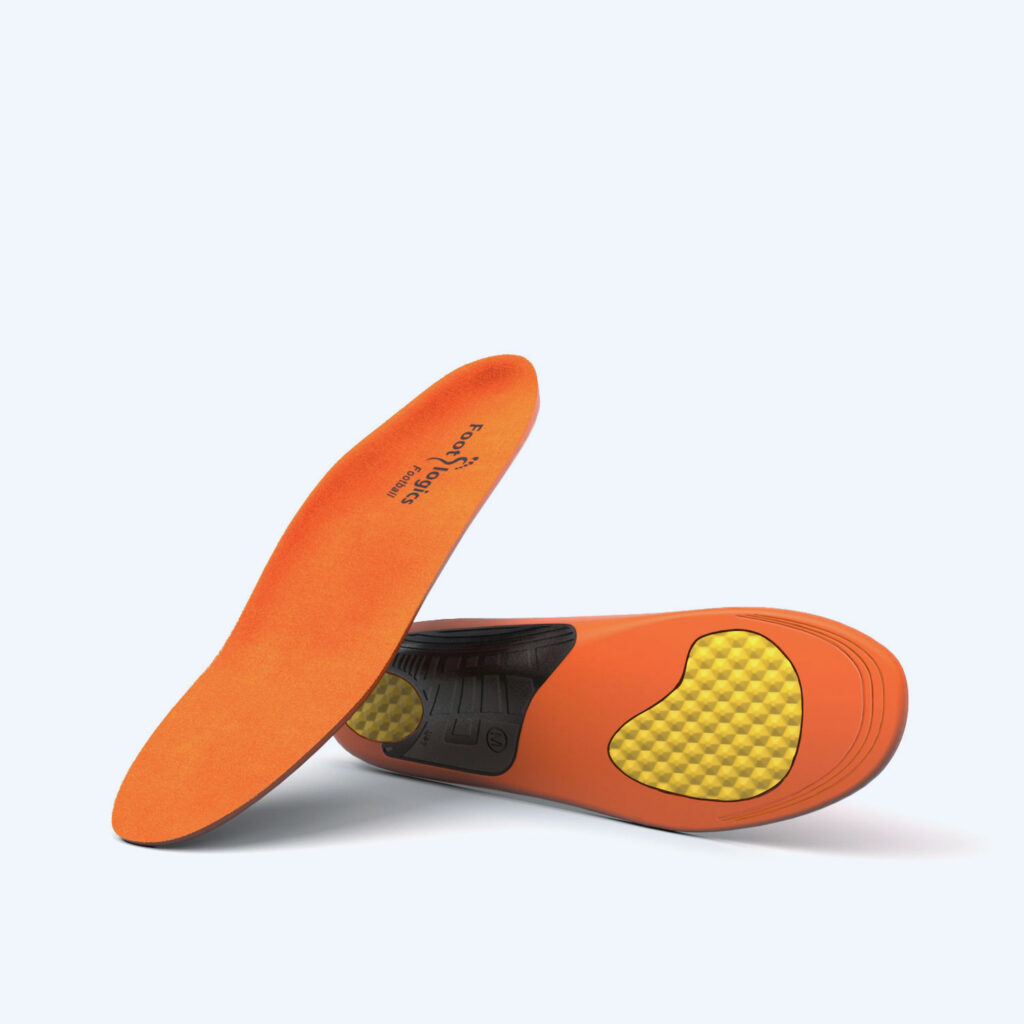
Footlogics Football
These insoles are slimmer and thinner compared to the orthotics described above and fit perfectly into soccer boots or grid-iron cleats. Achilles Tendonitis is very common in soccer players, especially in younger players, where it’s referred to as ‘Severs Disease’.
Other useful treatment options (in addition to orthotics)
Footlogics offers 4 different orthotics for this common condition. In addition to wearing orthotics we highly recommend you do some simple daily exercises (please see further below).
01.
Shockwave Therapy
Extracorporeal shockwave therapy (ESWT) employs sound waves to help the body repair and has demonstrated good results, especially when used with exercise programs. Some studies have found that it helps with pain and function more than just exercise alone, especially as an add-on to orthotic insoles.
02.
Bracing and Night Splints
Wearing orthotics during the day and night splints during the night may be very effective. A nigh splint keeps the foot in a dorsiflexed position to keep the Achilles tendon from getting shorter and to make it less stiff in the morning. They can be helpful additions, but they are not a replacement for exercise treatment.
03.
Medications
Non-steroidal anti-inflammatory medicines (NSAIDs) may help with pain in the short term, but they don’t seem to have a big effect on long-term recovery. Corticosteroid injections are usually not a good idea because they might make the tendon weaker and potentially raise the chance of it tearing. There is inconsistent evidence for PRP injections, and additional research is needed.
04.
Exercises
The exercises described below – in combination with orthotic shoe inserts – will give you the best result when aiming to provide relief from Achilles Tendonitis. These exercises can be performed at home and are perfectly safe, as long as you’re not over-doing these, i.e. you should never feel pain or discomfort when performing the exercises!
Exercises
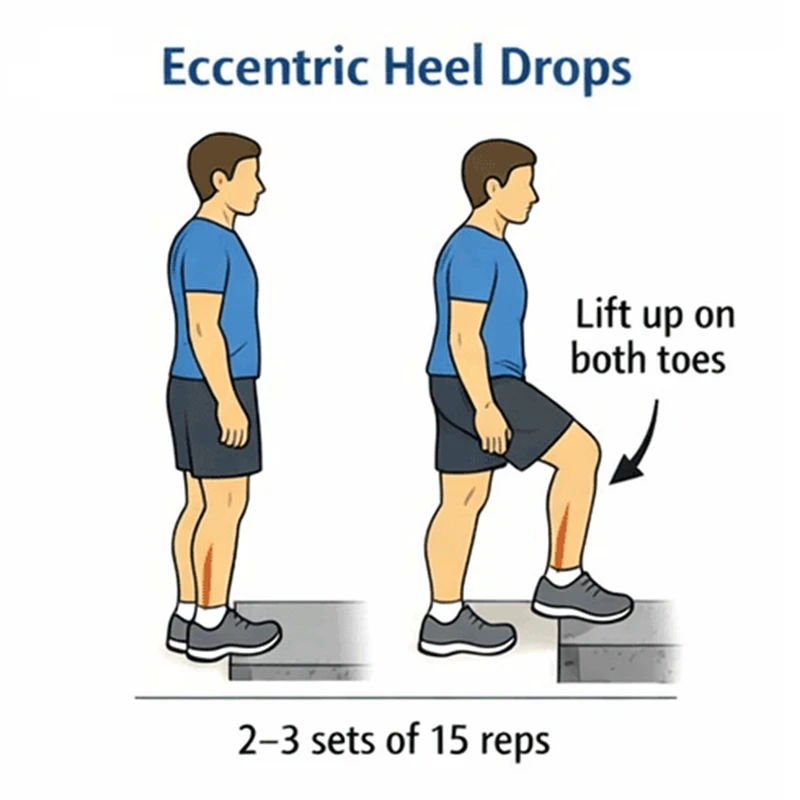
Eccentric Heel Drops
Place your heels hanging off the edge of a step. Rise up onto both toes, then elevate one foot and carefully lower the affected heel below the step level over 3–5 seconds. To get back up, use both feet.
It has been demonstrated that this exercise promotes tendon repair and lessens discomfort by strengthening the Achilles tendon under load. Once or twice a day, do two to three sets of fifteen repetitions.
Exercises
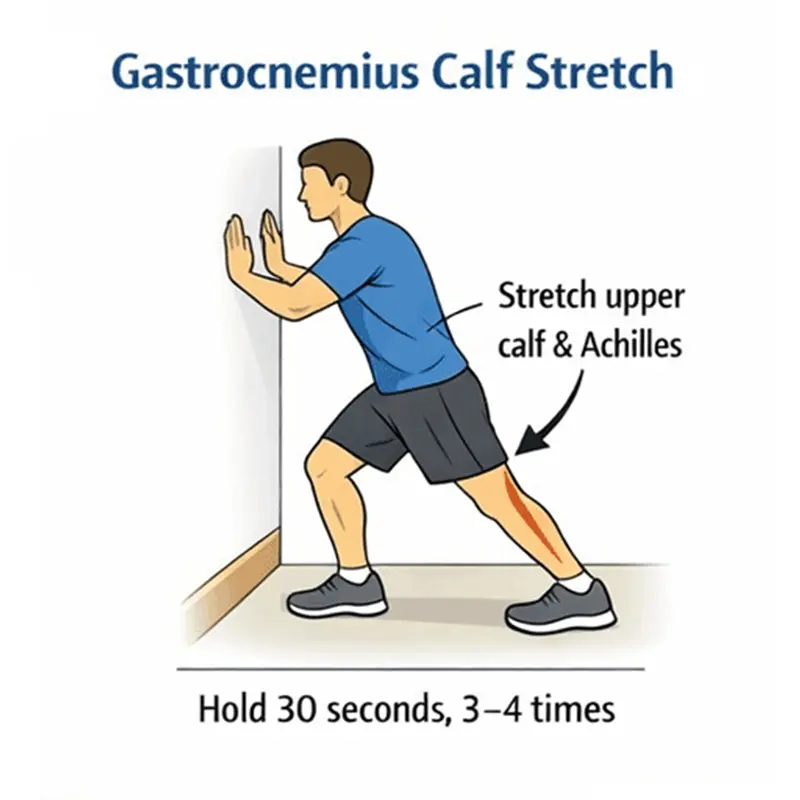
Gastrocnemius Calf Stretch
Stand facing a wall with the affected leg behind you. Keep the rear knee straight and heel flat on the ground while leaning forward. You should feel a stretch in the upper calf and Achilles tendon. Hold for 30 seconds and repeat 3–4 times.
This stretch helps alleviate calf tightness, which typically increases strain on the Achilles tendon when walking and jogging.
Exercises
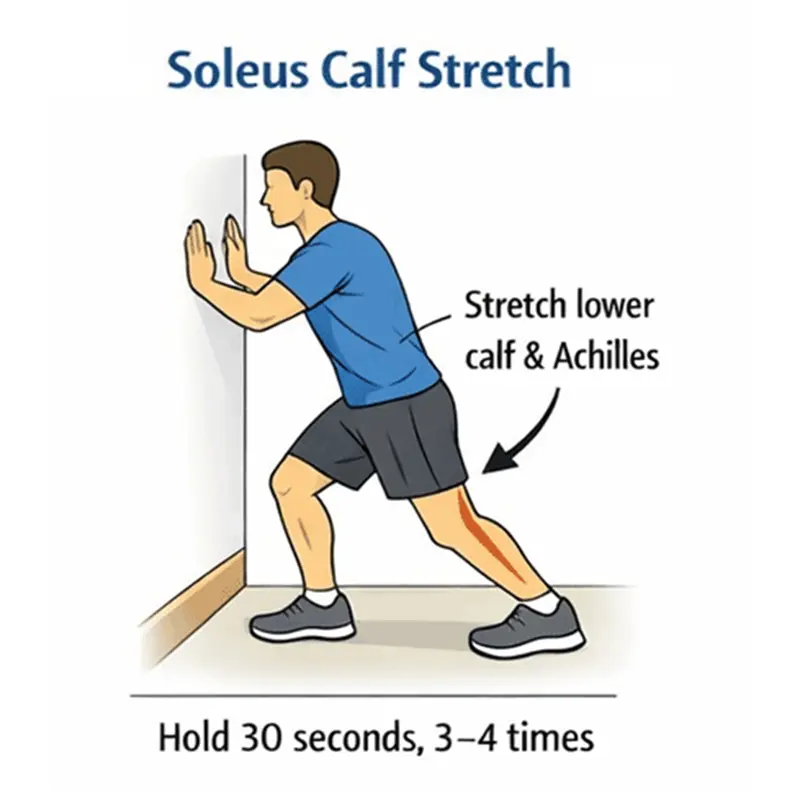
Soleus Calf Stretch
Similar to the gastrocnemius stretch, but with the rear knee slightly bent. Keep your heel flat and bend forward gently.
This targets the deeper soleus muscle, which plays a vital role in Achilles loading during running. Hold the stretch for 30 seconds and repeat 3–4 times. Improving soleus flexibility can greatly reduce ongoing tendon tension.
Exercises
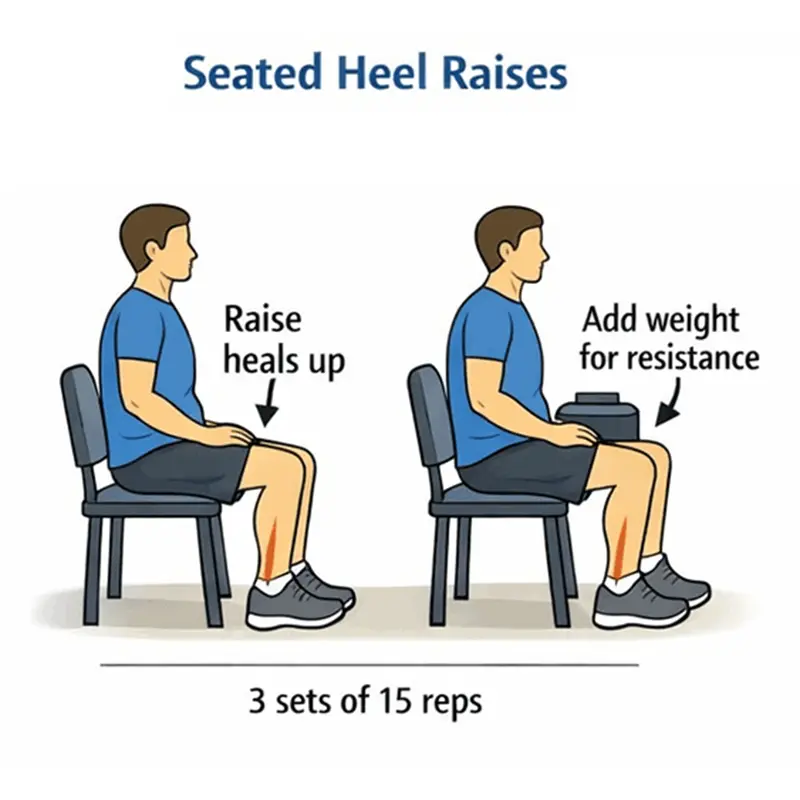
Seated Heel Raises
Sit in a chair with your feet flat on the floor. Slowly elevate your heels while maintaining your toes on the ground, then lower them back down under control. Cover your knees with a backpack or weight for further resistance.
This exercise is perfect for early-stage or painful Achilles tendonitis since it develops the calf muscles while putting less strain on the tendon.
Exercises
Seated Heel Raises
Sit in a chair with your feet flat on the floor. Slowly elevate your heels while maintaining your toes on the ground, then lower them back down under control. Cover your knees with a backpack or weight for further resistance.
This exercise is perfect for early-stage or painful Achilles tendonitis since it develops the calf muscles while putting less strain on the tendon.
In cases where conservative treatment fails, particularly with partial tendon tears or persistent symptoms for six months, surgical intervention may be considered. Various surgical options are available depending on the nature and location of the tendon damage.
In summary, Achilles tendonitis is a prevalent condition affecting athletes and active individuals alike. Successful diagnosis hinges on thorough assessment techniques, with overuse and biomechanical factors being significant contributors. Conservative treatments — such as eccentric exercises, activity modification, and biomechanical correction with orthotic insoles — show promise in aiding recovery, allowing many patients to return to their usual activities with a minimized risk of recurrence, provided a comprehensive approach to rehabilitation is followed.
what customer say..
REAL RELIEF. REAL RESULTS.
Proven arch support and relief. Trusted by millions.
Over 2 Million Pairs Sold
WHAT MAKES FOOTLOGICS DIFFERENT?
Footlogics orthotics are designed to deliver medical-grade support and relief — without the cost or wait time of custom orthotics.

TGA-Approved Medical Device
Meets strict medical standards

Developed by Podiatrists
Created for real foot conditions, not generic comfort

Trusted by Health Professionals
Recommended by doctors and physical therapists worldwide

Over 2 Million Pairs Sold
Proven support for everyday life, work, and sport

Available in 20+ countries
Trusted by customers across the globe

Australia’s #1 Orthotic Insole
Leading podiatrist-designed support brand
SHOP BY FOOT COMPLAINT
common aches & pains
Learn more about different foot conditions and how Footlogics orthotics can help..